
Spain Tourism Set for New Era as IBTM World Links Business Events, Trade Shows, Meeting to $6.2 Trillion Brain Economy

Published
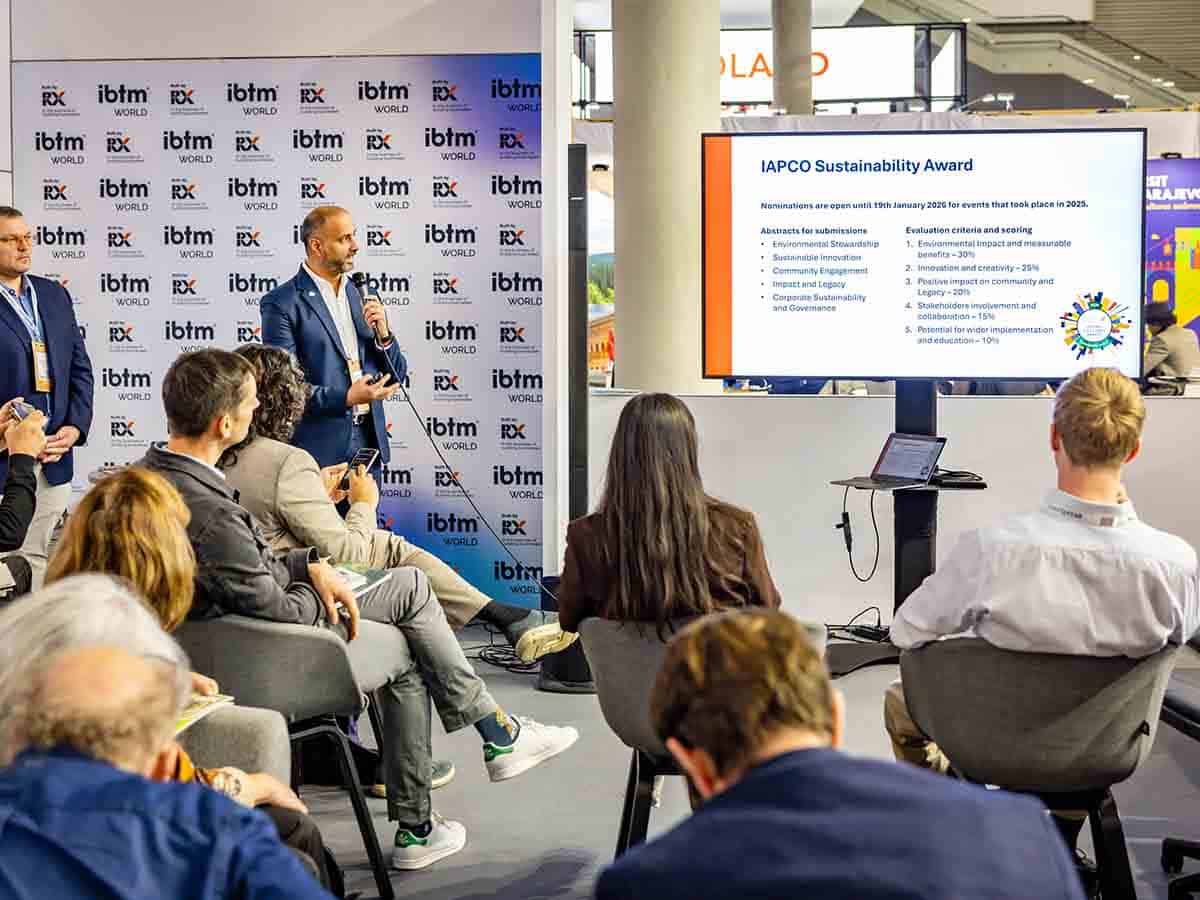
Spain tourism is set for a new era as IBTM World links business events to the $6.2 trillion Brain Economy opportunity. Its Trends Report 2027 introduces regeneration, placing human creativity, learning and meaningful connections at the centre of meetings and exhibitions as artificial intelligence transforms the global events industry.
Business Events Industry Looks Towards Regeneration as New Economic Opportunities Emerge
The international meetings and events industry is preparing for a significant change in how conferences, exhibitions and corporate gatherings are planned, experienced and evaluated. Early findings from the IBTM World Trends Report 2027 suggest that the next stage of industry development will depend increasingly on human intelligence, creativity, learning and stronger personal relationships.
Advertisement
Advertisement
The report introduces regeneration as an important direction for the experience economy. It argues that successful business events should create lasting value for participants, organisations and destinations rather than concentrating exclusively on attendance figures, networking opportunities and commercial transactions.
Written by Alistair Turner, Managing Director of Eight PR & Marketing, with contributions from Megan Henshall of Google XI, the report examines the relationship between technology, workplace transformation and human interaction.
Advertisement
Advertisement
A central theme is the emerging Brain Economy, which places greater economic importance on cognitive abilities, brain health, adaptability and creativity.
The report connects these developments to a wider economic opportunity estimated at $6.2 trillion. However, this figure should not be interpreted as the present value of the meetings industry. The Global Brain Economy Initiative associates the estimate with potential economic gains from improving brain health and related interventions.
Advertisement
Advertisement
For tourism destinations, event organisers and hospitality businesses, the research raises an important question: how can physical gatherings remain valuable when technology increasingly performs tasks once dependent on human expertise?
Artificial Intelligence Creates Fresh Demand for Human Creativity
Artificial intelligence is already influencing how businesses organise events, manage information and engage with participants. Automated registration, personalised recommendations, digital communication and data analysis are changing the operational landscape.
Advertisement
Advertisement
The new report looks beyond these immediate applications to consider how technological advancement could reshape the purpose of business gatherings.
As automated systems take responsibility for more routine analysis and administrative work, uniquely human capabilities may become more valuable.
Creativity, emotional intelligence, collaboration and the ability to understand different perspectives are among the qualities that business events can help develop.
This creates an opportunity for organisers to introduce more interactive programmes, collaborative workshops, creative discussions and knowledge-sharing sessions.
Advertisement
Advertisement
Instead of treating participants primarily as audiences receiving information, future events could encourage them to become active contributors.
The report’s direction suggests that technology and human interaction should complement one another, with automation supporting efficient event delivery while physical gatherings focus on experiences that are difficult to reproduce digitally.
Meaningful Friendships Could Redefine Event Networking
Networking has traditionally been one of the most important reasons professionals attend conferences and exhibitions.
For decades, organisers have measured its effectiveness through scheduled appointments, business introductions, contact exchanges and potential commercial partnerships.
The IBTM World Trends Report 2027 challenges this established approach by suggesting that friendship deserves greater attention.
Hybrid working arrangements and changing professional relationships have altered how employees interact with colleagues, clients and industry partners.
Advertisement
Advertisement
Against this background, face-to-face events can offer something beyond formal business networking.
They provide opportunities for spontaneous conversations, shared experiences and relationships that continue after participants return home.
The report suggests that stronger friendships could become an increasingly important indicator of event success.
For organisers, this may require changes to programme design, including smaller discussion groups, informal activities, shared learning experiences and environments that encourage authentic conversations.
For destinations, it could strengthen demand for venues and experiences that promote personal interaction rather than simply accommodate large numbers of delegates.
Regeneration Moves Beyond Personalisation and Transformation
Regeneration represents a broader development in the experience economy.
Advertisement
Advertisement
Previous industry discussions have concentrated on personalised services, memorable experiences and transformative events that influence individual behaviour.
The new concept goes further by examining how gatherings can renew relationships, challenge assumptions and encourage different ways of thinking.
Under this approach, an event is not successful solely because participants enjoy the programme or make business contacts.
Its value also depends on whether people leave with fresh perspectives, stronger relationships and ideas that can influence their organisations and communities.
This could affect venue layouts, conference formats, educational content and destination activities.
Event organisers may increasingly need to demonstrate how their programmes support learning, collaboration and long-term professional development.
Advertisement
Advertisement
The concept also creates opportunities for destinations to integrate local culture, knowledge and community participation into international meetings.
However, regeneration remains an emerging framework. Its practical value will depend on how organisers translate the research into measurable outcomes.
“The emerging Brain Economy presents an encouraging opportunity for the global travel, tourism and business events industry to rethink how professional gatherings create lasting value. As artificial intelligence transforms workplaces, the importance of human creativity, meaningful relationships and shared experiences will continue to grow.
Business events have always connected people, but their future potential extends towards encouraging new ideas, strengthening professional communities and inspiring positive change. The concept of regeneration offers destinations, hotels, convention centres and event organisers a valuable framework for designing experiences that place people at the centre of progress. Barcelona’s international meetings platform provides an important opportunity to advance these conversations and encourage collaboration across markets.
At Travel And Tour World, we believe the next generation of successful business events will combine technological innovation with cultural understanding, personal connections and responsible tourism development, creating meaningful benefits for delegates, businesses, destinations and local communities around the world.”— Anup Kumar Keshan, Founder and Editor-in-Chief, Travel And Tour World
Google XI Highlights the Importance of Changing Established Narratives
Megan Henshall of Google XI contributes another important dimension to the report by examining how organisations communicate their purpose.
Advertisement
Advertisement
Her perspective suggests that many established corporate narratives may no longer reflect rapidly changing economic and social conditions.
Business events provide opportunities for organisations to reconsider these narratives through direct discussion and collective participation.
For international conferences, this could mean creating programmes that allow delegates to question established assumptions and contribute to new strategies.
For corporate meetings, it may involve bringing employees together to understand organisational changes and identify future priorities.
The report positions events as environments where people can build shared understanding rather than simply receive prepared messages.
This interpretation could influence conference storytelling, leadership meetings, association congresses and destination-led business programmes.
Advertisement
Advertisement
Barcelona Prepares to Welcome Global Meetings and Tourism Professionals
Barcelona will provide the international stage for discussions about these emerging industry priorities.
According to the official event website, IBTM World 2026 will take place from 17 to 19 November at Fira Barcelona Gran Via.
Organisers are promoting participation by approximately 2,500 destinations, hotels, event technology providers and suppliers from more than 150 countries.
The supplied announcement also anticipates more than 12,000 industry professionals, although this remains an attendance expectation rather than a verified final total.
Across three days, the exhibition will bring together destination representatives, hotels, venues, technology companies, event organisers and international buyers.
Scheduled business appointments, product discovery, professional education and networking will form key parts of the programme.
Advertisement
Advertisement
Barcelona’s role as host also places attention on the wider relationship between international exhibitions and destination economies.
Major business events create demand for accommodation, restaurants, transport services and local experiences, while giving destinations opportunities to build longer-term commercial relationships.
Destinations and Hotels Face Changing Expectations
The report’s findings carry implications for convention bureaux, destination management organisations, hotels and conference venues.
Traditional destination marketing has often concentrated on transport connectivity, accommodation capacity, facilities and visitor attractions.
Although these remain important considerations, the proposed regenerative approach suggests that future competitiveness could also depend on a destination’s ability to support learning, creativity and meaningful interaction.
Hotels may respond by developing more adaptable meeting spaces and collaborative environments.
Advertisement
Advertisement
Conference centres could introduce programme formats that support informal discussion alongside conventional presentations.
Destination marketing organisations may also benefit from highlighting local expertise, cultural experiences and opportunities for genuine engagement with communities.
These developments could help meetings destinations distinguish themselves beyond established promotional messages.
Global Workforce Changes Could Reshape Meetings Demand
Another important area of the forthcoming report concerns changes in the global workforce and their influence on business-event demand.
Different working patterns, advances in artificial intelligence and changing organisational priorities are affecting how companies bring employees and partners together.
The report is expected to explore where future meetings demand may emerge and how destinations can respond.
Advertisement
Advertisement
For the MICE sector, these changes create both challenges and opportunities.
Organisers will need to justify the investment associated with international travel while demonstrating the distinctive value of physical participation.
At the same time, demand for collaborative learning, relationship-building and strategic discussion could reinforce the importance of in-person gatherings.
The report’s broader argument is that business events should evolve alongside technological and social changes rather than simply adopt new digital tools.
IBTM World Sees Opportunity for the Global Events Industry
Alistair Turner presents regeneration as an opportunity for the meetings industry to rethink established approaches and contribute more meaningfully to society.
His assessment suggests that the sector has developed sufficient confidence to pursue ambitious changes in event design and delivery.
Advertisement
Advertisement
Claudia Hall, Show Director of IBTM World, similarly emphasises the importance of human creativity, trust and learning as artificial intelligence transforms professional life.
The report encourages industry stakeholders to reconsider how event success is measured and how human interaction can generate longer-term benefits.
For tourism businesses, the message is particularly relevant as destinations compete to attract international conferences, exhibitions and corporate groups.
The next stage of growth may depend not only on how many delegates attend an event, but also on the quality of the connections, knowledge and opportunities they take away.
The IBTM World Trends Report 2027 signals a new direction for global business events, placing regeneration, creativity and meaningful relationships alongside commercial success. As artificial intelligence transforms workplaces, destinations and event organisers may find fresh opportunities by prioritising human interaction, collaborative learning and experiences that deliver lasting value worldwide.
Advertisement
