
Indonesia Travel Momentum Returns As Emirates Resumes Dubai Jakarta Route Following Mount Anak Krakatau Eruption

Published
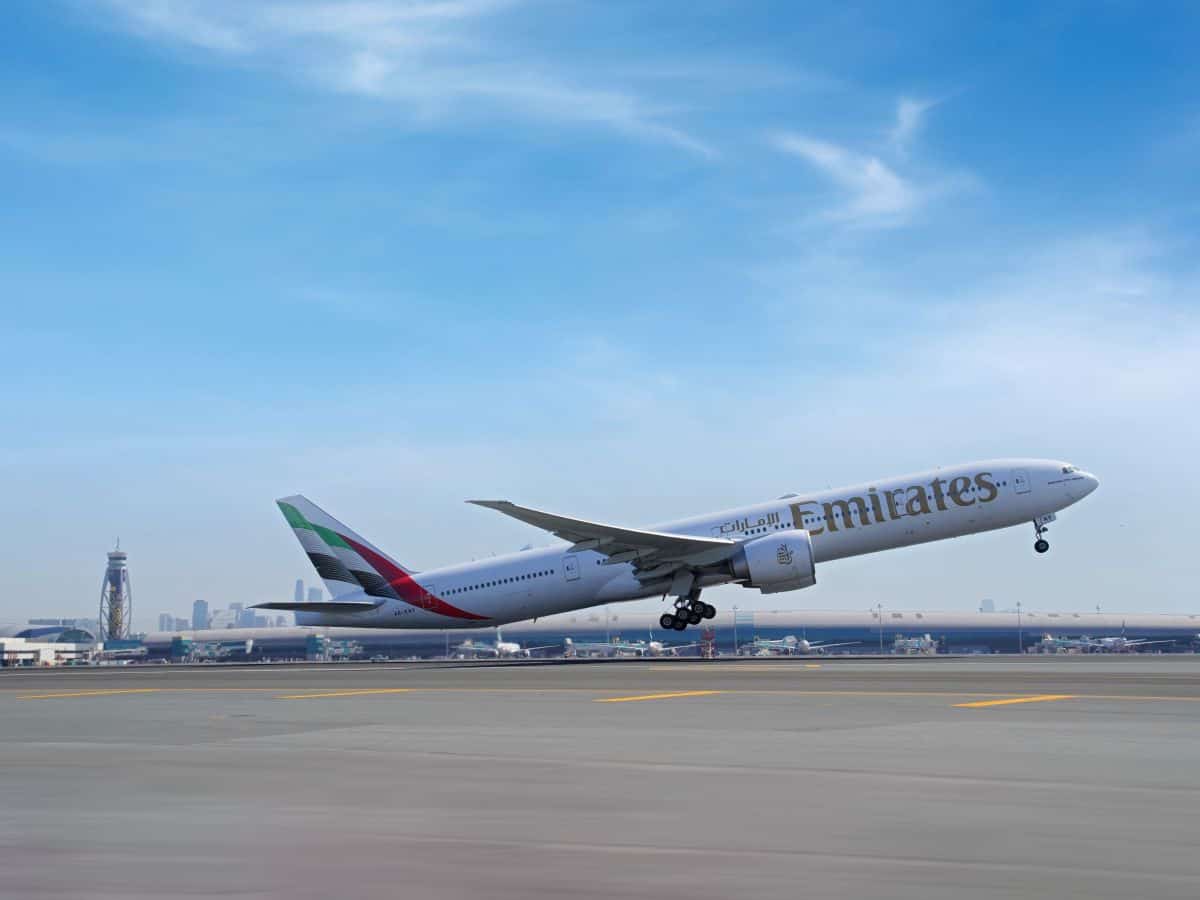
Indonesia Travel Momentum Returns as Emirates resumes the Dubai–Jakarta route following the Mount Anak Krakatau eruption, restoring a vital international air connection after volcanic ash clouds forced temporary airport closures and flight cancellations. The return of Emirates services signals a gradual recovery in Indonesia’s aviation network, with Soekarno-Hatta International Airport returning to normal operations after safety concerns disrupted thousands of passenger journeys. The restored route is expected to support tourism, business travel and global connectivity between Indonesia and the United Arab Emirates as airlines continue monitoring volcanic activity and operational conditions.
Emirates has restarted its Dubai–Jakarta operations after volcanic ash from Mount Anak Krakatau forced temporary closures at one of Southeast Asia’s busiest aviation hubs. The disruption affected flights between Dubai International Airport and Soekarno-Hatta International Airport as ash clouds created safety concerns for aircraft operations across western Indonesia.
Advertisement
Advertisement
The airline had temporarily cancelled several services after Mount Anak Krakatau released large ash plumes that spread towards the Jakarta region. Operations were disrupted from Sunday, September 6, until the early hours of Tuesday, September 8, before flight schedules began returning to normal following the reopening of Jakarta’s main international gateway.
Travellers flying between Dubai and Jakarta have been advised to continue checking their flight status before departure, as volcanic activity and weather conditions can still influence aviation operations. Emirates has also encouraged passengers to follow the latest updates through its official communication channels.
Advertisement
Advertisement
Mount Anak Krakatau Eruption Creates Major Aviation Disruption Across Indonesia
The temporary suspension of flights followed a period of intense volcanic activity at Mount Anak Krakatau, located in Indonesia’s Sunda Strait. The volcano recorded continuous eruptions between Friday, September 4, and Sunday, September 6, sending significant ash clouds into the atmosphere.
The ash plumes reportedly reached heights of up to 50,000 feet, creating a potential risk for aircraft flying through affected airspace. Volcanic ash can damage aircraft engines, reduce visibility and create serious safety concerns, leading aviation authorities to restrict operations until conditions improve.
Advertisement
Advertisement
The ash cloud moved across parts of western Indonesia towards Jakarta, affecting flight movements at Soekarno-Hatta International Airport and other airports in the region. The disruption resulted in the closure of eight airports across Indonesia, leaving more than 170,000 passengers affected.
As one of Asia’s major aviation gateways, Soekarno-Hatta International Airport plays a vital role in connecting Indonesia with international markets. The temporary closure caused widespread travel changes, with airlines required to cancel or reschedule services until safe operations could resume.
Emirates Cancels Multiple Dubai Jakarta Services During Airport Closure
Emirates, one of the world’s largest international airlines, operates a regular connection between Dubai and Jakarta, usually offering two daily flights between the two cities. The route serves thousands of passengers travelling for business, tourism and connecting journeys through Dubai.
Due to the volcanic ash disruption, Emirates cancelled multiple flights scheduled between Dubai International Airport and Jakarta’s Soekarno-Hatta International Airport.
The cancelled services included:
| Flight Number | Route | Date | Status |
|---|---|---|---|
| EK356 | Dubai to Jakarta | September 7 | Cancelled |
| EK357 | Jakarta to Dubai | September 7 | Cancelled |
| EK358 | Dubai to Jakarta | September 7 | Cancelled |
| EK359 | Jakarta to Dubai | September 7 | Cancelled |
| EK356 | Jakarta to Dubai | September 8 | Cancelled |
The airline later confirmed that selected services were scheduled to resume on Tuesday, September 8. Flights including EK357, EK8359 and EK358 were listed to operate as normal as airport conditions improved.
Advertisement
Advertisement
Passengers affected by the cancellations were advised to contact their travel agents for assistance with rebooking arrangements. Customers who booked directly through Emirates were requested to communicate with the airline for alternative travel options.
Travellers Advised To Monitor Flight Updates As Operations Recover
Although flight operations have restarted, passengers travelling between Indonesia and the United Arab Emirates have been encouraged to remain prepared for possible changes. Volcanic eruptions can develop unpredictably, and airlines continue to monitor conditions closely.
Emirates has requested passengers to keep their contact details updated through the “Manage Your Booking” section on its website. This allows travellers to receive direct notifications about schedule changes, operational updates and possible adjustments to their journeys.
The airline has also apologised for the inconvenience caused by the temporary cancellations and confirmed that it will continue monitoring the volcanic situation in cooperation with relevant authorities.
The restoration of Emirates services marks an important step towards normalising international connectivity between Jakarta and Dubai after one of Indonesia’s busiest airports experienced a temporary shutdown.
Emirates has resumed Dubai–Jakarta flights after Mount Anak Krakatau’s ash disruption forced temporary cancellations, bringing back a key travel link and supporting Indonesia’s aviation recovery.
Advertisement
Advertisement
Indonesia Aviation Network Works To Restore Normal Travel Flow
The incident highlights the ongoing challenges faced by aviation networks operating in regions affected by volcanic activity. Indonesia, located on the Pacific Ring of Fire, experiences frequent volcanic events that can occasionally affect transportation and tourism.
Jakarta remains one of Southeast Asia’s most important aviation centres, connecting millions of passengers every year with destinations across Asia, the Middle East and beyond. The quick reopening of Soekarno-Hatta International Airport helped airlines begin restoring schedules and reducing the impact on travellers.
For international visitors, Jakarta serves as a major entry point into Indonesia, supporting tourism flows to destinations such as Bali, Java and other popular regions. Maintaining reliable air connectivity is essential for Indonesia’s tourism economy, business travel sector and global links.
With Emirates flights returning and airport operations recovering, passengers are expected to experience improved travel conditions. However, authorities and airlines continue to monitor Mount Anak Krakatau’s activity to ensure aviation safety remains the highest priority.
Advertisement
