
United Arab Emirates Advances with South Africa and More as Middle Eastern and African Repeat Tourists Power Seychelles Tourism in 2026

Published
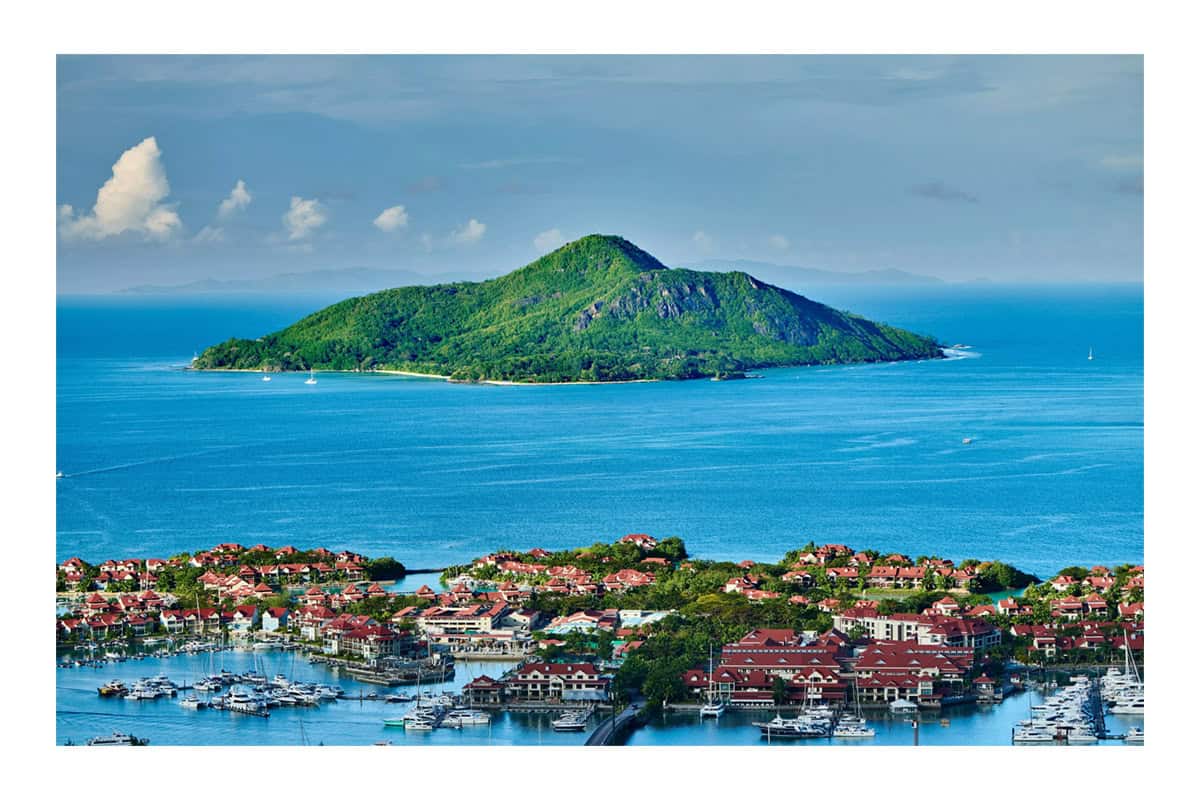
While the rest of the world’s tourism and travel industry has faced multiple challenges, Seychelles has defied the odds in 2026. In the first half of the year, a number of international air transit hubs were closed due to various reasons, including wars and conflicts. As an island nation, Seychelles depends on international air transit to connect it with the rest of the world, and as a result, suffered a significant drop in tourist arrivals. However, Seychelles pivoted and successfully reoriented itself to other source markets, and, as a result, recorded its best tourism arrivals in four years in August. The Middle East and Africa drove this growth. The UAE was the leading country of origin for reconversion, and South Africa was the leading country of origin for conversion.
Background: Navigating the Complexities of Global Travel in Early 2026
The trajectory of Seychelles tourism in 2026 has been a compelling study in economic resilience, geographical vulnerability, and strategic adaptation. The year commenced with a complex set of global circumstances that severely tested the foundation of the island nation’s most critical economic sector. Geopolitical tensions in the Middle East led to widespread airspace closures, significantly disrupting operations at major aviation hubs such as Dubai and Doha. These hubs are historically vital transit points for European travellers en route to the Indian Ocean. Consequently, the Seychelles experienced a sharp, double-digit decline in international arrivals during the first quarter of the year.
The immediate fallout was palpable across the hospitality sector. According to data released by the National Bureau of Statistics, the initial months were particularly challenging. While January and February saw modest increases of 7.2% and 14.8% respectively, the impact of aviation disruptions struck hard in the subsequent months. March witnessed a staggering 37.2% year-on-year drop in arrivals, followed by a severe 28.4% decline in April. May and June continued the downward trend, registering decreases of 3.4% and 24.8%. These statistics painted a sobering picture for an economy that relies heavily on foreign exchange generated by international visitors, prompting a rapid reassessment of traditional marketing strategies and source market dependencies.
Geopolitical Disruptions and Their Immediate Impact
The early-year slump underscored the inherent vulnerability of relying too heavily on single geographic regions for tourist influx. Europe, which typically accounts for over 60% of all arrivals to the archipelago, saw a noticeable retreat as longer flight times, increased airfares, and general travel uncertainty dampened demand. However, this period of adversity acted as a catalyst for a profound structural shift within the Seychelles tourism industry. It accelerated efforts to diversify the visitor base, pivot towards emerging markets, and capitalise on regional proximity. By mid-year, the strategic realignment began to yield significant dividends, setting the stage for a historic resurgence in the latter half of 2026.
Advertisement
Advertisement
Latest Official Developments: A Historic August Rebound
August 2026 emerged as a watershed moment for the local hospitality industry, fundamentally altering the narrative of the year. Rebounding with extraordinary vigour, the Seychelles recorded its strongest August for visitor arrivals in at least four years. Official figures confirmed that 34,987 visitors arrived in the country during the month, representing a robust 14.1% increase compared to the 30,667 arrivals registered in August 2025. This spectacular performance followed a modest but vital 1.8% year-on-year rise in July, marking the second consecutive month of positive growth and effectively ending the early-year slump.
This resurgence was not a spontaneous anomaly but the result of targeted interventions by the national tourism authorities and strategic partnerships with regional airlines. Improved air access and additional capacity from emerging and non-traditional hubs were central to this performance. The sudden influx of visitors injected renewed optimism into the local economy, benefiting hoteliers, tour operators, and ancillary service providers. The data demonstrated that while the traditional European markets were slowly stabilising, the real momentum was being generated by alternative source markets that had previously been under-utilised.
Advertisement
Advertisement
The Statistical Resurgence Explained
To fully understand the magnitude of this rebound, one must look at the cumulative data. By the end of August 31, 2026, the year-to-date arrivals stood at 232,970 visitors. While this remained approximately 8.3% below the 254,142 visitors recorded during the corresponding period in 2025, the gap was closing rapidly. The 2026 cumulative total managed to surpass the figures for the first eight months of both 2024 (230,299) and 2023 (229,205). The latest updates from the National Bureau of Statistics further indicate that by week 38 in late September 2026, the year-to-date figure reached 252,524 visitors, confirming that the upward trajectory initiated in July and August was being sustained as the destination approached its peak season.
The Strategic Role of the United Arab Emirates
A critical factor in the recovery of Seychelles tourism in 2026 has been the elevated role of the United Arab Emirates. The UAE has evolved from being primarily a transit nexus for European and Asian travellers into a standalone powerhouse source market. The proximity of the UAE, coupled with frequent, direct, and high-quality air connectivity provided by carriers such as Emirates and Etihad, has made the Seychelles a preferred short-haul destination for affluent expatriates and Emirati nationals.
Advertisement
Advertisement
The appeal of the Seychelles to the UAE market lies in its pristine environment, privacy, and luxury offerings, which align perfectly with the preferences of high-net-worth individuals residing in the Gulf. Furthermore, the absence of visa restrictions and the alignment of time zones make it an incredibly convenient choice for spontaneous luxury getaways. Throughout 2026, targeted marketing campaigns in Dubai and Abu Dhabi successfully highlighted the exclusive, barefoot luxury of the archipelago, ensuring that the destination remained top-of-mind for affluent Middle Eastern demographics.
Emirati Residents and the Rise of the Repeat Traveller
Perhaps the most fascinating data point to emerge in 2026 is the exceptionally high rate of repeat visitations from the UAE. According to regional tourism analyses, the UAE provided the highest number of Middle Eastern repeat tourists in the third quarter of the year. In July 2026 alone, Emirati residents constituted the largest group of returning travellers, with nearly 400 repeat visitors recorded in a single month. This trend of brand loyalty is invaluable to the Seychelles. Repeat visitors typically demonstrate a higher average daily spend, are more likely to bypass traditional intermediary booking platforms, and often venture beyond the main island of Mahé to explore exclusive resorts on Praslin, La Digue, and the outer atolls. Cultivating this loyal base has become a cornerstone of the nation’s modern tourism strategy.
Africa’s Stellar Performance: South Africa Leads the Charge
In a year characterised by shifting global travel patterns, the African continent emerged as the undeniable star performer for the Seychelles. Regional data indicates that Africa was the only global region to record positive year-to-date growth by the end of August 2026. Total arrivals from the continent surged by 9.1%, climbing from 17,216 visitors in the first eight months of 2025 to 18,788 in 2026.
At the vanguard of this regional surge is the South African market. South Africa has traditionally been a strong partner for the Seychelles, but 2026 saw an intensification of this relationship. Enhanced direct flight connectivity and tailored promotional efforts aimed at South African couples, honeymooners, and families yielded phenomenal results. For South Africans, the Seychelles offers an idyllic, safe, and accessible tropical escape that avoids the complex visa requirements and long-haul fatigue associated with European or American destinations.
Advertisement
Advertisement
Expanding Beyond Traditional Demographics
The growth out of Africa is not limited solely to South Africa. The statistics highlight a broadening of the visitor base to include expanding economies such as Nigeria and Tanzania. The emergence of the Nigerian upper-middle class as a viable outbound tourism market has provided the Seychelles with a fresh pipeline of high-spending visitors. By strategically tapping into these rapidly developing African economies, the Seychelles is insulating itself against economic downturns in the Northern Hemisphere. This intra-African tourism growth aligns perfectly with broader continental initiatives aimed at fostering economic integration and cultural exchange across African borders.
Government Announcements and Strategic Market Diversification
The impressive turnaround observed in the latter half of 2026 was heavily supported by decisive government policy and strategic pivoting by tourism authorities. The Seychelles Tourism Board recognised early in the year that reliance on legacy markets was a vulnerability. In response, they launched a comprehensive diversification programme designed to protect core European markets while simultaneously accelerating growth in underperforming and highly promising emerging markets.
Official government announcements throughout the year have emphasised the necessity of this balanced approach. High-level delegations have been dispatched to key travel trade fairs across the Middle East, Asia, and Africa to forge new airline partnerships and strengthen relationships with international tour operators. These diplomatic and commercial missions have directly resulted in increased flight frequencies and new charter operations, which were pivotal in facilitating the August arrival surge.
Leadership Insights and the Path Forward
Statements from senior tourism officials have underscored a pragmatic yet highly optimistic view of the sector’s trajectory. Vesna Rakić, the Tourism Board Chief Executive, highlighted that the remarkable results achieved in July and August serve to reinforce confidence in the destination’s recovery, whilst simultaneously underscoring the need for a balanced and realistic assessment of global conditions. Rakić noted that the explicit priorities for the remainder of the year are to safeguard traditional European strongholds, fiercely target recovery in areas affected by early-year disruptions, and selectively nurture high-potential growth territories like Turkey, China, and the broader Middle East.
Analysing the Statistics: Earnings Over Volume
One of the most consequential narratives surrounding Seychelles tourism in 2026 is the decoupling of total visitor volume from overall tourism revenue. While the total number of arrivals remained marginally below the record-setting pace of 2025, tourism earnings actually increased. Official financial data revealed that between January and July 2026, tourism earnings rose by an impressive 4.7%.
This phenomenon is a direct vindication of the government’s long-standing policy of pursuing “value over volume.” By targeting high-net-worth individuals, promoting premium eco-resorts, and encouraging bespoke travel experiences, the Seychelles has successfully increased the per capita expenditure of its visitors. The influx of affluent Middle Eastern repeat tourists and the strong performance of luxury segments from the Russian and South African markets have been instrumental in driving up the average daily spend on accommodation, fine dining, and exclusive excursions.
Advertisement
Advertisement
Why the Average Length of Stay Matters
Complementing the rise in earnings is a subtle but economically significant increase in the average length of stay. The statistical data indicates that the average visitor duration increased slightly from 9.3 nights to 9.4 nights over the first seven months of the year. In a high-end destination like the Seychelles, even a fractional increase in the length of stay translates into millions of dollars in additional revenue for the local economy. Visitors staying longer are more likely to engage in inter-island hopping, hire private charters, patronise local artisans, and utilise bespoke wellness and spa services, thereby distributing wealth more deeply into the community.
The Russian Market Anomaly
While the broader European market experienced a general contraction—with year-to-date arrivals falling by 8.2%—the Russian market proved to be an extraordinary anomaly. Defying geopolitical and economic headwinds, Russia solidified its position as the absolute leading source market for the Seychelles in 2026. Furthermore, it was the only top 10 market to record explosive growth, surging by a remarkable 27% compared to the previous year.
This sustained Russian interest is largely attributed to the availability of direct flight connections and the Seychelles’ continued policy of maintaining open and welcoming borders for Russian nationals. The Russian demographic visiting the archipelago predominantly consists of ultra-high-net-worth individuals who exhibit a preference for extended stays in five-star accommodations, private villa rentals, and exclusive yacht charters. Their outsized financial contribution has been a critical stabilising force for the national economy during the turbulence of early 2026.
Emerging Markets Offering New Avenues of Growth
Beyond Russia and the UAE, the Seychelles tourism authorities have successfully cultivated several smaller, high-potential emerging markets. Official data highlights encouraging growth trajectories from countries such as Turkey, China, the Czech Republic, Slovakia, and Congo (Brazzaville). The deliberate targeting of Eastern Europe and specific Asian corridors is creating a highly diversified portfolio of source markets. This diversification ensures that if one geographic region experiences an economic downturn or aviation disruption, the overall tourism industry remains buoyant, supported by an array of alternative incoming demographics.
Policy Implications for the Aviation and Tourism Sectors
The fluctuations in Seychelles visitor arrivals throughout 2026 have profound implications for national aviation policy. The early-year shocks demonstrated that the nation’s economic lifeblood is intrinsically linked to the operational stability of foreign aviation hubs. Consequently, the government has intensified its efforts to secure bilateral air service agreements that guarantee a wider array of direct routes bypassing volatile transit zones.
Collaborations with regional carriers have been strengthened, and there is a renewed push to incentivise airlines to increase flight frequencies during shoulder and peak seasons. The policy objective is clear: to build a robust, shock-resistant aviation network that can seamlessly reroute capacity in response to geopolitical or economic crises in specific regions.
Advertisement
Advertisement
Strengthening Middle Eastern and Regional Air Links
The success of the UAE market is a testament to the power of flawless air connectivity. Recognising this, policymakers are aggressively courting other Middle Eastern carriers to expand their footprints in the Seychelles. Simultaneously, efforts to bolster intra-African connectivity are being accelerated. The introduction of new routes or increased frequencies from East and Southern African hubs is viewed as a strategic imperative to sustain the remarkable 9.1% growth achieved in the African market. Reliable air bridges are the physical infrastructure upon which the entire tourism diversification strategy rests.
Industry Impact: Hospitality and Local Businesses
The changing demographics of the 2026 visitor base have required rapid adaptation from the local hospitality sector. Hotels, resorts, and tour operators have had to pivot their service offerings to meet the specific cultural, culinary, and experiential preferences of the rising Middle Eastern, Russian, and South African markets.
For the Middle Eastern demographic, this has meant an increased demand for privacy, family-centric villas, halal dining options, and bespoke concierge services. South African visitors often seek high-quality active holidays, including world-class diving, deep-sea fishing, and nature-based exploration. The local industry has responded with remarkable agility, expanding their linguistic capabilities, diversifying their culinary menus, and curating specialised excursion packages that cater directly to these lucrative demographics.
Adapting to the Needs of the Modern Traveller
Local businesses, from artisanal craft vendors in Victoria to independent boat operators on Praslin, have also felt the positive impacts of the August resurgence. The shift towards longer stays and higher daily expenditures means that independent businesses are capturing a larger share of the tourism dollar. Furthermore, the modern repeat visitor is highly interested in authentic, community-based experiences, driving demand for local Creole culinary tours, heritage walks, and sustainable conservation activities.
Economic Implications for the Archipelagic Nation
Tourism is the absolute cornerstone of the Seychelles economy, directly and indirectly contributing to a massive proportion of the Gross Domestic Product (GDP). The ability of the sector to weather the severe storms of early 2026 and post an increase in overall tourism earnings is an economic triumph. These earnings are crucial for maintaining the country’s foreign exchange reserves, which in turn stabilise the Seychelles Rupee, control domestic inflation, and fund vital public services including healthcare and education.
The resilience demonstrated by the tourism sector in 2026 provides the Central Bank of Seychelles and the Ministry of Finance with a stable fiscal foundation. The increase in revenue despite a slight dip in overall volume is the ideal economic scenario, allowing the nation to maximise financial returns while minimising the infrastructural and environmental wear and tear associated with mass tourism.
Advertisement
Advertisement
Sustaining Foreign Exchange Reserves
The influx of hard currency from high-spending demographics like the UAE and Russia ensures that the Seychelles can comfortably meet its international import obligations. As a small island developing state (SIDS) that imports a vast majority of its consumable goods, the continuous flow of tourism-derived foreign exchange is a matter of national economic security. The strategic shift towards high-yield markets guarantees that the economic engine of the nation remains well-fuelled, regardless of minor fluctuations in overall headcounts.
Sustainability as a Core Pillar: Protecting the Natural Asset
Amidst the pursuit of economic recovery, the Seychelles government remains fiercely committed to environmental sustainability. The fundamental premise of Seychelles tourism in 2026 is that the archipelago’s pristine environment is its primary economic asset. The strategy of pursuing higher yields rather than exponential volume growth is intrinsically linked to conservation. By limiting the sheer number of visitors while maximising their financial contribution, the Seychelles mitigates the environmental impact on its fragile coral reefs, endemic forests, and protected marine reserves.
Ecotourism and High-Value Conservation
The modern traveller, particularly those from the South African and European markets, is increasingly eco-conscious. The Seychelles has positioned itself as a global leader in sustainable luxury tourism. Revenue generated from tourism is aggressively reinvested into conservation projects, such as the protection of the Aldabra giant tortoises, coral reef restoration initiatives, and the maintenance of UNESCO World Heritage sites like the Vallée de Mai. This commitment to sustainability is not merely an ethical stance; it is a highly effective marketing tool that attracts the lucrative demographic of responsible, high-net-worth travellers who demand environmental stewardship from their chosen destinations.
The Evolution of Niche Travel Segments
To maintain its competitive edge in the Indian Ocean, the Seychelles has heavily promoted niche travel segments throughout 2026. Wellness tourism has seen exponential growth, with luxury resorts offering immersive retreats combining traditional spa therapies with indigenous Creole healing practices. This segment is particularly popular among the Middle Eastern repeat tourists seeking holistic rejuvenation in a secluded, pristine environment.
Wellness Retreats and the Digital Nomad Surge
Additionally, the rise of the affluent digital nomad has provided a new revenue stream. While the Seychelles is primarily a leisure destination, the government has facilitated long-term stays for remote workers seeking an unparalleled work-life balance. Upgraded telecommunications infrastructure and tailored long-stay visa programmes have attracted a niche group of global professionals who contribute steadily to the local economy over extended periods, further boosting the average length of stay and insulating the economy against short-term seasonal fluctuations.
A Comparative Perspective: Seychelles in the Indian Ocean Context
When compared to regional competitors such as the Maldives and Mauritius, the performance of the Seychelles in 2026 highlights its unique market positioning. While all three island nations faced similar geopolitical and aviation headwinds, the Seychelles distinguished itself through its rapid diversification and unparalleled ecological appeal.
Advertisement
Advertisement
Unlike the Maldives, which is heavily reliant on the “one island, one resort” model, the Seychelles offers a diverse, multi-island experience that encourages exploration, cultural engagement, and varied topographical adventures from the granitic peaks of Mahé to the flat coral atolls. This diversity is exactly what attracts the South African market, which highly values dynamic, activity-rich holidays over purely stationary beach resorts.
Distinguishing the Seychelles Offering
Furthermore, the Seychelles has successfully avoided the pitfalls of mass tourism that occasionally threaten to dilute the exclusivity of other regional destinations. By strictly regulating hotel developments and enforcing stringent environmental building codes, the destination has preserved the aura of untouched paradise. This exclusivity is the primary driver behind the 4.7% increase in tourism earnings and the enduring loyalty of the repeat visitor demographic.
Future Outlook for the Final Quarter of 2026
As the Seychelles enters the final quarter of 2026, the outlook is overwhelmingly positive. The historic momentum generated in August is expected to carry through the traditional peak season of November and December. Forward bookings from the UAE, Russia, and South Africa remain exceptionally strong. Moreover, the stabilisation of the European market, combined with aggressive marketing in emerging Asian and Eastern European territories, suggests that the destination is on track to close the year with highly robust financial figures.
Anticipating Continued Growth and Consolidation
The strategic pivots made by the Tourism Board Chief Executive and industry stakeholders in early 2026 have fundamentally fortified the sector. The destination is now less vulnerable to the economic or political machinations of any single region. By mastering the delicate balance between environmental conservation and economic expansion, and by successfully cultivating a highly lucrative base of repeat travellers, the Seychelles has not only recovered from early-year shocks but has set a new global benchmark for sustainable, high-yield island tourism. The continuous evolution of this dynamic sector ensures that the islands will remain a premier, aspirational destination for decades to come.
Advertisement
