
US Leads Canada and Mexico as Inflight WiFi Breakthrough Sparks a Game Changing Tourism Boom Across North America

Updated
Published
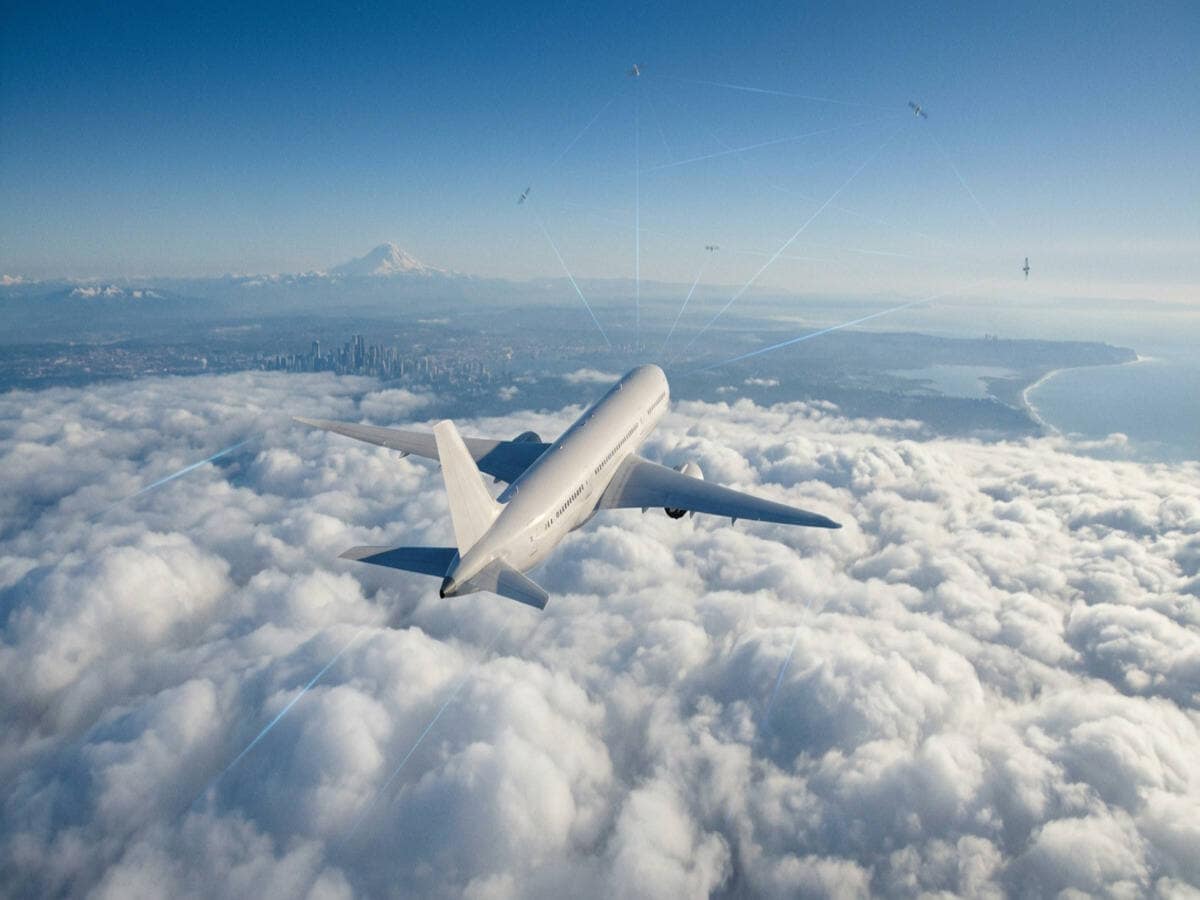
Image generated with Ai
USA is outshining both Canada and Mexico due to the rapidly growing fleet and availability of free Inflight WiFi on board aircraft. This development is making flying more comfortable and providing tourism with additional chances to flourish in North America. Passengers will be able to remain in touch with their friends and families, plan their excursions and communicate about their adventures prior to reaching their destination.
The global inflight internet connectivity market is expected to rise from $3.32 billion in 2025 to $3.74 billion in 2026. The market could reach $5.92 billion by 2030. North America held the largest regional share in 2025.
That growth is changing what passengers can do in the sky. Travellers can work, stream, message, research destinations and even make travel bookings before landing.
US Takes a Powerful Lead in the Inflight WiFi Race
The US has moved to the front of the connected flying revolution.
Advertisement
Advertisement
American Airlines started rolling out free high-speed WiFi for AAdvantage members in January 2026. The airline says the service will cover more than two million flights each year. More than 900 of its mainline aircraft already have high-speed satellite WiFi.
Delta is also pushing hard.
Advertisement
Advertisement
By May 2026, Delta Sync WiFi had reached more than 1,200 aircraft worldwide. Passengers had already recorded more than 160 million sessions since the service launched. Coverage extends across much of Delta’s international network.
This scale places the US at the heart of the North American inflight WiFi boom.
Advertisement
Advertisement
United Airlines Pushes Starlink Deeper Into American Aviation
United Airlines is adding another powerful force to the US connectivity race.
The airline reported during 2026 that more than 450 aircraft already offered Starlink. It expected that number to approach 1,000 aircraft by the end of the year.
United also started bringing Starlink to widebody international aircraft. Nearly 60 widebody planes were expected to receive the technology during 2026.
This matters for tourism.
Advertisement
Advertisement
International passengers often spend many hours onboard. Fast internet lets them research hotels, restaurants, attractions and local transport during the flight.
The aircraft no longer needs to be a digital dead zone.
It can become part of the holiday itself.
Canada Turns Free WiFi Into a Strong Tourism Advantage
Canada is building its own position in this fast-moving market.
Air Canada offers fast, free, streaming-quality WiFi on equipped flights within North America and to selected leisure destinations.
Aeroplan members can browse, stream and stay connected from gate to gate. Air Canada also plans to extend complimentary connectivity to its long-haul international network during 2026.
Advertisement
Advertisement
The airline says it wants fast and free connectivity across its fleet.
That could have an important tourism impact.
Canada has large domestic distances. It also depends heavily on air links connecting Canadian cities with the US, Mexico, the Caribbean, Europe and Asia.
Better internet can make those journeys easier and more enjoyable.
Mexico Joins the Connected Skies Revolution
Mexico does not yet match the huge US rollout, but it is becoming part of the same change.
Aeroméxico promotes onboard WiFi on its Boeing 737 MAX aircraft. Passengers can browse the internet and stream music and video during the journey.
Advertisement
Advertisement
That development matters because Mexico is one of North America’s major leisure destinations.
Millions of travellers fly to beach resorts, cities and cultural destinations.
Inflight internet gives these passengers more time to prepare.
Someone approaching Mexico can search for a restaurant. Another traveller can arrange an airport transfer. Families can find attractions. Visitors can change hotel plans.
That activity can happen before the aircraft lands.
Connected Flights Can Turn Flying Time Into Holiday Planning Time
The biggest tourism opportunity may come from what passengers do with the internet.
Advertisement
Advertisement
People already use smartphones through almost every stage of travel.
IATA found that 78% of passengers want a smartphone that combines their digital wallet, passport and loyalty cards. Travellers increasingly use mobile devices for booking, payment and travel management.
Inflight WiFi simply keeps that digital journey alive.
A passenger travelling to New York can book a Broadway experience.
Someone flying towards Miami can reserve a hotel activity.
A visitor heading for Toronto can check train options.
Advertisement
Advertisement
A passenger approaching Cancún can book a tour.
The cabin can therefore become a new tourism marketplace.
Better WiFi Could Make Long Haul Travel More Attractive
Passengers increasingly care about staying connected.
Viasat’s global passenger research found that 75% of passengers would be more likely to select or rebook an airline if quality inflight WiFi was available.
Even more striking, 22% said they would not consider a long-haul flight with an airline that offered no connectivity.
This does not mean WiFi alone creates tourism growth.
Advertisement
Advertisement
Airfares still matter. Visas matter. Flight routes matter. Safety and destination appeal remain essential.
However, good WiFi can make the journey less difficult.
That is especially important on long international routes.
Passengers can remain connected to work and family. They can watch entertainment. They can organise their trip.
Distance can feel smaller.
Free WiFi Could Become a New Battle for Airline Loyalty
The next competition may not be about whether an aircraft has WiFi.
Advertisement
Advertisement
It may be about whether that WiFi is fast and free.
American Airlines is connecting free internet with AAdvantage membership. Delta links connectivity with SkyMiles. Air Canada uses Aeroplan.
These systems turn WiFi into more than a cabin feature.
They make it part of the airline’s loyalty strategy.
That matters for tourism because loyalty can influence future journeys.
A passenger who enjoys a smoother digital flight may choose the same airline again. That airline may then take them to another destination.
Advertisement
Advertisement
Connectivity can therefore support repeat travel indirectly.
North America’s Connected Skies Could Open a New Tourism Economy
The real breakthrough is bigger than streaming a film at 35,000 feet.
Inflight WiFi is creating extra hours when travellers can research, communicate, book and spend.
Hotels can gain late reservations. Attractions can sell tickets. Restaurants can secure bookings. Transport companies can reach arriving passengers. Tourism boards can inspire travellers before they even leave the aircraft.
The US currently stands at the front of this North American shift. Canada is expanding fast. Mexico is building its connected-flight offering.
The tourism effect should not be exaggerated. There is still no authoritative figure showing exactly how many extra tourists inflight WiFi alone creates.
Advertisement
Advertisement
Yet the direction is clear.
As connected aircraft spread across North America in 2026, the hours between take-off and landing are becoming part of the tourism economy.
inflight WiFi is transforming into much more than an amenity that passengers can use during flights. The technology is ensuring connectivity and even making possible last minute arrangements as well as expenditures while still in mid-air. This technology has been developed at an impressive pace in the USA whereas there have been developments in Canada and Mexico. With fast and free internet becoming available on more flights, North America may experience a new era of tourism based on inflight services.
Advertisement
