
Kazakhstan Accelerates Ski and Eco-Tourism Development with New Mountain Projects

Published
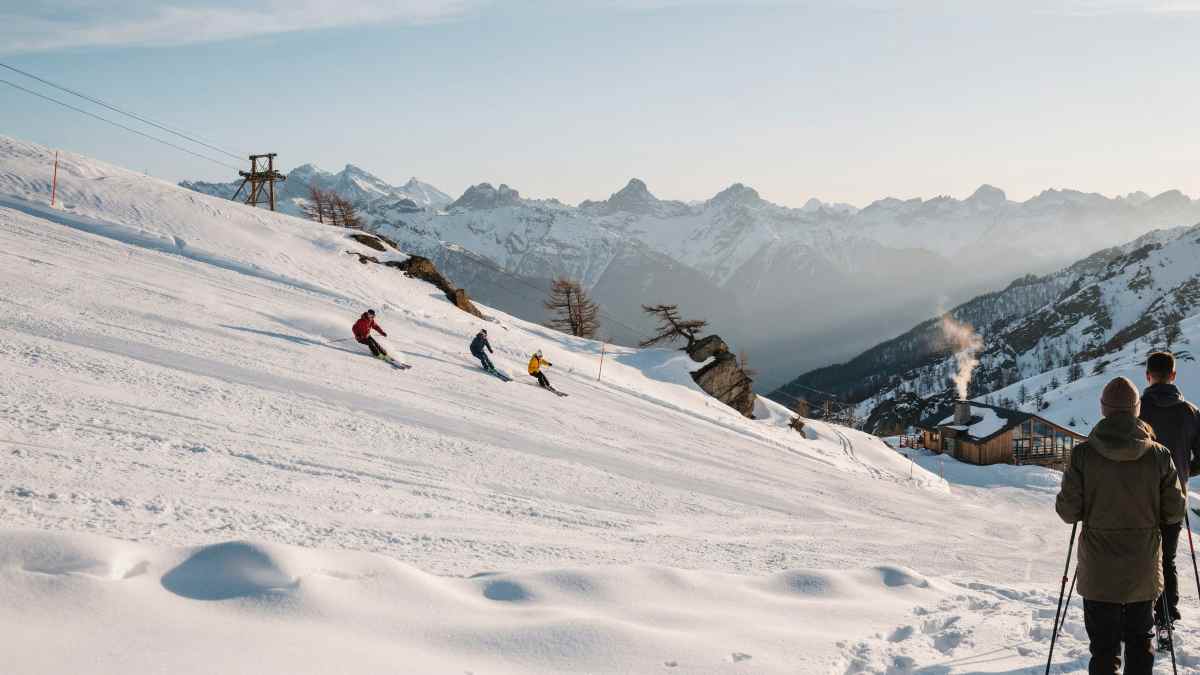
Image generated with Ai
Major tourism infrastructure and conservation initiatives aimed at increasing access to mountains and strengthening winter sports and year-round nature tourism are currently underway in Almaty and Kazakhstan. The “Almaty Superski” integrated infrastructure project is underway, which is set to link up the local ski domains in order to increase winter sports access. Moreover, the country of Kazakhstan is increasing the area of wilderness protected under the national conservation programme with a target of adding 20,000 square kilometres of protected lands by 2035. In addition to this, the eco-tourism infrastructure in the area of internationally recognised destinations such as Charyn Canyon, Kolsay lakes, and the Altai mountain range will be improved.
Almaty Superski Expands Mountain Tourism Network
The Almaty Superski project is being developed as an integrated mountain tourism infrastructure initiative designed to connect existing ski areas around Almaty. The planned network is intended to improve access between ski domains while creating a broader destination for winter sports and alpine activities.
For visitors, the development could provide access to a more extensive mountain environment rather than concentrating tourism around individual ski facilities. The project incorporates infrastructure designed for both winter and summer use, supporting skiing and snow-based recreation during the colder months alongside hiking and other mountain activities during warmer periods.
Almaty’s proximity to the Tian Shan mountain system already makes the city an important gateway for mountain-based travel in southeastern Kazakhstan. Improved connections between mountain recreation areas can increase the range of experiences available to visitors travelling through the region.
Advertisement
Advertisement
The all-season focus also supports longer tourism periods beyond the traditional ski season. Alpine hiking, mountain sightseeing and outdoor recreation can provide additional reasons for travellers to visit during spring, summer and autumn.
Advertisement
Advertisement
Ski Tourism Gains Greater Infrastructure Focus
Kazakhstan’s mountain landscapes provide conditions for developing ski tourism as part of the country’s wider international tourism offering. The Almaty area is particularly significant because mountain destinations can be reached from a major urban centre, allowing visitors to combine city tourism with outdoor activities.
The Superski development is focused on integrated infrastructure, with connected mountain areas forming part of a larger recreational network. This approach can support a wider selection of skiing and snow-related activities while improving the overall accessibility of mountain destinations.
The expansion of mountain infrastructure also creates opportunities for tourism businesses connected to accommodation, transport, equipment rental, guiding, food services and outdoor recreation. As facilities develop, travellers can access a broader tourism ecosystem around the mountain areas.
Advertisement
Advertisement
For international visitors, Almaty can therefore function as a base for combining cultural and urban experiences with skiing, hiking and nature tourism in surrounding mountain destinations.
Kazakhstan Expands Protected Wilderness
Alongside mountain tourism infrastructure, Kazakhstan is progressing with a long-term conservation programme to add 20,000 square kilometres of protected wilderness by 2035. The expansion is linked to the protection of natural landscapes while supporting the development of controlled eco-tourism.
Advertisement
Advertisement
Protected areas around major natural attractions are increasingly important to Kazakhstan’s tourism offering. Charyn Canyon, Kolsay Lakes and the Altai range provide different landscapes and outdoor experiences, from canyon exploration and lake-based sightseeing to mountain hiking and wildlife-focused travel.
Upgrades to eco-tourism trails and visitor facilities are intended to improve access to these destinations while supporting tourism within protected natural environments. Better-developed trails can provide structured routes for visitors and help direct tourist activity through designated areas.
The conservation programme also places Kazakhstan’s natural landscapes within a broader tourism framework in which protected wilderness can support recreation, sightseeing and educational travel.
Charyn Canyon and Kolsay Lakes Strengthen Nature Tourism
Charyn Canyon is one of Kazakhstan’s most distinctive natural attractions, featuring extensive canyon landscapes that provide opportunities for sightseeing, hiking and photography. Infrastructure improvements around eco-tourism destinations can make visits more accessible while supporting organised visitor movement through sensitive environments.
Kolsay Lakes provide another major nature tourism destination, with mountain lakes surrounded by the landscapes of southeastern Kazakhstan. Hiking and outdoor recreation are central to the visitor experience, while improved tourism facilities can support longer and more structured visits.
Advertisement
Advertisement
Further east, the Altai range provides a different mountain environment for travellers seeking hiking, wilderness experiences and nature-based activities. The region’s extensive landscapes add geographical diversity to Kazakhstan’s growing eco-tourism network.
Year-Round Tourism Across Kazakhstan’s Mountains
Ski infrastructure and protected area development are creating more comprehensive tourism options in Kazakhstan’s mountain region through all seasons. The Superski project in Almaty focuses on integrating winter and summer mountain activities, while the country’s conservation efforts are improving access to protected areas. The projects allow tourists to experience the variety of Kazakhstan’s regions through skiing, hiking, canyon tours, lake tours, and wilderness tourism. They are also increasing the number of destinations for tourists by bringing together natural landmarks and tourism facilities. As Kazakhstan plans to develop protected wilderness until 2035 and mountain infrastructure around Almaty continues to develop, it builds up the network of destination points for winter sports, outdoor activities and nature tourism.
Advertisement
