
Saudi Arabia Achieves Historic Tourism Leap As Kingdom Rises To 29th Among World’s Top Destinations

Published
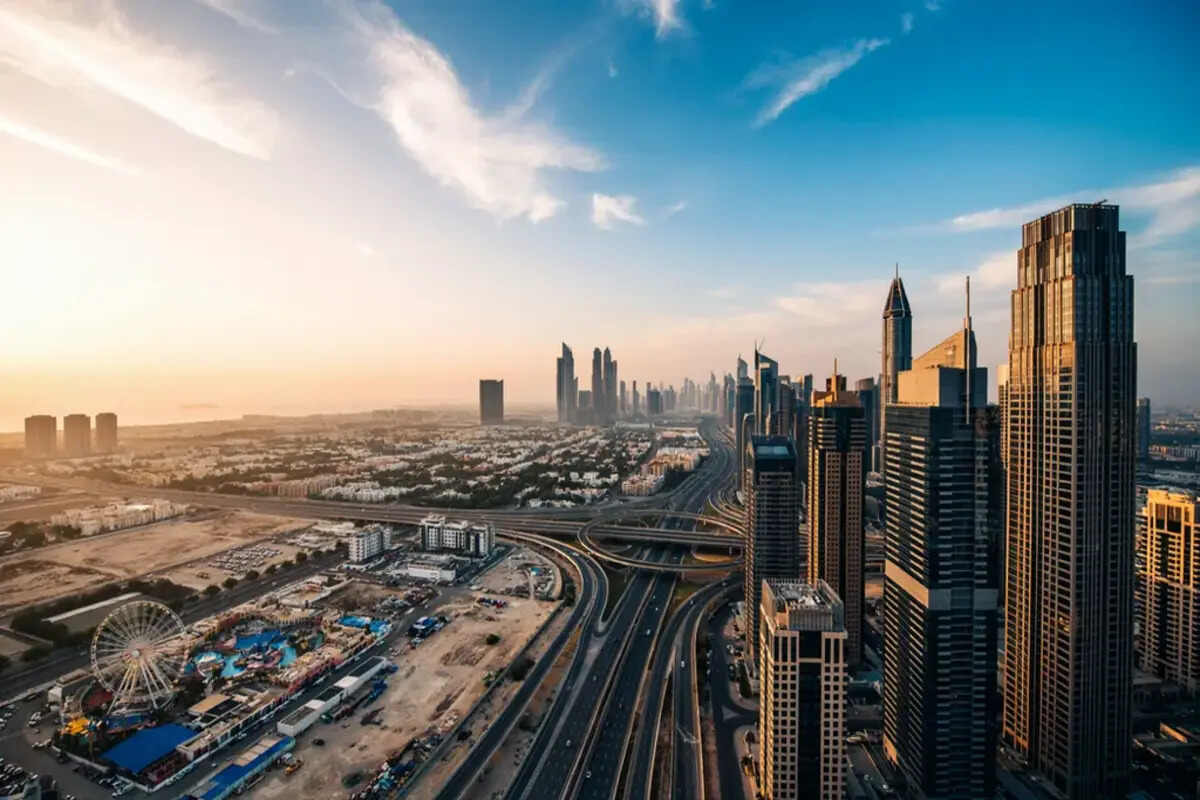
Image generated with Ai
Saudi Arabia Soars As Tourism Powerhouse Climbs To 29th In Global Travel Development Index Worldwide Saudi Arabia has strengthened its position as a rising global tourism destination after climbing three places in the World Economic Forum’s 2026 Travel & Tourism Development Index (TTDI), ranking 29th worldwide. The improvement reflects the Kingdom’s rapid tourism transformation, supported by major investments, expanding infrastructure and the ambitious goals of Vision 2030.
The latest ranking marks another milestone in Saudi Arabia’s journey to become one of the world’s leading tourism markets. The Kingdom has moved up 17 places since 2019, highlighting the speed of its tourism sector development and the growing importance of travel as part of its economic diversification strategy.
Advertisement
Advertisement
Saudi Arabia has already exceeded its initial target of attracting 100 million tourists and has increased its ambition to welcome 150 million visitors annually by 2030. According to tourism figures, the country recorded approximately 123 million domestic and international visitors in 2025, showing strong demand for its expanding tourism offerings.
Saudi Arabia strengthens global tourism position through Vision 2030 expansion
The rise in the global tourism ranking reflects Saudi Arabia’s continued focus on building a competitive tourism ecosystem. Under Vision 2030, the Kingdom has placed tourism at the centre of economic growth plans, creating new opportunities across hospitality, entertainment, culture and destination development.
Advertisement
Advertisement
Over recent years, Saudi Arabia has introduced a wide range of tourism projects designed to attract international travellers and increase the diversity of visitor experiences. These developments include heritage destinations, luxury tourism projects, cultural attractions and nature-based travel opportunities.
The country has also focused on improving tourism infrastructure, including transport networks, accommodation capacity and visitor services. These improvements have helped strengthen Saudi Arabia’s ability to host larger numbers of travellers from different global markets.
Advertisement
Advertisement
The growth of tourism has also supported wider economic goals by encouraging investment, creating employment opportunities and increasing the contribution of travel-related activities to the national economy.
Gulf destinations maintain strong presence in global tourism rankings
Saudi Arabia’s progress comes as several Gulf countries continue to improve their tourism sectors and expand their global appeal. In the 2026 TTDI ranking, the United Arab Emirates secured 22nd place worldwide, while Qatar ranked 47th and Bahrain placed 55th.
Advertisement
Advertisement
The results highlight the growing importance of the Middle East as an international tourism region. Countries across the Gulf have invested heavily in airports, hotels, attractions and tourism services to strengthen their position in the competitive global travel market.
Saudi Arabia’s improved ranking places the Kingdom among the region’s fastest-growing tourism destinations, supported by large-scale development plans and increasing international awareness.
The country’s tourism strategy has increasingly focused on attracting visitors interested in culture, history, adventure, entertainment and luxury experiences, creating a broader tourism identity beyond traditional travel patterns.
Japan leads 2026 global Travel and Tourism Development Index
Japan achieved the highest position in the 2026 Travel & Tourism Development Index, followed by the United States, Spain and Australia. France, Germany, the United Kingdom, China, Switzerland and Italy completed the top 10 global rankings.
Advertisement
Advertisement
The results show the continued strength of established tourism economies that benefit from advanced infrastructure, strong international connectivity, diverse attractions and developed visitor services.
High-income economies dominated the top positions, with 19 of the top 20 performers supported by strong transport systems, business networks and favourable conditions for tourism growth.
However, the index also showed that tourism development improved across most countries. Out of the 110 economies assessed, 101 recorded better TTDI scores between 2024 and 2026.
Tourism infrastructure and connectivity drive worldwide growth
The global improvement in tourism performance was mainly linked to progress in cultural attractions, tourism infrastructure, visitor services and air connectivity.
Destinations worldwide have continued upgrading facilities and improving travel accessibility as international tourism demand continues to recover and expand.
Better connectivity has become a key factor in tourism competitiveness, allowing destinations to attract travellers from more international markets. Investments in airports, transport links and digital visitor services have become important drivers of tourism growth.
Advertisement
Advertisement
Saudi Arabia’s continued improvement reflects this global trend, with the Kingdom focusing on stronger connectivity, enhanced visitor experiences and modern tourism facilities.
Affordability and workforce shortages remain global tourism challenges
Despite overall progress, the WEF report highlighted several challenges affecting the future development of tourism. Affordability remains one of the biggest concerns for travellers and destinations, while investment gaps and workforce shortages continue to create pressure across the industry.
Rising costs, demand for skilled tourism professionals and the need for continued infrastructure investment remain important issues for governments and tourism organisations.
As global competition increases, destinations will need to balance growth with sustainable development, ensuring tourism expansion benefits economies while maintaining quality visitor experiences.
Saudi Arabia’s continued rise in the 2026 Travel & Tourism Development Index demonstrates the scale of its tourism transformation. With ambitious visitor targets, major investments and a long-term development strategy, the Kingdom is becoming an increasingly influential force in the global tourism landscape.
Advertisement
