
Forget Europe’s Hot Beaches, Interlaken, Zermatt and More Offer Epic Hiking, Cycling and Lake Escapes in 2026

Published
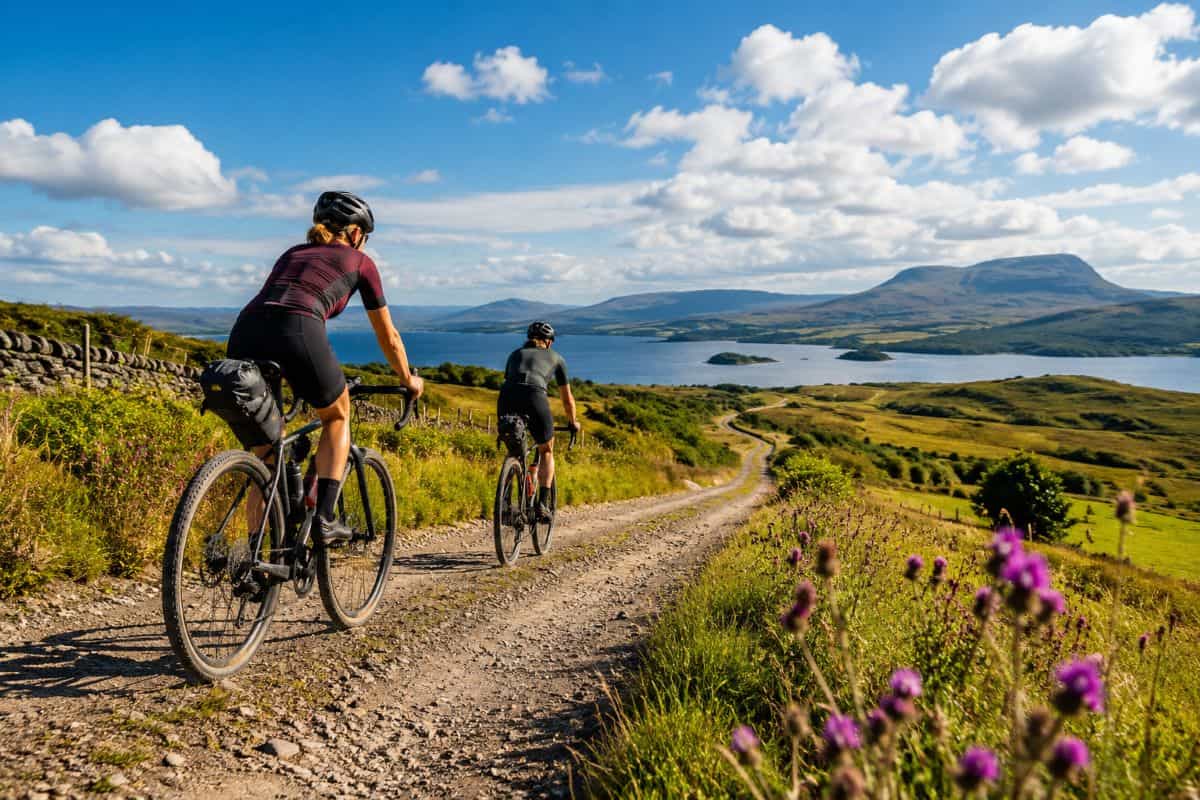
Forget Europe’s hot beaches and discover Interlaken, Zermatt and more for unforgettable 2026 escapes. Instead, travellers can explore dramatic Alps, scenic hiking trails, cycling routes and beautiful lakes. Moreover, Interlaken and Zermatt offer spectacular mountain adventures, while Switzerland adds countless outdoor experiences. Hiking, hiking and cycling holidays are gaining attention as travellers seek refreshing summer journeys. Therefore, Travel And Tour World urges readers to explore why Interlaken, Zermatt and more could redefine European travel in 2026. From alpine hiking and cycling to peaceful lake escapes, these destinations offer active adventures, stunning scenery and memorable summer experiences for travellers worldwide.
Discover Why Alpine Hiking and Cycling Are Reshaping Europe’s 2026 Summer Travel
Europe’s summer travel landscape is developing a stronger mountain focus in 2026. Travellers seeking outdoor experiences can look beyond traditional beach destinations toward the Alps, where Switzerland and France combine hiking, cycling, lakes, villages and high-altitude scenery.
The coolcation in Switzerland and France concept is particularly relevant for visitors who want active holidays surrounded by nature. Official tourism information from both countries shows the depth of their summer outdoor infrastructure, although travellers should always check local weather and mountain conditions before setting out.
Switzerland Offers 65,000 Kilometres of Hiking Trails
Switzerland provides an extensive network for travellers who want to explore the mountains on foot. Switzerland Tourism states that the country has around 65,000 kilometres of waymarked hiking trails, covering routes from straightforward walks to demanding Alpine terrain.
Advertisement
Advertisement
The network includes high-altitude routes, waterside walks, family trails and long-distance journeys. Switzerland Tourism also reports approximately 50,000 signposts and around 1,500 volunteers involved in maintaining the hiking network.
Long-distance hikers have several choices. The Jura Crest Trail takes about 15 days, while the challenging Alpine Passes Trail takes around 39 days and crosses 30 passes between Chur and Lake Geneva.
Advertisement
Advertisement
For travellers wanting shorter adventures, Switzerland also offers numerous panoramic and lakeside routes.
Cycling Adds Adventure Beyond the Hiking Trail
Switzerland’s summer offering extends beyond walking. Official tourism information promotes bicycle touring, road cycling and mountain biking across varied landscapes.
Advertisement
Advertisement
Visitors can combine cycling with lake activities, mountain railways and village visits. This makes Switzerland suitable for travellers who prefer flexible, multi-activity itineraries rather than a single-purpose holiday.
However, Alpine routes vary considerably in difficulty. Visitors should select trails according to experience, fitness and current conditions.
France Brings Major Alpine Routes and Lakes
France provides another strong option for an Alpine coolcation. France’s official tourism platform highlights the Alps for hiking, cycling, lakes and mountain villages.
The French Alpine region includes major lakes such as Annecy, Lake Geneva, Aiguebelette and Bourget. France’s tourism authority notes that some Alpine lake waters can reach around 25°C during summer, creating opportunities for swimming and watersports alongside hiking and cycling.
Advertisement
Advertisement
For cycling enthusiasts, the Route des Grandes Alpes is a major attraction. The route stretches approximately 720 kilometres between Thonon-les-Bains and Nice and crosses 17 mountain passes.
France Offers Options for Different Cycling Levels
Travellers do not need to be professional cyclists to explore the French Alps.
Official tourism information identifies approximately 5,610 kilometres of signposted cycle-tourism routes across Savoie and Haute-Savoie. Electric bicycles are also presented as an option for visitors who want to experience Alpine scenery with less physical strain.
The region also offers less demanding alternatives. The Les p’tites routes du soleil route provides an easier option between Lake Geneva and the Mediterranean.
2026 Adds Major Mountain Events
The French Alps also feature prominently on the 2026 sporting calendar.
France’s official tourism platform lists the Marmotte Granfondo Alpes from June 26–28, the Jumping International de Megève from July 10–19 and Super 8 at La Plagne from July 11–12. The UTMB Mont-Blanc is scheduled in Chamonix from August 24–30.
Advertisement
Advertisement
The 2026 Tour de France also brings cycling attention to the Alps. The July 25 stage finishes at Alpe d’Huez after a climb featuring 21 famous bends and 5,600 metres of positive elevation gain.
How Travellers Should Plan a Coolcation
For international visitors, the strongest attraction is flexibility. A single Alpine itinerary can combine hiking, cycling, swimming, scenic rail journeys and village exploration.
Travellers should nevertheless remember that mountain weather can change rapidly. Switzerland Tourism warns that Alpine hiking may involve snowfields, glaciers, scree and exposed terrain, with demanding routes requiring appropriate experience and equipment.
For a coolcation in Switzerland and France, therefore, preparation matters as much as destination choice. By selecting suitable routes and checking current conditions, travellers can turn Europe’s Alpine landscapes into an active, nature-focused alternative to conventional summer holidays.
Alpine Hiking and Cycling Destinations in Switzerland and France for a 2026 Coolcation
For travellers searching for a cooler, more active European summer, the Alps offer a compelling alternative to conventional beach holidays. Switzerland and France combine high mountains, lakes, villages, marked trails and cycling routes across a remarkably varied landscape. Official tourism sources identify extensive hiking and cycling opportunities in both countries, making the region particularly suitable for travellers who want to spend their holiday outdoors.
1. Interlaken, Switzerland
Interlaken is one of Switzerland’s strongest bases for an Alpine hiking and cycling holiday. The destination sits between Lake Thun and Lake Brienz in the Bernese Oberland and provides access to the surrounding Bernese Alps. Switzerland Tourism describes it as a major adventure-sports destination, with mountain villages, glaciers, lakes and mountain railways within reach.
Advertisement
Advertisement
For walkers, the area provides routes ranging from short lakeside excursions to more demanding mountain journeys. The official Swiss hiking database, for example, lists the Unterseener-Uferweg, a 5-kilometre route taking approximately 1 hour and 10 minutes. This gives less experienced visitors an accessible introduction to the landscape.
Cyclists can also use Interlaken as a starting point for exploring the wider region. The surrounding combination of lakes and mountains means visitors can build an itinerary around cycling, hiking, boat trips and mountain rail journeys. The destination’s connections by rail, road and mountain railway also make it practical for international travellers who do not want to depend entirely on a car.
2. Zermatt, Switzerland
Zermatt provides a very different Alpine experience, centred on the 4,478-metre Matterhorn. Switzerland Tourism describes the Valais destination as a car-free mountain village and an important summer destination for outdoor activities.
The hiking choice is particularly broad. Visitors can consider the Sunnegga–Blauherd route, the 5 Lakes Trail and more demanding mountain routes. The area around Gornergrat also provides hiking opportunities with views toward the Matterhorn.
Cycling is another important summer activity. Switzerland Tourism specifically identifies Zermatt as a base for biking alongside hiking, climbing and mountain tours. The destination also offers access to elevated viewpoints through mountain transport, allowing travellers to combine active days with scenic excursions.
Travellers should distinguish ordinary hiking from mountaineering. Switzerland Tourism advises that climbing the Matterhorn itself should only be attempted by experienced alpinists.
Advertisement
Advertisement
3. Annecy, France
Annecy offers one of the most versatile options for travellers who want mountains without staying exclusively at a high-altitude resort. The city lies beside Lake Annecy in the northern French Alps and is approximately 40 kilometres south of Geneva.
The destination combines water, cycling and mountain activities. France’s official tourism platform highlights a secure cycle lane extending for more than 40 kilometres along the lake, while hiking, mountain biking, swimming, sailing and other outdoor activities are also available.
The surrounding landscape provides access to places including the Col de la Forclaz, Semnoz, Bornes massif, Parmelan and Mont Veyrier.
That combination makes Annecy particularly useful for families and mixed-interest groups. One traveller can cycle around the lake while another spends the day hiking or enjoying water activities. The historic centre also adds a cultural dimension to an outdoor-focused trip.
4. Chamonix-Mont-Blanc, France
Chamonix is one of France’s most recognisable mountain destinations. It sits beneath Mont Blanc, which rises to 4,810 metres, and occupies a strategic position near the borders of France, Switzerland and Italy.
Summer visitors can choose from hiking, trail activities, climbing, mountaineering, paragliding and mountain biking. France’s official tourism platform also highlights excursions such as the Aiguille du Midi and the Montenvers railway to the Mer de Glace.
Advertisement
Advertisement
The wider Alpine landscape provides substantial hiking potential. France’s tourism authority identifies the Tour du Mont Blanc as a major multi-day experience that can take approximately 8 to 15 days.
Chamonix therefore suits experienced outdoor travellers particularly well. However, visitors should understand the difference between marked hiking and technical mountaineering. High-altitude conditions can be considerably more demanding than valley walks.
5. French Alps Around Annecy and Mont-Blanc
For travellers wanting a broader regional itinerary, the French Alps around Annecy and Mont-Blanc provide an extensive network rather than a single destination. France’s official tourism platform describes the region through its combination of mountain peaks, clear lakes, Alpine villages, protected natural areas and outdoor activities.
The French Alps contain major lakes including Annecy, Lake Geneva, Bourget and Aiguebelette, alongside smaller high-altitude lakes. France.fr identifies Lac Blanc near Chamonix at 2,352 metres as one example of an elevated Alpine lake.
The region is also suitable for serious cycling. France’s tourism authority highlights major Alpine routes and a wider network of cycling infrastructure. Travellers can therefore create journeys that combine mountain climbs with lakeside cycling and village stops.
For hikers, the region includes protected landscapes and major natural areas. France.fr identifies the Vanoise National Park, along with other Alpine parks and mountain environments, as important areas for hiking and nature exploration.
Advertisement
Advertisement
Detailed comparison for travellers
| Destination | Country | Main landscape | Hiking opportunities | Cycling opportunities | Key attraction | Best suited to |
|---|---|---|---|---|---|---|
| Interlaken | Switzerland | Lakes, Bernese Alps, valleys | Short lakeside walks to demanding Alpine routes | Regional road and mountain cycling | Lake Thun, Lake Brienz and Bernese Alps | First-time Alpine visitors, families, adventure travellers |
| Zermatt | Switzerland | High mountains and glaciers | 5 Lakes Trail, Sunnegga–Blauherd and numerous mountain routes | Mountain biking and cycling around Zermatt | Matterhorn at 4,478m | Experienced hikers, photographers, outdoor enthusiasts |
| Annecy | France | Lake, foothills and mountains | Routes around Mont Veyrier, Semnoz and surrounding areas | More than 40km of secure lakeside cycling infrastructure | Lake Annecy | Families, cyclists and mixed-interest travellers |
| Chamonix | France | Mont-Blanc massif, glaciers and valleys | Hiking, trail routes and Tour du Mont Blanc | Mountain biking and Alpine cycling | Mont Blanc at 4,810m and Aiguille du Midi | Experienced hikers and adventure travellers |
| French Alps regional circuit | France | Mountains, lakes, parks and villages | Vanoise and other protected Alpine landscapes | Major mountain and regional cycling routes | Lake Annecy, Lake Bourget, Lake Geneva and Alpine passes | Multi-day travellers and active holidaymakers |
Choosing the Right Alpine Escape
The five destinations demonstrate why Switzerland and France can work particularly well for a 2026 coolcation. Interlaken provides easy access to several experiences, while Zermatt delivers iconic high-mountain scenery. Annecy combines cycling and lake activities, whereas Chamonix caters strongly to serious mountain enthusiasts.
The wider French Alps offer the greatest flexibility for travellers planning a multi-stop journey.
Before departure, travellers should check official weather forecasts, trail conditions, mountain transport schedules and route difficulty. Alpine conditions can change quickly, particularly at higher elevations.
For a coolcation in Switzerland and France, the strongest strategy is therefore to match the destination with personal fitness, cycling experience and preferred activity level. The result can be a summer holiday built around mountains, movement, lakes and nature rather than simply escaping the heat.
Conclusion
Europe’s summer travel scene is changing as more travellers look beyond crowded, hot beaches. Interlaken, Zermatt and other Alpine destinations offer a refreshing alternative through hiking, cycling, mountain scenery and lake escapes. From the Matterhorn landscapes around Zermatt to the spectacular lakes surrounding Interlaken, these destinations provide experiences for adventure seekers, families and nature lovers. Moreover, travellers can combine outdoor activities with scenic villages, local culture and relaxing stays. As coolcation travel gains momentum in 2026, Switzerland and France could become increasingly attractive choices for a memorable European summer. Travel And Tour World encourages travellers to explore these Alpine escapes and plan responsibly before departure.
Advertisement
