





































Sri Lanka Welcomes Travelers With Seamless Travel Access Direct Routes And Dreamy Island Escapes You Cannot Miss

Published
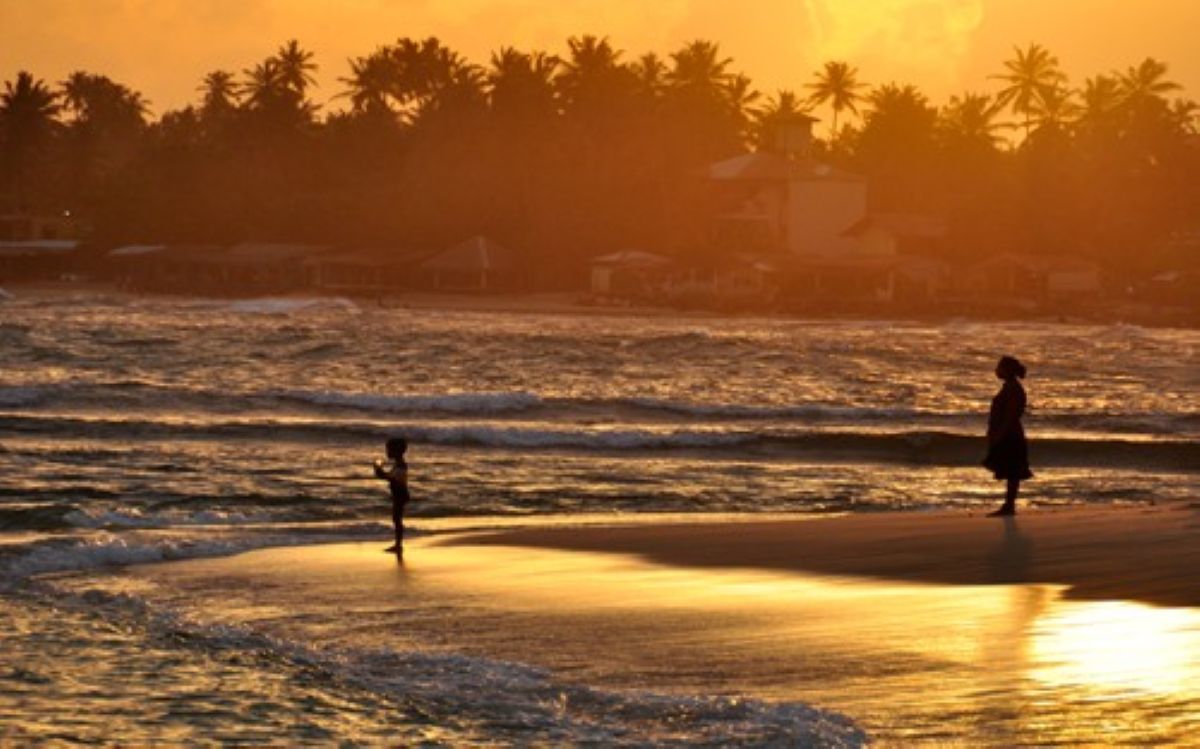
Image Credit srilanka.travel
There are so many stunning plantations in Sri Lanka and the towering spice plantations are tremendous. I took several plantation tours and the scent of the spices was absolutely heavenly. For various reasons, I have to travel extensively. I have long and frustrating visa processes many times. However, travel to Sri Lanka has always been a pleasant experience, and the 3 hour flight from Ahmedabad helps. It seems that everything from flight times to visa times has been designed to ensure visitors enjoy Sri Lanka.
Expanding Key Visitor Segments Across Business, Culture, and Wellness
Tourism planners specifically targeted corporate and commercial sectors, setting an ambitious goal to draw 40% of total incoming arrivals from the corporate MICE (Meetings, Incentives, Conferences, and Exhibitions) sector. Alongside corporate gatherings, promotional agencies aggressively positioned picturesque coastal and highland regions as top-tier settings for lavish destination weddings and major cinematic productions. By marketing natural landscapes alongside heritage venues, planners sought to capture high-spending event segments that generate heavy local employment and substantial foreign exchange earnings.
Simultaneously, specialized campaigns were rolled out to spotlight Ayurveda, holistic yoga retreats, and historical travel itineraries such as the Ramayana Trail. This dual focus on spiritual wellness and cultural heritage aimed to attract multi-generational families as well as health-conscious global explorers. Global travel agencies noted that blending wellness offerings with rich cultural heritage represents one of the fastest-growing niches in international travel, positioning Sri Lanka as a premier destination for holistic and experiential journeys.
The integration of business and leisure travel, commonly referred to as bleisure tourism, has fundamentally changed how corporate delegates interact with local destinations. Organizers emphasized that event attendees frequently extend their stay to explore historical sites in Kandy or unwind along the southern beaches of Galle. This cross-segment appeal maximizes the economic impact of every conference, benefiting local artisans, boutique hotels, and regional transport providers. Moreover, specialized wellness itineraries featuring traditional Ayurveda treatments have drawn significant interest from health-conscious travelers worldwide, reinforcing the region’s reputation as an all-encompassing sanctuary for relaxation and self-discovery.
Unprecedented Aviation Connectivity and Seamless Entry Mandates
To ensure seamless entry for incoming guests, authorities implemented a visa-free entry facility for passport holders hailing from India. In tandem with this policy, air carriers expanded their regional flight schedules dramatically. A non-stop route connecting Ahmedabad directly to Colombo cut overall journey durations down from a lengthy 9-hour stopover itinerary to a swift 3-hour non-stop flight. Furthermore, airlines increased flight frequencies connecting Colombo to major urban centers including Chennai, Mumbai, Bengaluru, and Delhi, thereby creating an expansive transport network across the subcontinent.
This rapid infrastructure expansion holds profound implications for global aviation networks and international travel logistics. Aviation experts pointed out that increasing direct connections between primary commercial hubs and island gateways enhances global transit options for international itineraries. Additionally, the elimination of visa barriers serves as a prominent case study for international policymakers seeking to stimulate local economies through frictionless cross-border transit. The following core factors detail this connectivity drive:
Aviation analysts emphasized that establishing direct corridors between secondary cities like Ahmedabad and primary international gateways like Colombo lowers operational costs for airlines while dramatically improving convenience for passengers. By bypassing congested mega-hubs, travelers enjoy smoother connections and fewer baggage routing errors. This decentralized airline model not only strengthens regional economic ties but also serves as a blueprint for long-term route planning across global aviation markets. Furthermore, the dramatic reduction in travel time makes short-term international travel far more appealing to working professionals and families seeking quick holiday options.
Global Campaign Outreach Across Emerging Urban Markets
To maintain long-term momentum, marketing agencies launched a comprehensive international campaign titled “Love Sri Lanka, Always” to emphasize shared cultural bonds and exceptional affordability. Promoters organized extensive promotional roadshows targeting Tier-2 and Tier-3 urban markets in India, expanding their reach well beyond traditional megacities. Furthermore, official delegations actively participated in premier global trade expos, including SATTE, OTM, and BLTM in 2026, to solidify key partnerships with international travel distributors and outbound operators.
The broader international impact of these aggressive promotional efforts is felt across the global travel supply chain. By establishing direct commercial links in fast-growing regional cities, tourism boards are creating entirely new cohorts of first-time international travelers. Global tour operators are consequently adjusting their worldwide tour packages to include South Asian multi-destination routes, forever altering how global travelers plan their itineraries.
By focusing outreach on rapidly growing urban centers, tourism strategists are unlocking massive untapped demand among aspiring international travelers. Industry surveys reveal that residents in non-metropolitan cities possess expanding disposable incomes and a strong appetite for international leisure travel. Conducting interactive trade roadshows in these regions builds strong local brand awareness while forging direct ties with regional travel organizers. Consequently, this grassroots promotional strategy ensures a steady, diversified flow of incoming visitors that sustains the national tourism economy year-round.
Strategic Tourism Goals and the Global Shift in Source Markets
The island nation established a landmark objective to attract at least 1,000,000 visitors from India in 2026, marking a substantial rise from the previous benchmark of approximately 550,000 travelers. It was reported that India had successfully emerged as the single largest origin market for the nation, generating between 24% and 30% of all foreign arrivals. Consequently, this shift demonstrated a remarkable departure from traditional long-haul source markets like the United Kingdom, Russia, and Germany. Industry observers noted that this intense concentration on a neighboring country marked a deliberate effort to create an all-weather tourism model that remains resilient against global geopolitical disruptions.
From an international hospitality perspective, this shift highlights how emerging outbound travel markets in South Asia are reshaping regional economies. Travel trade analysts observed that European and North American destinations might experience subtle shifts as travelers opt for shorter, cost-effective regional trips. Furthermore, hotel chains and resort operators within Colombo and surrounding coastal towns began reallocating assets to cater specifically to South Asian culinary, leisure, and entertainment preferences. This structural pivot underlines a broader global phenomenon where regional proximity combined with strategic policy decisions outweighs traditional long-distance vacation habits.
The strategic pivot toward short-haul regional markets reflects a broader evolution in consumer travel behavior worldwide. Modern vacationers increasingly prioritize flexible, low-friction trips over long-haul journeys that require extensive planning and administrative approvals. By cultivating a strong, consistent visitor base from neighboring countries, destination managers protect their local economies from global economic downturns and fuel disruptions. Hospitality providers across Colombo, Kandy, and Galle continue to tailor their amenities to meet the distinct preferences of South Asian guests, ensuring sustained revenue growth and long-term industry stability.
National Tourism Revenue Goals and Average Visitor Daily Expenditure Standards
Strategic financial projections indicate that national tourism authorities have targeted more than $4,000,000,000 in foreign currency earnings during 2026. This ambitious objective represents a significant expansion beyond the $3,220,000,000 recorded throughout 2025. However, statistical monitoring reveals that daily traveler spending currently averages $148, which reflects a noticeable decline from historical benchmarks ranging between $170 and $180. Consequently, destination planners are actively recalibrating their hospitality framework to elevate daily yields back above $200 per visitor.
To accomplish this financial transformation, development strategists are prioritizing high-yield market segments rather than relying solely on high-volume, low-cost arrivals. Hospitality investments are being channeled into exclusive eco-resorts across Yala and Badulla, alongside high-end heritage tours that command premium rates. By shifting focus toward luxury accommodations and immersive cultural experiences, local authorities aim to optimize overall visitor expenditure while safeguarding pristine ecological zones.
National Arrival Volume Benchmarks and Market Share Distribution
The island nation has established a comprehensive target to welcome 3,000,000 global tourists throughout 2026, aiming to surpass the record benchmark of 2,362,521 international arrivals documented in 2025. Out of the 1,609,759 foreign arrivals logged through mid-September 2026, visitors from India accounted for 395,377 entries. This substantial volume secures a commanding 25.3% market share, solidifying the neighboring country’s position as the primary source of inbound tourism.
This regional dominance becomes even more pronounced when contrasted with traditional long-haul origin markets. Inbound figures reveal that the United Kingdom contributed 155,798 visitors (9.6%), China generated 105,294 arrivals (6.5%), and Germany accounted for 94,007 travelers (5.8%). The stark difference highlights a fundamental shift toward short-haul regional travel, prompting destination managers to adjust marketing budgets toward high-performing nearby hubs.
Economic Revenue Generation through Strategic MICE Infrastructure
Under the long-term vision of the Tourism Master Plan 2035, regional development agencies aim to capture between 20% and 40% of all incoming visitors through corporate gatherings, trade expos, and incentive programs. This corporate initiative is projected to yield $1,360,000,000 in event-driven revenue during 2026. High-profile business summits hosted in Colombo frequently drive city hotel occupancy rates up to 100%, surging nightly premium five-star accommodation rates from $300 baseline figures to $500.
Recognizing the necessity of spreading economic benefits nationwide, conference organizers are actively decentralizing event hosting beyond the capital city. Major corporate gatherings are increasingly scheduled in regional cities such as Jaffna and Kandy. This strategic geographical expansion ensures that event spending directly supports municipal infrastructure, local catering services, and regional transportation operators across northern and central provinces.
Formal Hospitality Asset Allocation Versus Informal Sector Growth
The national lodging landscape is experiencing a rapid shift, as home-share platforms, private guesthouses, and independent rentals now capture nearly 40% of all tourist overnight stays across the island. While licensed star-class hotels maintain average room rates between $125 and $150 per night, the widespread availability of informal homestays under $50 per night has placed downward pressure on total daily visitor yield across popular coastal districts.
In response to changing consumer dynamics, private hospitality groups are investing heavily in ultra-luxury boutique properties priced between $300 and $500 per night. These exclusive accommodations target affluent international travelers exploring scenic destinations like Galle, Yala, and Tangalle. By offering personalized services and high-end privacy, formal operators aim to maintain profitability while competing alongside the expanding alternative lodging sector.
Regional Aviation Fleet Expansions and Seat Capacity Optimization
Air connectivity enhancements have significantly reduced travel times across South Asian flight corridors. Non-stop air connections connecting Ahmedabad directly with Colombo operate three times weekly, transforming a tedious 9-hour transit itinerary into a quick 3-hour direct flight. Additionally, flight frequencies linking Colombo with major metropolitan centers like Chennai, Mumbai, Bengaluru, and Delhi provide tens of thousands of weekly seats across low-cost and full-service carriers.
This expanded aviation network maintains exceptional commercial efficiency, with regional flight routes consistently sustaining passenger load factors above 80%. Consequently, South Asian flight paths have emerged as some of the most profitable air transit corridors within the Indian Ocean region. High seat utilization rates allow airlines to maintain competitive fares while providing frequent flight schedules that appeal to both corporate executives and holidaymakers.
Multi-Million Dollar Global PR Initiatives and Digital Campaign Allocations
To strengthen international brand visibility, government authorities allocated a promotional budget of LKR 2,000,000,000 (approximately $6,400,000) for an intensive eight-month global marketing initiative launching in 2026. This comprehensive public relations campaign targets 12 to 15 key origin markets worldwide, prioritizing high-yield markets across India, China, Germany, the United Kingdom, and the Benelux region.
In tandem with digital media outreach, official delegations are actively engaging in major international B2B travel expos, including SATTE, OTM, and BLTM in 2026. These trade events allow destination representatives to establish direct distribution agreements with foreign tour agencies and corporate travel planners. By building strong trade partnerships, the national tourism board secures steady year-round booking commitments.
Strategic Mitigation of Economic Tourism Leakage and Local Purchasing
Comprehensive economic studies conducted in partnership with global tourism consultants demonstrate that island nations often face significant foreign currency leakage through imported food, foreign luxury items, and offshore service fees. To counter this trend, policy guidelines encourage resorts operating in Galle, Kandy, and Colombo to prioritize local agricultural produce, handcrafted furniture, and regionally sourced artisanal goods.
By increasing local procurement mandates by 20% to 30% across registered hotels and resorts, economic planners aim to retain a larger share of foreign tourist expenditure within the domestic economy. This sustainable purchasing strategy provides direct financial support to rural farmers, local craftsmen, and regional logistics providers, ensuring that tourism growth meaningfully benefits local communities.
Cultural Heritage, Pilgrimage Circuits, and Niche Wellness Integration
Specialized cultural itineraries, particularly those linking over 50 historical and spiritual sites associated with the Ramayana Trail, continue to attract thousands of families and pilgrims annually. Complementing spiritual tourism, coastal regions like Bentota and Galle have become premier settings for large-scale destination weddings. These lavish celebrations regularly host groups ranging between 200 and 500 guests, generating substantial localized economic activity for event planners, decorators, and local entertainers.
Simultaneously, alternative wellness tourism is seeing rapid expansion as international travelers seek authentic Ayurveda therapies and holistic retreat experiences. Unlike standard leisure tourists who typically stay between 4 and 5 days, wellness visitors remain on the island for 7 to 14 days. This extended duration generates higher total spending per trip, reinforcing the country’s reputation as a top-tier destination for health, culture, and relaxation.
The Final Verdict
My career in travel has shown me the ins and outs of the industry. I have learned that travel isn’t about creating a travel itinerary or desk bound ticket pushing. Over the years travel has enriched my life and provided me with opportunities to swing by Kandy for a cup of tea and enjoy the famous Sri Lankan sunset in Galle. The greatest and most wonderful thing about travel is coming back to your country to the people who welcome you and provide you unconditional love. Many of the border restrictions in South Asia have been lifted. This has given the people of the South Asian Diaspora the opportunity to visit and experience South Asia. With many new direct routes, Sri Lankan Airlines offers travelers many travel opportunities. We all love travels as it creates a reunion. Travel gives us the opportunity to explore new places and enjoy new things. Have many wonderful experiences in Sri Lanka.
