
Ontario Wilderness Expeditions Spike Wild Tourism Demand For Thrill Seekers Seeking To Travel Canada, Find Out Now

Published
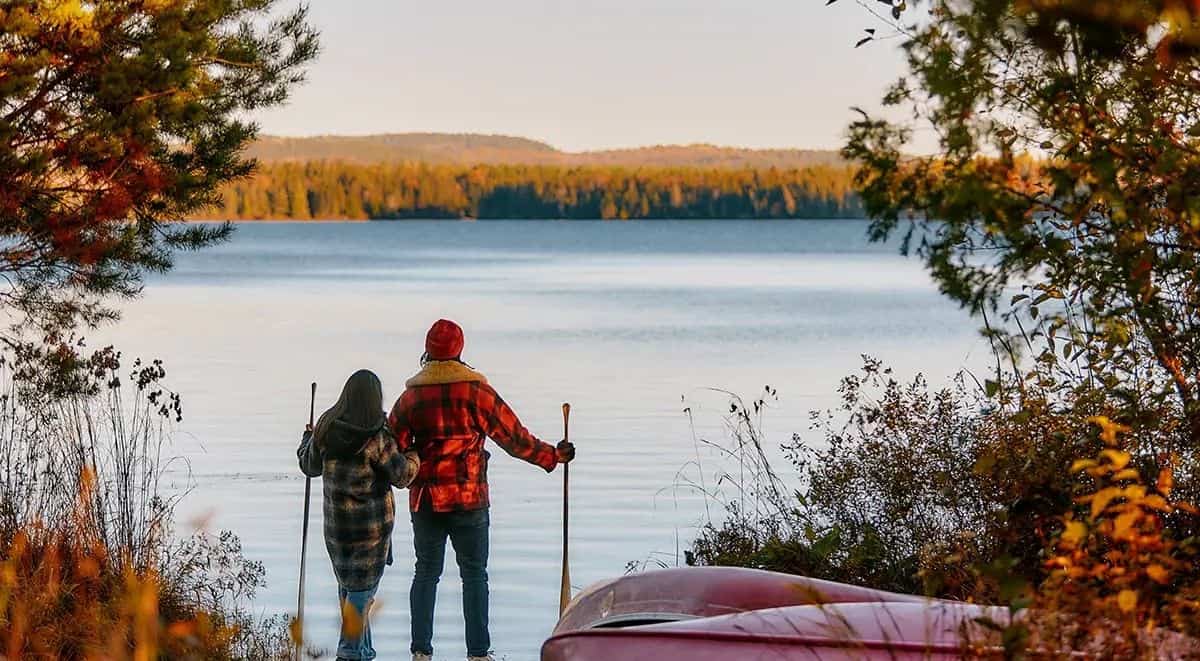
Image Credit destinationontario.com
Living in a big city drains you? Give city life a break and come give us a visit! We have plenty of exciting activities. Join us to go shipwreck diving in Killarney! 2025 was a special year. Nearly 30 million people did what they wanted and took what they wanted. Many crossed the line and swam in the Arctic and Lake Superior. Many hiked the Bruce Trail. That year most people in the world relied on their judgment the least and tourism in Canada Skyrocketed. It was the first year more people visited Canada than in all the previous years combined. It was the people’s first time relying on the local indigenous peoples and showing them what adventures and activities there are to do in Canada.
What drove Ontario’s record-breaking 2025 tourism numbers in Canada?
Ontario recorded historical visitation peaks across 2025, buoyed by a robust influx of domestic travellers and rapidly expanding high-value long-haul overseas markets. Statistics Canada reports that 25 million domestic visitors chose to explore their home province, providing an unprecedented baseline of economic activity for wilderness outfitters and eco-tourism charters. Toronto served as the vital international transit hub, generating nearly £7.7 billion ($13.5 billion CAD) in total economic impact as global adventurers connected to northern wilderness regions.
Advertisement
Advertisement
Overseas markets demonstrated tremendous resilience, with total overseas arrivals expanding by 10.8 per cent to reach 2.86 million visitors across the province. The United Kingdom led long-haul growth with a dramatic 12 per cent increase, followed closely by Germany at 10 per cent, both representing crucial demographics for hard adventure sports. This sustained international demand funnelled vital capital into regional economies, allowing operators in remote sectors like Muskoka, the Bruce Peninsula, and Northern Ontario to expand their year-round active travel itineraries.
Why are adrenaline seekers flocking to Niagara and the Bruce Peninsula for extreme sports in Canada?
Advertisement
Advertisement
Extreme air and rock sports experienced extraordinary booking volumes during 2025, driven by adrenaline enthusiasts targeting Ontario’s unique geological formations. Lake Huron’s scenic Grand Bend zone and the iconic Niagara region consolidated their positions as Canada’s primary skydiving capitals, hosting thousands of tandem jumps above the Great Lakes basin. These high-altitude jump zones provided unobstructed aerial panoramas of the Niagara Escarpment and surrounding waterways, attracting international thrill-seekers who sought extreme aerial thrills paired with rigorous safety standards.
Along the jagged vertical faces of the Niagara Escarpment, the ancient limestone cliffs at Lion’s Head on the Bruce Peninsula saw steady multi-pitch traditional climbing activity. Climbers navigated challenging routes high above the turquoise waters of Georgian Bay under strict ecological guidelines. The Bruce Trail Conservancy and Ontario Parks maintained precise visitor management protocols across these cliff faces to safeguard delicate ecosystems, including ancient Eastern White Cedar trees that have clung to the limestone rock face for centuries.
Advertisement
Advertisement
How do Canada’s legendary multi-day trekking trails across Killarney and Lake Superior compare?
Trekking itineraries saw record registration throughout 2025 as wilderness backpackers set out across Ontario’s two distinct geological foundations: the Precambrian granite of the Canadian Shield and the Niagara Escarpment. Killarney Provincial Park’s famous La Cloche Silhouette Trail remained a crown jewel, demanding seven to ten days of technical backcountry navigation across 78 kilometres of rolling white quartzite ridges. Farther west, Sleeping Giant Provincial Park near Thunder Bay drew trail runners and trekkers to the Top of the Giant Trail, offering breathtaking views from sheer cliffs plunging 300 metres directly into Lake Superior.
Along the wild northern coast of the continent’s largest freshwater lake, the 65-kilometre Coastal Trail in Lake Superior Provincial Park challenged experienced hikers with demanding boulder-hopping and isolated beach campsites. Concurrently, the northern terminus of the historic 900-kilometre Bruce Trail in Tobermory recorded unprecedented multi-day thru-hiking traffic. Hikers navigated rugged limestone ledges and coastal pine forests, demonstrating the growing global appetite for self-propelled, immersion-style wilderness backpacking within Canada’s vast protected park network.
Why is Tobermory in Ontario celebrated as a world-class freshwater scuba diving hub in Canada?
Advertisement
Advertisement
Ontario boasts some of the finest cold-water freshwater diving conditions anywhere on the planet, where low water temperatures and a lack of salinity keep century-old wooden shipwrecks in pristine structural condition. Fathom Five National Marine Park in Tobermory—Canada’s first National Marine Conservation Area managed directly by Parks Canada—hosted thousands of certified divers who explored over 20 historic shipwrecks. Submerged archaeological treasures like the 19th-century schooner Sweepstakes and the steamer W.L. Wetmore offered crystal-clear visibility, allowing divers to inspect remarkably preserved timber hulls, iron anchors, and original cargo mechanisms.
In Eastern Ontario, the deep currents of the St. Lawrence River within the 1000 Islands region attracted technical drift-divers from across the globe. Deep-water river wrecks resting along submerged granite ledges provided thrill-seekers with world-class river diving conditions. Ships like the steel freighter Keystorm, lying on its side in depths reaching 35 metres, offered experienced divers complex swim-throughs and rich historical encounters, cementing the St. Lawrence River’s reputation as an indispensable freshwater diving destination.
What makes subarctic wildlife safaris in Polar Bear Provincial Park along Hudson Bay so exceptional?
Wildlife expeditions stretched across vast latitudes during 2025, ranging from temperate forest tracking to extreme subarctic marine safaris along the Hudson Bay coastline. Polar Bear Provincial Park Ontario’s largest and most isolated park spanning 2.4 million hectares of untouched tundra offered rare access to Arctic megafauna. Access remained strictly controlled through Indigenous-led air charters, enabling expedition groups to safely observe polar bears roaming coastal mudflats, beluga whales congregating in river estuaries, and elusive arctic foxes navigating the northern permafrost terrain.
In the southern boreal forests, Algonquin Provincial Park served as the epicenter for moose viewing and wolf-tracking safaris, particularly along the Highway 60 corridor and remote backcountry waterways. Meanwhile, vast non-motorized canoe sanctuaries in Quetico Provincial Park and Wabakimi Provincial Park saw paddlers embarking on multi-week expeditions. Navigating interconnected glacial lakes, paddlers documented native woodland caribou, bald eagles, and black bears within intact boreal ecosystems, illustrating the incredible diversity of Canada’s native wildlife habitats.
How are Ontario’s conservation policy frameworks protecting Canada’s delicate wilderness ecosystems?
Advertisement
Advertisement
To manage 2025’s record-breaking visitation without compromising delicate environmental integrity, the Ministry of the Environment, Conservation and Parks alongside Parks Canada operated advanced capacity management frameworks. Strict digital booking portals for daily vehicle permits and backcountry camping access were expanded across high-density parks like Algonquin, Killarney, and the Bruce Peninsula. These strict booking allocations successfully prevented trail crowding, mitigated soil erosion along fragile escarpment margins, and minimized wildlife disturbance across sensitive habitats during peak travel months.
Simultaneously, collaborative co-management partnerships with First Nations communities reached new heights across the province’s adventure zones. Indigenous guides, including members of the Saugeen Ojibway Nation in the Bruce Peninsula and Fathom Five regions, led cultural interpretation, monitored delicate marine ecosystems, and safeguarded ancestral heritage sites. This unified stewardship model ensured that rapid tourism expansion actively supported Indigenous economic development while enforcing rigorous, science-based environmental conservation across Canada’s most cherished outdoor landscapes.
Indigenous-Led Wilderness Tourism: Revenue Metrics and Cultural Heritage Co-Management
First Nations communities across Ontario are transforming the active travel landscape through self-determined eco-expeditions and joint heritage management frameworks. In regions spanning from the Saugeen Ojibway Nation territory along the Bruce Peninsula and Fathom Five National Marine Park to northern Cree communities surrounding James Bay, Indigenous outfits lead high-value wilderness ventures that prioritize ecological preservation and cultural integrity.
Nationally, Indigenous tourism drives over $1.9 billion CAD in direct gross domestic product contribution, with Ontario-based enterprise owners maintaining a prominent 22% share of all Indigenous eco-tourism operations across Canada. This economic engine is particularly vital in subarctic zones along the Hudson and James Bay basins, where local Indigenous outfits operate or co-guide more than 65% of all active expedition permits.
European long-haul visitors are seeking authentic cultural immersion, sparking a 14% year-over-year surge in booking demand for Indigenous-guided journeys, especially among long-haul travellers arriving from the United Kingdom and Germany.
Advertisement
Advertisement
Multi-Day Whitewater Rafting and Paddling Logistics along the Ottawa and Missinaibi Rivers
Ontario’s river corridors provide contrasting water sports experiences, ranging from high-capacity commercial rafting to self-supported backcountry canoe journeys. The Ottawa River basin remains Canada’s commercial whitewater capital, attracting over 75,000 thrill-seekers annually to tackle its Class IV and V rapids, generating an estimated $35 million CAD in direct economic value for regional county communities.
Further north, the historic Missinaibi River offers an extreme, multi-week paddling journey that stretches 526 kilometres uninterrupted by modern dams, flowing from Lake Missinaibi all the way to James Bay. Navigating this heritage river requires 14 to 21 days of self-reliant wilderness travel through demanding portages and technical rapids.
Global demand for non-motorized expedition paddling has grown rapidly, reflected in a 28% surge in international wilderness permit reservations across Ontario’s provincial waterway network, including remote protected parks such as Wabakimi and Quetico.
Dark-Sky Eco-Tourism and Astro-Expeditions in Torrance Barrens and Manitoulin Island
Night-sky exploration, often termed “noctourism,” has established itself as a lucrative sub-sector within Ontario’s outdoor travel economy. Prime stargazing locations such as the 1,990-hectare Torrance Barrens Dark-Sky Preserve and Manitoulin Eco-Park saw a 35% increase in evening visitor permits during key astronomical windows, including meteor showers and seasonal aurora displays.
Advertisement
Advertisement
This surge in astro-adventure travel generates critical economic benefits during off-peak periods, contributing $18 million CAD in shoulder-season autumn and winter revenue to hospitality and outfit networks throughout Muskoka and Georgian Bay.
Northern Ontario preserves maintain light pollution levels rated at Bortle Class 1 to 2, representing the darkest sky conditions measurable on Earth. These pristine conditions draw professional astrophotographers, night-hikers, and wilderness astronomers to experience unobstructed views of the cosmos.
Cold-Water Winter Expeditions: Ice Climbing, Fat Biking, and Deep-Winter Backcountry Snowshoeing
Ontario’s outdoor economy operates year-round, converting its harsh winter conditions into an extreme sports destination. Guided ice climbing along the frozen cliff faces of Agawa Canyon and Lake Superior’s northern coastline experienced a 19% increase in climber registrations across more than 300 mapped ice routes surrounding Algoma Country and Thunder Bay.
Winter backcountry trail activity expanded by 22% across Ontario Parks, backed by an interconnected network of 1,200 kilometres of groomed wilderness trails designed for fat biking, snowshoeing, and winter camping.
Winter gear rentals, outfitting, and specialized expedition guide services across Northern Ontario generated over $42 million CAD in overall revenue, proving that extreme cold-weather adventure travel is a key economic driver for northern communities.
Advertisement
Advertisement
Avian Wildlife Safaris and Migration Tracking at Point Pelee and Long Point
The Great Lakes coastline serves as a critical stopover along international bird migration corridors, making southern Ontario a global hub for biodiversity expeditions and avian tracking safaris. Point Pelee National Park and the surrounding marshlands host over 400 species of migratory birds during peak spring and autumn migration windows, drawing 120,000 eco-tourists and birdwatchers annually.
These specialized wildlife tracking journeys generated $68 million CAD in combined regional economic activity across Essex and Norfolk counties, supporting eco-lodges, transport providers, and field guides.
Avian eco-tourists represent one of the highest-spending niche demographics in active travel, averaging $320 CAD per day on local lodging, specialized guide services, and optical equipment rentals during migration season.
Geological Escarpment Bouldering and Multi-Pitch Traditional Rock Climbing Dynamics
Spanning a 725-million-year-old geological corridor, the Niagara Escarpment provides the infrastructure for Ontario’s technical rock-climbing community. Locations such as Rattlesnake Point, Metcalfe Rock, and the vertical walls at Lion’s Head feature over 1,500 established climbing routes, attracting 45,000 registered climbers every year.
Advertisement
Advertisement
Balancing heavy recreational use with environmental conservation requires active regulatory oversight; local conservation authorities limit day-use permits to 250 climbers per zone daily at sensitive sites to protect fragile cliff ecosystems, including 1,000-year-old ancient Eastern White Cedar trees (Thuja occidentalis).
This regulated climbing activity contributes $15 million CAD to local escarpment municipal economies through gear retail, climbing schools, and regional hospitality bookings.
Freshwater Marine Archaeology and Technological Advancements in Great Lakes Wreck Mapping
The bed of the Great Lakes holds a remarkably preserved archive of North American maritime history, with over 4,800 historic shipwrecks resting in its cold, salt-free waters, including more than 250 documented wreck sites accessible to recreational and technical scuba divers across Ontario.
Technical wreck diving below depths of 45 metres grew by 16%, driven by international divers using advanced mixed-gas rebreather systems to explore deep-water wooden and steel hulls preserved in low-temperature environments.
To support marine heritage preservation and diver safety, federal conservation programs directed $12.5 million CAD toward high-resolution side-scan sonar mapping, underwater mooring buoy infrastructure, and hyperbaric emergency response networks across Fathom Five National Marine Park and the 1000 Islands region.
Advertisement
Advertisement
Transport Infrastructure and Wilderness Access Logistics: The Agawa Canyon Express and Bushplane Networks
Accessing Ontario’s remote wilderness destinations requires specialized multimodal transport networks capable of shuttling expedition teams and equipment far beyond the reach of paved road systems. The Agawa Canyon Wilderness Train transported over 100,000 passengers into deep Canadian Shield landscapes, injecting $28 million CAD into the Sault Ste. Marie regional economy.
Further north, regional bushplane hubs operating out of Sudbury, Cochrane, and Red Lake logged more than 14,000 flight hours, flying gear, kayaks, and paddlers into non-road-accessible wilderness parks such as Wabakimi and Polar Bear Provincial Park.
Recognizing the strategic importance of remote transport infrastructure, provincial funding programs allocated $50 million CAD in transport grants to upgrade regional northern airstrips, ensuring year-round access for wilderness search-and-rescue teams, local communities, and eco-expedition charters.
The Final Verdict
Oftentimes after Ontarian’s complete a trip through the Missinaibi, they say they will have to do it again because the pain of not being able to experience that trip again is beautiful. The Bruce Trail is challenging because of it’s remote nature, long-ness, and uneven terrain. Therefore, Ontarians know that beyond the borders of the province there are even more breathtaking, unchartered views waiting to be explored. During the past two years, particularly 2021, the number of visitors at Ontario Parks and other recreational facilities skyrocketed. New records bring new experiences.
Advertisement
Advertisement
People were aware that while they could satisfy their physical needs at Ontario Parks, they would have to travel to other places to explore more spiritually fulfilling experiences. People will always be attracted to experiences, both spiritually and physically, that Ontario can provide as well as experiences that Ontario can not provide. Many Ontario experiences await to be discovered. Experience the call of the wild that resonates within us.
Frequently Asked Questions
- What was the total economic impact generated by Ontario tourism in 2025?
Official economic data reveals that Toronto alone welcomed 28.2 million visitors generating £5.2 billion ($9.1 billion CAD) in direct spending, which resulted in a massive total economic impact of nearly £7.7 billion ($13.5 billion CAD). Regional outdoor destinations across Ontario generated an additional £1.2 billion ($2.2 billion CAD) in direct visitor spending.
- Which international source markets grew the fastest for Ontario adventure travel in 2025?
Overseas arrivals expanded by 10.8 per cent overall, led by impressive growth from the United Kingdom (up 12 per cent) and Germany (up 10 per cent), both of which represent key source markets for trekking, diving, and wildlife safaris.
- Where can travellers experience the best shipwreck diving in Ontario?
The premier locations are Fathom Five National Marine Park in Tobermory for remarkably preserved 19th-century wooden shipwrecks, and the St. Lawrence River in the 1000 Islands region for deep-water freighter diving.
- How do tourists access remote subarctic wildlife expeditions in Polar Bear Provincial Park?
Because there are no road connections into Ontario’s far north, access to Polar Bear Provincial Park along Hudson Bay is strictly regulated and requires licensed fly-in air charters operated in partnership with local Indigenous guide services.
Advertisement
