


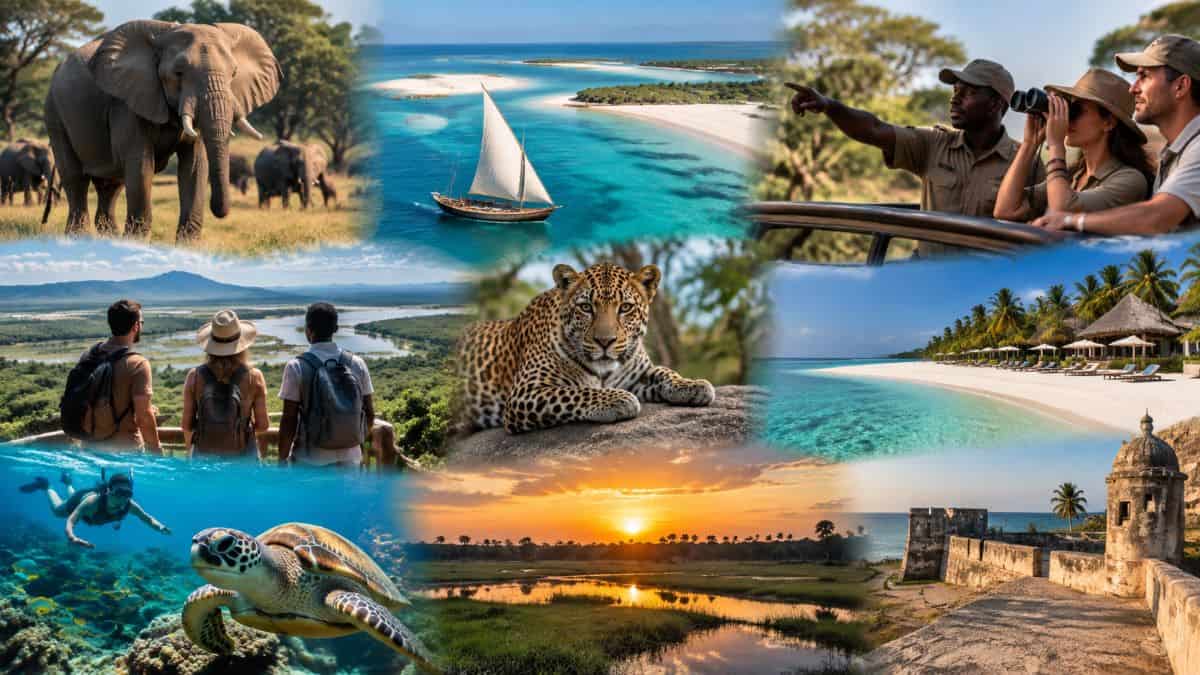
Image generated with Ai
Mozambique tourism growth is gaining global attention as the United States, United Kingdom and South Africa continue to support demand for wildlife, adventure and sustainable travel experiences. Mozambique is using the $15.4M TRANSFORM project to expand nature-based tourism and conservation on its major biodiversity areas. The project aims to build Mozambique’s wildlife tourism industry while guiding the country’s efforts to strengthen the sustainable tourism industry.
Mozambique tourism growth is entering a new phase as the country strengthens its position as a destination for wildlife, coastal and sustainable travel experiences. Supported by rising international demand from markets such as the United States, United Kingdom and South Africa, Mozambique is expanding its tourism potential through conservation-focused investments and improved destination management. A major step in this direction is the TRANSFORM project, a US$15.4 million initiative designed to strengthen wildlife conservation and sustainable livelihoods across important ecosystems. The project focuses on protecting biodiversity, improving conservation landscapes and creating stronger links between nature protection and tourism development.
| Tourism Growth Driver | Impact on Mozambique Travel |
|---|---|
| Wildlife conservation | Creates stronger safari experiences |
| International source markets | Increases visitor diversity |
| Sustainable tourism | Supports long-term destination growth |
| Community participation | Builds inclusive tourism opportunities |
| Protected landscapes | Expands nature-based travel |
The TRANSFORM (Transforming Wildlife Conservation and Livelihoods at Landscape Scale in Mozambique) project represents a significant investment in Mozambique’s conservation and tourism future. The initiative is supported by approximately US$15.4 million from the Global Environment Facility (GEF) under the GEF-8 Integrated Programme on Wildlife Conservation for Development. Implemented through Mozambique’s National Administration for Conservation Areas (ANAC) and the United Nations Development Programme (UNDP), the project will operate until 2033. It focuses on two major landscapes: Gorongosa–Marromeu and Rovuma–Lugenda, improving conservation management across more than three million hectares of biodiversity-rich areas.
| TRANSFORM Project Element | Tourism Relevance |
|---|---|
| Protected landscape management | Better wildlife viewing opportunities |
| Wildlife protection | Improves safari destination appeal |
| Ecological corridor restoration | Supports healthier animal populations |
| Community livelihoods | Encourages local tourism participation |
| Monitoring systems | Strengthens conservation reliability |
South Africa continues to play a crucial role in Mozambique tourism growth because of geographical proximity, strong transport connections and established cross-border travel patterns. The country provides a steady flow of visitors seeking coastal holidays, family trips, diving experiences and short leisure breaks. Popular destinations including Maputo, Ponta do Ouro, Inhambane and Vilanculos benefit from South African demand due to their accessibility and diverse tourism offerings. According to Mozambique tourism authorities, regional African markets remain central to visitor recovery, with neighbouring countries contributing significantly to international arrivals.
Advertisement
Advertisement
| South African Traveller Segment | Popular Mozambique Experiences |
|---|---|
| Families | Beach resorts and coastal holidays |
| Adventure travellers | Diving and marine activities |
| Short-break visitors | Weekend coastal escapes |
| Luxury travellers | Island resorts |
| Regional tourists | Cultural experiences |
The United States represents an important high-value market for Mozambique’s tourism ambitions. While regional markets generate larger visitor numbers, American travellers contribute significantly through premium travel experiences focused on wildlife, adventure and nature-based tourism. Mozambique’s expanding conservation initiatives create opportunities to attract more US visitors interested in authentic African safari experiences, remote wilderness areas and environmentally responsible travel. Protected areas such as Gorongosa and emerging northern wilderness destinations offer opportunities for luxury safari operators and conservation-focused tourism products.
| US Tourism Interest | Mozambique Opportunity |
|---|---|
| Wildlife safaris | Gorongosa conservation experiences |
| Adventure travel | Remote wilderness exploration |
| Photography tourism | Wildlife-focused journeys |
| Eco-tourism | Nature-based experiences |
| Luxury travel | Premium safari accommodation |
The United Kingdom remains one of Mozambique’s important European tourism markets, particularly for travellers seeking wildlife adventures, conservation experiences and Indian Ocean escapes. British visitors traditionally show strong interest in African safari destinations, and Mozambique’s combination of protected landscapes, marine ecosystems and cultural attractions provides opportunities for market expansion. The TRANSFORM project strengthens Mozambique’s ability to promote conservation-led tourism by improving natural landscapes and supporting sustainable tourism development.
| UK Traveller Segment | Main Attraction |
|---|---|
| Safari travellers | Wildlife parks and reserves |
| Luxury tourists | Exclusive lodges |
| Eco-conscious visitors | Conservation experiences |
| Adventure travellers | Wilderness exploration |
| Beach travellers | Indian Ocean coastline |
Mozambique’s wildlife tourism development is closely connected with improving conservation landscapes. The Gorongosa–Marromeu and Rovuma–Lugenda regions represent some of the country’s most important biodiversity areas. Enhanced protection, habitat restoration and improved management systems could increase the attractiveness of these destinations for international safari visitors. As global travellers increasingly seek less crowded alternatives to traditional wildlife destinations, Mozambique has an opportunity to develop exclusive nature-based experiences while protecting fragile ecosystems.
| Destination | Tourism Potential |
|---|---|
| Gorongosa–Marromeu | Safari and wildlife tourism |
| Rovuma–Lugenda | Remote wilderness adventures |
| Coastal reserves | Marine tourism |
| National parks | Conservation travel |
| Protected landscapes | Eco-tourism |
Mozambique is increasingly focusing on tourism models that combine economic growth with environmental protection. Sustainable tourism is becoming a key factor for international travellers, especially from markets such as the US and Europe. Conservation initiatives like TRANSFORM support this direction by connecting biodiversity protection, community livelihoods and responsible tourism development. By protecting ecosystems and creating opportunities around conservation areas, Mozambique can strengthen its appeal among travellers searching for meaningful and environmentally responsible experiences.
| Sustainability Focus | Tourism Benefit |
|---|---|
| Wildlife protection | Better safari experiences |
| Habitat restoration | Stronger ecosystems |
| Community benefits | Inclusive tourism growth |
| Carbon protection | Climate-friendly travel |
| Conservation funding | Long-term destination value |
Mozambique’s tourism outlook for 2026 is being shaped by stronger international demand, regional travel connections and major conservation investment. South Africa continues to provide important visitor volume, while the United States and United Kingdom represent valuable markets for luxury safari and sustainable tourism. The US$15.4 million TRANSFORM project adds further momentum by strengthening the country’s wildlife conservation foundation and improving the long-term potential of its natural attractions.
With protected landscapes, diverse ecosystems, Indian Ocean coastlines and growing conservation investment, Mozambique is positioning itself as a destination where wildlife protection and tourism development work together. The combination of international source markets and sustainable tourism initiatives could help Mozambique become one of Africa’s emerging destinations for responsible wildlife travel.
| Future Tourism Opportunity | Expected Impact |
|---|---|
| Safari tourism | More international visitors |
| Eco-tourism | Sustainable growth |
| Luxury travel | Higher-value tourism |
| Community tourism | Local economic benefits |
| Conservation projects | Stronger destination reputation |
Mozambique is strengthening its position as an emerging wildlife and sustainable tourism destination, with the United States and more global markets driving Mozambique tourism growth as the $15.4M TRANSFORM project boosts wildlife travel opportunities. The project will improve existing conservation areas and develop nature-based tourism that is compatible with long-term tourism growth. With increased protection of wildlife, more international tourists seeking wildlife tourism combined with the growing tourism industry could attract higher spending tourists. The management of wildlife and tourism industries could attract the growing dedicated tourist market interested in wildlife, safari, and conservation combinations with adventure tourism. Better managed ecosystems and community focused national development will create a morePOSITIVE Industry framework for wildlife tourism growth in Mozambique.
Advertisement
Tags: African safari tourism, Mozambique Tourism Growth, Mozambique wildlife tourism, sustainable travel Mozambique, TRANSFORM project Mozambique
Advertisement
Advertisement













Monday, September 7, 2026
Monday, September 7, 2026

Monday, September 7, 2026

Monday, September 7, 2026

Monday, September 7, 2026
Monday, September 7, 2026
Monday, September 7, 2026

Monday, September 7, 2026

