
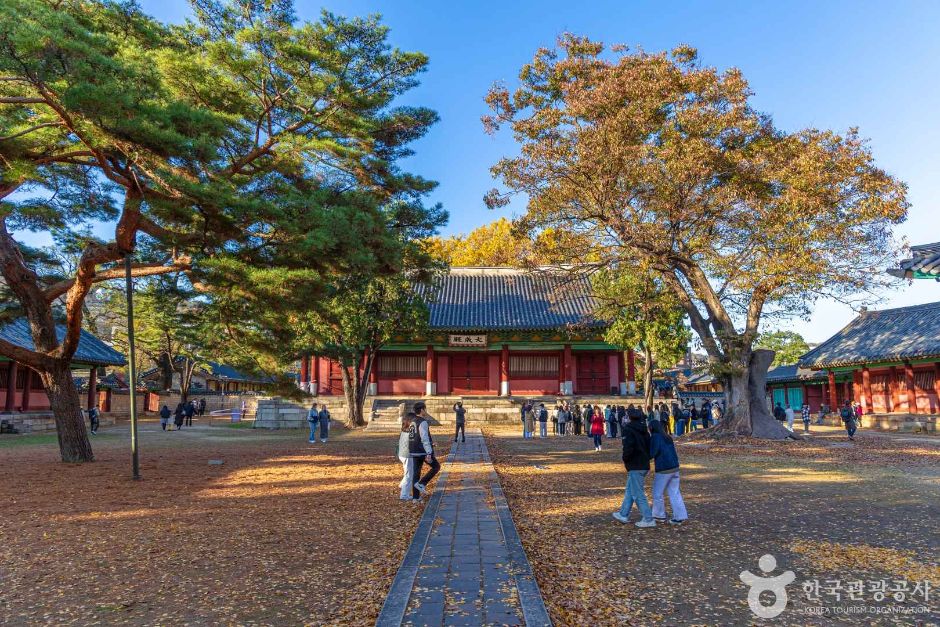
Image generated with Ai
South Korea has captured an unprecedented share of Japan’s outbound travel market. Fuelled by an influx of direct budget airline routes, a booming fascination with regional Korean cuisine and beauty products, and targeted promotion by regional airport authorities, Japanese vacationers are moving beyond traditional capitals. While Seoul maintains a strong base of first-time visitors and shopping enthusiasts, secondary hubs like Cheongju, Jeju Island, Busan, and Gyeongju are seeing double-digit to near-triple-digit surges.
South Korea is experiencing a massive surge in Japanese tourism, with a record 28% of all Japanese outbound travelers choosing South Korea as their top overseas destination. Japanese travelers are increasingly moving beyond standard weekend trips to Seoul, opting for regional cities driven by expanded low-cost carrier (LCC) flight routes, favorable short-haul travel, and a deep interest in K-beauty, local food, and cultural immersion.
Advertisement
| City / Region | Year-over-Year Trend & Growth | Key Japanese Visitor Demographics | Primary Travel Drivers | Top Attractions & Experiences |
| Cheongju (North Chungcheong) | +93% increase in arrivals via Cheongju Int’l Airport. Fastest-growing regional hub. | Gen Z, budget-conscious LCC travelers, repeat visitors. | Expanded direct low-cost flights, affordable short-haul weekend getaways, “k-drama” film set tourism. | Sangdangsanseong Fortress, Suamgol Culture Village, Cheongnamdae (Presidential Villa), central street markets. |
| Jeju Island | +60% increase via Jeju Int’l Airport. Major resort surge. | Solo female travelers, couples, wellness seekers. | Resort-style quick escapes, café culture, nature/hiking, “Sleep Tourism” & resort relaxation. | Hyeopjae Beach, Hallasan hiking trails, Seogwipo waterfalls, Udo Island cycling. |
| Busan / Gimhae | +52% increase in arrivals via Gimhae Int’l Airport. Solid #2 favorite after Seoul. | 20s-30s female travelers, foodies, beach lovers. | Proximity to Japan (ferry and quick flights), coastal cafe culture, fresh seafood. | Gamcheon Culture Village, Haeundae Beach, Jagalchi Fish Market, Haeundae Blueline Park (Sky Capsule). |
| Seoul (Capital) | Steady Core Hub (~18.8% overall inbound growth). | First-time visitors, shopping enthusiasts, K-Pop/K-Beauty fans. | Unmatched nightlife, K-Beauty shopping sprees, food markets, pop-up stores. | Seongsu-dong (trendy pop-ups), Hongdae, Myeong-dong (cosmetics), Gwangjang Market. |
| Gyeongju | Emerging Cultural Pick (Via KTX rail from Busan/Seoul). | History buffs, mature couples, culture-focused travelers. | UNESCO heritage exploration, traditional hanok aesthetics, calm regional pacing. | Bulguksa Temple, Hwangridan-gil street (trendy hanok cafes), Donggung Palace & Wolji Pond. |
Cheongju, located in North Chungcheong Province, has unexpectedly emerged as the single fastest-growing destination for Japanese travelers. The primary driver behind its astonishing +93% increase in air arrivals is the strategic expansion of direct low-cost carrier (LCC) routes. Budget-conscious Gen Z travelers and repeat visitors to South Korea are flocking to Cheongju for quick, affordable weekend getaways.
Rather than spending higher amounts on Tokyo-to-Seoul flights, travelers can utilize regional Japanese gateways to land directly in central South Korea. Beyond flight accessibility, Cheongju offers rich television filming history and charming landscapes. Visitors frequently explore the historic Sangdangsanseong Fortress, the artistic alleyways of Suamgol Culture Village (a former hillside slum turned vibrant mural village), and Cheongnamdae, the former private presidential retreat nestled amid lush nature.
Advertisement
Advertisement
Jeju Island has recorded a +60% increase in Japanese arrivals through Jeju International Airport. Long celebrated as South Korea’s premier domestic resort getaway, the island is now capturing international attention from solo female travelers, young couples, and wellness-focused tourists seeking an escape from bustling urban life.
The surge is heavily anchored in rising lifestyle movements, including resort-style quick escapes, coastal café hops, and “Sleep Tourism”—a movement prioritizing rest, nature immersion, and mental resetting. Japanese visitors flock to the crystal-clear waters of Hyeopjae Beach, hike along trails around Hallasan (South Korea’s highest peak), and cycle around the scenic coastline of Udo Island. Jeju’s abundant coastal resorts and tranquil waterfalls in Seogwipo provide an ideal backdrop for short, high-quality relaxation trips.
Busan, accessed primarily through Gimhae International Airport, remains a solid second-favorite destination behind Seoul, posting a +52% increase in Japanese passenger traffic. Due to its geographic proximity to western Japan, Busan offers convenient options including ultra-short flights and high-speed ferry links across the Korea Strait.
The city strongly appeals to travelers in their 20s and 30s, particularly female groups and culinary enthusiasts. Visitors drawn to Busan’s coastal energy routinely head to the pastel-colored hillside lanes of Gamcheon Culture Village, indulge in fresh oceanic delicacies at the famous Jagalchi Fish Market, or relax along Haeundae Beach. The Haeundae Blueline Park, featuring colorful Sky Capsules running along coastal cliffs, has become a massive social media attraction driving repeat visits.
Advertisement
Advertisement
While regional airports are experiencing rapid percentage spikes, Seoul remains the undeniable heart of South Korea’s travel ecosystem, capturing steady +18.8% overall inbound growth from Japan. As the country’s main entry point, the capital city continues to be the top choice for first-time visitors, dedicated shoppers, and lovers of K-Pop and K-Beauty.
Seoul’s urban energy is driven by dynamic commercial districts and evolving pop-up culture. Travelers head to Seongsu-dong—often called the “Brooklyn of Seoul”—for trendy brand pop-ups and converted industrial cafes. The bustling streets of Hongdae attract those looking for live music and youth culture, while Myeong-dong remains the undisputed destination for cosmetic shopping sprees. Meanwhile, traditional night markets like Gwangjang Market allow visitors to experience authentic local street food culture in a fast-paced environment.
Located just a short high-speed KTX rail ride away from Busan or Seoul, the ancient city of Gyeongju is establishing itself as an emerging cultural pick. Unlike the youth-dominated transit hubs, Gyeongju attracts history enthusiasts, mature couples, and travelers seeking a slower, deeper immersion into traditional Korean heritage.
As the former capital of the ancient Silla Kingdom, Gyeongju offers an open-air museum experience centered around UNESCO World Heritage sites. Tourists can explore Bulguksa Temple, ancient royal burial mounds, and the illuminated grounds of Donggung Palace & Wolji Pond at night. This historical depth is balanced by Hwangridan-gil, a neighborhood where traditional hanok architecture has been transformed into trendy cafes, craft shops, and boutique eateries, offering a perfect mix of ancient history and contemporary aesthetic charm.
Why are regional South Korean cities rapidly outpacing traditional urban centers among Japanese travelers?
[Image: Photo Korea]
Advertisement
Advertisement
Advertisement












Friday, September 4, 2026

Thursday, September 3, 2026
Friday, September 4, 2026
Friday, September 4, 2026

Thursday, September 3, 2026

Wednesday, September 2, 2026
Friday, September 4, 2026
Friday, September 4, 2026


