
Poland Travel Guide Reveals Eight Historic Old Towns Filled With Medieval Architecture and Riverside Charm

Updated
Published
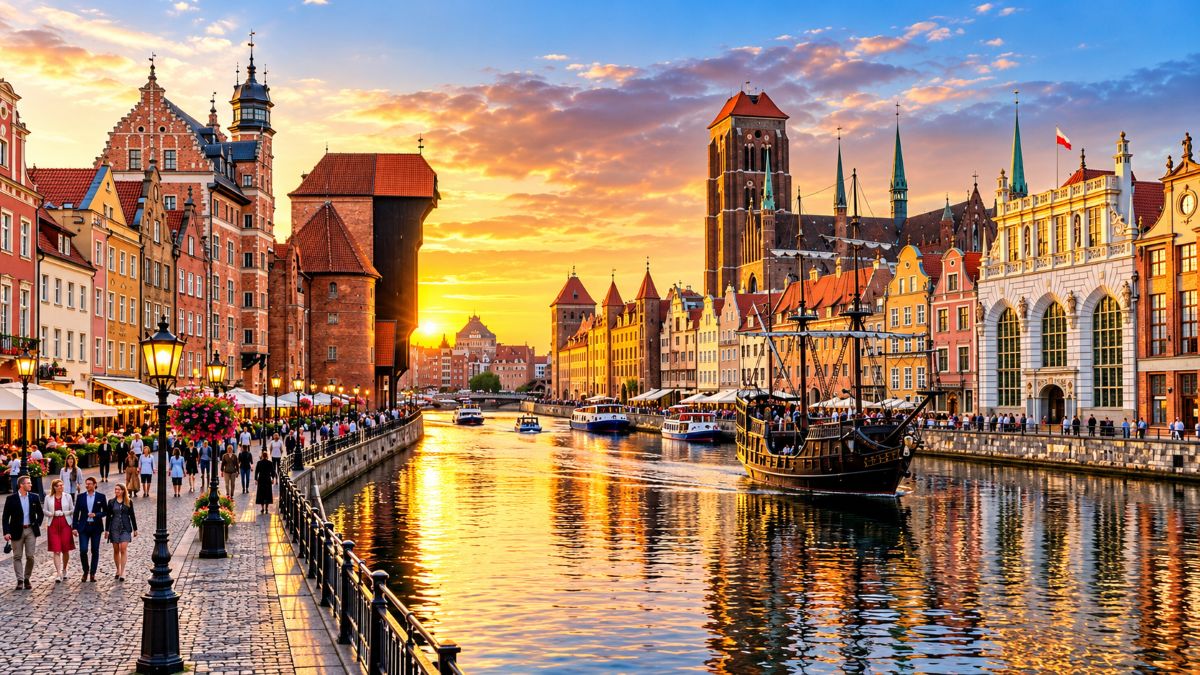
Poland is attracting attention from travellers seeking historic architecture, cultural discoveries and picturesque European city breaks. Its old towns combine medieval market squares, colourful merchant houses, impressive churches and atmospheric riverside settings, creating destinations that appeal to history enthusiasts and independent explorers. Eight cities, including Wrocław, Kraków, Bydgoszcz, Szczecin, Gdańsk, Poznań, Kalisz and Toruń, offer distinctive experiences shaped by centuries of trade, architecture and cultural exchange. From monumental Gothic landmarks to traditional regional food, these destinations provide visitors with multiple reasons to explore beyond Poland’s best-known tourist centres.
For travellers planning a Polish holiday, these historic districts offer opportunities to experience the country’s architectural heritage at a comfortable pace. Some destinations feature UNESCO-listed monuments, while others stand out for their waterfront promenades, reconstructed streetscapes and distinctive local traditions. Exploring these cities can also help visitors discover regional museums, traditional bakeries, independent cafés and public spaces that reflect everyday life. Careful itinerary planning allows travellers to combine several destinations, although distances, transport connections and seasonal opening arrangements should be considered before departure.
Eight Polish Old Towns Worth Exploring
Poland’s historic urban centres differ in character, scale and setting. Kraków is celebrated for its monumental medieval square, while Wrocław combines colourful architecture with lively streets and cultural attractions. Toruń is particularly notable for its preserved medieval townscape, whereas Bydgoszcz and Szczecin offer strong connections to rivers and waterfront landscapes.
The following table summarises the main attractions and travel experiences associated with each destination.
Advertisement
Advertisement
| Destination | Main attraction | Travel highlight |
|---|---|---|
| Wrocław | Historic Market Square and Gothic Town Hall | Colourful architecture and lively cafés |
| Kraków | Rynek Główny and St Mary’s Basilica | Medieval heritage and royal history |
| Bydgoszcz | Brda River and historic granaries | Waterfront walks and boat excursions |
| Szczecin | Pomeranian Dukes’ Castle and Chrobry Embankment | Riverside scenery and cultural venues |
| Gdańsk | St Catherine’s Church and historic town streets | Architectural heritage and maritime history |
| Poznań | Old Market Square and Imperial Castle | Renaissance buildings and regional food |
| Kalisz | Historic churches and municipal landmarks | Local history and green urban spaces |
| Toruń | Medieval Old Town and Town Hall | UNESCO heritage and traditional gingerbread |
Wrocław Combines Colourful Architecture With Historic Charm
Wrocław, the capital of Lower Silesia, is one of Poland’s most visually distinctive urban destinations. Its historic Market Square is surrounded by colourful townhouses and dominated by an elaborate Gothic Town Hall. The square provides a natural starting point for exploring the old town’s narrow streets, independent galleries, cafés and atmospheric courtyards.
The Town Hall houses the Museum of Bourgeois Art, offering insights into the city’s cultural past. Nearby, Plac Solny, traditionally known as the Salt Market, is recognised for its flower stalls. Visitors can also discover Piwnica Świdnicka, a historic cellar venue associated with the city’s long hospitality tradition. Together, these attractions make Wrocław an appealing destination for travellers interested in architecture, local culture and relaxed urban exploration.
Advertisement
Advertisement
Kraków Showcases Poland’s Medieval and Royal Heritage
Kraków offers one of the country’s most recognisable historic city experiences. Its principal square, Rynek Główny, measures approximately 200 metres by 200 metres and ranks among Europe’s largest medieval market squares. Established as part of the city’s planned urban layout in the thirteenth century, it remains a central point for sightseeing and cultural activities.
The Renaissance-style Cloth Hall recalls the square’s historic trading importance, while St Mary’s Basilica is celebrated for its monumental Gothic altarpiece. The nearby Church of St Adalbert adds another layer of architectural history. A short journey from the square leads to Wawel Hill, where the royal castle and cathedral provide a deeper understanding of Poland’s monarchy. Kraków is particularly suitable for visitors seeking a concentrated combination of historic landmarks, museums and walkable streets.
Bydgoszcz Offers Riverside Views and Architectural Discoveries
Bydgoszcz, known historically in English as Bromberg, presents a different perspective on Polish city tourism. Its relationship with the Brda River and surrounding waterways shapes the character of the historic centre. Visitors can explore sections of the waterfront on foot or investigate available boat excursions, depending on the season and operating schedules.
The city’s attractions include the Cathedral of St Martin and St Nicholas, historic granaries beside the river and the former Jesuit College, which now serves as the town hall. The monumental Polish Post building and historic water tower provide further architectural interest. For travellers seeking an alternative to Poland’s busiest sightseeing destinations, Bydgoszcz offers a combination of waterways, heritage buildings and urban scenery.
Szczecin Blends Waterfront Attractions With Modern Culture
Located in north-western Poland near the Oder River, Szczecin has a distinctive maritime atmosphere. Its waterfront promenades provide opportunities for walking and enjoying views across the river landscape, while boat trips and water-based recreation may appeal during suitable weather.
The city’s principal attractions include the Pomeranian Dukes’ Castle, the Cathedral Basilica of St James and the Chrobry Embankment, known in German as Hakenterrasse. The Szczecin Philharmonic adds a contemporary architectural landmark to the historic setting. Opened in 2014, the building hosts concerts and cultural events in distinctive performance spaces. The combination of historic monuments, waterfront scenery and modern cultural facilities makes Szczecin an interesting option for a varied city break.
Advertisement
Advertisement
Gdańsk Reveals Centuries of Urban and Maritime History
Gdańsk is widely associated with maritime commerce, historic architecture and the cultural development of Poland’s Baltic coast. Its historic urban districts contain churches, civic buildings and streets reflecting the city’s complex past. St Catherine’s Church is among the notable religious landmarks, with origins tracing back to a wooden church established in the twelfth century.
The historic Old Town Hall, constructed between 1587 and 1595, is another important building. Its Great Fireplace Hall is associated with cultural activities and historical interpretation. Visitors should distinguish between Gdańsk’s Old Town and the neighbouring Main Town, or Główne Miasto, where many of the city’s most famous architectural attractions are concentrated. Exploring both areas provides a fuller understanding of the city’s heritage.
Poznań Combines Renaissance Streets With Regional Traditions
Poznań offers a compelling mix of religious heritage, colourful architecture and distinctive culinary traditions. The Cathedral of St Peter and St Paul stands on Ostrów Tumski, an island associated with the early history of the Polish state. The Old Market Square features the historic Town Hall and a striking collection of Renaissance merchant houses.
Another prominent landmark is the Imperial Castle, constructed between 1905 and 1910 for German Emperor Wilhelm II. Today, the building functions as a cultural centre hosting exhibitions and events. Poznań is also known for its St Martin’s croissants, a regional speciality made with white poppy seeds. Visitors interested in food heritage can explore the traditions surrounding this protected regional product and learn how it contributes to the city’s cultural identity.
Kalisz Offers Ancient History and Peaceful Green Spaces
Kalisz is frequently described as one of Poland’s oldest cities. Its historical identity is associated with Kalisia, a settlement mentioned by the ancient geographer Ptolemy in the second century. The city’s position along historic trade routes contributed to its development over many centuries.
Much of Kalisz was destroyed during the First World War and subsequently rebuilt, with restoration efforts helping preserve elements of its architectural character. Attractions include the Franciscan church, historic administrative buildings and the city park surrounding parts of the centre. Established in the eighteenth century, the park provides green walking spaces, a Chinese pavilion and ornamental features. Kalisz may particularly appeal to travellers seeking a quieter destination with historical depth and opportunities for relaxation.
Advertisement
Advertisement
Toruń Preserves Medieval Architecture and Gingerbread Traditions
Toruń is one of Poland’s most important destinations for medieval heritage. Its historic centre has been recognised as a UNESCO World Heritage Site since 1997, reflecting the exceptional survival of its medieval urban layout and buildings. Brick Gothic architecture defines much of the townscape, creating an atmospheric setting for walking tours and historical exploration.
The Town Hall houses a regional museum with collections and exhibitions covering the city’s past. Toruń is also the birthplace of astronomer Nicolaus Copernicus, who was born there in 1473. Visitors can explore the Copernicus House to learn about his historical legacy. Another defining tradition is pierniki, the city’s celebrated gingerbread, whose production history stretches back to the medieval period.
Frequently Asked Questions
1. What are the most beautiful old towns in Poland?
Wrocław, Kraków, Toruń, Gdańsk and Poznań are among the most notable destinations for historic architecture, market squares and cultural attractions.
2. Which Polish old town is a UNESCO World Heritage Site?
Toruń’s medieval historic centre is a UNESCO World Heritage Site, recognised for its exceptionally preserved urban layout and historic architecture.
Advertisement
Advertisement
3. Why should travellers visit Wrocław?
Wrocław offers colourful townhouses, a historic Market Square, a Gothic Town Hall, museums, flower markets and lively cafés.
4. What is Kraków famous for?
Kraków is known for its medieval Main Market Square, St Mary’s Basilica, the Cloth Hall and the royal complex on Wawel Hill.
5. Is Bydgoszcz worth visiting for a city break?
Yes. Bydgoszcz offers riverside scenery, historic granaries, religious architecture, museums and opportunities for boat excursions when available.
Advertisement
Advertisement
6. What can visitors see in Szczecin?
Visitors can explore the Pomeranian Dukes’ Castle, St James’s Cathedral, the Chrobry Embankment and the modern Szczecin Philharmonic.
7. What makes Gdańsk historically significant?
Gdańsk has a long maritime and commercial history, reflected in its historic churches, civic buildings and architectural heritage.
8. Which Polish city is known for St Martin’s croissants?
Poznań is famous for its traditional St Martin’s croissants, a regional speciality made with white poppy-seed filling.
Advertisement
Advertisement
9. What is Toruń famous for besides its medieval architecture?
Toruń is associated with Nicolaus Copernicus and its traditional gingerbread, known locally as pierniki.
10. When is a good time to explore Poland’s historic towns?
Late spring and early autumn can offer comfortable conditions for walking and sightseeing, although weather, events and attraction opening times vary.
Advertisement
