
US Issues Fresh Travel Advisory For France As Paris Faces Violent Clashes, Looting, And Transport Disruptions

Published
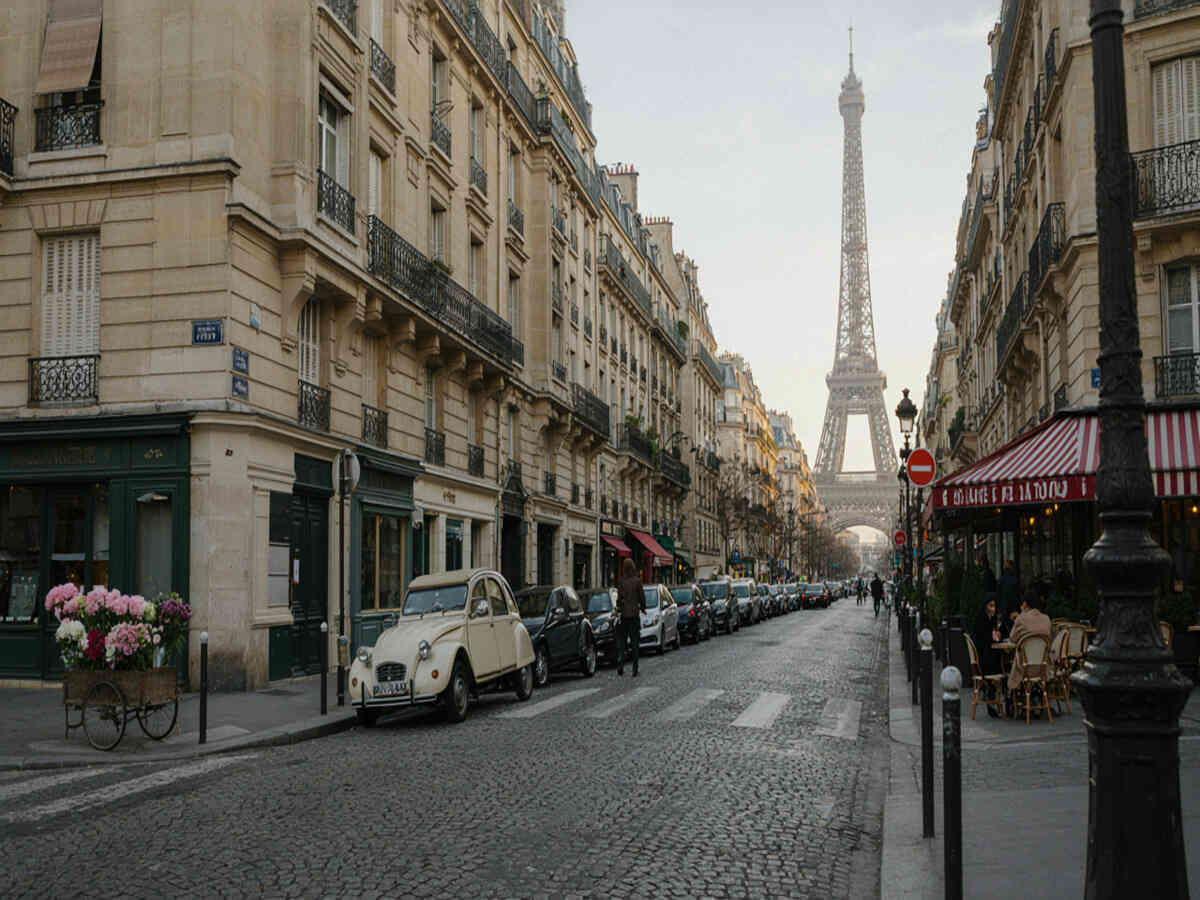
With violent protests and curfews raging in Paris, the US issues new travel advisories as preparation for the NFL match. The much celebrated notion of fall in Paris has been rudely awakened this time around by tear gas, broken store windows, and riot police in armor. With large-scale protests sweeping the country over the soaring cost of living and poor conditions in schools, the US government has made its move to issue new security alerts and travel advisory for the country. American tourists, business people, and thousands of football fans that will be streaming into the French capital for a historic NFL weekend will get a clear message from the US embassy.
The nationwide unrest, which initially began as a series of peaceful, union-organized marches drawing hundreds of thousands of citizens, has rapidly deteriorated. Today, France is navigating a complex security crisis characterized by violent clashes, uncontrollable looting, and targeted property destruction, forcing both local authorities and foreign embassies to enact emergency protocols.
The Spark and the Blaze: From Peaceful Marches to Nationwide Riots
What began as a localized expression of public frustration has morphed into a sprawling logistical and security nightmare. The primary catalysts—steep inflation driving up the cost of living and widespread dissatisfaction with the state of the public education system—initially brought everyday citizens into the streets. However, as the weekends progressed, the peaceful core of these demonstrations was hijacked by masked groups and radical factions intent on chaos.
The violence has not been contained to the capital. Across France, infrastructure and historical sites have become collateral damage. In a shocking display of the escalating tensions, masked groups recently set fire to the historic town hall in the central-western city of Limoges, a stark visual that has come to symbolize the severity of the unrest.
Advertisement
Advertisement
The French government has responded with overwhelming force and sweeping crowd-control measures. Law enforcement agencies have utilized tear gas and water cannons to disperse aggressive crowds. The sheer scale of the police response is reflected in the arrest records: authorities report at least 1,800 arrests nationwide. Tellingly, nearly half of these—855 arrests—occurred within the Paris region alone, highlighting the capital’s status as the epicenter of the clashes.
Decoding the US Security Warnings
In response to the rapidly changing environment, the U.S. State Department updated its travel advisory for France on October 21, 2026, maintaining a Level 2 (“Exercise Increased Caution”) designation but heavily revising the summary to reflect the immediate physical dangers of the riots.
Advertisement
Advertisement
The U.S. Embassy in Paris followed up with specific, urgent security alerts on October 19 and October 22. These bulletins emphasize that while the French government will permit legitimate, union-organized protests, it has vowed to aggressively curb “illegitimate” or unsanctioned gatherings. Because unsanctioned groups frequently break off from planned routes, the Embassy has warned that violence can erupt anywhere, often with zero warning.
Travelers are strictly advised to steer clear of large crowds, avoid areas with heavy police deployments, and abandon any plans to spectate the demonstrations. The embassy specifically noted that protests are slated for the weekend of October 24 and October 25, urging American citizens to prioritize their personal safety over sightseeing.
Ground Zero: Curfews, Closures, and City Hotspots
The geographical footprint of the protests is heavily impacting some of Paris’s most iconic neighborhoods. Heavy demonstrations and massive police barricades are expected to dominate Place de la République and Place de la Bastille throughout the weekend. Furthermore, media reports indicate that significant marches are also planned in the nearby city of Orléans.
To regain control, French authorities have implemented a series of severe, localized restrictions:
- Targeted Curfews: Partial nighttime curfews are active in heavily impacted neighborhoods, specifically around Châtelet-Les Halles and Place de la République. These curfews restrict free movement, are enforced by heavily armed patrols, and can be implemented or expanded with incredibly short notice.
- Protest Ban Zones: Temporary bans on all protests have been enacted around critical government and transit hubs. This includes the Elysée presidential palace, both houses of parliament, the city’s major train stations, and downtown commercial districts that have already suffered from uncontrolled looting.
- Cultural Blackouts: In a major blow to tourism, world-renowned landmarks including the Louvre and the Musée d’Orsay have announced full closures over the weekend to protect their staff, visitors, and priceless collections.
- Transit Paralysis: While major international gateways like Charles de Gaulle (CDG) and Orly airports remain operational and largely unaffected, navigating within the city is another story. Travelers face severe disruptions on local trams, buses, and metro lines, with sudden station closures and road blockades occurring frequently.
The NFL and Mega-Events: The Show Goes On
The timing of this unrest coincides with a massive sporting weekend for the city. On Sunday, October 25, the NFL is hosting a highly anticipated international game between the Pittsburgh Steelers and the New Orleans Saints. Despite the chaos unfolding in the city center, the league and local authorities are pushing forward.
League officials, working in lockstep with French security forces, have confirmed that the game at the Stade de France will proceed as scheduled. Both the Saints and the Steelers have maintained their standard practice and travel preparations, buoyed by daily security briefings. However, the fan experience has inevitably suffered. Due to the high risk of violence near Place de la Bastille, the NFL officially canceled the planned “Steelers Fan House” gathering, prioritizing the safety of traveling Americans.
Advertisement
Advertisement
Looking ahead to Tuesday, the UEFA Champions League soccer match between Paris Saint-Germain (PSG) and Barcelona is also scheduled to proceed, further testing the endurance and capacity of local security forces.
Major Event and Landmark Operational Status
| Event / Location | Venue / Area | Current Status | Operational Impact & Security Measures |
| Steelers vs. Saints (NFL) | Stade de France | Proceeding (Oct 25) | Heavy police perimeter; normal team operations continue. |
| Steelers Fan House | Bastille District | Canceled | Scrapped due to proximity to known protest hotspots. |
| PSG vs. Barcelona (UEFA) | Parc des Princes | Proceeding (Tuesday) | Heightened stadium security; match goes ahead as planned. |
| Louvre & Musée d’Orsay | Central Paris | Closed (Oct 24-25) | Full weekend closure to protect staff and patrons. |
| International Airports | CDG & Orly | Operational | Flights largely unaffected; travelers advised to arrive early. |
The Traveler’s Action Plan: Navigating a Divided City
For those currently in France, or those scheduled to arrive in the coming days, proactive planning is no longer optional—it is a necessity. The U.S. government and security experts have outlined a robust strategy for minimizing risk during this volatile period.
To ensure safety, travelers should immediately adopt the following protocols:
❖ Enroll in the Smart Traveler Enrollment Program (STEP): This free service provided by the State Department pushes real-time security alerts directly to your phone and allows the Embassy to locate you in an absolute emergency.
❖ Monitor Local Channels Relentlessly: Do not rely solely on international news. Tune into local English-speaking media outlets such as France 24 and RFI for breaking developments. Furthermore, download the official transit apps (RATP and SNCF) to track sudden metro closures or RER train delays.
❖ Master the Shelter Strategy: If you find yourself unexpectedly caught near a demonstration, do not attempt to cross through the crowd. Immediately shelter in place inside a secure commercial building, hotel, or restaurant, and wait for the crowds and police lines to disperse.
Advertisement
Advertisement
❖ Rethink Transit and Timelines: Accept that moving across Paris will take significantly longer than usual. Build extreme buffers into your schedule, map out secondary and tertiary walking routes to your destinations, and avoid relying on surface-level transit like buses or taxis, which can easily become trapped by sudden road blockades.
As Paris continues to suffer from violent protests, curfews, and travel disruptions, the US government has also issued a traveler’s warning for tourists and NFL supporters.
Although the French spirit lives on, the harsh truth of today’s Paris demands that visitors make drastic changes to how they perceive the city. In doing so by remaining well-informed, abiding by local curfews, and always aware of their surroundings, visitors can travel through one of the most turbulent nations in modern history.
Advertisement
