
Lithuania Teams Up With Latvia, Estonia, Poland, and Germany to Showcase the Baltic Coast as Europe’s Peaceful Beach Escape With UNESCO Landscapes, Blue Flag Shores, Coastal Culture, and Nature-Focused Travel Experiences: New Update

Published
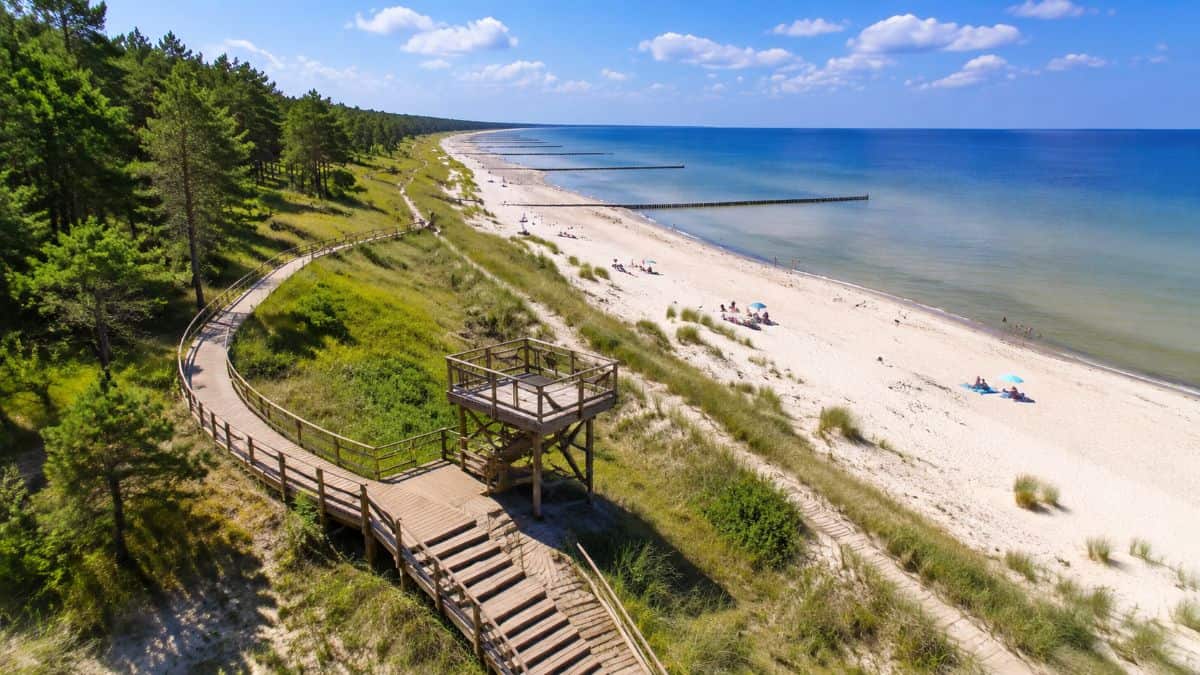
Image generated with Ai
Lithuania’s Baltic coastline is rapidly emerging as one of Europe’s most rewarding seaside destinations, offering travelers a refreshing alternative to the overcrowded beaches of Southern Europe. As visitors increasingly prioritize sustainability, authentic experiences, wellness, and affordability, Lithuania is positioning itself alongside neighboring Latvia, Estonia, Poland, and Germany in promoting the Baltic region as a destination where pristine landscapes, rich maritime traditions, and slow travel come together.
Unlike many of Europe’s high-profile beach destinations that face overtourism during peak summer months, Lithuania delivers wide sandy beaches, protected natural reserves, UNESCO-recognized landscapes, charming port cities, and thriving culinary experiences without sacrificing accessibility or visitor comfort. From the spectacular Curonian Spit to the vibrant maritime city of Klaipėda, the country’s coastline provides an immersive travel experience that balances outdoor adventure, environmental conservation, and local heritage. As international interest in responsible tourism continues to grow, Lithuania’s Baltic coast is increasingly capturing the attention of travelers seeking peaceful escapes that combine nature, culture, and memorable experiences.
Lithuania’s Baltic Coast Emerges as a New European Coastal Destination
Lithuania has become one of Northern Europe’s most attractive coastal destinations by offering visitors an entirely different beach holiday experience compared to traditional Mediterranean resorts. Rather than focusing solely on sunbathing, the Baltic coastline emphasizes nature conservation, cultural authenticity, outdoor recreation, and sustainable tourism.
The country’s coastline stretches along the Baltic Sea and features protected beaches, pine forests, sand dunes, coastal villages, and historical ports that remain relatively uncrowded throughout much of the tourism season.
Advertisement
Advertisement
| Baltic Coast Highlights | Visitor Benefits |
|---|---|
| Blue Flag Beaches | Clean and environmentally managed coastline |
| UNESCO World Heritage Sites | Internationally recognized natural landscapes |
| Coastal Cycling Routes | Sustainable exploration opportunities |
| Historic Maritime Cities | Rich cultural heritage |
| Nature Reserves | Wildlife and biodiversity protection |
| Outdoor Activities | Hiking, kayaking, sailing, paddleboarding |
According to tourism research, nature remains one of Lithuania’s strongest tourism assets, with a significant percentage of international visitors identifying natural landscapes as a primary reason for choosing the country.
Advertisement
Advertisement
The Curonian Spit Defines Lithuania’s Coastal Identity
The Curonian Spit stands as Lithuania’s most internationally recognized coastal attraction. Shared between Lithuania and Russia, this narrow sand peninsula has earned UNESCO World Heritage status due to its exceptional ecological importance and continuously evolving dune landscape.
Visitors encounter enormous shifting sand dunes, dense pine forests, peaceful beaches, freshwater lagoons, and picturesque fishing settlements that have preserved their traditional character for generations.
| Curonian Spit Experiences | Description |
|---|---|
| Dead Dunes Trail | Elevated boardwalk across moving sand dunes |
| Parnidis Nature Trail | Panoramic viewpoints overlooking sea and lagoon |
| Baltic Beaches | Quiet stretches of golden sand |
| Pine Forest Walks | Scenic nature trails |
| Lagoon Cruises | Traditional coastal excursions |
| Wildlife Observation | Protected habitats for native species |
The destination appeals equally to families, photographers, hikers, cyclists, and nature enthusiasts looking for a slower, more immersive travel experience.
Sustainable Cycling Strengthens Eco-Tourism
Cycling has become one of the defining experiences along Lithuania’s Baltic coast. A recently upgraded 50-kilometre cycling route links several settlements across the Curonian Spit through dedicated pathways separated from heavy traffic.
The route allows visitors to experience forests, beaches, dunes, villages, and coastal viewpoints while minimizing environmental impact.
Advertisement
Advertisement
| Cycling Advantages | Tourism Impact |
|---|---|
| Traffic-free sections | Safer family travel |
| Scenic viewpoints | Enhanced visitor experience |
| Easy terrain | Suitable for all skill levels |
| Eco-friendly transport | Reduced carbon footprint |
| Village connections | Supports local communities |
The cycling infrastructure aligns with Europe’s growing demand for sustainable and active tourism experiences.
Outdoor Adventures Beyond Traditional Beach Holidays
Lithuania’s coastline offers considerably more than swimming and sunbathing. Adventure tourism continues to expand across the Baltic region through water sports and outdoor recreation.
Popular activities include kayaking along lagoons, paddleboarding, canoeing, sailing, fishing excursions, and cruises aboard traditional Kurėnas wooden fishing boats.
These activities provide visitors with opportunities to experience the Baltic Sea while learning about centuries-old maritime traditions that remain central to local coastal communities.
| Outdoor Activities | Best Experience |
|---|---|
| Kayaking | Calm lagoon waters |
| Paddleboarding | Protected coastal areas |
| Canoeing | Nature exploration |
| Sailing | Baltic Sea adventures |
| Traditional Boat Cruises | Cultural heritage experiences |
| Hiking | Coastal and forest trails |
Amber Hunting Connects Visitors with Baltic Heritage
Amber has shaped Lithuania’s coastal identity for centuries and continues to fascinate international visitors.
Advertisement
Advertisement
Often referred to as “Baltic Gold,” amber regularly washes ashore following storms, particularly near the coastal village of Karklė.
Guided amber experiences allow travelers to understand the geological formation of fossilized tree resin while learning practical techniques for identifying authentic amber along Baltic beaches.
This distinctive cultural activity combines education, local history, and hands-on exploration, making it one of Lithuania’s most unique tourism offerings.
| Amber Tourism Experiences | Visitor Appeal |
|---|---|
| Guided Beach Walks | Learn amber identification |
| Geological Interpretation | Formation of Baltic amber |
| Cultural History | Ancient Baltic trade routes |
| Local Crafts | Amber jewelry traditions |
Ventė Cape Becomes a Paradise for Birdwatchers
Nature tourism reaches another level at Ventė Cape, one of Europe’s most respected bird migration observation points.
Situated along one of the continent’s major migratory routes, the area hosts millions of birds during seasonal migration.
Advertisement
Advertisement
The historic bird-ringing station has contributed valuable scientific research for decades while welcoming visitors interested in wildlife conservation.
Birdwatchers can observe numerous species during migration seasons while learning about international conservation initiatives.
| Wildlife Attractions | Importance |
|---|---|
| Bird Ringing Station | Scientific research |
| Migration Flyway | Millions of seasonal birds |
| Wetland Ecosystems | Rich biodiversity |
| Observation Points | Wildlife photography |
Klaipėda Combines Maritime Heritage with Modern Tourism
Lithuania’s third-largest city, Klaipėda, serves as the principal gateway to the Baltic coast and the Curonian Spit.
The city’s architecture reflects centuries of German, Lithuanian, and maritime influence, creating a unique Old Town filled with cobbled streets, restored warehouses, cultural institutions, and waterfront promenades.
Modern Klaipėda has also become an important culinary destination, with several restaurants earning recognition in the 2026 Michelin Guide, demonstrating Lithuania’s growing reputation within European gastronomy.
Advertisement
Advertisement
| Klaipėda Attractions | Visitor Experience |
|---|---|
| Historic Old Town | Cultural exploration |
| Maritime Museum | Naval heritage |
| Waterfront Promenade | Leisure and recreation |
| Michelin-recognized Dining | Contemporary cuisine |
| Art Galleries | Local creativity |
| Theatre Performances | Cultural entertainment |
Sea Festival Celebrates Lithuania’s Maritime Identity
Each July, Klaipėda hosts the country’s largest annual celebration—the Sea Festival.
Drawing more than half a million visitors, the festival showcases Lithuania’s deep maritime traditions through sailing events, concerts, cultural performances, family entertainment, local food markets, and waterfront celebrations.
The event has become one of the Baltic region’s premier cultural festivals while significantly contributing to regional tourism and local businesses.
| Sea Festival Features | Highlights |
|---|---|
| Maritime Parade | Historic vessels |
| Live Concerts | Local and international performers |
| Sailing Demonstrations | Nautical heritage |
| Family Activities | Interactive experiences |
| Food Markets | Regional cuisine |
| Cultural Performances | Lithuanian traditions |
Lithuania Benefits from Europe’s Growing Demand for Slow Travel
Changing travel preferences are creating significant opportunities for destinations like Lithuania.
Many travelers now seek destinations offering wellness, sustainability, authentic local culture, and uncrowded natural environments rather than mass tourism.
Advertisement
Advertisement
Lithuania’s Baltic coast aligns closely with these evolving expectations by combining environmental preservation, cultural authenticity, outdoor recreation, and high-quality visitor infrastructure.
Its affordability compared with many Western European coastal destinations further enhances its appeal among international travelers.
The Future of Lithuania’s Baltic Tourism
Lithuania continues investing in sustainable tourism infrastructure while protecting the natural landscapes that define its international appeal.
Improved cycling routes, environmental conservation, cultural preservation, responsible tourism policies, and expanding hospitality offerings are strengthening the country’s competitiveness within Europe’s tourism market.
As travelers increasingly prioritize meaningful experiences over crowded resorts, Lithuania’s Baltic coast is well-positioned to become one of Northern Europe’s most desirable coastal destinations, offering a balanced combination of nature, culture, wellness, and authentic Baltic hospitality.
Advertisement
Advertisement
Frequently Asked Questions
1. Why is Lithuania’s Baltic coast becoming popular among international travelers?
Lithuania offers uncrowded beaches, UNESCO-listed landscapes, sustainable tourism, outdoor recreation, and authentic cultural experiences at competitive prices.
2. What is the Curonian Spit famous for?
The Curonian Spit is renowned for its massive sand dunes, pine forests, protected beaches, cycling routes, and UNESCO World Heritage status.
3. Which city serves as the gateway to Lithuania’s Baltic coast?
Klaipėda serves as the primary gateway to the Curonian Spit and Lithuania’s Baltic coastline.
4. What outdoor activities are available along Lithuania’s coast?
Visitors can enjoy hiking, cycling, kayaking, paddleboarding, canoeing, sailing, birdwatching, and traditional boat cruises.
5. What makes Lithuania’s beaches different from Mediterranean destinations?
Lithuania offers quieter beaches, cooler summer temperatures, protected natural landscapes, and less crowded tourism experiences.
Advertisement
Advertisement
6. Where can visitors search for Baltic amber?
Amber hunting is especially popular around the coastal village of Karklė, where guided experiences help visitors identify genuine Baltic amber.
7. Why is Ventė Cape important?
Ventė Cape is one of Europe’s leading bird migration sites and is home to one of the continent’s oldest bird-ringing research stations.
8. What is the Klaipėda Sea Festival?
It is Lithuania’s largest annual maritime festival featuring parades, concerts, sailing events, cultural performances, and local markets.
9. Is Lithuania suitable for sustainable tourism?
Yes. Lithuania emphasizes environmental conservation, cycling infrastructure, protected nature reserves, and responsible tourism practices.
10. When is the best time to visit Lithuania’s Baltic coast?
Late spring through early autumn, particularly from May to September, offers pleasant weather for beaches, cycling, festivals, and outdoor exploration.
Advertisement
