
Peru and Colombia Expand Community Tourism With New Digital Verification and Nature-Based Travel

Published
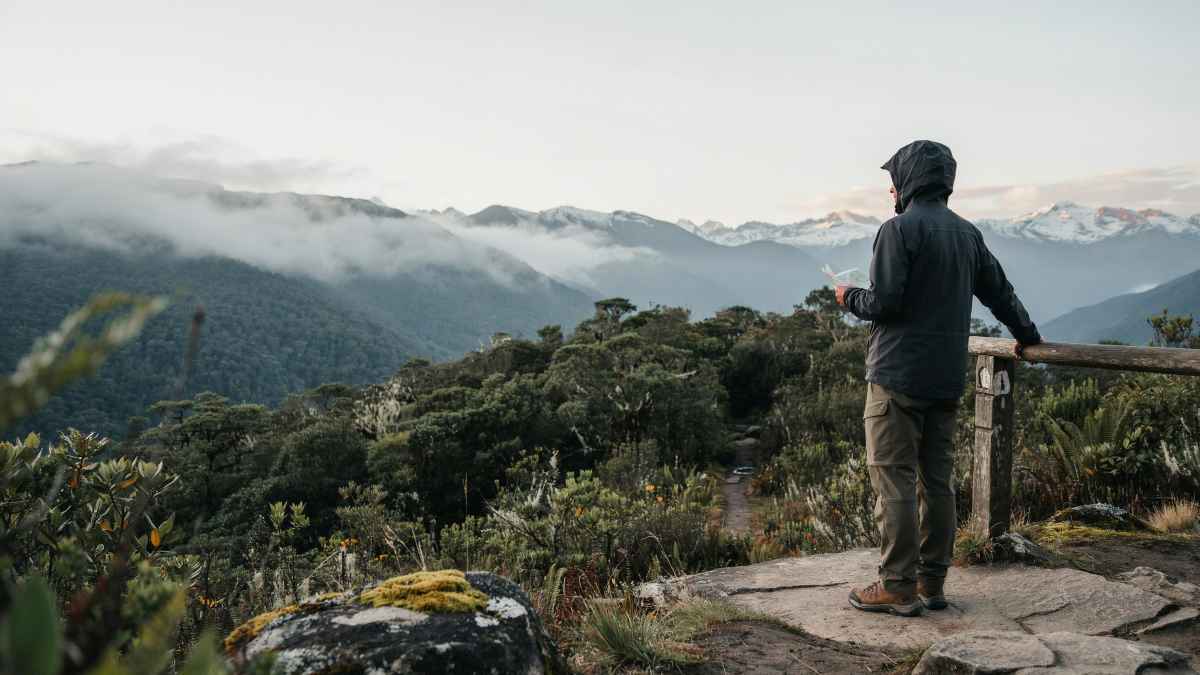
Image generated with Ai
Community experience, biodiversity, and digital visitor experience are what Peru and Colombia are focusing on as part of their tourism development strategy due to increasing demand from international travel buyers who no longer find city tours interesting enough. In the context of developments that will occur during the period September 27–30, 2026, it will be noted that Peru and Colombia have focused on their promotion of community tourism and their expanding relations internationally for nature-based tourism, respectively. The new trend integrates culture, rural tourism, local businesses, and digital services.
Peru Expands Its Community Tourism Digital Reach
Peru’s Ministry of Foreign Trade and Tourism, MINCETUR, has been developing digital tools to connect travellers with community-based tourism experiences across the country.
In May 2026, the ministry launched a dedicated community tourism website and digital catalogue featuring 39 experiences. The platform is designed to help visitors discover locally operated tourism activities and connect with Peru’s living cultural traditions.
Advertisement
Advertisement
The initiative gives international visitors and travel intermediaries a more accessible way to explore experiences beyond the country’s best-known attractions.
For the tourism trade, digital discovery can help bring smaller community operators into the consideration set of overseas buyers, particularly those developing cultural, educational and incentive itineraries.
Advertisement
Advertisement
Sacred Valley Adds Community-Led Experiences
Cusco and the Sacred Valley remain central to Peru’s international tourism identity, with archaeological heritage, Andean landscapes and living traditions forming the foundation of many itineraries.
Advertisement
Advertisement
Community-based excursions can extend these journeys beyond established visitor circuits. Local craft demonstrations, traditional food experiences, agricultural activities and cultural encounters can give travellers a closer understanding of the communities that maintain regional traditions.
For corporate incentive planners, these experiences can provide alternatives to conventional sightseeing while supporting locally operated services.
The opportunity is not limited to Cusco. Peru’s wider community tourism network includes destinations where visitors can connect with local culture, nature and rural livelihoods.
Artisan Tourism Creates New Routes for Local Businesses
Advertisement
Advertisement
Peru’s artisan tourism promotion also connects travel with craft production and cultural heritage.
Traditional textiles, ceramics, weaving and other forms of local craftsmanship can become part of visitor experiences when communities are involved in presenting their work and receiving tourism income.
A digital directory can improve visibility for these businesses, although inclusion in an online catalogue should not automatically be interpreted as a formal certification of every operator or excursion.
For overseas travel advisors, the practical value lies in finding identifiable experiences and local providers that can be incorporated into itineraries.
Colombia Takes Nature Tourism Beyond Major Cities
Colombia is advancing its international tourism promotion through nature, adventure, wellness and regional experiences.
Advertisement
Advertisement
A significant late-September development was the 14th Colombia Nature Travel Mart, held in Meta, with international buyers and Colombian tourism businesses meeting to explore commercial opportunities.
ProColombia reported that 47 international buyers from 18 countries were expected to meet 55 Colombian businesses representing 16 departments. The programme included nature, adventure and wellness tourism, with regional visits and business meetings scheduled across the event period.
The gathering places regional tourism businesses directly in front of international operators, creating opportunities to develop products for overseas catalogues.
Bogotá and Medellín Connect International Demand With Regional Experiences
Bogotá and Medellín remain important entry and business centres for international visitors exploring Colombia.
Bogotá’s El Dorado International Airport serves as a major gateway for incoming travellers, while Medellín provides access to Antioquia’s cultural, culinary and nature-based experiences.
Advertisement
Advertisement
For tour operators, the combination makes it possible to build itineraries that begin in major urban destinations before moving towards rural communities, biodiversity corridors and regional cultural experiences.
The growing focus on nature tourism also allows Colombia to connect convention and corporate travel with experiences beyond meeting venues.
Digital Visitor Credentials and Airport Processing
Digital verification is becoming an important part of international travel operations.
At El Dorado International Airport, Migración Colombia expanded the international arrivals processing area in May 2026, increasing operational capacity to 61 immigration control points, including 28 biometric processing modules. The agency said the expansion was intended to improve passenger handling and arrival operations.
This provides a verified example of biometric processing development at Colombia’s principal international gateway.
Advertisement
Advertisement
However, a separate September mandate requiring biometric visitor credentials across all new MICE and bleisure packages was not independently confirmed in the available official reporting. The distinction matters: airport immigration technology and tourism-package certification are different operational systems.
MICE and Bleisure Travel Find a Wider Regional Role
The growth of nature-based tourism creates opportunities for corporate travel programmes to incorporate regional experiences alongside business meetings.
In Peru, a Lima-based conference itinerary could include artisan or cultural experiences, while Cusco offers access to the Sacred Valley and surrounding communities.
In Colombia, Bogotá and Medellín can serve as starting points for programmes involving rural destinations, biodiversity, food traditions and outdoor activities.
For organisers, these combinations can extend visitor spending beyond hotels and convention facilities, bringing local guides, transport providers, artisans and community enterprises into the tourism supply chain.
Advertisement
Advertisement
Regenerative Tourism Depends on Local Participation
Community-based tourism is not defined simply by taking visitors into rural areas. Its long-term value depends on whether local people participate in planning, delivery and economic benefits.
Peru’s September recognition of three community tourism organisations in Amazonas through permission to use the Marca Perú identity provides another example of formal destination promotion involving community operators.
Plataforma del Estado Peruano
For international buyers, clear information about ownership, operating arrangements, visitor capacity and community benefits remains important when selecting experiences.
A Broader Andean Tourism Proposition
Peru and Colombia are designing tourism propositions linking their well-known entry points to community tourism, culture and nature-based tourism. Peru’s electronic cataloguing of community tourism and Colombia’s nature-based tourism marketplace initiative provide an opportunity for small companies to access travel intermediaries. In anticipation of late 2026 and 2027 programs by international operators, the Andean corridor is becoming an increasingly popular place to market tourism through culture, biodiversity and experiences.
Advertisement
