
Image generated with Ai
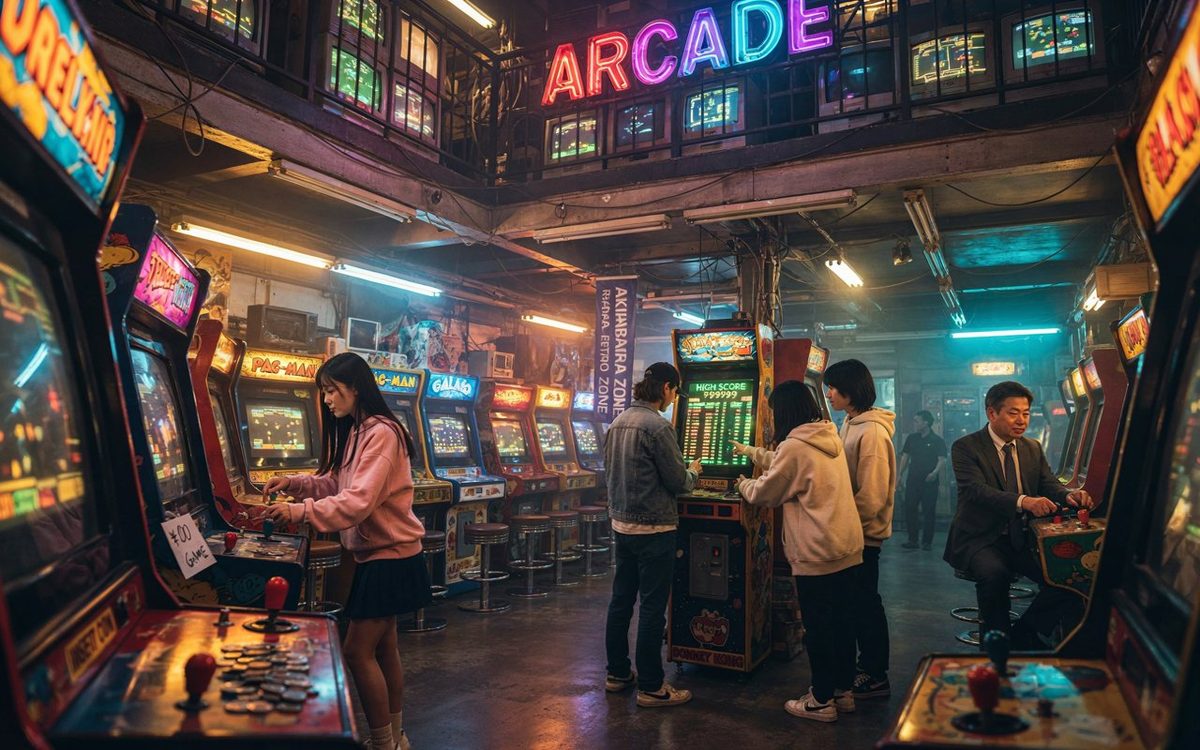
Japan has officially overtaken its global competitors, since multi-story retro game dens and independent arcades have preserved the art of classic coin-op cabinet engineering with exceptional accuracy. Moreover, the global audience of curious travelers has been fascinated and impressed by the way these vertical video sanctuaries manage to keep vintage coin-op equipment alive.
Japan leads the world in popularity among modern pop-culture tourists due to multi-story retro game dens and independent arcades being dedicated to the art of classic coin-op cabinet engineering better than in any other country. Those who have visited Tokyo describe multi-floor electronic shrines devoted to the preservation of vintage digital history. Dedicated engineers carefully maintain the cathode-ray tube screens and intricate internal wirings of these retro video machines daily. As a result, this exceptional maintenance prolongs the lifespan of defunct arcade software many times, thus securing its future generations’ ability to experience it.
Advertisement
Vintage arcade, pinball, and retro-gaming cultural journeys have transformed historical coin-operated amusement preservation into a vibrant international tourism subculture. Travelers are increasingly mapping global destinations through historic pinball halls, multi-story game dens, and mechanical museums. This movement spans the vertical electronics meccas of Tokyo, the industrial pinball heartlands of America, the microcomputing hubs of the United Kingdom, and the artistic digital-heritage spaces of Paris.
Tokyo operates as the ultimate global epicenter for arcade preservation because its high-density architecture houses legendary multi-story shrines to electronic entertainment. Independent specialty institutions in districts like Akihabara actively pivot away from mainstream consumer shifts to preserve rare 1980s and 1990s Japanese personal computers and classic arcade hardware. Stores function as living archives of intricate cartridge engineering and vulnerable software that would otherwise vanish from public memory. Nakano Broadway acts as a quieter subterranean-to-skyline counterweight housing legendary curators who catalog vintage arcade flyers and rare hardware variants like fine art. These vertical labyrinths offer international visitors an unmatched tactile connection to the golden age of arcade manufacturing. Enthusiasts spend hours navigating narrow stairwells filled with glowing CRT monitors and the unmistakable chime of mechanical coin drops.
Advertisement
Advertisement
American retro-gaming tourism successfully maps the industrial design evolution of electromechanical coin-operated machines across the Pacific Northwest and the Midwest. Regional preservation spaces feature chronological hands-on layouts spanning vintage 1960s electro-mechanical games to modern dot-matrix display pinball tables. Visitors experience the direct physical evolution of heavy flipper physics, complex relay logic boards, and intricate backglass artistry. The American Midwest remains deeply recognized as a historic heartland for coin-op manufacturing giants like Bally, Stern, and Midway. These expansive preservation hubs allow contemporary travelers to study the structural shift from discrete electrical circuits to integrated microprocessors.
“Stepping inside these vertical neon sanctuaries in Tokyo feels like walking directly into a living time capsule of electronic history. You can immediately sense the incredible dedication required by local technicians who spend countless hours meticulously repairing aging CRT monitors and fragile circuit boards. Unlike modern digital downloads that lack physical presence, standing before these authentic cabinets lets you experience the true weight of vintage coin-op engineering firsthand. It is a profoundly moving experience for anyone who appreciates the foundational artistry of early video games.”
— Anup Kumar Keshan, Founder and Editor-in-Chief, Travel And Tour World
British retro-gaming culture places a heavy institutional emphasis on home microcomputing, interactive education, and the preservation of foundational digital milestones. Institutions like the Centre for Computing History house massive collections of operational 1970s and 1980s home computers alongside classic coin-op arcade cabinets. These museums prioritize tactile education by allowing modern visitors to trace how classic bedroom coding culture grew directly out of early arcade paradigms. Seaside cultural hubs like Brighton integrate vintage coin-op history through independent arcades preserving mechanical penny-falls and early vector graphics cabinets. Such locations successfully blend seaside nostalgic traditions with rigorous digital heritage preservation for multi-generational audiences.
Travelers can explore official national data and cultural heritage archives through the Agency for Cultural Affairs Media Arts Database and plan their itineraries via the Japan National Tourism Organization.
France approaches retro-gaming culture through a distinctively artistic and lifestyle-oriented lens that fuses design preservation with contemporary social spaces. Parisian concept bars marry independent digital heritage initiatives with hospitality by curating rotating lineups of meticulously maintained French and Japanese arcade cabinets. Independent pop-up exhibitions across the French capital frame vintage coin-op design as legitimate industrial art objects. These spaces celebrate distinct aesthetic movements including neon cyberpunk styling, geometric minimalism, and hand-painted cabinet side-art that defined global arcade history. Travelers seeking meaningful cultural immersion find that these Parisian venues treat vintage gaming hardware as cherished elements of modern European design history.
Ultimately, the sheer sustainability of these Japanese entertainment hubs proves that physical preservation holds profound appeal in our digital age. The enthusiasts who patronize these neon-lit establishments feel they are getting a true connection to the golden period of interactive electronic design. As such, these multi-tiered institutions will continue to exert their influence as critical blueprints for international game preservation. Future travelers should take note: visit these legendary facilities before original hardware components become impossible to source.Cause, Answer, and ReasonThe root cause of this phenomenon can be found in the dearth of original spare parts for these vintage gaming devices. The direct answer to this issue is that specialized Japanese technicians have developed techniques for repairing individual components and performing preventative electronics maintenance. The principal reason is the deeply-ingrained cultural ethos of respecting industrial craftsmanship that values historical authenticity over transitory corporate interests.
Advertisement
Tags: coin-op cabinet engineering, gaming preservation, pinball heritage, retro gaming, Tokyo arcades, vintage arcade
Advertisement
Advertisement













Thursday, September 3, 2026

Thursday, September 3, 2026

Thursday, September 3, 2026

Thursday, September 3, 2026

Thursday, September 3, 2026

Wednesday, September 2, 2026

Thursday, September 3, 2026

Thursday, September 3, 2026


