
Cambodia Accords With Myanmar, Philippines, Indonesia and More as World Economic Forum Reveals Tourism Growth Challenges

Published
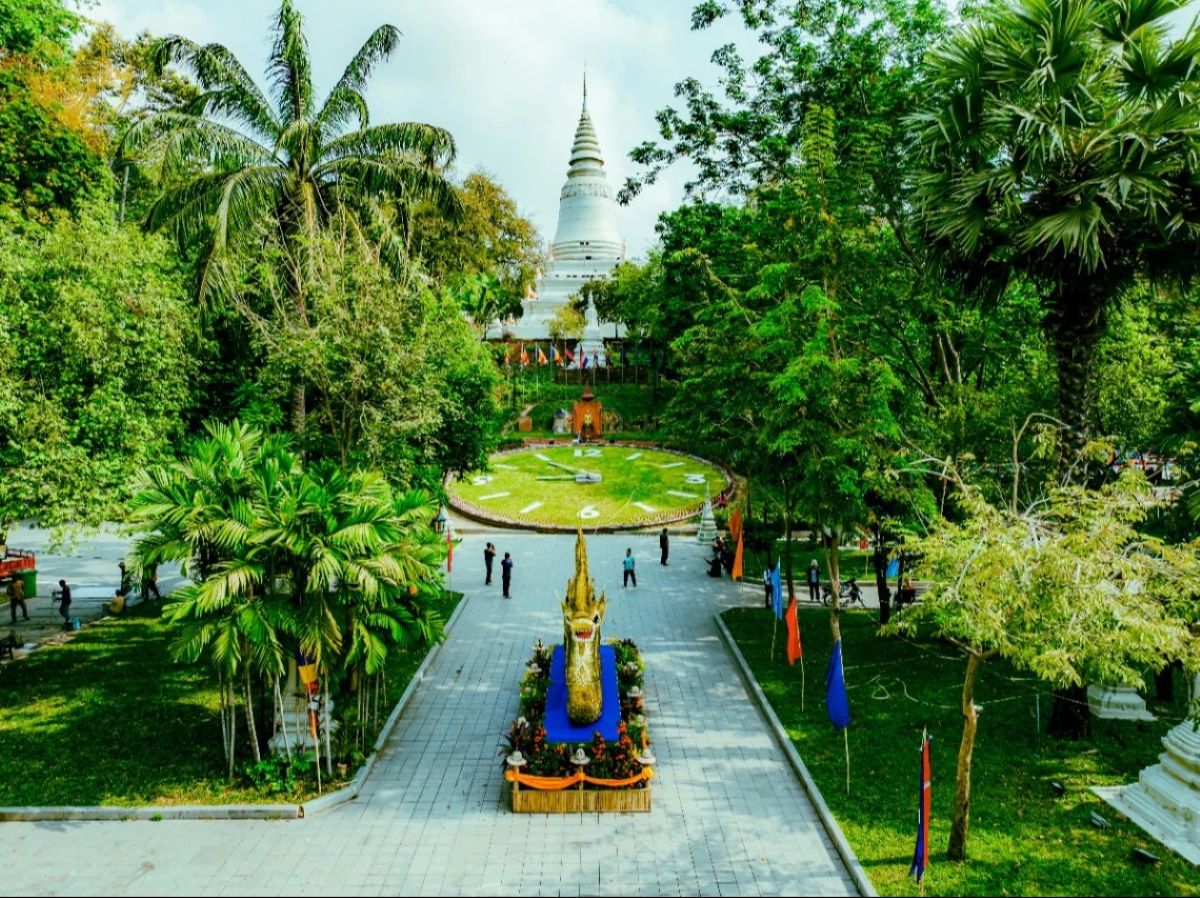
Image Credit: Cambodia Ministry of Tourism
Cambodia accords with Myanmar, Philippines, Indonesia and more as World Economic Forum reveals tourism growth challenges because Asian destinations are facing a new phase where tourism expansion requires stronger infrastructure, sustainability measures and long-term resilience. The World Economic Forum’s Travel & Tourism Development Index framework highlights that tourism success depends not only on attracting visitors but also on managing growth effectively. Cambodia, Myanmar, Philippines, Indonesia and other Asian markets continue offering major cultural, natural and adventure tourism opportunities, but they also face challenges linked with connectivity, investment, climate risks and destination management. As global travel demand increases, these countries are working to strengthen tourism systems while protecting the resources that make them attractive to international travellers.
What does the World Economic Forum Travel & Tourism Development Index reveal about tourism growth in 2026?
The World Economic Forum Travel & Tourism Development Index evaluates how prepared countries are to support long-term tourism development. The assessment focuses on the conditions that allow destinations to become competitive, sustainable and resilient.
The index examines several key areas:
Advertisement
Advertisement
| Tourism Development Factor | Importance |
|---|---|
| Enabling environment | Supports investment and business confidence |
| Infrastructure | Improves visitor access and mobility |
| Travel facilitation | Helps international tourism flows |
| Natural and cultural resources | Creates destination appeal |
| Sustainability and resilience | Protects tourism assets |
The WEF approach shows that tourism success depends on more than visitor numbers. Destinations with stronger transport networks, better planning and effective sustainability strategies are better positioned to benefit from future travel demand.
However, many destinations now face the challenge of expanding tourism while maintaining quality experiences and protecting resources.
Advertisement
Advertisement
Why are Asian destinations facing greater tourism growth pressure in 2026?
Asia remains one of the world’s most important tourism regions, but destinations are entering a more complex phase of development. The challenge is shifting from attracting visitors to managing tourism growth responsibly.
The World Economic Forum’s tourism development framework evaluates factors that influence competitiveness, including infrastructure, sustainability, travel facilitation and business conditions.
Advertisement
Advertisement
| Tourism Challenge | Impact on Destinations |
|---|---|
| Infrastructure gaps | Limits visitor capacity and accessibility |
| Connectivity issues | Reduces international travel opportunities |
| Sustainability pressure | Threatens natural and cultural resources |
| Investment requirements | Slows tourism expansion |
| Climate risks | Creates uncertainty for outdoor tourism |
Countries with strong attractions may still struggle if airports, roads, accommodation and visitor services cannot support growing demand.
The future of tourism in Asia will depend on how effectively destinations improve systems while protecting the resources that attract travellers.
Why is Myanmar facing one of Asia’s most difficult tourism recoveries?
Myanmar has significant tourism assets, including ancient heritage sites, cultural traditions and natural landscapes. Destinations such as Bagan and Inle Lake have historically attracted international visitors.
However, tourism recovery remains challenging because of reduced international connectivity, lower investment and visitor confidence concerns.
Advertisement
Advertisement
| Tourism Strength | Growth Challenge |
|---|---|
| Ancient heritage sites | Reduced international access |
| Cultural experiences | Lower tourism investment |
| Natural attractions | Connectivity limitations |
Myanmar demonstrates that strong tourism resources alone cannot guarantee growth. Destinations also require stable conditions, effective infrastructure and international accessibility.
Improving tourism performance will depend on rebuilding confidence and creating stronger conditions for travellers and businesses.
Why is Cambodia managing uneven tourism recovery despite its global attractions?
Cambodia remains one of Southeast Asia’s most recognised cultural destinations, mainly because of Angkor Wat and its historic heritage.
However, tourism growth faces challenges linked with market dependence and destination concentration.
| Tourism Asset | Challenge |
|---|---|
| Angkor Wat | Heavy visitor concentration |
| Cultural heritage | Need for wider tourism development |
| International demand | Recovery varies across markets |
Cambodia is working towards expanding tourism beyond its most famous attractions by promoting additional regions and experiences.
The country’s future growth depends on stronger transport links, improved visitor facilities and sustainable management of heritage locations.
Advertisement
Advertisement
How are Nepal, Philippines and Indonesia balancing tourism growth and sustainability?
Several Asian destinations are not only trying to recover but also manage increasing tourism demand.
Nepal continues attracting adventure travellers through Himalayan tourism, but mountain infrastructure and environmental protection remain important concerns.
| Country | Main Challenge |
|---|---|
| Nepal | Mountain infrastructure and climate pressures |
| Philippines | Island connectivity and weather risks |
| Indonesia | Overcrowding and sustainability management |
The Philippines has strong potential through beaches, diving and nature tourism, but thousands of islands create transport challenges.
Indonesia faces pressure in popular destinations such as Bali, where visitor growth requires stronger environmental protection and visitor management.
Why does infrastructure and sustainability determine Asia’s tourism future?
Tourism development increasingly depends on the ability to provide reliable transport, digital services, accommodation and environmental protection.
The WEF framework highlights several important tourism development factors:
Advertisement
Advertisement
| Factor | Importance |
|---|---|
| Business environment | Encourages tourism investment |
| Infrastructure | Improves visitor movement |
| Travel facilitation | Supports international arrivals |
| Natural resources | Creates tourism demand |
| Sustainability | Protects destinations |
Countries that invest in these areas are better positioned to manage future tourism growth.
For emerging destinations, improving infrastructure while protecting cultural and natural assets will be essential.
Why is tourism growth becoming more difficult for destinations worldwide?
Tourism demand has recovered significantly, but rapid growth has created new challenges for destinations. Many locations are now managing increased pressure on airports, roads, accommodation, attractions and local communities.
The major challenges include:
| Challenge | Tourism Impact |
|---|---|
| Infrastructure limitations | Visitor facilities may struggle with rising demand |
| Climate change | Weather events disrupt travel patterns |
| Overcrowding | Popular attractions face excessive pressure |
| Workforce shortages | Tourism businesses experience labour challenges |
| Investment needs | Destinations require continuous upgrades |
The tourism industry is shifting from simply increasing visitor numbers to managing growth responsibly.
Governments are focusing on:
Advertisement
Advertisement
- Better visitor management.
- Sustainable infrastructure.
- Environmental protection.
- Community participation.
The ability to balance economic benefits with social and environmental needs is becoming a defining factor for successful tourism destinations.
How are climate risks changing the future of global tourism?
Climate risks are becoming a major consideration for tourism planning worldwide. Destinations dependent on beaches, mountains, forests and outdoor activities are increasingly adapting to changing environmental conditions.
Potential impacts include:
| Climate Risk | Tourism Effect |
|---|---|
| Heatwaves | Changes traditional travel seasons |
| Flooding | Damages attractions and transport systems |
| Storms | Disrupts flights, cruises and coastal tourism |
| Wildfires | Limits access to natural destinations |
| Rising sea levels | Creates pressure on coastal areas |
Climate resilience is becoming essential for destinations that depend heavily on natural attractions.
Tourism authorities are investing in adaptation strategies to protect infrastructure, improve emergency planning and maintain visitor experiences.
The WEF highlights that future tourism growth will require destinations to prepare for environmental changes while continuing to support economic development.
Advertisement
Advertisement
Which regions face the biggest tourism development pressures?
The WEF framework identifies tourism development conditions rather than simply measuring visitor arrivals. A destination can have valuable attractions but still face difficulties if infrastructure, connectivity or investment capacity remain limited.
Key pressure areas include:
| Region | Main Tourism Challenge |
|---|---|
| Southeast Asia | Managing rapid growth and sustainability demands |
| Small island destinations | Climate vulnerability and transport costs |
| Developing economies | Infrastructure and investment gaps |
| Heritage destinations | Protecting cultural resources |
Many emerging destinations possess significant tourism potential but require stronger airports, digital systems, accommodation capacity and visitor facilities.
The challenge is transforming natural and cultural assets into sustainable tourism economies.
Which factors help countries become tourism leaders?
Leading tourism economies usually combine strong infrastructure, international connectivity and effective tourism policies.
| Strength | Tourism Advantage |
|---|---|
| Modern airports | Easier international access |
| Strong infrastructure | Better visitor experience |
| Sustainable policies | Long-term destination protection |
| Investment environment | Supports tourism businesses |
The WEF index measures these enabling conditions rather than only ranking countries by tourist arrivals.
Advertisement
Advertisement
Successful tourism destinations often create a balance between economic growth, environmental responsibility and visitor satisfaction.
What does the WEF warning mean for travellers and the tourism industry?
For travellers, the changing tourism landscape means future journeys may increasingly focus on meaningful experiences, sustainability and less crowded destinations.
Emerging travel trends include:
- Longer stays.
- Nature-based experiences.
- Responsible tourism.
- Local community engagement.
- Sustainable travel choices.
For the tourism industry, future growth will require cooperation between governments, airlines, hotels and destination authorities.
| Priority | Required Action |
|---|---|
| More visitors | Better infrastructure |
| Environmental protection | Sustainable practices |
| Economic benefits | Community involvement |
| Future resilience | Climate adaptation |
Conclusion
Cambodia accords with Myanmar, Philippines, Indonesia and more as World Economic Forum reveals tourism growth challenges as Asia’s tourism future enters a period of transformation. The reason behind these challenges is the growing pressure to balance rising visitor demand with infrastructure development, environmental protection and sustainable destination management. The answer lies in stronger investment, improved connectivity and responsible tourism planning. Cambodia, Myanmar, Philippines, Indonesia and more destinations continue to hold significant tourism potential, but future growth will depend on how effectively they overcome existing barriers. The World Economic Forum’s insights show that successful tourism will require quality experiences, resilient systems and long-term strategies.
Image Credit: Cambodia Ministry of Tourism
Advertisement
