
Lithuania Becomes a Growing Choice for Affordable European Medical Care

Published
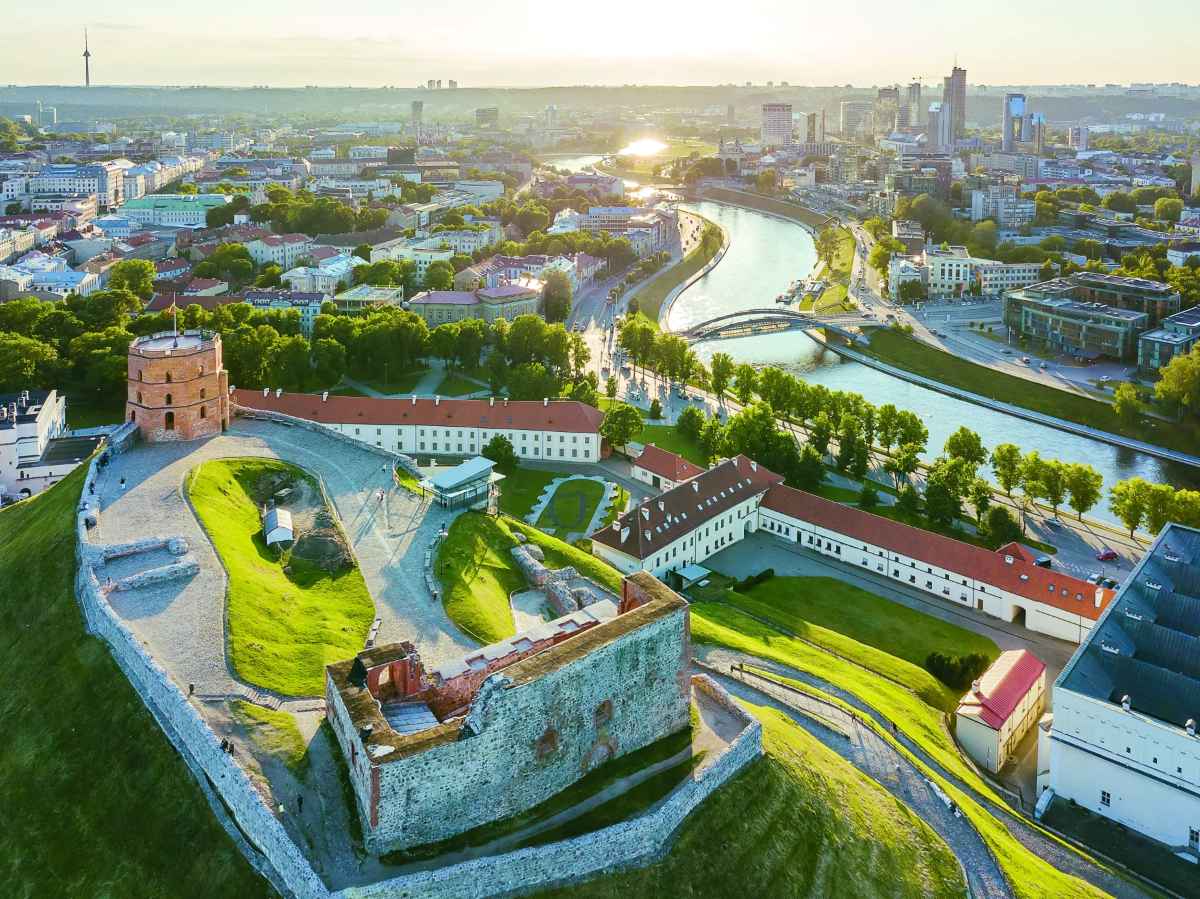
Lithuania is becoming more known as a destination for European international healthcare tourists including patients with orthopaedic conditions, dentistry requirements and cosmetic surgeries. It was reported in a recent article in The Telegraph that there has been a rise in the number of British patients using Lithuanian private clinics, which have noted that they receive an increasing number of foreign patients and bookings. However, calling Lithuania the fastest-growing health tourism destination in Europe would go further than the information that exists. There is no authoritative Europe-wide ranking that would prove Lithuania’s position. Rather, the more validated story would be about Lithuania developing its own health tourism offer that consists of EU-approved health care, specialisation, faster access to treatment in some private clinics and lower prices of treatment in comparison to other parts of Western Europe. Besides, Lithuania’s health tourism includes not only hospitals, but also spas recognised officially as key destinations for health tourism and sport activities.
British Patients Are Increasingly Looking East
Recent reporting has brought renewed attention to Lithuania’s appeal among British healthcare travellers.
Advertisement
Advertisement
According to The Telegraph, Nordorthopaedics in Lithuania has seen the number of British patients travelling for treatment more than double compared with the pre-pandemic period, reaching more than 3,500 this year.
Other private healthcare providers have also reported strong increases in foreign patients.
Advertisement
Advertisement
Orthopaedic treatment is particularly prominent. British patients have travelled to Lithuania for procedures including hip and knee replacement, with some choosing private treatment because of lower prices and shorter waiting periods compared with their domestic options.
The reported price difference can be substantial, although costs vary according to the procedure, hospital, surgeon, rehabilitation and individual medical circumstances.
Advertisement
Advertisement
EU Healthcare Rules Provide a Major Advantage
One of Lithuania’s clearest advantages is its position inside the European Union.
Lithuanian healthcare providers operate within the EU regulatory framework, while EU citizens can access cross-border healthcare under the rules established by the EU Cross-Border Healthcare Directive.
Advertisement
Advertisement
The European Commission’s latest cross-border healthcare data, published in May 2026, covers patient care under Directive 2011/24/EU and provides the framework through which eligible patients can seek healthcare in another EU member state.
This does not mean every procedure is automatically reimbursed or that every private clinic carries identical accreditation. Patients still need to check eligibility, reimbursement rules, provider credentials and treatment arrangements before travelling.
For patients from outside the EU, EU membership can nevertheless provide reassurance around the broader regulatory environment.
Treatment Costs Can Be Lower
Price is another factor behind Lithuania’s growing medical tourism profile.
Advertisement
Advertisement
Recent reporting indicates that some orthopaedic and cosmetic procedures can cost 40% to 70% less than comparable private treatment in Britain, depending on the procedure and provider.
The difference can become especially significant for patients paying privately.
One case reported by The Telegraph involved a British patient who received a hip replacement package in Lithuania for substantially less than a private quote in Britain.
Another patient reportedly travelled to Kaunas for robot-assisted knee replacement after facing a lengthy NHS waiting period.
These individual examples demonstrate the market’s appeal, but they should not be treated as evidence that every treatment in Lithuania is cheaper by the same margin.
Doctors and Specialist Care Support the Market
Lithuania has a relatively strong medical workforce by European standards.
Advertisement
Advertisement
The OECD’s latest health profile reports 4.6 practising doctors per 1,000 people, compared with an OECD average of 3.9.
Lithuania also has approximately 5.5 hospital beds per 1,000 population, above the OECD average of 4.2.
The figures provide useful context for the country’s healthcare capacity, although a high doctor-to-population ratio alone does not establish that Lithuania is Europe’s leading medical tourism destination.
Private hospitals and specialist clinics in Vilnius and Kaunas are at the centre of international patient activity.
Orthopaedics, dentistry, fertility treatment, cosmetic procedures and selected specialist services form important parts of the international offer.
Vilnius and Kaunas Lead International Treatment
Vilnius is Lithuania’s main international gateway and one of the country’s principal healthcare centres.
Advertisement
Advertisement
The capital combines private medical facilities with international air connections, hotels and tourism infrastructure, making it practical for overseas patients and accompanying family members.
Kaunas has also developed a strong medical tourism profile, particularly in orthopaedics.
Patients can combine treatment with recovery stays, although medical travellers should always prioritise clinical advice over tourism considerations when planning post-operative activities.
Lithuania’s compact geography also allows visitors to move relatively easily between its main cities and resort destinations.
Health Tourism Extends Beyond Hospitals
Lithuania’s health tourism offering includes a broader wellness sector.
The Ministry of the Economy and Innovation identifies four official resorts: Birštonas, Druskininkai, Neringa and Palanga.
Advertisement
Advertisement
It also recognises resort areas where health tourism and active recreation are prioritised.
Druskininkai is particularly well known for spa, rehabilitation and wellness services. Birštonas has a long-standing reputation for mineral-water treatments and health resorts.
This gives Lithuania two complementary tourism products: clinical healthcare for international patients and wellness-focused travel for visitors seeking rehabilitation, spa treatments or preventive experiences.
Digital Healthcare Is Also Improving
Lithuania’s healthcare system is undergoing further digitalisation.
A September 2026 update from the European Observatory on Health Systems and Policies notes that Lithuania is expanding e-health services, including digital appointment management and improved systems for managing specialist waiting lists.
From January 2026, family doctors also received broader powers to diagnose certain conditions and prescribe additional laboratory and rapid tests.
Advertisement
Advertisement
These reforms are primarily designed for Lithuania’s domestic healthcare system, but improved digital access can also contribute to a more efficient healthcare environment.
Medical Travellers Still Need Careful Planning
Lithuania’s growing appeal does not remove the risks associated with travelling abroad for treatment.
The US State Department’s current Lithuania travel guidance specifically advises medical tourists to verify professional accreditation and qualifications, ensure emergency facilities are available and obtain suitable insurance.
Patients should also confirm the full treatment price, what rehabilitation includes, how complications are handled and what follow-up care will be available after returning home.
For complex procedures, these considerations can be as important as the initial price difference.
Lithuania Builds a Stronger Baltic Healthcare Offer
The Lithuanian medical tourism industry can be seen to be developing due to some advantages coming together. These include: EU health care regulations, a relatively strong ratio of doctors, private specialist clinics, affordable treatment prices and wellness resorts. There is enough evidence to point to the fast development of some parts of the Lithuanian medical tourism market, such as orthopaedic and cosmetic treatments for British patients. This evidence has not shown that Lithuania is the fastest-growing medical tourism destination in Europe. For international patients, Lithuania is becoming a viable option in the European health care sector.
Advertisement
