
Lebanon Keeps Beirut Airport Open as Cash-Based Tourism Shapes New Summer Travel Planning for International Visitors

Published
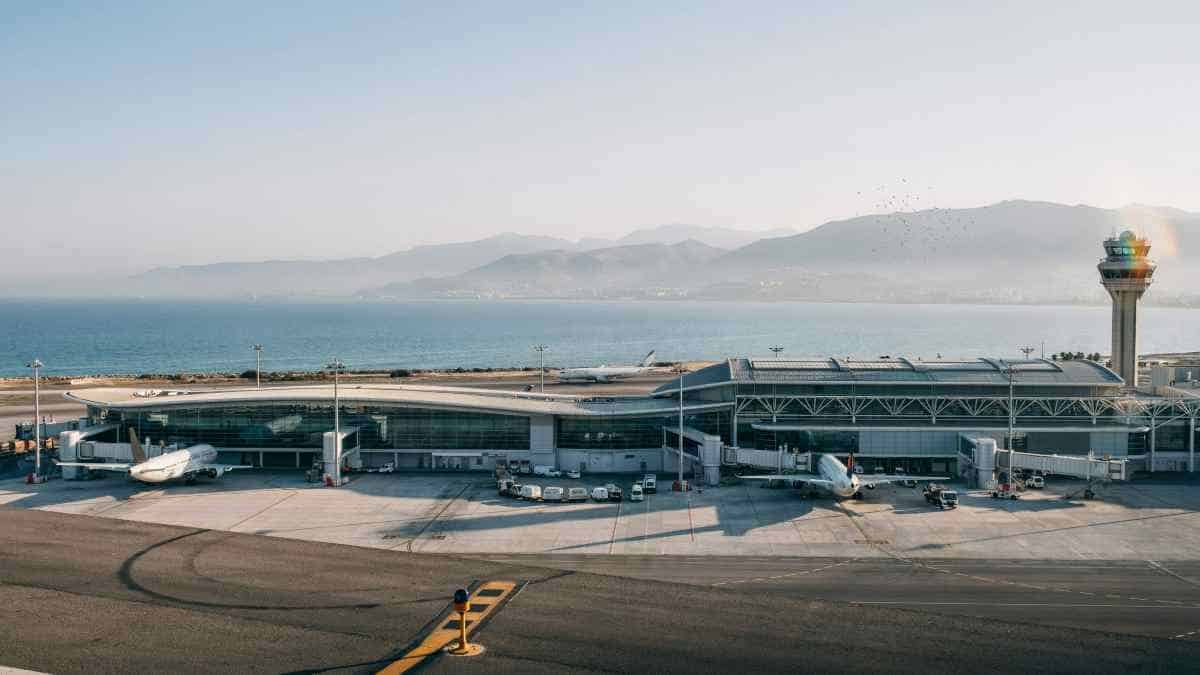
Image generated with Ai
Lebanon continues welcoming travellers through Beirut-Rafic Hariri International Airport (BEY), the country’s primary international gateway, even as airline schedules remain subject to adjustments driven by wider regional airspace developments. At the same time, tourism authorities, travel experts and local hospitality providers are encouraging visitors to prepare for one of the country’s most distinctive travel realities—a tourism economy where US dollar cash remains the preferred method of payment across many businesses.
For visitors planning a trip to Lebanon, understanding both the evolving flight landscape and the country’s predominantly cash-based economy has become an essential part of travel preparation. While the country’s historic sites, coastal towns and mountain destinations continue attracting domestic, diaspora and international visitors, practical planning can make the travel experience significantly smoother.
Beirut Airport Continues Serving International Travellers
Beirut-Rafic Hariri International Airport (BEY) remains Lebanon’s principal aviation hub and continues handling commercial passenger services connecting the country with destinations across the Middle East, Europe and other international markets.
Although regional geopolitical developments can occasionally influence airspace management and airline scheduling, the airport continues operating and processing arriving and departing passengers under normal aviation procedures.
Advertisement
Advertisement
Travellers should be aware that flight frequencies may change depending on operational conditions, making it advisable to confirm schedules directly with airlines before departure.
Advertisement
Advertisement
Despite these adjustments, Beirut Airport remains the country’s central gateway for tourism, business travel and visits by members of the Lebanese diaspora.
Middle East Airlines Maintains Core Connectivity
Lebanon’s national carrier, Middle East Airlines (MEA), continues operating core domestic and international schedules from Beirut while adapting services to changing regional aviation conditions.
Alongside MEA, several regional airlines also continue serving Beirut, helping preserve essential connectivity with neighbouring countries and key travel markets.
Advertisement
Advertisement
For international visitors, airline flexibility has become increasingly important. Monitoring airline notifications, checking departure times before travelling to the airport and considering flexible booking options can help minimise disruption if schedules change.
The continued operation of commercial services supports Lebanon’s tourism sector by maintaining access to the country’s cultural, coastal and mountain destinations.
Advertisement
Advertisement
Why Lebanon Remains a Cash-Based Destination
One of the most important practical considerations for visitors is Lebanon’s financial system.
Unlike many destinations where bank cards are widely accepted, much of Lebanon’s tourism and hospitality economy continues to rely on cash payments in US dollars.
Hotels, restaurants, cafés, guesthouses, independent tour operators, taxis, local markets and small businesses often prefer or require cash transactions.
This payment culture has become an established feature of everyday travel within the country, making advance financial planning particularly important for international visitors.
Travellers Are Encouraged to Carry US Dollars
Travel advisories and local tourism guidance consistently recommend that visitors arrive with an adequate supply of US dollar cash to cover accommodation, meals, transport, entrance fees and other travel expenses.
Advertisement
Advertisement
Although some larger hotels, premium restaurants and international businesses may accept credit cards, acceptance varies considerably across the country.
Similarly, access to international banking services and ATM withdrawals using foreign cards can be inconsistent depending on the location and financial institution.
For this reason, carrying sufficient cash helps reduce inconvenience, particularly when travelling outside Beirut or visiting smaller towns, mountain villages and heritage destinations.
Practical Planning Makes Travel Easier
Preparing for Lebanon’s payment environment is now considered as important as planning flights or accommodation.
Travellers are encouraged to organise their budgets before arrival, keep cash stored securely and carry smaller denominations for taxis, cafés, local shops and entrance fees.
Advertisement
Advertisement
Using hotel safes where available and dividing cash between secure locations while travelling are sensible precautions that can improve convenience and personal security.
Visitors should also retain receipts when exchanging currency and use authorised exchange services where possible.
Tourism Continues Across the Country
Despite practical considerations surrounding flights and payments, Lebanon’s tourism industry continues welcoming visitors to many of its best-known attractions.
Destinations including Byblos, Batroun, Jounieh, Jeita Grotto, Harissa, the Kadisha Valley and Mount Lebanon continue receiving travellers interested in history, culture, gastronomy, eco-tourism and outdoor adventures.
Many tourism businesses have adapted to the country’s cash-based environment, allowing visitors who prepare accordingly to enjoy relatively seamless travel experiences.
Advertisement
Advertisement
What Travellers Should Know
Before travelling, visitors should check the latest flight schedules with their airline, particularly during periods of changing regional airspace conditions.
Travellers should carry sufficient US dollar cash for daily expenses, as credit card acceptance and ATM availability may be limited in many tourism establishments.
It is also advisable to monitor official travel advisories issued by your home government, purchase comprehensive travel insurance where available and book accommodation through reputable providers.
Key Stats
- Beirut-Rafic Hariri International Airport (BEY) continues handling commercial passenger flights.
- Middle East Airlines (MEA) and selected regional airlines maintain core schedules.
- Flight frequencies may change depending on regional airspace developments.
- Much of Lebanon’s tourism economy continues operating primarily in US dollar cash.
- Credit card acceptance and ATM access remain limited across many hospitality businesses.
FAQ
Is Beirut Airport operating normally?
Yes. Beirut-Rafic Hariri International Airport continues handling commercial flights, although airline schedules may change based on regional operational conditions.
Should visitors carry cash in Lebanon?
Yes. Travellers are strongly advised to carry sufficient US dollar cash because many tourism businesses prefer or require cash payments.
Advertisement
Advertisement
Are international credit cards widely accepted?
Acceptance varies. Larger establishments may accept cards, but many hotels, restaurants, shops and tourism providers continue operating primarily on a cash basis.
Timelines and Events
- Current: Beirut-Rafic Hariri International Airport continues commercial passenger operations.
- Ongoing: Middle East Airlines and regional carriers maintain essential connectivity while adjusting schedules when necessary.
- Current Tourism Season: Visitors continue travelling across Lebanon’s cultural, coastal and mountain destinations using cash-based payment systems.
Conclusion
Lebanon remains accessible to international travellers through Beirut-Rafic Hariri International Airport, with commercial flights continuing despite occasional schedule adjustments linked to regional airspace conditions. At the same time, the country’s predominantly US dollar cash-based tourism economy makes financial preparation a key part of travel planning. By confirming flight schedules, carrying sufficient cash and staying informed through official travel guidance, visitors can confidently explore Lebanon’s celebrated heritage sites, mountain landscapes and Mediterranean coastal towns while enjoying one of the region’s most distinctive travel experiences.
Advertisement
