
Malaysia Travel Surge Grows As Malaysia Airlines China Connectivity Explodes With New Routes And Digital Partnerships

Published
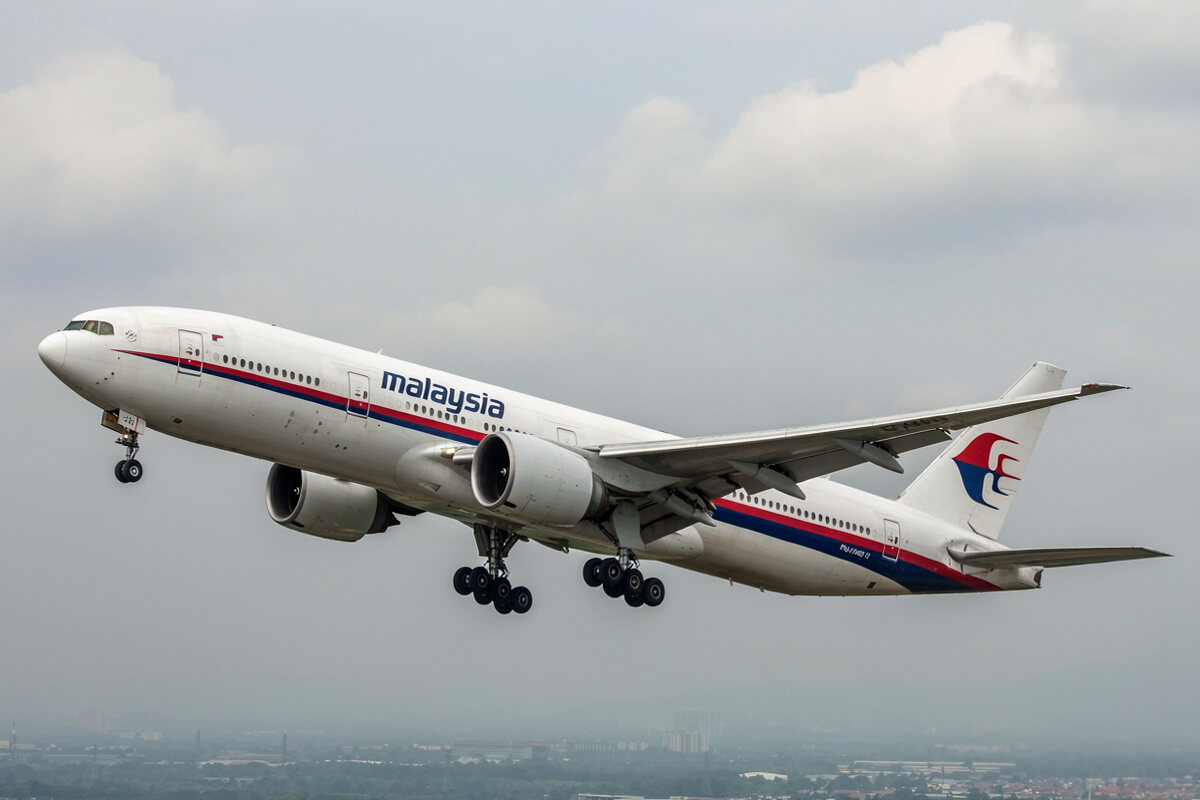
Image generated with Ai
Malaysia Travel Surge Grows As Malaysia Airlines China Connectivity Explodes With Routes And Digital Malaysia Airlines is strengthening its China operations with expanded connectivity, rising passenger numbers and new technology partnerships as the airline increases its focus on one of Asia’s most important travel markets. The carrier recorded strong growth during the first half of 2026, carrying more than 600,000 passengers across its China services, marking a 27% increase compared with the previous year.
The airline also achieved an average load factor of 84% during the same period, reflecting strong demand for flights connecting China with Malaysia and beyond. With travel demand continuing to rise, Malaysia Airlines expects its China services to carry more than 52,000 passengers during the Golden Week holiday period from 26 September to 11 October 2026, representing a 21% growth compared with the same period last year.
Advertisement
Advertisement
The airline highlighted its China market strategy during its China Trade Gala held in Shanghai on 22 September 2026. The event brought together travel industry representatives, business partners and corporate stakeholders to discuss future growth opportunities and strengthen cooperation within the Chinese travel market.
Malaysia Airlines Strengthens China Connectivity With Expanded Route Network
Malaysia Airlines has continued to grow its presence in China by restoring important routes and launching new services to major cities. In 2026, the airline resumed daily operations to Chengdu while introducing new daily flights to Shenzhen and Changsha.
Advertisement
Advertisement
These route additions have helped the airline expand its reach across key economic and tourism regions, including Western China, the Greater Bay Area and Central China. The expanded network provides passengers with more travel choices while supporting stronger business, leisure and cultural connections between China and Malaysia.
Advertisement
Advertisement
Following these developments, Malaysia Airlines now serves nine gateways connected to the Chinese market. The network includes Beijing, Shanghai, Guangzhou, Xiamen, Chengdu, Shenzhen and Changsha, along with Hong Kong and Taipei.
The airline’s growing network is designed to improve access between China and Malaysia while also supporting Kuala Lumpur’s role as an important regional aviation hub. Through its connections at Kuala Lumpur International Airport, passengers from China can continue their journeys to destinations across Malaysia, Southeast Asia, South Asia, Australia and New Zealand.
Kuala Lumpur Hub Plays Key Role In China Growth Strategy
Kuala Lumpur remains at the centre of Malaysia Airlines’ expansion plans in China. The airline is using its hub advantage to connect Chinese travellers with a wider range of destinations while supporting Malaysia’s tourism ambitions.
The carrier is also promoting its Bonus Side Trip programme, which encourages connecting passengers to add another Malaysian destination to their itinerary. The initiative aims to encourage longer stays and increase tourism spending by showcasing more locations beyond the main entry points.
The strategy supports Malaysia’s Visit Malaysia 2026 tourism campaign, which focuses on attracting more international visitors and improving travel experiences. By increasing flight availability and strengthening connections through Kuala Lumpur, Malaysia Airlines aims to play a bigger role in bringing Chinese travellers to Malaysia.
Advertisement
Advertisement
China continues to remain an important source market for Malaysian tourism. Improved air connectivity is expected to support stronger visitor flows for holidays, business trips, education travel and cultural exchanges.
Digital Partnerships With Huawei, Weixin Pay And TravelSky Expand Customer Reach
Alongside its aviation expansion, Malaysia Airlines is increasing its digital engagement with Chinese travellers through new partnerships with major technology platforms.
During the Shanghai event, the airline signed Memoranda of Understanding with Huawei, Weixin Pay and TravelSky Technology Limited. These agreements focus on digital solutions, customer engagement and travel distribution.
The partnerships will allow Malaysia Airlines to connect with Chinese consumers through platforms they already use for searching, planning and managing travel. By integrating into popular digital ecosystems, the airline aims to make flight discovery and booking experiences more convenient.
The collaborations also reflect the changing behaviour of modern travellers, who increasingly rely on digital platforms throughout their journey. From researching destinations to receiving travel updates, technology has become a key part of the travel experience.
Advertisement
Advertisement
For Malaysia Airlines, these partnerships extend customer engagement beyond the airport and create stronger links with passengers before and after their flights.
China Remains A Priority Market For Malaysia Airlines Future Expansion
Malaysia Airlines’ growing China operations reflect its long-term commitment to expanding international connectivity and strengthening its position in the Asia-Pacific aviation market.
The airline’s 27% passenger growth during the first half of 2026 highlights increasing demand for travel between China and Malaysia. The expected increase during the Golden Week holiday period further demonstrates the importance of the Chinese outbound travel market.
With a wider route network, stronger travel industry partnerships and new digital collaborations, Malaysia Airlines is building a more connected travel ecosystem between China, Malaysia and international destinations.
The airline’s strategy combines improved air access, tourism promotion and technology-driven customer engagement. As Kuala Lumpur continues to serve as the central gateway, Malaysia Airlines is positioning its China operations as a major part of its broader international growth plans.
Advertisement
