
Africa Tourism Boom Sparks Travel Shock As Destinations Struggle With Rising Pressure, Hidden Costs Of Growth And The Strain On Infrastructure And Ecosystems

Published
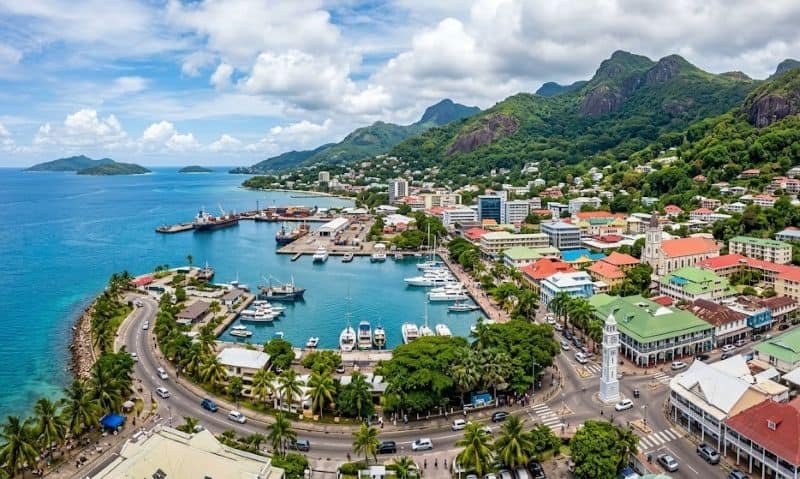
Africa is increasingly being recognized as a rising force in international travel, and it is widely observed that “Africa’s tourism expansion is reshaping global travel perspectives”, supported by the development of new airports, expanded international air routes, luxury hospitality projects, and record-breaking visitor arrivals across several major destinations. It is being reported that this transformation is steadily redefining how the global travel industry perceives Africa, positioning it as one of the most rapidly evolving tourism regions in the world.
At the same time, it is also being suggested that beneath this rapid expansion lies a critical and often overlooked reality. The true environmental, social, and infrastructural cost of each additional visitor is rarely calculated in full, even though it continues to accumulate year after year. It is further being highlighted that while international arrivals continue to increase sharply, the pressure on ecosystems, infrastructure systems, and local communities is rising at a similar pace.
As a result, it is being increasingly argued that tourism success can no longer be measured solely through arrival numbers. Instead, there is a growing shift toward sustainability, carrying capacity, and long-term impact evaluation. This evolving perspective is now influencing how global tourism strategies are being designed, especially across high-demand destinations within Africa, where fragile environments and rapid tourism growth intersect.
Africa’s Growing Tourism Network and Rising Infrastructure Challenges
Advertisement
Advertisement
It is being widely reported that Africa is experiencing a strong phase of tourism expansion driven by enhanced global connectivity, infrastructure development, and rising international demand. Governments are said to be actively promoting tourism as a key economic pillar, encouraging increased visitor inflows to stimulate national growth.
However, it is also being emphasized that this rapid expansion is placing significant strain on infrastructure systems that were never originally designed to support such sustained demand. It is observed that roads, water supply systems, electricity networks, sanitation facilities, and public services are increasingly operating near or at full capacity in many regions, particularly during peak travel seasons.
Advertisement
Advertisement
Local administrations are reportedly struggling with maintenance demands and resource allocation challenges, while communities are facing congestion, rising living costs, and increased pressure on essential services. Although tourism revenue continues to rise, it is being argued that the benefits are not always distributed evenly. Many residents reportedly feel that while tourism grows rapidly, the improvements in their daily living conditions remain limited.
It is also being suggested that this imbalance is raising serious questions about long-term sustainability. There is a growing perception that without proper planning, tourism expansion may eventually strain the very systems that support it. As a result, discussions around responsible tourism development are becoming increasingly significant across Africa.
Zanzibar: A Clear Reflection of Rapid Tourism Growth and Environmental Pressure
It is being highlighted that Zanzibar stands as one of the most illustrative examples of tourism-driven transformation in Africa. Reports indicate that the island is approaching nearly one million international arrivals annually, while peak months are exceeding 100,000 visitors, alongside an estimated 25 percent year-on-year growth rate. This rapid expansion is being viewed as a clear indicator of strong tourism momentum in the region.
However, it is also being noted that this growth has brought considerable environmental and infrastructural pressure. Local systems are reportedly being affected by overflowing waste management networks, illegal dumping, coastal erosion, and overstretched public infrastructure services. These issues are becoming increasingly visible in both urban and coastal zones, particularly during high tourist seasons.
Authorities and observers are said to be increasingly concerned that the pace of tourism development may be exceeding the island’s ecological and administrative capacity. As a result, Zanzibar is being widely referenced as a key case study that demonstrates how rapid tourism growth can simultaneously generate economic opportunity while placing significant stress on fragile environments. It is further being implied that the situation in Zanzibar is now being closely examined as a warning signal for other emerging tourism destinations across Africa, especially those experiencing similar growth trajectories.
Advertisement
Advertisement
Wider Regional Pressures Across African Tourism Destinations
It is being suggested that the challenges observed in Zanzibar are not isolated but instead reflect a broader pattern emerging across the continent. Countries such as Tanzania, Kenya, Seychelles, South Africa, and Egypt are reportedly beginning to recognize increasing risks associated with overtourism and environmental strain.
It is observed that infrastructure systems in these destinations are facing mounting pressure due to continuous visitor inflows. Transportation networks are handling heavier traffic loads, water systems are experiencing seasonal stress, and energy grids are being pushed closer to operational limits during peak tourism periods. In addition, environmental concerns are becoming more visible, particularly in fragile ecosystems such as coastal zones, marine areas, and protected natural landscapes. Continuous tourist activity is reportedly contributing to gradual ecological degradation in some locations.
It is also being highlighted that local communities are increasingly expressing concerns about how tourism development is being managed. Many residents reportedly feel that tourism expansion is often implemented without sufficient consultation or integration with local priorities. This has created a perception that development is sometimes externally driven rather than community-centered. As a result, broader debates are emerging around equity, inclusivity, and fair distribution of tourism benefits across Africa’s growing tourism economy.
Reevaluating Tourism Through a Per-Person Impact Framework
It is being argued that traditional tourism measurement systems, which primarily focus on total visitor arrivals, are no longer sufficient to understand the true impact of tourism growth. Instead, a more detailed framework described as a “per-person balance sheet” is being proposed.
Advertisement
Advertisement
Under this model, it is suggested that each visitor’s economic contribution should be evaluated alongside the full cost of their presence. These costs reportedly include waste management requirements, road and infrastructure maintenance, water consumption, energy usage, environmental conservation efforts, and increased demand on public services such as healthcare, security, and emergency response systems.
It is further emphasized that in smaller or environmentally sensitive destinations, these combined costs can escalate rapidly, often exceeding the immediate financial benefits generated by tourism spending. This creates a situation where destinations may unintentionally absorb long-term environmental and infrastructural losses.
Future Implications for Global Travelers and the Travel Industry
It is being widely suggested that the future of tourism across Africa will depend not only on increasing visitor numbers but also on achieving a balanced model that integrates growth with sustainability and community well-being. It is being indicated that destinations will increasingly prioritize attracting travelers who contribute positively to both environmental preservation and local economic development.
From a global travel industry perspective, it is expected that more structured systems may gradually emerge, including controlled visitor access, regulated tourism flows, and pricing models that reflect real environmental and infrastructure costs. This shift is being interpreted as part of a broader transformation in how global tourism is managed.
It is also being implied that traveler behavior is likely to evolve over time. A growing preference is expected for low-impact, meaningful, and experience-driven travel, rather than high-volume mass tourism. Travelers are increasingly expected to become more aware of their environmental footprint, particularly when visiting destinations with fragile ecosystems or limited infrastructure capacity.
Ultimately, it is being concluded that the long-term future of tourism development in Africa will depend on whether a sustainable equilibrium can be maintained between economic growth and environmental protection. The central question being raised is whether each additional visitor strengthens a destination’s future or accelerates the gradual depletion of the natural and cultural resources that make it attractive in the first place.
Advertisement
