
China Inbound Tourism Surges as Beijing Targets 190 Million Annual Visitors by 2030

Published
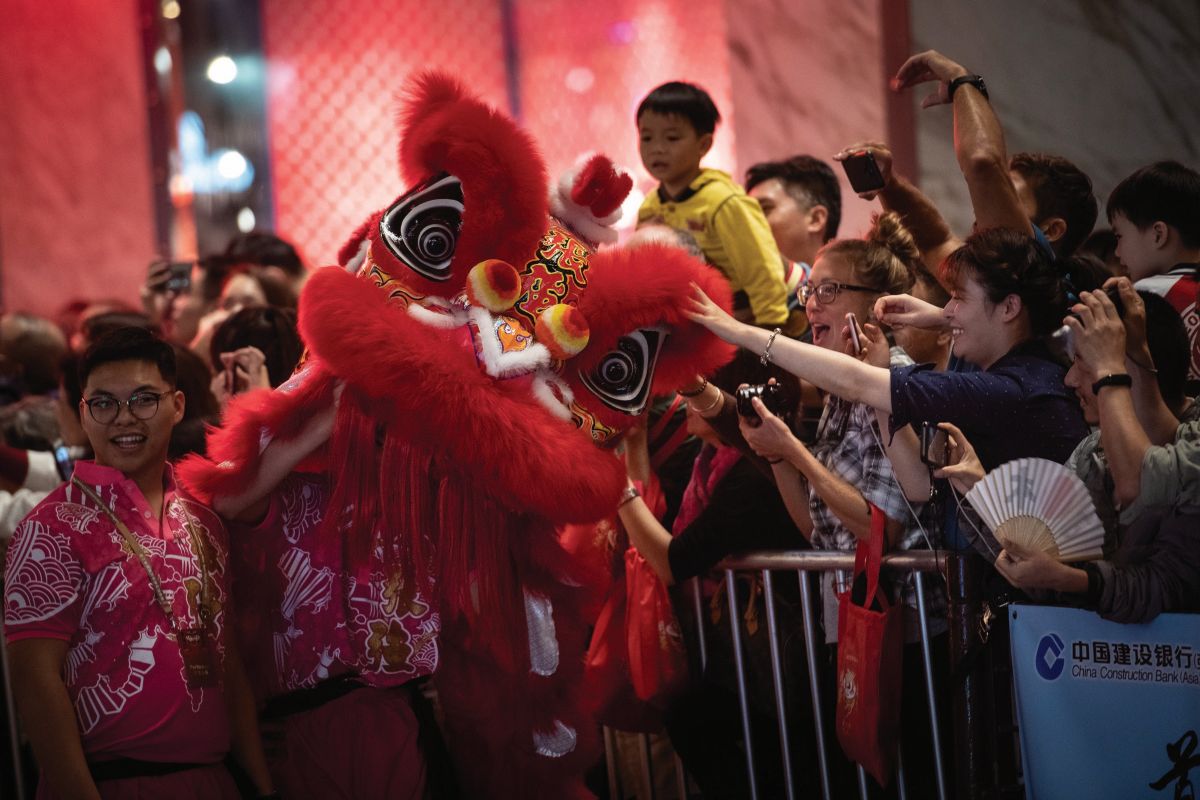
China is preparing to deepen its inbound tourism drive after recording 154 million inbound tourist trips in 2025. The figure rose 17.1 per cent year on year, while visitor spending exceeded US$130 billion. During the 2026–2030 15th Five-Year Plan, authorities will simplify visas, payments, tax refunds, transport and accommodation. They also plan richer cultural experiences blending heritage with contemporary Chinese life. China has already expanded unilateral visa-free entry to 50 countries and its 240-hour transit scheme to 57 countries. By 2030, authorities want 190 million annual inbound tourist visits and more than US$150 billion in annual spending.
China Sets A Bigger Inbound Tourism Target
The new strategy arrives after a strong recovery in international travel to China. In 2025, inbound tourist trips reached 154 million, according to figures presented by the Ministry of Culture and Tourism. Visitor spending also climbed by almost 40 per cent from the previous year.
Advertisement
Advertisement
That rebound gives Beijing a substantial base for the next phase. The government now wants to convert easier entry into longer stays, broader regional travel and deeper cultural engagement.
The 2030 target is significant because it extends beyond simply restoring international visitor volumes. China wants tourism to become a wider platform for cultural exchange, consumption and international connectivity.
Advertisement
Advertisement
| Indicator | 2025 Result | 2030 Target | Planned Change |
|---|---|---|---|
| Inbound tourist visits | 154 million | 190 million annually | About 23% above 2025 |
| Inbound tourism spending | More than US$130bn | More than US$150bn annually | At least US$20bn higher |
| Unilateral visa-free countries | 50 | Policy expansion planned | Broader access |
| Visa-free transit countries | 57 | Policy expansion planned | Wider transit access |
| Visa-free transit period | Up to 240 hours | Maintained | Up to 10 days |
The official July tourism plan separately described the 190 million target as roughly 26 per cent above the 2025 baseline. That calculation reflects the rounded 2025 figure of more than 150 million visits, rather than the later reported 154 million figure.
Advertisement
Advertisement
Visa Access Becomes The First Gateway
For overseas travellers, visa policy remains one of the most consequential parts of the strategy. China has progressively widened visa-free access since December 2023, when it began trialling unilateral exemptions for selected nationalities.
By 2026, 50 countries were covered by the unilateral visa-free arrangement. Eligible ordinary passport holders can generally enter for tourism, business, family visits, exchanges or transit for up to 30 days.
The policy has also expanded geographically. The current list includes countries across Europe, Oceania, Asia and South America, alongside Canada and the United Kingdom.
China has simultaneously developed its transit framework. The 240-hour visa-free transit programme now covers nationals of 57 countries, with eligible travellers able to enter through designated ports and remain within permitted areas for up to 10 days.
| Travel Facilitation Measure | Current Position in 2026 | Traveller Relevance |
|---|---|---|
| Unilateral visa-free entry | 50 countries | Up to 30 days for eligible purposes |
| 240-hour visa-free transit | 57 countries | Up to 10 days for eligible transit itineraries |
| Transit entry points | 65 designated ports | Wider gateway choice |
| Visa-free Hainan entry | 61 countries | Up to 30 days under specific rules |
| Standard onward-transit requirement | Confirmed onward travel | Important for transit eligibility |
The latest expansion came on August 20, 2026, when Kyrgyzstan and Vietnam joined the 240-hour transit programme. The same announcement added both nationalities to Hainan’s 30-day visa-free entry arrangement.
Advertisement
Advertisement
Travellers should still check the exact conditions before departure. Visa exemptions differ from ordinary visas, and activities such as employment, study or certain forms of journalism may require prior authorisation.
Easier Payments Could Change Arrival Experience
Entry policy is only one part of the international visitor journey. China now wants to address the practical friction that travellers encounter after crossing the border.
The government has identified payments, tax refunds, guided tours, accommodation and transport as areas requiring further improvement. That matters because destination accessibility increasingly depends on what happens after immigration.
Payment convenience has already improved. Official data released earlier this year showed inbound tourists spent about 80 billion yuan through mobile payment platforms in 2025.
The next phase could therefore shift the focus from simply accepting foreign visitors towards making their daily travel experience smoother. Multilingual applications, clearer information and easier tax-refund procedures could reduce friction across hotels, attractions, restaurants and retail districts.
Advertisement
Advertisement
For travellers, the practical implication is straightforward. Checking payment compatibility, downloading relevant multilingual applications and carrying suitable payment alternatives remain sensible preparation.
Culture Moves Beyond Traditional Sightseeing
China’s tourism strategy is also broadening the product itself. Authorities want international visitors to encounter a combination of traditional culture and contemporary Chinese life.
That approach could reshape itineraries beyond conventional landmark tourism. Historic districts, museums, performing arts, food culture, rural experiences and modern urban life can become connected parts of the same journey.
Online travel content is already contributing to this shift. Videos showing high-speed rail journeys, local food, everyday neighbourhoods and cultural experiences have attracted growing international attention.
The trend matters commercially because travellers increasingly search for experiences rather than isolated attractions. A destination can therefore extend visitor spending by connecting accommodation, transport, retail, entertainment and cultural participation.
Advertisement
Advertisement
China’s domestic tourism market provides considerable infrastructure for this strategy. Domestic travellers made a record 6.52 billion trips in 2025, while domestic tourism spending reached 6.3 trillion yuan.
That scale gives international visitors access to an extensive tourism ecosystem. The challenge will be adapting that ecosystem consistently for international audiences.
International Visitors Gain More Choices
The planned improvements could have a direct effect on travel planning. Shorter administrative processes may make spontaneous trips easier, while broader visa access could encourage multi-city itineraries.
The 240-hour transit system is particularly relevant for travellers connecting through major Chinese gateways. Eligible passengers can potentially turn a conventional transit stop into a multi-day city or regional visit.
However, the programme is not equivalent to unrestricted travel throughout China. Travellers must follow the applicable port, itinerary, onward-ticket and designated-area conditions.
Advertisement
Advertisement
The distinction is important for travel sellers and consumers. Tour operators should therefore match each itinerary against the latest immigration rules before selling visa-free packages.
For individual travellers, the same principle applies. Eligibility depends on nationality, passport type, travel purpose, onward arrangements and the specific visa-free programme being used.
Tourism Industry Sees A Wider Opportunity
The government’s strategy also creates opportunities across the wider travel economy. Airlines, hotels, destination management companies, attractions, retailers and digital travel platforms can all benefit from rising international demand.
The strongest opportunities may emerge where improved access meets differentiated experiences. Gateway cities can function as entry points, while secondary destinations can capture additional nights and spending.
China’s 2026–2030 tourism plan also envisages a nationwide inbound tourism network. The network is expected to connect international consumption hubs and major gateway cities.
Advertisement
Advertisement
Multilingual services will form another important layer. The government has highlighted stronger foreign-language training for guides and wider use of AI-powered translation devices.
| Industry Area | Planned Direction | Potential Traveller Benefit |
|---|---|---|
| Airlines | Stronger international connectivity | More routing options |
| Hotels | Improved international services | Easier stays |
| Tour operators | More cultural products | Greater itinerary variety |
| Guides | Better foreign-language training | Clearer cultural interpretation |
| Payments | Improved international usability | Easier everyday spending |
| Retail | More visitor-oriented shopping clusters | More accessible shopping |
| Attractions | Traditional and contemporary experiences | Broader destination appeal |
| Transport | More convenient visitor services | Smoother multi-city travel |
China Builds On A Fast Policy Shift
The scale of China’s policy evolution becomes clearer when compared with its earlier position. In November 2024, China’s unilateral visa-free framework covered 38 countries, based on the National Immigration Administration’s published list.
By 2026, that figure had reached 50 countries. The transit programme also expanded, eventually reaching 57 eligible nationalities and 65 designated ports.
The progression indicates a broader shift from selective facilitation towards a more expansive international visitor strategy. It also shows how immigration policy and tourism development are becoming increasingly interconnected.
The government’s July 2026 tourism plan reinforces that direction. It linked easier visa access and better services with the objective of attracting 190 million inbound visits annually by 2030.
Advertisement
Advertisement
Travellers Should Prepare Before Departure
Despite the wider access, international visitors should not assume that every traveller qualifies automatically. Visa-free policies apply according to nationality, passport status, purpose of travel and programme-specific conditions.
Travellers should therefore verify the latest rules before booking non-refundable arrangements. They should also check permitted entry ports, onward-ticket requirements and geographical restrictions under transit arrangements.
For longer trips, travellers should distinguish between visa-free entry and visa-free transit. The two systems serve different purposes and impose different conditions.
Payment preparation also remains worthwhile. Visitors can review the latest official guidance on mobile payments, carry an alternative payment method and retain hotel and transport confirmations.
Tax-refund travellers should similarly understand the applicable procedures before shopping. Retailers, payment providers and departure points may have specific requirements.
Advertisement
Advertisement
Global Cultural Cooperation Expands Further
China’s tourism strategy extends beyond attracting visitors. Officials also plan deeper cultural cooperation through bilateral and multilateral platforms.
The government plans to use six Silk Road international alliances covering theatres, museums, arts festivals, libraries, art museums and tourism cities. The China International Travel Mart will also support cooperation between cultural institutions and tourism businesses.
China plans further cooperation with international organisations as well. This includes hosting a UNESCO conference on intangible cultural heritage and pursuing additional world heritage and intangible heritage nominations.
The strategy also supports more Chinese villages seeking recognition through the UN Tourism Best Tourism Villages initiative. That could broaden the international profile of rural destinations.
For international travellers, such initiatives may gradually create more structured routes around heritage, crafts, performing arts and rural culture.
Advertisement
Advertisement
What The Next Five Years Could Bring
The direction of travel is increasingly clear. China is combining visa facilitation, service upgrades, cultural programming and digital convenience within one broader tourism strategy.
Its 2025 performance provides the foundation, while the 2030 targets establish a more ambitious benchmark. Yet achieving those targets will depend on how effectively policy changes translate into the everyday visitor experience.
For airlines and travel companies, the opportunity extends beyond passenger volume. Easier entry can support longer itineraries, new destinations and higher-value cultural products.
For travellers, the most visible change may be simpler planning. More visa-free options, improved payments, multilingual services and richer experiences could make China easier to navigate.
China inbound tourism is therefore entering a new phase. The emphasis is moving from reopening access towards building a more seamless international visitor economy.
Advertisement
