
Ireland’s Hidden Kylemore Abbey And Cloghleagh Woods Travel Escape That Whispers Pure Seasonal Magic Across the Country

Published
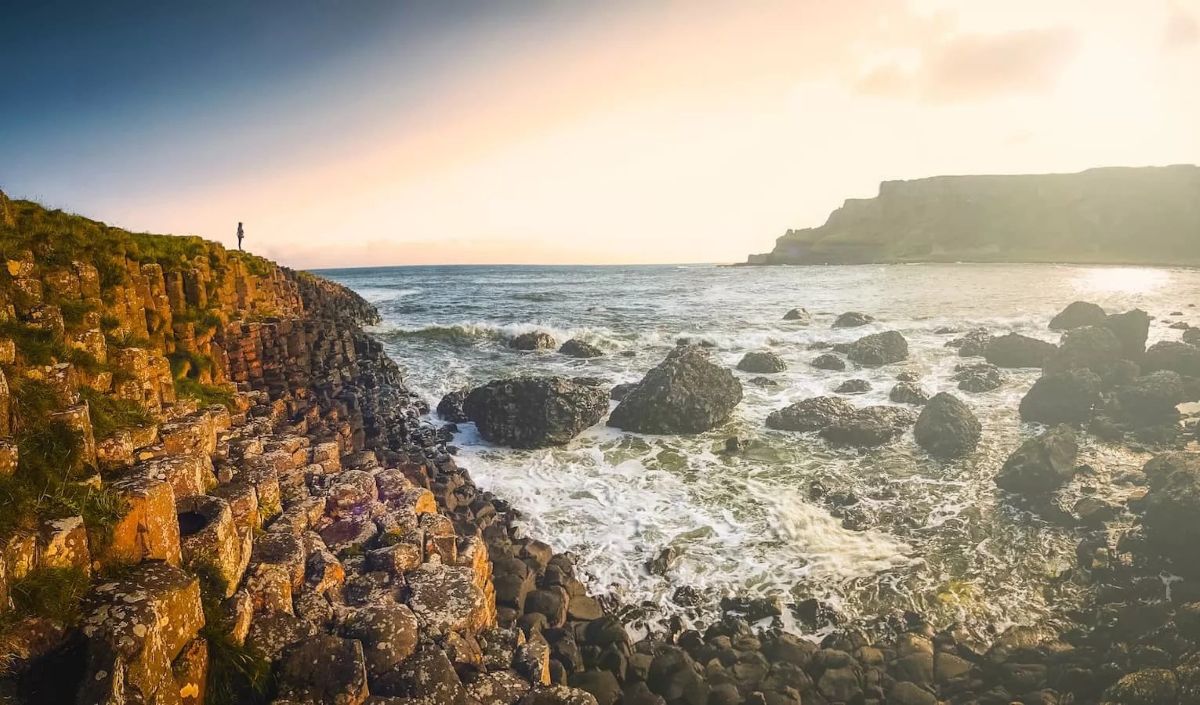
Image Credit ireland.com
The scent of Autumn is like a cry to take a break and to seize the moment and feel alive. It’s the decompressing of the hectic summer. It’s the perfect opportunity to check out Cloghleagh Woods or grab a spot on the benches at St Stephen’s Green and appreciate the changing leaves. Go people watching, take in the world, let yourself slow down with the world as it starts to wind down. These spots are the best to let the crisp fall air wash over you and bring you peace. You’ll be able to enjoy the peace you feel of the leaves falling and crashing waves. You also will get to experience the same peace from the seemingly never ending crashing of the waves to the walking stones. The world is always too busy to acknowledge and appreciate what you do, what you love, the beauty of the changing leaves and the forest with the fall color season.
Advertisement
Advertisement
Economic Impacts on the International Travel Industry and Off-Peak Tourism
The operational and financial effects on the worldwide travel industry are profound, forcing tour operators and hospitality providers to redesign traditional seasonal schedules. By promoting enchanting autumn wonders, tourism boards globally can successfully reduce summer overtourism while boosting sustainable economic growth during cooler months. International visitors demonstrate an increased willingness to travel far distances to experience natural color changes, generating a profitable market for specialized seasonal tourism. As a result, lodging providers, transit networks, and local artisan communities gain exceptional opportunities to attract sophisticated, nature-oriented explorers who desire authentic, off-peak cultural and environmental immersion.
Advertisement
Advertisement
Exploring the Breathtaking Autumn Landscapes of Cloghleagh Woods and St Stephen’s Green
The stunning transition into seasonal brilliance begins dramatically at Cloghleagh Woods within Ireland’s Ancient East, where golden forests, misty mornings and autumn adventures define the local environment. Observers note that this area captures the pure essence of autumn through its thick canopies and soft morning fog, attracting nature lovers who wish to witness seasonal shifts. This destination delivers a deep sense of solitude and peace, allowing international visitors to reconnect with foundational natural rhythms. The surrounding ecosystem demonstrates how protected regional woodlands can successfully draw global eco-tourists looking for untouched natural scenery and quiet reflection away from crowded cities.
Advertisement
Advertisement
Stepping into the urban landscape, the seasonal atmosphere continues at St Stephen’s Green in Dublin, featuring golden forests, misty mornings and autumn adventures recreated through urban forestry. This iconic city sanctuary proves how municipal parks successfully integrate seasonal beauty into everyday urban life, fascinating both residents and global visitors. Experts highlight that the striking contrast between historic city architecture and fiery autumn leaves significantly enhances the overall travel experience. Such accessible locations prove essential for international tourists who want a seamless mix of metropolitan convenience and vivid seasonal colors during their European vacations.
Discovering Quiet Pathways and Heritage Charm at Drummonaghan Woods and Keenaghan Cottage
Advertisement
Advertisement
Continuing along scenic routes, quiet woodland trails ideal for crisp autumn walks await visitors at Drummonaghan Woods along the Wild Atlantic Way. Experts emphasize that this peaceful environment offers an ideal sanctuary for individuals wanting to immerse themselves in crisp seasonal air and undisturbed natural calm. The winding trails encourage mindful, slow exploration, helping international travelers appreciate the intricate details of native plants as they prepare for winter. Such immersive woodland journeys are increasingly demanded by global tourists trying to escape digital exhaustion and embrace healthy, outdoor-focused lifestyles.
A short distance away in Northern Ireland, Keenaghan Cottage presents a charming, thatched-roof heritage site surrounded by vibrant seasonal colors. Observers point out that this architectural masterpiece showcases centuries of regional craftsmanship, perfectly complemented by the rich tones of the surrounding autumn environment. The cultural value of this historic location provides international visitors with an educational dimension, connecting natural beauty with heritage preservation. By maintaining authentic traditional aesthetics, destinations like this elevate the global appeal of regional cultural tourism, welcoming heritage-focused travelers from diverse international backgrounds.
Experiencing Coastal Drama and Elevated Vistas at Maghera Beach and Killiney Hill
The dramatic meeting of land and sea unfolds brilliantly at Maghera Beach along the Wild Atlantic Way, where powerful coastal scenery pairs with crisp autumn air. Analysts emphasize that the contrast between crashing ocean waves and cool, seasonal shorelines delivers a refreshing sensory experience unlike any inland destination. International travelers seeking dynamic coastal landscapes find immense value in exploring such areas during the shoulder season, when raw natural elements appear with striking clarity and poetic power. This maritime majesty strengthens the global attraction of rugged coastal tourism during transitional weather periods.
Advertisement
Advertisement
Elevating the perspective toward metropolitan heights, Killiney Hill in Dublin provides panoramic views of shifting seasonal colors overlooking Dublin Bay. Experts note that standing atop this viewpoint allows visitors to observe a massive tapestry of golden canopies blending seamlessly with the expansive ocean horizon. This location serves as an excellent example of how elevated viewpoints deliver complete visual narratives of regional geography, making it a favorite stop for landscape photographers and global sightseers. The combination of coastal elevation and autumn foliage creates lasting memories that resonate deeply with international visitors long after their trips end.
Admiring Natural Grandeur and Forest Trails at Powerscourt Waterfall and Rostrevor
Nature’s magnificence reaches its peak at Powerscourt Waterfall in Ireland’s Ancient East, recognized as Ireland’s highest waterfall framed by vibrant autumn woodlands. Observers note that the massive scale of the falling water, contrasted against the warm tones of surrounding trees, creates an unforgettable visual spectacle. International eco-tourists frequently highlight such monumental natural landmarks as core motivators for their travel choices, seeking destinations that display raw geological power wrapped in seasonal grace. This site represents a gold standard for environmental tourism, uniting large natural features with delicate seasonal ecosystems.
Further north, the majestic forest parks of Rostrevor in Northern Ireland offer classic autumn hiking trails that challenge and excite outdoor adventurers. Specialists emphasize that the extensive trail network provides ideal terrain for trekking enthusiasts who wish to engage actively with changing seasonal environments. Deep immersion into heavily wooded valleys builds a strong connection to regional biodiversity, appealing to the growing global demographic of health-focused and adventure-driven travelers. Such locations underline the importance of well-maintained trail systems in supporting sustainable, active tourism on an international scale.
Immerse in Historic Elegance and Architectural Splendor at Kylemore Abbey
The seasonal journey concludes magnificently at Kylemore Abbey along the Wild Atlantic Way, featuring historic gothic architecture set against striking lakeside and woodland autumn backdrops. Observers state that this iconic destination represents the pinnacle of romantic architecture blending effortlessly with dramatic natural terrain. International travelers remain consistently fascinated by the reflection of historic stone structures upon calm lakeside waters, framed by brilliant autumn foliage. This harmonious mix of human heritage and environmental majesty ensures that such cultural landmarks remain eternal favorites for global explorers looking for depth, beauty, and historical continuity in their travels.
Advertisement
Advertisement
Evaluating Ecological Dynamics and Biological Shifts Within Enclosed Woodland Canopies and Forest Reserves
Environmental transitions across Irish woodlands spark notable biological changes, specifically within sheltered natural habitats such as Cloghleagh Woods and Drummonaghan Woods. Forestry assessments reveal that native broadleaf trees—including sessile oak and European beech—shed roughly 3.2 tons of natural leaf litter per hectare each year during the peak autumn period. This substantial buildup of nutrient-dense organic matter actively nourishes more than 1,400 unique macro-fungal species and soil-dwelling invertebrates. For environmental analysts and nature-focused travelers, observing these seasonal biological cycles offers measurable insight into the vitality of ancient temperate woodland remnants. Furthermore, regional environmental agencies document a 14% expansion in specialized foraging excursions, demonstrating how ecological tracking metrics successfully stimulate specialized educational tourism during cooler shoulder seasons.
Analyzing Urban Microclimate Fluctuations and Foliage Duration Patterns Across City Parks
Metropolitan green spaces exhibit unique temperature-retention behaviors that modify seasonal pacing in contrast to rural landscapes. Microclimate evaluations performed inside St Stephen’s Green in Dublin indicate that urban heat island phenomena push peak autumn color transitions back by roughly 11 to 14 days compared to surrounding countryside elevations. This seasonal extension enables city administrators to sustain high levels of public engagement right through late November. Statistical insights from urban tourism boards demonstrate that pedestrian density reaches approximately 28,000 daily visitors during weekend afternoons in October. Such consistent foot traffic channels an estimated 1.8 million euros weekly into local hospitality and dining businesses situated inside the central municipal zone.
Assessing Historic Architecture Preservation Budgets and Visitor Limits at Cultural Landmarks
Aged structures positioned within seasonal landscapes demand strict conservation strategies to balance growing tourist arrivals with structural preservation. At Keenaghan Cottage in Northern Ireland, heritage conservation logs show that specialized thatched-roof upkeep takes place every two years, requiring about £24,000 per cycle to withstand humid autumn weather conditions. Visitor control policies cap daily indoor attendance at 120 people at any single moment to protect delicate interior humidity levels required for historical artifacts. Financial impact studies confirm that cultural heritage tourism anchored by these rural architectural treasures yields over £4.5 million in annual regional economic output, highlighting the crucial tie between structural care and rural financial stability.
Advertisement
Advertisement
Investigating Coastal Erosion Patterns, Wave Power Dynamics, and Maritime Tourism Along Atlantic Coasts
Rugged coastal destinations undergo striking environmental alterations as autumn meteorological fronts intensify marine activity. Oceanographic research conducted along the Wild Atlantic Way near Maghera Beach notes average wave heights climbing from 1.8 meters during summer to exceed 4.2 meters throughout autumn equinox storms. This increase in wave force alters intertidal sand formations, shifting approximately 15,000 cubic meters of sediment during a single storm cycle. Despite these demanding maritime conditions, adventure travel providers report a 22% year-over-year rise in focused coastal photography programs. Visitors readily endure average wind currents reaching 35 knots to witness the raw energy of Atlantic swells crashing against chilled autumn shores.
Interpreting Terrain Elevation Metrics, Visual Sightlines, and Panoramic Field-of-View Analysis
High-altitude vantage points deliver measurable benefits for geographic landscape observation and regional exploration tracking. Trigonometric evaluations of Killiney Hill in Dublin establish its summit elevation at 153 meters above mean sea level, granting an unhindered 240-degree panoramic visual sweep across Dublin Bay and the inland Dublin mountains. Meteorological records establish that crisp autumn atmospheric conditions elevate visual sharpness by up to 30%, empowering spectators to spot distinct architectural landmarks as far as 45 kilometers away. Tourism organizations incorporate these exact geographic measurements into promotional initiatives, successfully drawing an estimated 350,000 international sightseers to elevated urban lookouts each year.
Measuring Water Flow Speeds, Catchment Capacity Statistics, and Aquatic Habitat Behavior
Water volume shifts define the visual and auditory impact of major regional waterfalls during seasonal transitions. Water monitoring stations situated at Powerscourt Waterfall inside Ireland’s Ancient East calculate an average catchment discharge of 0.85 cubic meters per second, which can exceed 4.5 cubic meters per second following heavy autumn rainfall events. The 121-meter vertical drop generates localized atmospheric mist zones that boost oxygen concentrations in neighboring stream pools by 18%. Environmental impact reviews verify that these strong autumn discharge rates support essential spawning zones for native brown trout populations, adding meaningful ecological depth to visitor itineraries centered on aquatic marvels.
Advertisement
Advertisement
Reviewing Trail Infrastructure Metrics, Visitor Safety Protocols, and Forest Park Capacity Limits
Managing high-volume outdoor recreation demands strict pathway maintenance and trail network evaluations. Parks management teams responsible for Rostrevor in Northern Ireland upkeep over 27 kilometers of marked mountain biking and walking paths, categorized into four distinct difficulty levels. Upkeep guidelines mandate that crushed stone compaction layers must reach a depth of at least 15 centimeters to stop trail erosion under heavy autumn hiking boots and bike tire pressure. Regional economic data reveal that adventure travelers utilizing these maintained networks spend an average of £115 daily on equipment rentals, tour guiding, and local lodgings, creating steady decentralized revenue.
Examining Lakeside Microclimate Stability, Estate Economics, and Botanical Preservation Standards
Lakeside heritage properties depend on natural thermal stability provided by large freshwater expanses to shield delicate plant collections. Estate management documentation from Kylemore Abbey along the Wild Atlantic Way indicates that adjacent lake waters hold autumn temperatures roughly 2°C higher than nearby inland air currents, protecting rare Victorian walled garden flora from early autumn frosts. Gardening crews oversee more than 6 acres of restored walled gardens, which demand a specialized labor commitment of 4,500 person-hours throughout the autumn harvest and maintenance period. Cultural tourism figures demonstrate that this integration of heritage architecture and manicured garden grounds attracts upwards of 500,000 global visitors annually, securing its position as a primary economic driver for western regional tourism.
The Final Verdict
The silence of Fall and the last of the golden leaves are ethereal and so are the Irish landscapes. I love the idea that the Irish landscapes will be waiting for us, like the stories they hoard and hold inside. From Cloghleagh Woods to Kylemore Abbey, the beauty of nature brings peace, and the perfect reflections on the stillness of water. Travel will bring you close to nature and help you recover from the fast pace of the world, especially with the modern twist we have today. Bringing you the gift of fragrant pine, roaring breakers of the Atlantic, and the calm anticipation of nature, these beautiful places will bring you closer to the peace that nature holds.
Advertisement
