
Albania and Slovenia Tourism Investment Is Now on Track to Unlock More Growth and New Opportunities

Published
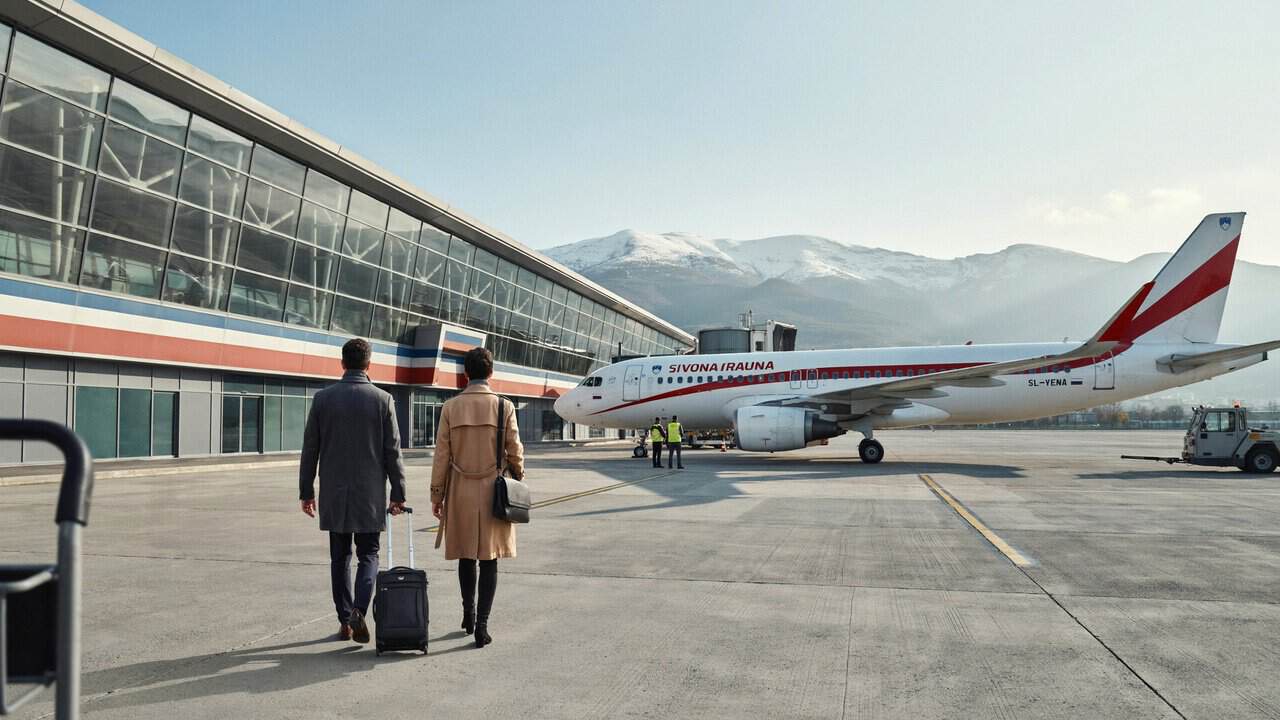
Albania placed tourism within a wider commercial discussion with Slovenia at an economic forum in Tirana on 5 February 2026. The Albania Slovenia Tourism Investment discussion matters because new capital could eventually support accommodation, visitor services, infrastructure and business travel. However, the meeting did not deliver a hotel project, transport route, marketing campaign or change to entry rules. The development is therefore a strategic opening rather than an immediate travel announcement. This article examines what happened, the economic figures presented during the event, the realistic effects on tourism, the limits of the available evidence and the developments travellers and businesses should watch next.
The February Forum Created a New Commercial Opening
The Tirana forum brought Albanian and Slovenian business interests together to explore commercial cooperation across five stated fields: tourism, construction, information and communication technology, food and beverages, and agricultural innovation. Tourism was not treated as a stand-alone project. It formed part of a connected economic agenda in which construction could support accommodation, technology could improve visitor services, food production could strengthen local supply chains, and agricultural innovation could contribute to rural experiences. This broad approach gives the meeting genuine travel relevance, but it does not prove that any participant committed money to a particular development.
Advertisement
Advertisement
The timing must also remain clear. The forum happened on 5 February 2026 and was not a new September event. Its significance lies in the bilateral dialogue it created and the invitation for Slovenian businesses to examine opportunities in Albania. A forum can introduce possible partners, identify market gaps and begin due diligence. It cannot be presented as a completed investment. No official outcome named a site, funding amount, planning approval, construction schedule, room total, expected opening date or employment target linked to a tourism development.
Albania Slovenia Tourism Investment and the Economic Evidence
Economic figures presented at the forum described Albania’s 2025 gross domestic product growth as 3.75%, unemployment as 8.5%, and foreign-investment stock as 4.4% higher. These numbers supplied background for potential investors, but they require careful attribution because they were reported as part of the forum presentation. A growth rate indicates the pace of economic expansion, while an unemployment rate shows the share of the labour force without work and actively seeking it. Neither measure demonstrates that tourism received new capital following the meeting or that visitor demand increased because of the talks.
Advertisement
Advertisement
The bilateral trade figures were approximately €60 million of Albanian imports from Slovenia and €21 million of Albanian exports to Slovenia. Together, the reported flows totalled about €81 million. Imports represented roughly 74% of that combined value, while exports represented around 26%, producing an imports-to-exports ratio of about 2.9 to one. This calculation helps readers understand the scale and direction of the commercial relationship. It does not measure tourist arrivals, overnight stays, passenger capacity or travel spending, so it cannot support claims of an immediate tourism boom.
| Category | Confirmed or reported position | Meaning for travel |
|---|---|---|
| Forum date | 5 February 2026 in Tirana | This is background cooperation, not a new September launch |
| Fields discussed | Tourism, construction, technology, food and beverages, and agricultural innovation | Several sectors could support future visitor services |
| Economic presentation | 3.75% GDP growth, 8.5% unemployment and 4.4% higher foreign-investment stock | Provides economic context but does not confirm a tourism project |
| Bilateral trade | About €60 million of imports and €21 million of exports | Shows commercial links, not visitor demand |
| Project status | No hotel, route, campaign or funded tourism scheme announced | No immediate change to bookings or destination capacity |
| Entry policy | No visa, passport or border measure announced | Existing travel requirements remain in place |
What Tourism Investment Could Mean for Albania Travel
The potential value lies in the type of activity that could follow, not in a result already delivered. New capital could support accommodation, digital booking tools, visitor information, food supply, mountain products, nature-based experiences and business events. Construction and technology were included in the same discussion, which creates a logical connection with tourism infrastructure and service quality. Those possibilities remain conditional. Without a signed agreement, approved location, confirmed funding or published implementation plan, they should be described as areas for future cooperation rather than projects that are moving ahead.
Advertisement
Advertisement
Business travel may be the earliest area to experience a modest effect if commercial contacts lead to further meetings, market visits, technical assessments or contract discussions. Even that outcome has not been measured. The forum published no data on delegate stays, expenditure, forward bookings or additional air demand. Leisure travellers therefore should not expect new rooms, lower fares or expanded schedules because of this event alone. Communities also lack enough detail to judge local employment, land use, pressure on services or environmental effects, since no specific destination or development has been selected.
Confirmed Points and Important Travel Limitations
The most reliable editorial treatment separates the confirmed meeting from possible future outcomes. Tourism was clearly included in the commercial agenda, giving the story a valid place under travel and economic development. Yet the evidence does not support presenting it as an aviation launch, hotel opening or visa-policy story. The Albania Slovenia Tourism Investment discussion created an opportunity for examination, not a traveller-facing product. Any stronger claim would need new official evidence showing a contract, licence, planning decision, funding arrangement, public tender or operating date.
The following points summarise what readers can safely take from the development and what remains unconfirmed. They also prevent a general business meeting from being mistaken for an implemented travel programme:
- Tourism was one of five sectors discussed at the bilateral forum.
- The meeting occurred on 5 February 2026, not in September.
- Slovenian businesses were encouraged to examine opportunities in Albania.
- No tourism project value or named development was announced.
- No hotel, resort, attraction or visitor-service opening was confirmed.
- No new flight, railway, ferry or road service resulted from the forum.
- No visa, passport, border, fee or entry-rule change was introduced.
- No immediate increase in visitors, stays or tourism spending can be attributed to the meeting.
Infrastructure, Regulatory and Sustainability Risks
Future proposals would need to answer practical questions about planning, transport access, water, waste management, energy, workforce supply and year-round demand. Accommodation can increase capacity, but growth without supporting infrastructure may place pressure on communities and natural assets. Nature and mountain tourism were relevant possibilities in the bilateral discussion, yet no environmental standard, protected-area programme or sustainability certification was announced. It would therefore be inaccurate to label the forum itself as a sustainable-tourism initiative without a project that contains measurable environmental and community safeguards.
Regulatory status is another important boundary. Albania remains outside the European Union and the Schengen area, while Slovenia participates in both. The forum did not change that position, create a bilateral entry entitlement or alter the existing European visa framework. Travellers must continue to check the current rules for their nationality, trip purpose and intended length of stay. Business visitors may face different requirements from holidaymakers, particularly when undertaking paid work or remaining beyond a permitted short stay. Current documents and carrier conditions should always be confirmed before departure.
What Travellers and Businesses Should Watch Next
The next meaningful stage would be a formal and traceable announcement. Evidence could include a signed investment agreement, a disclosed financial value, an approved site, a planning decision, a public procurement notice, a financing package or a firm delivery timetable. Official tourism and economic statistics would then be needed to assess whether a project increases room supply, creates employment, improves accessibility or extends demand beyond the main season. Until such information appears, the forum should remain classified as bilateral commercial engagement with prospective tourism relevance rather than an operational travel development.
For travellers, nothing changes immediately. For businesses, the forum offers a channel through which discussions may continue, but it provides no deadline for a deal or policy decision. The best primary category remains Tourism Investment, supported by Business Travel, Bilateral Tourism Cooperation, Tourism Infrastructure, Sustainable Tourism, Balkan Tourism, Foreign Direct Investment and European Integration. The overall conclusion is cautious: the Albania Slovenia Tourism Investment agenda may develop into measurable activity, but the available evidence confirms only dialogue. Future coverage should wait for projects, permits, funding, locations and launch dates before claiming direct benefits for visitors or destinations.
Advertisement
