
Qatar Follows Kuwait And More Countries In Relief As Strait Of Hormuz Crisis Eases Bringing New Middle East Tourism Opportunities

Published
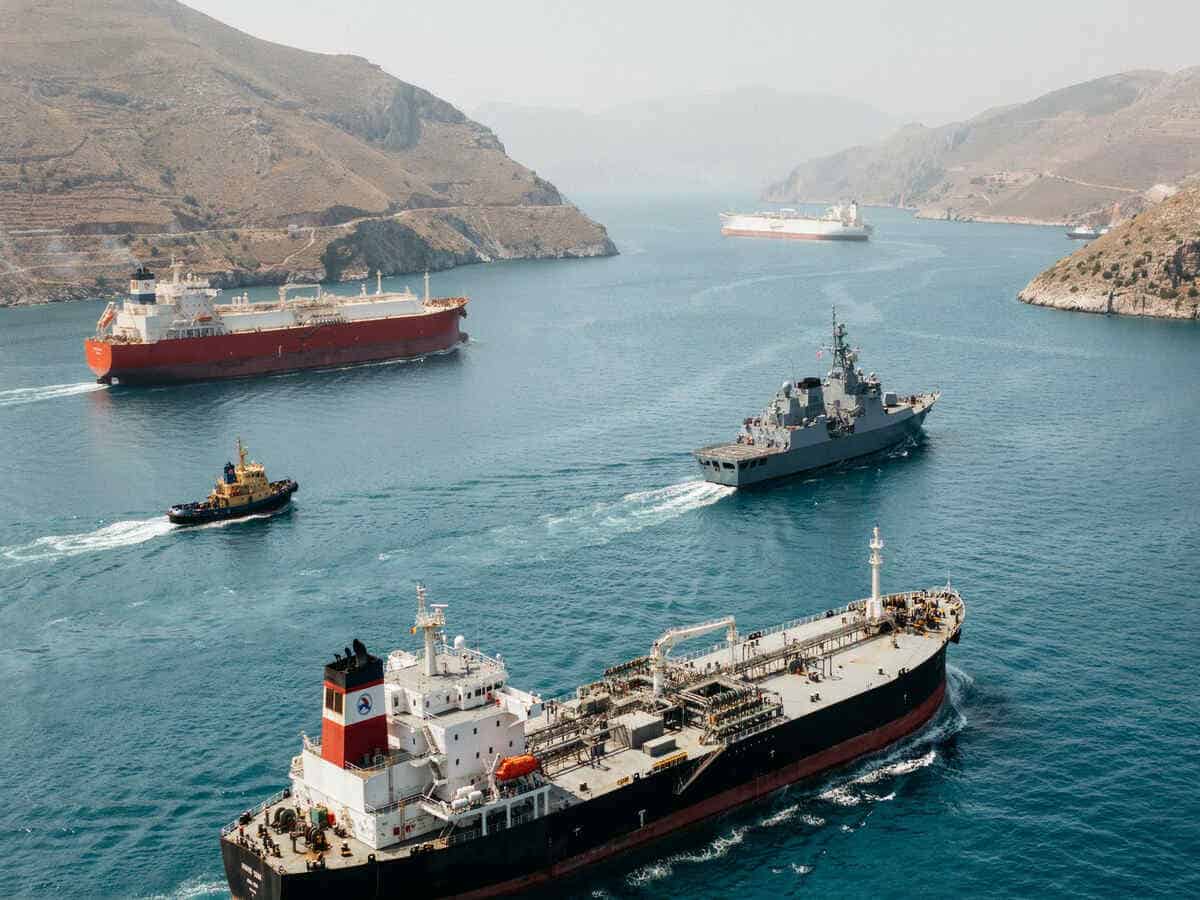
The Gulf states, including Qatar and Kuwait, have reasons to be hopeful about the situation at the Strait of Hormuz because peace is gradually being restored in the area. It seems that a period of recovery is beginning in the Middle East because of the new diplomatic initiatives regarding the Strait of Hormuz which bring new hopes of stability, increased confidence in trade, and growth in tourism. Iran has suggested re-opening the key strait for seven days in case the US meets certain requirements of their own.
For Gulf countries, the Strait of Hormuz is not only an energy route but also a lifeline for aviation, shipping, investment and tourism. Any improvement in maritime security could help countries such as Qatar, Kuwait, Saudi Arabia, the UAE, Oman, Bahrain and Iraq strengthen their tourism ambitions in 2026.
The easing of tensions could create a new opportunity for the Middle East to showcase itself as a safer, more connected and more attractive global travel region.
Strait of Hormuz Stability Opens New Chapter For Middle East Tourism Growth
The Strait of Hormuz connects the Persian Gulf with the Gulf of Oman and remains one of the world’s most important maritime corridors. Disruptions in the area have affected shipping confidence, energy markets and regional mobility.
Advertisement
Advertisement
A return towards stability could provide relief across the Gulf tourism industry.
The expected benefits include:
Advertisement
Advertisement
| Tourism Area | Expected Impact From Improved Stability |
|---|---|
| Air Connectivity | More predictable flight operations and stronger passenger confidence |
| Cruise Tourism | Increased interest in Gulf cruise routes |
| Luxury Tourism | More visitors for premium resorts and experiences |
| Business Travel | Improved confidence among international companies |
| Events Tourism | More global conferences, exhibitions and sports events |
| Investment | Stronger interest in hotels, attractions and infrastructure |
The Gulf region has spent years building world-class tourism infrastructure. A calmer environment could help these destinations accelerate growth during 2026.
Qatar Leads Gulf Tourism Confidence With New Opportunities
Qatar could become one of the major beneficiaries of improved regional stability.
Advertisement
Advertisement
The country has transformed itself into a global tourism and events destination through:
- Luxury hotels.
- International sporting events.
- Cultural attractions.
- Airport connectivity.
- Cruise tourism development.
A more stable Strait of Hormuz environment could support Qatar’s tourism goals by improving regional connectivity and visitor confidence.
Doha’s position as a major aviation hub means regional stability is important for passenger movement. Qatar Airways has already adjusted operations during periods of regional tension, highlighting how security conditions influence Gulf aviation networks.
How Qatar Could Boost Tourism In 2026
| Qatar Tourism Driver | 2026 Opportunity |
|---|---|
| Doha tourism | More international visitors exploring the capital |
| Luxury hospitality | Growth in premium hotel demand |
| Cultural tourism | Increased interest in museums and heritage attractions |
| Sports tourism | More visitors for international events |
| Stopover tourism | More passengers extending Gulf journeys |
Qatar’s tourism strategy could benefit from renewed confidence among travellers seeking Middle Eastern experiences.
Advertisement
Advertisement
Kuwait Follows Qatar With Fresh Tourism Recovery Potential
Kuwait could also experience economic and tourism benefits from reduced Strait of Hormuz tensions.
The country relies heavily on regional stability because of its location in the northern Gulf and its connections with international trade networks.
Improved conditions could support:
- Business tourism.
- Cultural travel.
- Family tourism.
- Regional weekend travel.
Kuwait has been working to expand its tourism identity beyond traditional business travel by promoting heritage, museums, waterfront attractions and cultural experiences.
Kuwait Tourism Growth Areas In 2026
| Sector | Potential Development |
|---|---|
| Cultural tourism | More visitors exploring Kuwait’s history |
| Gulf travel | Easier regional movement |
| Business events | More conferences and exhibitions |
| Hospitality | Increased hotel demand |
A stable Gulf environment could help Kuwait strengthen its position as a growing regional destination.
Saudi Arabia Could Accelerate Tourism Expansion
Saudi Arabia has one of the most ambitious tourism transformation programmes in the world.
Advertisement
Advertisement
The country is investing heavily in:
- Heritage destinations.
- Luxury resorts.
- Religious tourism.
- Entertainment attractions.
- Mega tourism projects.
A calmer regional environment could support Saudi Arabia’s goal of attracting more international visitors.
Tourism growth areas include:
Religious Tourism
Millions of visitors travel annually for pilgrimage. Regional security improvements could support smoother travel planning.
Heritage Tourism
Destinations such as AlUla and historic areas could attract more international travellers.
Coastal Tourism
The Red Sea tourism projects could gain stronger global attention.
Advertisement
Advertisement
| Saudi Tourism Segment | 2026 Growth Opportunity |
|---|---|
| Religious travel | Stronger visitor confidence |
| Luxury resorts | More international arrivals |
| Adventure tourism | Desert and mountain experiences |
| Cultural tourism | Heritage exploration |
UAE Could Strengthen Its Position As Global Tourism Hub
The United Arab Emirates remains one of the Middle East’s strongest tourism markets.
Dubai and Abu Dhabi attract millions of visitors through:
- Luxury hotels.
- Shopping tourism.
- Entertainment.
- Aviation connectivity.
- Business events.
A reduction in regional uncertainty could help the UAE maintain strong visitor momentum.
Potential benefits include:
- Higher international arrivals.
- More cruise passengers.
- Stronger aviation demand.
- Increased investment.
Dubai’s role as a global transit hub means confidence in regional connectivity is essential for tourism growth.
Oman Gains Strategic Tourism Advantage
Oman could receive unique benefits because of its geographic position near the Strait of Hormuz.
Advertisement
Advertisement
The country has promoted itself as a destination focused on:
- Nature tourism.
- Adventure travel.
- Heritage experiences.
- Coastal tourism.
A stable maritime environment could strengthen Oman’s image as a peaceful and authentic Middle Eastern destination.
Oman also plays an important diplomatic role in regional discussions linked to Hormuz. Reports indicate Oman and Iran have discussed arrangements related to restoring shipping movement through the waterway.
Oman Tourism Opportunities
| Destination Type | Growth Potential |
|---|---|
| Desert tourism | More international adventure travellers |
| Mountain tourism | Increased outdoor tourism |
| Coastal tourism | More cruise and beach visitors |
| Heritage tourism | Stronger cultural travel demand |
Bahrain Could Benefit Through Events And Business Tourism
Bahrain’s tourism economy depends strongly on regional connectivity.
A safer Gulf environment could support:
- International events.
- Business conferences.
- Luxury weekend tourism.
- Regional visitors.
The country’s location makes it highly connected with neighbouring Gulf markets.
Advertisement
Advertisement
Iraq Could See New Tourism Possibilities
Iraq could also benefit from improved regional conditions.
The country has major tourism assets including:
- Ancient historical sites.
- Religious destinations.
- Cultural heritage.
Improved regional stability could support greater international interest in Iraqi tourism.
Middle East Tourism Recovery Table 2026
| Country | Tourism Strength | Possible Benefit From Strait Stability |
|---|---|---|
| Qatar | Luxury, events, aviation | More international visitors and regional connectivity |
| Kuwait | Culture, business travel | Stronger Gulf tourism movement |
| Saudi Arabia | Religious, heritage, luxury tourism | Faster tourism expansion |
| UAE | Global hub, luxury travel | More arrivals and events |
| Oman | Nature and adventure tourism | Stronger destination appeal |
| Bahrain | Events and business tourism | Increased regional visitors |
| Iraq | Heritage and religious tourism | New tourism opportunities |
Aviation And Cruise Tourism Could Enter New Growth Phase
The Gulf tourism model depends heavily on connectivity.
A stable environment could encourage:
- Airlines to restore and expand routes.
- Travellers to book Gulf holidays with greater confidence.
- Cruise operators to increase regional itineraries.
Gulf airports including Doha, Dubai, Abu Dhabi and Muscat are among the world’s most important aviation gateways.
Advertisement
Advertisement
Tourism growth in 2026 will depend not only on attractions but also on confidence in safe and reliable travel.
Energy Stability Could Support Tourism Investment
The Middle East tourism industry is closely connected with economic confidence.
Stable energy markets could help governments continue investing in:
- Airports.
- Hotels.
- Theme parks.
- Cultural attractions.
- Transport networks.
The United States has also discussed investment initiatives with Gulf partners aimed at rebuilding and strengthening regional energy infrastructure after disruptions.
Challenges Still Remain Before Full Tourism Recovery
Although diplomatic progress could bring optimism, several uncertainties remain.
Key challenges include:
Advertisement
Advertisement
- Final agreement between Iran and the US.
- Regional security developments.
- Shipping confidence.
- Airline operational decisions.
- Long-term diplomatic stability.
The current situation represents a possible turning point rather than a confirmed permanent solution.
If Strait of Hormuz tensions continue to ease, Qatar, Kuwait and other Gulf countries could enter a new period of tourism opportunity.
The region has already built some of the world’s most advanced tourism infrastructure. Greater stability could help unlock:
- More international arrivals.
- Stronger aviation networks.
- Higher hotel demand.
- More cultural and adventure tourism.
- Increased investor confidence.
For the Middle East, the future of tourism in 2026 may depend on one crucial factor — maintaining a safe, stable and connected region where travellers feel confident exploring the Gulf once again.
Advertisement
