
Flights Cancelled Over United States As 79 Cancellations And 2,993 Delays Disrupted Travel: What You Should Know

Updated
Published
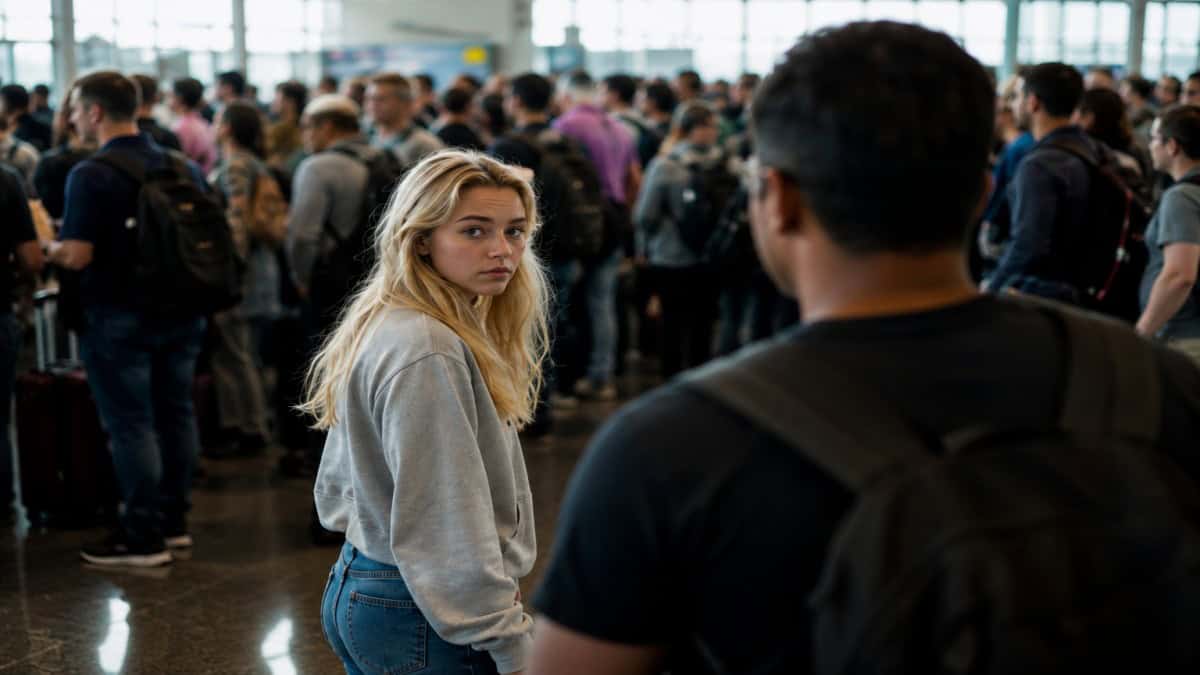
Image generated with Ai
Flight disruptions are mounting across the United States, with 2,993 delays and 79 cancellations reported today. The picture emerging is one of a busy aviation network still moving passengers but under significant operational pressure, with delays overwhelmingly outweighing outright cancellations by nearly 38 to 1.
Hartsfield-Jackson Atlanta is currently the busiest airport among the nation’s most affected hubs, while American Airlines is experiencing the highest number of delays and New York’s John F. Kennedy is seeing the highest airport cancellation count.
Other major airports, including Chicago O’Hare, Miami, Orlando, Los Angeles, and Boston Logan, are also dealing with heavy congestion as airlines such as Delta Air Lines, Southwest, and United work to keep schedules intact.
Today’s disruption pattern points to a network strained primarily by hub congestion and traffic flow delays, rather than widespread flight cancellations, allowing most operations to continue despite mounting schedule disruptions.
- Hartsfield-Jackson Atlanta remains the busiest airport among the most affected hubs, reflecting heavy traffic through the nation’s largest connecting airport.
- American Airlines is recording the highest number of delays, while Delta Air Lines has the most cancellations.
America’s Busiest Airports Today
Hartsfield-Jackson Atlanta
As the country’s busiest passenger airport, Hartsfield-Jackson Atlanta plays a central role in domestic air travel. Heavy delays here can affect connections across nearly every region of the United States, particularly for Delta Air Lines, whose largest hub is based in Atlanta. Even modest operational slowdowns at Atlanta often ripple through dozens of downstream routes.
Chicago O’Hare
Chicago O’Hare serves as one of America’s most important crossroads for east-west and north-south travel. With major operations from American Airlines and United, congestion here can influence connecting flights nationwide. Its position in the national network makes operational recovery particularly important as the day progresses.
Miami
Miami International remains a critical gateway between the United States, Latin America, and the Caribbean. Delays here affect both domestic and international itineraries, particularly for American Airlines, whose extensive hub operations mean schedule disruptions can quickly extend beyond South Florida.
Advertisement
Advertisement
Orlando
Orlando International continues to handle heavy leisure travel, especially during the busy summer season. Large volumes of vacation travelers and frequent operations by Southwest, and American mean delays here can affect aircraft rotations serving destinations throughout the country later in the day.
Los Angeles
Los Angeles International is one of the nation’s busiest West Coast gateways, linking domestic routes with Asia-Pacific and transcontinental services. Operational slowdowns here often influence aircraft arriving from or departing to multiple regions, making schedule recovery important for airlines operating coast-to-coast networks.
Advertisement
Advertisement
Which Airlines Are Under The Most Pressure Today
American Airlines
American Airlines is carrying the heaviest delay burden among airlines today. With large hubs including Chicago O’Hare and Miami experiencing congestion, the carrier’s extensive connecting network has likely amplified schedule disruptions. Delays, rather than cancellations, are clearly the dominant operational challenge.
Southwest
Southwest continues to experience substantial delays while keeping cancellations comparatively limited. Because its point-to-point operating model relies on aircraft moving continuously throughout the day, earlier delays can cascade into later flights across multiple cities.
Delta
While Delta Air Lines remains heavily affected by delays, it also records the highest cancellation count among airlines. Its major presence at Hartsfield-Jackson Atlanta means operational pressure at the country’s busiest airport can influence flights throughout its nationwide network.
United
United is seeing more delays than cancellations as its hub operations continue running despite congestion. With significant activity centered around Chicago O’Hare, the airline remains exposed to operational bottlenecks that can influence connections across both domestic and international routes.
Why Flights Across The US Are Running Behind Schedule
Today’s disruption pattern points primarily toward hub congestion, FAA traffic flow management, and busy summer travel demand rather than widespread operational shutdowns. Large connecting airports are processing enormous passenger volumes, and even relatively small delays can compound as aircraft, crews, and gates fall behind schedule.
Once an inbound aircraft arrives late at a major hub, its next departure often leaves late as well. That aircraft may then continue operating multiple flights throughout the day, spreading delays across cities hundreds or even thousands of miles away. Because the country’s largest hubs remain active instead of closing operations, airlines are largely preserving schedules while absorbing rolling delays through their networks.
Advertisement
Advertisement
What Travelers Need To Know Today
Passengers flying today should expect airports to remain busy, with most flights still operating despite elevated delays. Travelers connecting through major hubs such as Atlanta, Chicago O’Hare, Miami, Orlando, and Los Angeles may encounter longer connection times as airlines work to recover schedules throughout the day.
Rather than widespread cancellations, today’s challenge is timing. Flights may depart later than originally planned, and aircraft arriving behind schedule could affect subsequent departures. As airlines continue moving the vast majority of flights, travelers should anticipate a fluid operating environment where departure times may continue shifting as congestion works through the national network.
Business And Leisure Travel Continue Despite Delays
While today’s disruptions are creating longer travel days, they are unlikely to bring business or leisure travel to a standstill. With cancellations remaining relatively low compared with delays, most travelers are still expected to reach their destinations, albeit later than planned. Business travelers connecting through major hubs such as Hartsfield-Jackson Atlanta, Chicago O’Hare, and John F. Kennedy may face tighter connection windows and shifting meeting schedules, while vacationers heading to popular destinations like Orlando, Miami, and Los Angeles should prepare for extended waits rather than widespread trip cancellations. For airlines, keeping aircraft in service instead of canceling flights helps preserve capacity during the busy summer travel period, even if recovering schedules takes several hours as congestion moves through the national network.
The Bottom Line
Today’s US aviation network remains busy but operational, with 2,993 delays and 79 cancellations reflecting a day dominated by congestion rather than large-scale service interruptions. Major hubs including Hartsfield-Jackson Atlanta, Chicago O’Hare, Miami, Orlando, and Los Angeles continue to shoulder much of the operational pressure, while American Airlines, Delta Air Lines, Southwest, and United manage elevated delays across their extensive networks.
Although travelers should continue to expect schedule adjustments and longer connection times at major hubs, the overall outlook suggests airlines are keeping flights moving and working through congestion rather than experiencing a broader breakdown of the national air transportation system as operations continue to evolve through the remainder of the day.
Data Verification Notice
The Data is extensively curated by me with figures derived from Flightaware dated 26th July 2:53 pm ET USA
Primary Source: Real-time data aggregated via FlightAware.
Verification Protocol: Statistics are cross-checked by our human editorial desk. Timestamped logs and feed snapshots are securely archived internally to maintain historical accuracy.
Note: Real-time tracking figures represent active airspace data and may experience minor variances from local airport terminal gates.
Travelers are advised to check respective airline and airports for more latest information and updates
Advertisement
