
The Secret Leidsekruisstraat Strip Reviving Authentic Dutch Cuisine: Taste the True Amsterdam

Published
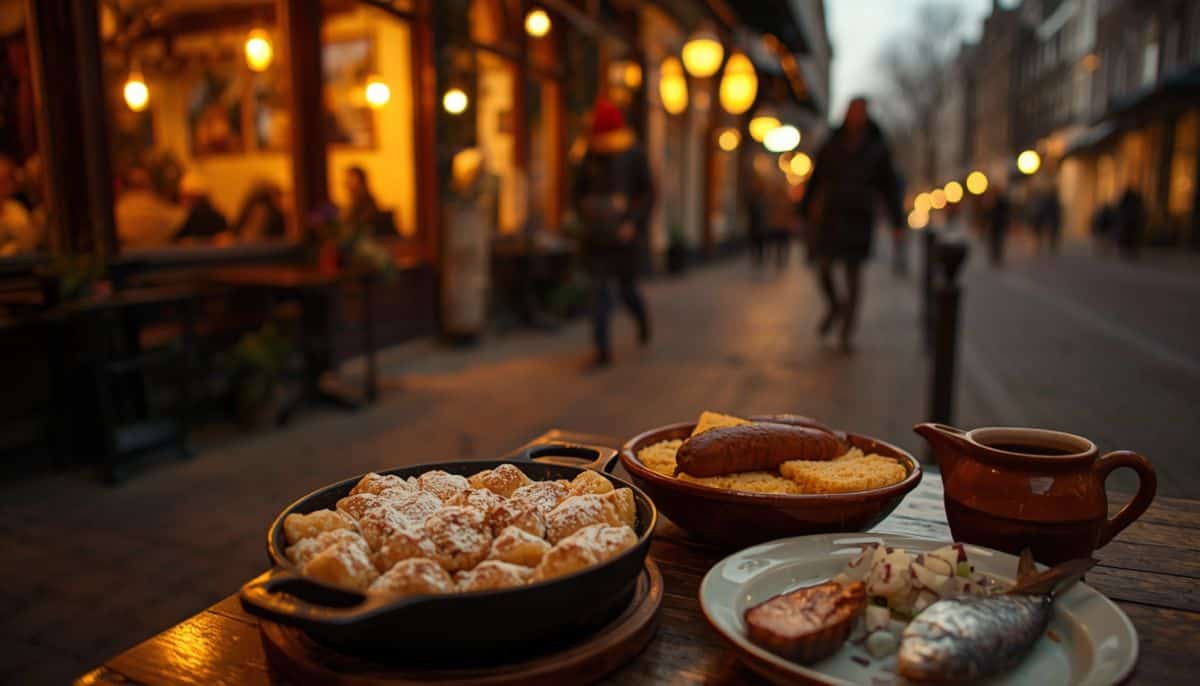
Image generated with Ai
In the lively Dutch capital travellers have to look beyond the international chains in search of authentic local food, onto the culturally rich neighbourhood streets. For the time being, Dutch eateries are becoming the main attraction for foreign visitors in search of authentic local cuisine in the vicinity of Leidseplein. In the busy Leidsekruisstraat, in particular, the number of places where you can get traditional Dutch food has steadily increased in recent years. Most venues are touristy, and you’ll find classic delicacies such as raw herring, hearty stamppot and fluffy poffertjes on the menu.
For any foodie wanting to enjoy Amsterdam’s gastronomic scene to the fullest this season, knowing where to find these culinary gems is key. While exhaustive guides to dining can assist travellers in navigating the city’s eclectic food scene, this review is limited to the remarkable revival of the traditional near Leidseplein. Read on to learn how this micro-district is changing the face of tourist dining and how visitors can sample the best of Dutch culinary heritage.
Advertisement
Advertisement
Addressing Common Traveller Enquiries
To better serve travelers planning their itineraries, several key questions regarding the Amsterdam dining scene are addressed below. These insights help clarify what visitors can expect when exploring the local culinary offerings.
- What are the must-try traditional Dutch foods in Amsterdam? Visitors are routinely encouraged to sample raw herring (haring) served with onions, creamy potato and vegetable mashes known as stamppot, and bite-sized, butter-laden pancakes called poffertjes.
- Where is the best area in Amsterdam for authentic local dining? While the Jordaan district offers historic brown cafes, the area surrounding Leidseplein—and notably Leidsekruisstraat—has transformed into a concentrated hub for classic Dutch menus tailored to visitors.
- Do Amsterdam restaurants require advance reservations for dinner? Given the high volume of international travelers frequenting central districts like Leidseplein, booking a table in advance is strongly recommended during peak tourist seasons.
The Evolution of Leidsekruisstraat
The transformation of Leidsekruisstraat into a dedicated culinary corridor represents a significant shift in Amsterdam’s tourism sector. Historically known for its diverse international eateries, this vibrant thoroughfare has experienced a notable revitalization. In recent years, local restaurateurs have increasingly pivoted toward celebrating indigenous Dutch recipes. Official municipal tourism data from the City of Amsterdam and Amsterdam Marketing highlights a growing consumer demand for culturally immersive experiences, which has directly fuelled this culinary trend.
Advertisement
Advertisement
By focusing on traditional recipes that have warmed Dutch households for generations, these establishments provide an educational and sensory experience for international guests. The conscious decision to spotlight heritage cooking has allowed neighbourhood dining rooms to distinguish themselves from neighbouring fast-casual venues. Consequently, visitors walking down Leidsekruisstraat are greeted by the comforting aromas of simmering stews and freshly baked dough, setting an inviting tone for evening exploration.
Savouring the Classics: Herring, Stamppot, and Poffertjes
At the heart of this culinary movement are three iconic staples of Dutch cuisine. First, raw herring remains a rite of passage for adventurous eaters. Typically served with diced raw onions and pickles, it is celebrated for its rich omega-3 profile and delicate flavour when caught during the traditional Hollandse Nieuwe season. Restaurants along Leidsekruisstraat prepare and present this delicacy with a strong emphasis on authentic presentation.
Advertisement
Advertisement
Second, stamppot offers a deeply comforting meal ideal for cooler sightseeing days. This traditional dish combines mashed potatoes with various vegetables—such as kale, endive, or carrots—and is usually served alongside a savoury smoked sausage (rookworst) and rich gravy. According to culinary historians referenced by the Netherlands Bureau for Tourism and Conventions, these hearty combinations originated as practical, warming meals for agrarian communities.
Third, poffertjes provide a sweet conclusion to any dining excursion. These miniature, puffy pancakes are baked in specialized cast-iron pans, resulting in a spongy texture. Served piping hot with a generous pat of melting butter and a heavy dusting of powdered sugar, they are a favorite among visitors of all ages.
Advertisement
Advertisement
The Economic and Cultural Impact on Tourism
The steady growth of heritage-focused dining establishments in the Leidseplein area reflects broader trends in modern travel behaviour. Contemporary tourists increasingly seek out authentic, localized experiences rather than standardized international fare. By adapting menus to highlight regional specialities, restaurateurs in Leidsekruisstraat have successfully captured this market demand.
Furthermore, economic reports from regional hospitality associations indicate that these specialized dining venues contribute significantly to the local economy. They encourage longer dwell times in the Leidseplein district, benefiting surrounding cultural venues, theatres, and retail shops. Travelers benefit from a cohesive, walkable dining district where multiple facets of Dutch food culture can be explored within a single evening.
Essential Tips for Your Culinary Exploration
Planning a memorable dining experience near Leidseplein requires a few practical considerations. Because these traditional venues cater heavily to an international audience, menus are almost universally available in English, and staff are well-versed in explaining the cultural significance of each dish.
- Timing: Arrive slightly before standard European dinner hours (around 6:00 PM) to secure seating without a lengthy wait.
- Dietary Accommodations: While traditional Dutch cuisine heavily features meat and dairy, many establishments along Leidsekruisstraat now offer vegetarian adaptations of classic stamppot.
- Payment: Most modern restaurants in central Amsterdam operate on a cashless basis, so carrying a contactless international credit or debit card is advised.
Tourists who cross into Leidsekruisstraat are treated to a mouth-watering glimpse of Dutch culture, confirming that age-old recipes still ring true in the modern, jet-set world of international travel.
Advertisement
