
Greece and Other Nations in Europe Are Now Ready to Unlock New Offshore Wind Opportunity as Coastal Tourism Needs Care

Updated
Published
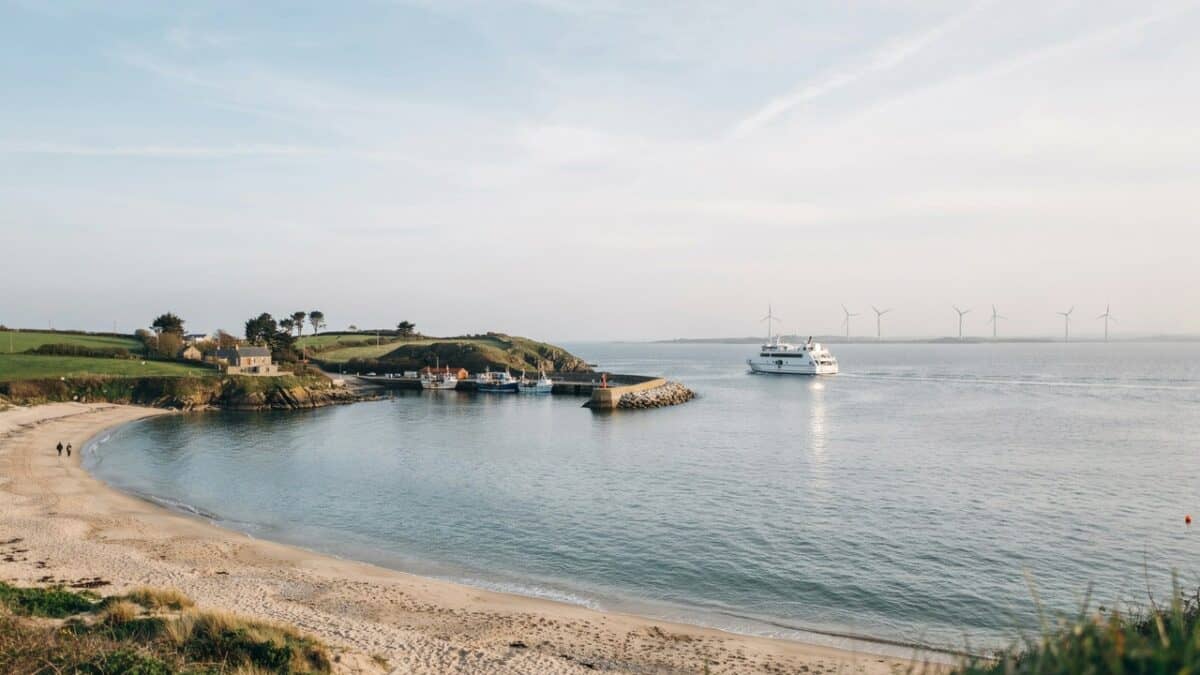
Image generated with Ai
Greece, Romania, Bulgaria, Croatia and Türkiye are exploring marine renewable energy around tourism-dependent coastlines. Responsible Offshore Wind development could support cleaner power, port investment and skilled employment. However, potential projects must be planned around beaches, islands, shipping routes, fishing areas, protected habitats and important seascapes across the Aegean, Adriatic, Mediterranean and Black seas.
Greece Leads a Wider Shift Across Southern European Seas
Southern and southeastern Europe are examining marine wind resources as countries seek cleaner electricity, stronger energy security and lower emissions. Greece is the leading example because it has advanced strategic planning for possible development areas around its seas. Romania has created a legislative path for the Black Sea, while Bulgaria and Croatia remain earlier-stage opportunities. Türkiye has set a national capacity ambition, but suitable sites and commercial arrangements still require further work. These countries should not be presented as having identical policies, approved pipelines or construction schedules.
The opportunity is significant, but Offshore Wind infrastructure cannot be separated from the visitor economy. Greece and Croatia have fragmented island landscapes, deep water and internationally recognised coastal destinations. Romania and Bulgaria share the western Black Sea, where resorts, ports, shipping and marine ecosystems occupy the same space. Türkiye has coastlines on several seas and a large domestic electricity market. Measuring wind speed is only one part of planning. Authorities must also assess grid connections, fisheries, shipping, defence areas, cultural heritage, ecosystems and the economic role of beaches and resorts.
What Is Confirmed and What Remains Under Assessment
Greece’s draft national programme identified ten areas that could support development by 2030–2032. Their combined potential is approximately 4.9 gigawatts, mainly using floating foundations suited to deeper water. A separate Evros–Samothraki area is intended for pilot development under national legislation. These locations are not all approved commercial projects. Strategic environmental assessment, surveys, consultation, licensing, grid planning and competitive allocation must take place before individual schemes can progress towards construction.
Advertisement
Advertisement
Romania has introduced a legal framework and studied development scenarios of 3 gigawatts and 7 gigawatts by the end of 2035. Türkiye has established a target of 5 gigawatts by 2035. Bulgaria has Black Sea potential but still needs clearer regulatory and commercial arrangements. Croatia has longer-term Adriatic potential, although island geography, protected areas and tourism sensitivity require caution. A policy target is not an operating wind farm, and a possible zone is not a construction decision. No official evidence reviewed confirms large-scale commercial generation across all five markets.
Advertisement
Advertisement
Offshore Wind Must Develop Alongside Coastal Tourism
Responsible planning should protect the qualities that make Mediterranean, Adriatic and Black Sea destinations attractive. Turbine visibility depends on distance from shore, turbine height, weather, lighting, coastal elevation and the Earth’s curvature. Construction can also create underwater noise, vessel movements and temporary safety areas. Cable routes and substations may affect the coastline even when turbines stand far offshore. Visual modelling, seasonal work schedules and consultation with tourism communities are therefore important before authorities approve a site.
Marine recreation requires equal attention. Large arrays can influence sailing routes, fishing activity, diving access and boat excursions. Environmental studies may need to examine seabirds, migratory routes, marine mammals, fish, seabed habitats, underwater cultural heritage and cumulative pressure from several developments. Renewable energy should not be declared environmentally safe without a complete assessment. An initial screening only identifies issues requiring investigation. A full environmental-impact assessment examines likely effects, alternatives, mitigation, monitoring and decommissioning duties before a final decision.
National Progress Shows Five Different Levels of Readiness
Greece has the clearest strategic planning example in the group. Its extensive coastline and deep surrounding waters make floating technology particularly relevant. Expanding Offshore Wind near island destinations will nevertheless require careful choices about views, archaeological landscapes, ports, shipping, fisheries, defence requirements and grid connections. Romania has also made measurable progress through legislation and Black Sea studies. Its lower 2035 scenario could supply an estimated 16% of national electricity demand, while the higher scenario could supply 37%, measured in terawatt-hours.
Advertisement
Advertisement
Romania’s lower scenario could generate €1.4 billion in domestic supply-chain gross value added by 2035. The higher scenario could generate €5.3 billion, approximately 3.8 times more. These are modelled outcomes, not guaranteed investment. Bulgaria should be described as an emerging Black Sea opportunity, not an operating offshore industry. Croatia must protect islands, sailing routes, cruise activity and scenic value as it evaluates future Offshore Wind potential. Türkiye’s 5-gigawatt ambition reflects technical and industrial opportunity, but targets, planned projects and operating capacity remain three different things.
| Country or category | Verified position | Key travel or planning concern |
|---|---|---|
| Greece | Ten possible areas with about 4.9 GW of potential by 2030–2032 | Islands, views, heritage, ports and deep-water connections |
| Romania | Legal framework and scenarios of 3–7 GW by the end of 2035 | Black Sea resorts, shipping, grid capacity and marine habitats |
| Bulgaria | Emerging opportunity without a comparable confirmed commercial timetable | Summer resorts, bird routes, fisheries and port planning |
| Croatia | Longer-term Adriatic potential requiring careful assessment | Islands, sailing, cruise routes and scenic coastline |
| Türkiye | National target of 5 GW by 2035 | Suitable zones, tenders, resorts, fishing and marine transport |
| Shared Offshore Wind challenge | Different development stages across several seas | Comparable data, environmental review and tourism consultation |
Greece Advances Strategic Planning Across Its Surrounding Seas
Greece has identified ten possible marine areas that could support around 4.9 GW of Offshore Wind capacity by 2030–2032. Most projects would probably require floating technology because several potential locations have deeper waters. However, identified areas are not automatically approved projects. Detailed surveys, environmental assessments, consultation, licensing and grid planning must occur before construction can begin.
Advertisement
Advertisement
Future development must account for Greece’s islands, coastal views, archaeological landscapes, ports, fishing grounds and shipping routes. Tourism is particularly sensitive in Crete, the Ionian Islands and the South Aegean, where international visitors generated more than 90% of accommodation nights in 2024. Authorities will therefore need to balance renewable-energy development with destination protection and safe maritime access.
Romania Builds a Legal Path for Black Sea Development
Romania has created a legal framework for marine wind development and examined two Black Sea growth scenarios. The lower scenario considers 3 GW by the end of 2035, potentially supplying 16% of national electricity demand. The higher scenario considers 7 GW, representing an estimated 37% of demand. These figures describe possible development pathways rather than guaranteed operating capacity.
The lower scenario could generate €1.4 billion in domestic supply-chain gross value added by 2035. The higher scenario could generate €5.3 billion, approximately 3.8 times more. However, progress will depend on concessions, financing, environmental approval and transmission upgrades. Site planning must also consider Black Sea resorts, shipping corridors, fishing activity, marine habitats and port infrastructure.
Bulgaria Evaluates an Emerging Black Sea Opportunity
Bulgaria has significant Black Sea renewable-energy potential, but it does not yet have a comparable confirmed commercial timetable for large-scale development. It should therefore be described as an emerging opportunity rather than an established operating market. Further regulatory clarity, maritime studies, environmental evidence and investment arrangements will be required before major projects can advance.
Tourism exposure is especially important along Bulgaria’s coastline. Official 2024 data show that July and August produced 60.1% of annual accommodation nights in south-eastern Bulgaria and 56.9% in the north-east. Project planning must account for resorts, beaches, fishing grounds, shipping movements, bird-migration routes and marine biodiversity. Cross-border coordination with Romania may also become important in the western Black Sea.
Advertisement
Advertisement
Croatia Balances Adriatic Potential With Island Tourism
Croatia has longer-term renewable-energy potential in the Adriatic, although no comparable large-scale commercial timetable has been officially confirmed. Its deep-water conditions could make floating technology relevant in some areas. Any proposal would still require maritime planning, environmental assessment, grid connections, suitable port capacity and consultation with coastal communities before it could progress.
The Adriatic is central to Croatia’s international tourism economy. The region recorded 88.4 million accommodation nights in 2024, with international visitors accounting for 92%. July and August produced 57.7% of annual nights. Future projects must therefore consider island views, sailing corridors, cruise routes, protected habitats, cultural landscapes and seasonal visitor activity. Construction scheduling would be particularly important during the summer peak.
Türkiye Targets Five Gigawatts by 2035
Türkiye has established a national target of 5 GW of Offshore Wind capacity by 2035. The country has coastlines on the Black Sea, Aegean and Mediterranean, alongside major ports and a large electricity market. However, a national target does not mean that five gigawatts are operating or under construction. Specific development zones, tender conditions, grid connections and approved projects must still be confirmed.
Future planning will need to distinguish technical potential from commercially viable sites. Not every coastal region will be suitable for development. Authorities must consider resorts, fishing areas, shipping corridors, marine ecosystems and port approaches when selecting locations. Environmental assessment and consultation will determine whether individual proposals can coexist with tourism and existing maritime activity without creating unacceptable local pressure.
Tourism, Economic Benefits and Risks Require Balance
Official tourism data explain why the coastline needs protection. Visitors spent 3.0 billion nights in tourist accommodation across the European Union during 2024. Adriatic Croatia recorded 88.4 million nights, the third-highest regional total in the bloc, and foreign visitors generated 92% of them. International guests also supplied more than nine in every ten nights in Crete, the Ionian Islands and the South Aegean. July and August accounted for 57.7% of annual nights in Adriatic Croatia, 60.1% in south-eastern Bulgaria and 56.9% in north-eastern Bulgaria.
Advertisement
Advertisement
If managed responsibly, marine-energy development could modernise ports, create engineering and maintenance employment, strengthen training and support activity beyond summer. Cleaner grid electricity may also help destinations reduce energy-related emissions. However, tourism gains are not automatic. Poor siting could change sea views, disrupt navigation, pressure fishing livelihoods or damage the reputation of scenic destinations. Offshore Wind may create educational visits or specialist boat tours, but these remain possible future products rather than confirmed attractions in the five countries. Visitor growth should never be claimed without evidence.
Planning Checklist and What Happens Next
The next phase will move from national ambition towards location-specific evidence. Greece must progress programme approval, environmental review and development-area designation. Romania must implement its legal framework, identify suitable areas, improve transmission capacity and establish allocation procedures. Türkiye needs confirmed zones, tender conditions and grid connections. Bulgaria and Croatia require clearer official frameworks before large projects can be treated as imminent. Countries will move at different speeds, while announcements alone will not guarantee construction.
Authorities and coastal communities will need to track these priorities:
- Publish proposed marine areas early and explain their development status.
- Complete strategic and project-level environmental assessments.
- Map shipping lanes, fishing grounds, tourism corridors and protected areas.
- Test turbine visibility from beaches, islands and cultural sites.
- Coordinate construction calendars with peak visitor seasons.
- Consult tourism businesses, fishers, ports and coastal residents.
- Plan grid connections, cable landfalls and emergency responses.
- Confirm leasing, concession, auction and monitoring arrangements.
- Ensure every Offshore Wind proposal includes clear local-benefit and complaint mechanisms.
Travellers currently face no change to visas, passports, border controls, ferry bookings, cruise documents or international entry rules. No general beach closure or regional sailing restriction has been announced. Visitors should monitor formal local notices only when future construction affects a ferry route, marina, diving site, coastal road, port or excursion area. Greece, Romania, Bulgaria, Croatia and Türkiye possess different levels of readiness, but all must balance cleaner power with beaches, islands, biodiversity and livelihoods. Carefully planned Offshore Wind can support investment, yet its value will depend on responsible siting, transparent consultation and long-term monitoring.
Frequently asked questions
Why does Greece lead the article?
Advertisement
Advertisement
Greece has advanced strategic planning and significant floating-technology potential, while its island tourism economy makes careful development especially important.
Are all five countries building operating projects?
No. Their legislation, development zones, commercial pipelines and construction readiness remain at different stages.
Why is Romania important?
Romania has established a legal pathway and assessed two Black Sea development scenarios reaching 3–7 gigawatts by 2035.
Advertisement
Advertisement
Does Bulgaria have a large operating industry?
No official evidence reviewed supports that description. Bulgaria is presented as an emerging opportunity requiring clearer regulation.
Why must Croatia proceed carefully?
Its islands, sailing routes, cruise activity, marine habitats and scenic coastline are central to the national visitor economy.
What is Türkiye’s role?
Advertisement
Advertisement
Türkiye has a 5-gigawatt target for 2035, extensive coastlines and industrial capacity, but individual projects still require verification.
Does this affect visas or passports?
No. Marine energy planning does not change tourist visas, passport requirements or border-entry procedures.
Advertisement
