
Spain Aligns With Italy And More To Boost Travel Growth Beyond Summer Peaks

Published
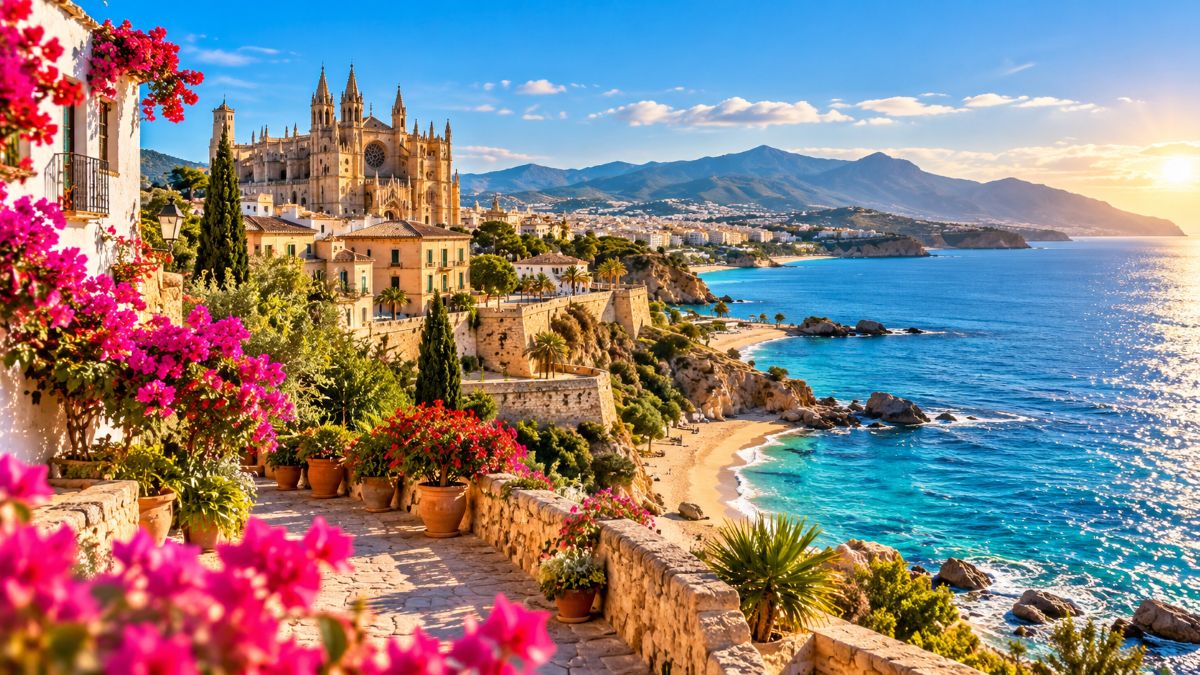
Spain, alongside Italy and other European destinations such as France, Portugal and Greece, is strengthening its position in year-round tourism by encouraging travellers to explore cultural attractions, historic cities, wellness experiences and coastal landscapes beyond the traditional summer holiday season. Family breaks, regional cuisine, shopping, outdoor adventures and extended stays are creating opportunities to attract international visitors throughout the year. This shift could help tourism businesses generate revenue during quieter months while easing seasonal pressure on popular resorts. By diversifying its tourism offerings, Spain aims to encourage visitors to discover experiences beyond its best-known summer hotspots, following a wider European trend towards more balanced and sustainable travel.
The transition reflects a broader challenge across Europe, where concentrated seasonal demand can place pressure on transport networks, accommodation availability, local infrastructure and communities. Spain, Italy, France, Portugal and Greece offer diverse cultural heritage, museums, regional traditions, nature-based activities and wellness retreats that can attract visitors in different seasons. However, achieving sustainable growth will require reliable transport connections, responsible environmental management, suitable accommodation capacity and long-term destination planning. For these countries, the objective is not simply to increase visitor numbers, but to distribute tourism demand more evenly throughout the year, support local businesses beyond peak summer months and build more resilient tourism economies.
Advertisement
Advertisement
Spain Aligns With Italy And More To Strengthen Year-Round Tourism
Spain’s off-season strategy places it within a wider European effort to manage seasonal tourism and improve the distribution of visitor spending. Italy and Greece remain important comparisons because their internationally recognised coastal resorts, historic cities and island destinations also experience substantial seasonal demand. Spain’s reported performance suggests that a diversified tourism offer can help sustain activity outside the busiest summer months, although differences in statistical definitions mean that country comparisons must be interpreted carefully.
The central opportunity lies in converting Spain’s cultural appeal into a stronger year-round proposition. Madrid’s museums, Seville’s historic architecture, Barcelona’s cultural attractions and Valencia’s food scene offer reasons to travel when beach destinations are less attractive. The Canary Islands also benefit from a climate that supports holidays beyond the European summer. This variety allows Spain to address different traveller motivations while spreading demand across regions and accommodation categories.
Advertisement
Advertisement
Culture Remains The Foundation Of Off-Season Demand
Cultural tourism remains a principal reason international visitors choose Spain during quieter periods. Historic neighbourhoods, art collections, architectural landmarks, traditional festivals and regional gastronomy create experiences that are not restricted to the beach season. Cities can attract visitors interested in museums, guided heritage tours, performances and shopping when temperatures are cooler and streets are less crowded. These activities also create opportunities for local guides, independent restaurants, cultural institutions and small retailers to generate income beyond the busiest months. A stronger cultural offer therefore supports both the visitor economy and the wider network of businesses that contribute to the character of Spanish destinations.
Spain’s established urban centres provide a foundation for this model, but the benefits need not remain concentrated in major cities. Smaller historic towns and inland communities can develop walking routes, food experiences, craft workshops and heritage itineraries that encourage visitors to stay longer. Regional authorities and tourism operators can support this process by coordinating cultural calendars, improving visitor information and promoting destinations that receive less international attention. The challenge is to ensure that promotion reflects genuine local capacity. A successful off-season strategy should strengthen existing cultural assets rather than turn communities into visitor attractions without sufficient investment in public services and heritage protection.
Advertisement
Advertisement
Family Holidays And Wellness Expand The Visitor Market
Family travel and active wellbeing experiences are emerging as important motivations for off-season tourism in Spain. Families may prefer periods when attractions are less crowded, accommodation choices are broader and travel schedules are easier to manage. Wellness-oriented visitors, meanwhile, can seek walking holidays, outdoor recreation, spa facilities and nature-based experiences beyond the conventional summer period. These segments offer destinations an opportunity to appeal to travellers whose priorities extend beyond sunshine and swimming. Their growing importance also suggests that tourism businesses can build packages around specific interests rather than depending on a single seasonal product.
The opportunity varies between regions. The Canary Islands can combine mild-weather escapes with family activities and wellness facilities, while inland destinations can promote hiking, rural accommodation and outdoor exploration. Cities can develop cultural programmes suitable for families, alongside food experiences and shopping itineraries for adults. Such diversification requires practical coordination between hotels, attractions, transport providers and local businesses. Visitors need clear information about seasonal opening hours, accessible transport, family facilities and available activities. Without this coordination, a destination may attract bookings but struggle to deliver a consistent experience. Well-designed products can instead help businesses maintain employment and revenue during traditionally quieter months.
Argentina, Poland And Brazil Strengthen International Demand
Changing source markets are another important part of Spain’s off-season growth story. The research identifies Argentina, Poland and Brazil as markets recording substantial increases in low-season and shoulder-season visitation over three years. Demand from Argentina rose by 27.8%, Poland by 18.6% and Brazil by 13.1%, according to the reported figures. These increases point towards a broader international audience for Spain beyond its established visitor base. They also provide tourism organisations with opportunities to develop campaigns that respond to different travel motivations, purchasing patterns and preferences.
However, growth rates should be interpreted in context. A large percentage increase does not necessarily mean that a market contributes the greatest absolute number of visitors or the highest total expenditure. Establishing the long-term value of these markets requires information about visitor volumes, average spending, length of stay, repeat visits and regional distribution. Spain’s tourism planners can use such evidence to determine which destinations are best placed to benefit. Multi-destination itineraries could encourage international visitors to travel beyond Madrid and Barcelona, spreading expenditure towards smaller cities, coastal communities and inland areas. Better market diversification may also reduce dependence on a narrow group of source countries.
Spain’s Regional Destinations Offer Different Advantages
Spain’s geographical diversity gives its year-round tourism strategy several distinct foundations. Urban destinations benefit from cultural attractions, restaurants, shopping and business travel. Inland and nature-based areas can appeal to independent travellers and couples seeking outdoor activities, local traditions and quieter surroundings. The Mediterranean coast can attract visitors interested in gastronomy, coastal walks and regional heritage when beach demand moderates. The Canary Islands, meanwhile, have an established position in winter sun holidays and longer stays.
The latest research highlights the Canary Islands as a particularly important example of off-season performance. Average stays among the principal source markets analysed reach 6.6 nights, compared with an average of 3.7 nights along the Mediterranean coast and mainland coastal areas covered by the study. Longer stays can increase expenditure across accommodation, dining, transport and activities, although the actual economic benefit depends on visitor spending and the proportion retained by local businesses. Regional tourism authorities can strengthen these advantages by linking accommodation with locally delivered experiences, encouraging visitors to explore multiple communities rather than remaining within resort complexes.
Advertisement
Advertisement
Premium Accommodation Adds Economic Value
Accommodation patterns offer another insight into Spain’s changing tourism economy. The research indicates that mid-to-high-end and high-end properties attract approximately four in ten visitors during the low season. The proportion is higher for hotel stays along the Mediterranean coast and islands, at 44.2%, and in the Canary Islands, at 58.2%. These figures suggest that off-season demand is not limited to budget-conscious travellers seeking lower prices. It can also include visitors prepared to spend on higher-category accommodation and complementary experiences.
In urban destinations, international demand during the low and shoulder seasons is particularly concentrated in mid-to-high-end and high-end hotels, which account for 64.8% of the hotel demand described in the research. Shopping has also gained importance as a travel motivation. For hospitality businesses, this creates opportunities to develop packages combining accommodation, cultural access, dining and retail experiences. Nevertheless, hotel category alone does not establish the full economic impact of a visitor. A comprehensive assessment should also consider operating costs, wages, local procurement, environmental pressures and how tourism income reaches businesses and workers in surrounding communities.
Key Figures Shaping Spain’s Off-Season Strategy
The reported research provides a useful comparison of seasonal concentration and changing visitor preferences. The figures below distinguish between the headline measure of activity outside the traditional summer peak and the separate comparison based on the broader high-season period.
| Tourism indicator | Reported figure | Significance |
|---|---|---|
| Spain’s activity outside the June–August peak | 47% | Indicates substantial demand beyond the core summer period |
| Spain’s activity concentrated in the May–September high season | 52.8% | Provides a broader seasonal comparison |
| Italy’s activity in the high season | 58.7% | Shows greater seasonal concentration than Spain under the study’s measure |
| Greece’s activity in the high season | 72.7% | Indicates a stronger concentration of activity in peak months |
| Growth in off-season visitation from Argentina | 27.8% | Highlights an emerging source market |
| Growth in off-season visitation from Poland | 18.6% | Demonstrates expanding demand |
| Growth in off-season visitation from Brazil | 13.1% | Indicates further market diversification |
| Average stay in the Canary Islands | 6.6 nights | Supports the islands’ longer-stay tourism proposition |
These indicators suggest that Spain has made progress in distributing tourism activity across the calendar, but they do not mean that seasonal pressure has disappeared. The figures measure different periods and types of demand, and the growth rates for individual source markets do not establish their absolute contribution to national tourism revenue. Further assessment should examine regional occupancy, transport capacity, visitor expenditure and local economic benefits to determine how effectively off-season demand supports a more balanced tourism model.
Sustainable Growth Requires Better Destination Management
Reducing seasonality can help destinations make more consistent use of infrastructure and employment, but it is not a complete solution to tourism pressure. Visitor numbers can remain high in particular neighbourhoods even when national demand becomes more evenly distributed. Housing affordability, water consumption, waste management, transport congestion and access to public spaces remain important concerns in heavily visited destinations. Extending the tourism season without addressing these issues could shift pressure into additional months rather than resolve it.
Effective planning requires cooperation between national tourism bodies, regional administrations, municipalities and private operators. Local authorities need reliable information about visitor movements and infrastructure capacity, while businesses require predictable demand to plan staffing and investment. Tourism promotion should be aligned with environmental limits and the needs of residents. It should also encourage visitors to explore less-visited places where appropriate facilities and services are available. Success should be measured not only through arrivals and hotel occupancy but also through employment stability, visitor satisfaction, local spending and the protection of cultural and natural assets.
Advertisement
Advertisement
Transport Connectivity And Marketing Will Shape Future Growth
Transport availability will influence whether Spain can sustain stronger demand outside the summer season. International visitors need convenient flights, reliable rail services and straightforward connections between airports, cities and regional destinations. Airlines and accommodation providers must also judge whether demand is sufficient to support routes and services during quieter months. Coordinated scheduling, targeted campaigns and clearly presented regional itineraries can help visitors consider Spain at different times of year.
Marketing will be most effective when it reflects the characteristics of individual destinations. A city break built around museums and gastronomy requires a different approach from a family holiday in the Canary Islands or a walking trip through rural Spain. Travel businesses can use visitor research to identify suitable markets, communicate seasonal experiences and develop packages that encourage longer stays. Such efforts should remain grounded in realistic capacity and accurate information. Promoting a destination during the low season is only valuable if visitors can access attractions, obtain appropriate accommodation and enjoy a satisfactory experience after arrival.
What Spain’s Tourism Strategy Means For Europe
Spain’s experience offers useful lessons for other Mediterranean destinations seeking to reduce dependence on peak summer demand. Italy and Greece have extensive cultural resources and diverse regional landscapes that could support more year-round travel, although climate, transport links and the structure of their tourism economies differ. No single strategy can be transferred unchanged between countries. Each destination needs to understand its visitor markets, seasonal constraints and the experiences it can offer outside its busiest period.
Spain’s advantage lies in the combination of major cities, coastal destinations, islands, rural landscapes and an established international visitor network. The latest findings suggest that culture remains a reliable foundation, while family holidays, wellness activities, longer stays and emerging source markets are expanding the possibilities. Turning these trends into durable benefits will require investment in transport, accommodation, local services and responsible destination management. The strongest measure of progress will be whether tourism creates value across more regions and months without compromising the quality of life of residents or the resources on which the industry depends.
Frequently Asked Questions
1. Why is Spain focusing on off-season tourism?
Spain is seeking to distribute tourism activity more evenly throughout the year, reduce dependence on the busiest summer months and create more consistent opportunities for tourism businesses and workers.
Advertisement
Advertisement
2. What proportion of Spain’s tourism activity takes place outside the traditional summer peak?
The reported study places the figure at 47% outside the June–August peak period. A separate seasonal comparison places 52.8% of activity within the broader May–September high season.
3. Which activities attract off-season visitors to Spain?
Culture remains a leading motivation, while family holidays, active wellbeing, shopping, gastronomy, outdoor recreation and heritage experiences also support demand.
4. Which international markets are showing strong off-season growth?
Argentina, Poland and Brazil are among the emerging markets identified in the research, with reported visitation growth of 27.8%, 18.6% and 13.1%, respectively, over three years.
Advertisement
Advertisement
5. Why are the Canary Islands important to year-round tourism?
The islands benefit from a climate suitable for travel beyond the European summer and record an average stay of 6.6 nights among the principal source markets analysed.
6. How does off-season tourism benefit local businesses?
It can support accommodation providers, restaurants, guides, retailers and attractions during quieter months, potentially helping businesses maintain employment and revenue across a longer operating season.
7. Does off-season tourism eliminate overtourism in Spain?
No. It may ease seasonal pressure, but overcrowding, housing costs, water use and infrastructure constraints can persist in particular destinations and neighbourhoods.
Advertisement
Advertisement
8. How does Spain compare with Italy and Greece?
The study reports that 52.8% of Spain’s tourism activity is concentrated in the May–September high season, compared with 58.7% in Italy and 72.7% in Greece.
9. What role does premium accommodation play in off-season growth?
Mid-to-high-end and high-end accommodation accounts for a substantial share of low-season demand, creating opportunities for higher-value visitor experiences and spending across local services.
10. What will determine the future success of Spain’s off-season tourism strategy?
Reliable transport, diversified visitor markets, longer stays, year-round cultural programming, environmental management and benefits for local communities will be essential to sustaining balanced tourism growth.
Advertisement
