
Radisson Blu Park Hotel Athens Marks 50 Years With Exhibition Tracing New Tourism Evolution in Greece

Published
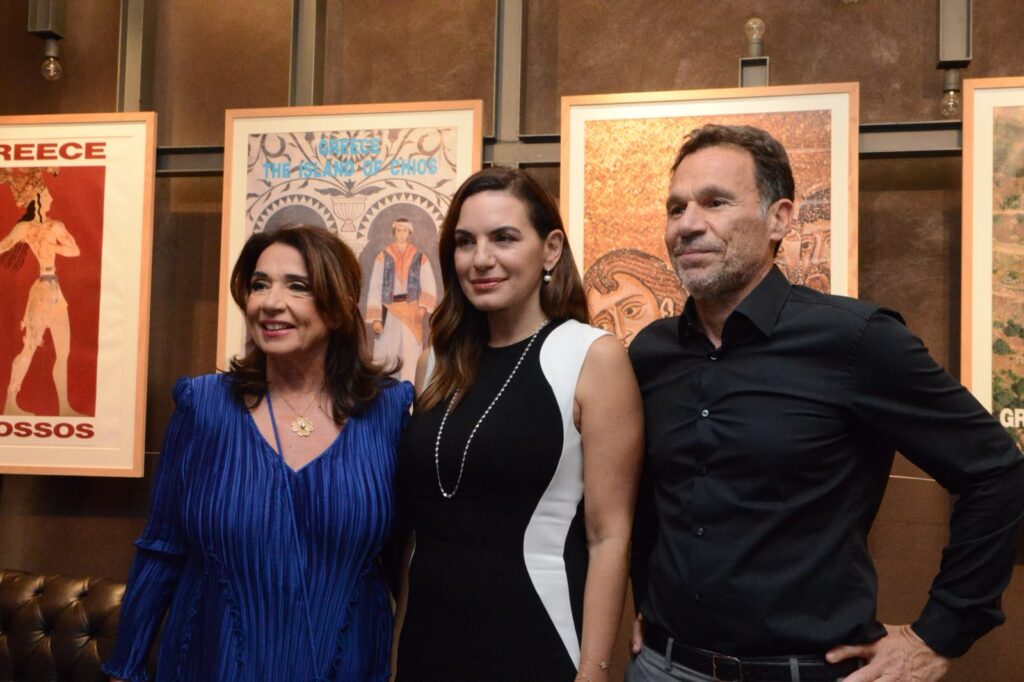
The Radisson Blu Park Hotel Athens is celebrating its golden jubilee with a unique historical exhibition linking the hotel’s own past with the development of tourism in Greece and Athens as an international destination city. This exhibition titled “Memory and Horizon” was inaugurated by the Greek Tourism Minister, Olga Kefalogianni and includes 30 historic posters created by the Greek National Tourism Organization (GNTO) during 1929-1996.
These posters are sourced from the collection of the National Historical Museum, providing visitors with the chance to see how Greece has been marketed as an international destination through the posters during various eras. This exhibition is one of the programs to mark the golden jubilee of the Radisson Blu Park Hotel Athens.
Advertisement
Advertisement
Tourism History Meets Contemporary Hospitality in Central Athens
The exhibition provides a connection between the hotel and the city it has served for half a century. Kefalogianni highlighted the relationship between the Radisson Blu Park Hotel Athens and Athens itself, noting that the property has experienced both prosperous periods and challenging years for tourism in the capital. Its history therefore forms part of a wider story about confidence in Athens and its long-term tourism potential.
The hotel’s continued operation represents the ability of hospitality businesses to adapt as the destination changes. The anniversary exhibition adds another dimension by connecting the hotel’s history with the development of Greece’s international tourism image.
Advertisement
Advertisement
Memory and Horizon Presents 30 Historic Greek Tourism Posters
The “Memory and Horizon” exhibition features 30 posters covering the period from 1929 to 1996. Curated by art historian Eleni Athanasiou, the collection provides a visual record of the ways Greece was promoted to visitors over several decades. The posters allow viewers to examine how tourism messaging changed over time.
They raise questions about the images Greece selected to represent itself, the audiences it sought to reach and the visual language used to communicate the country’s appeal. The exhibition therefore operates not simply as a display of historic artwork but as a reflection on the development of destination marketing and national tourism identity.
Advertisement
Advertisement
Greek National Tourism Organization Shaped Greece’s International Tourism Image
The historical posters demonstrate the important role played by the Greek National Tourism Organization in developing the visual identity used to promote Greece internationally. Through tourism campaigns, Greece established recurring images and themes that helped create continuity in its international presentation. The exhibition allows visitors to observe how these representations evolved across different historical periods.
The changing posters provide insight into the priorities of Greek tourism promotion and the ways the country sought to communicate its attractions to international audiences. From a tourism perspective, the collection demonstrates how destination branding has long been connected with art, design and visual storytelling.
Athens Remains Central to Greece’s Tourism Development Strategy
Kefalogianni also used the anniversary event to highlight Athens’ growing importance within Greece’s tourism strategy. The capital is increasingly being positioned as a year-round destination, rather than a city experienced only during the traditional summer tourism period. Athens offers visitors a combination of:
- Historic neighbourhoods
- Cultural attractions
- Archaeological heritage
- Urban experiences
- Local daily life
The Minister highlighted the area around Pedion tou Areos, where the hotel is located, as an example of a side of Athens that visitors can discover beyond the city’s most famous landmarks. This approach supports the wider objective of encouraging travellers to explore the capital through different neighbourhoods and experiences.
Hotel’s Location Connects Visitors With Everyday Athens
The Radisson Blu Park Hotel Athens sits opposite Pedion tou Areos, placing it within a part of the capital where historic neighbourhoods and everyday urban life meet. The location provides an opportunity to present Athens through a broader lens. Visitors can explore cultural sites while also experiencing the rhythms of local neighbourhoods and daily city life. Kefalogianni emphasised the value of helping visitors become acquainted with this dimension of Athens. For the hotel, the exhibition strengthens that relationship by giving guests access to an element of Greek tourism history during their stay.
Art and Tourism Memory Add Depth to the Visitor Experience
The exhibition demonstrates how hospitality properties can become platforms for cultural engagement. Rather than limiting the anniversary celebration to the hotel’s own history, the Deverikos family chose to focus on art and the tourism memory of Greece. Kefalogianni praised this approach, noting that 50 years of operation represents a significant achievement requiring consistency, insight and the ability to evolve while maintaining a distinctive character. She also highlighted the importance of the people who deliver hospitality through professionalism and personal care. The exhibition adds cultural content to the hotel experience while creating an opportunity for visitors to engage with Greece’s tourism story.
Advertisement
Advertisement
Greece Promotes Tourism Beyond the Traditional Summer Season
The exhibition also connects with the Ministry of Tourism’s strategy to promote year-round tourism across Greece. Athens is positioned as a major driver of this strategy because the capital can offer cultural and urban experiences across all seasons. Cultural exhibitions, museums, historic neighbourhoods, gastronomy and other experiences can encourage visitors to consider Greece outside the traditional peak summer period. The approach also supports the broader diversification of Greece’s tourism product. By presenting the country through culture and history, tourism authorities can encourage visitors to look beyond conventional seasonal travel patterns.
Historic Posters Reveal How Greece Presented Itself to Different Generations
The chronological range of the exhibition allows visitors to examine the evolution of Greek tourism promotion. The posters provide visual evidence of how Greece’s tourism identity was communicated during different eras. They encourage questions about:
- Which aspects of Greece were highlighted
- Which audiences were targeted
- How tourism messages changed
- What visual styles were used
- How Greece’s international image evolved
This makes the collection relevant not only to art enthusiasts but also to tourism professionals and visitors interested in the history of destination marketing. The exhibition demonstrates that the way a country presents itself to travellers can change significantly while still maintaining recognisable elements of national identity.
Radisson Blu Park Hotel Athens Links Hospitality With National Tourism Heritage
The 50th anniversary of the Radisson Blu Park Hotel Athens provides a natural setting for exploring the relationship between hospitality and destination development. The hotel has witnessed different phases in Athens tourism, from periods of growth to more challenging years. Its anniversary therefore coincides with a period when Athens is once again being positioned as a dynamic international destination. The “Memory and Horizon” exhibition creates a bridge between that history and the future. It shows how tourism promotion has changed while inviting visitors to consider what Greece’s next tourism identity might look like.
Exhibition Looks From Greece’s Tourism Past Towards Its Future
The title “Memory and Horizon” reflects the central idea behind the exhibition. The historical posters look back at decades of Greek tourism promotion while encouraging visitors to consider the future. Kefalogianni invited audiences to think about which image of contemporary Greece could remain powerful enough to move travellers decades from now.
That question places today’s tourism strategy within a longer historical context. Destination images can influence how international audiences understand a country, but those images also need to evolve alongside changing traveller expectations. For Greece, the challenge is to preserve its established cultural identity while presenting new dimensions of the country to future generations.
Advertisement
Advertisement
Athens Uses Culture and Tourism Heritage to Strengthen Its Year-Round Appeal
The Radisson Blu Park Hotel Athens anniversary exhibition brings an interesting convergence of hospitality, art, and tourism history together. The 30 GNTO posters that go back to 1929 until 1996 enable visitors to learn about the transformation of the visual identity of Greece tourism and the importance of destination marketing in forming its image for the rest of the world.
At the same time, the exhibition sheds light on the development of Athens as a tourist destination all year around with a stronger focus on culture, neighborhoods and urban experiences. With “Memory and Horizon”, which connects the hotel’s history for half a century with the story of Greek tourism, visitors are not only offered an insight into the past but also a chance to reflect upon the present and future of Greek tourism.
Advertisement
