
China Steps Up With Malaysia and More to Lead Global Travel Brands in Ecological Stewardship Across Sensitive Habitats

Published
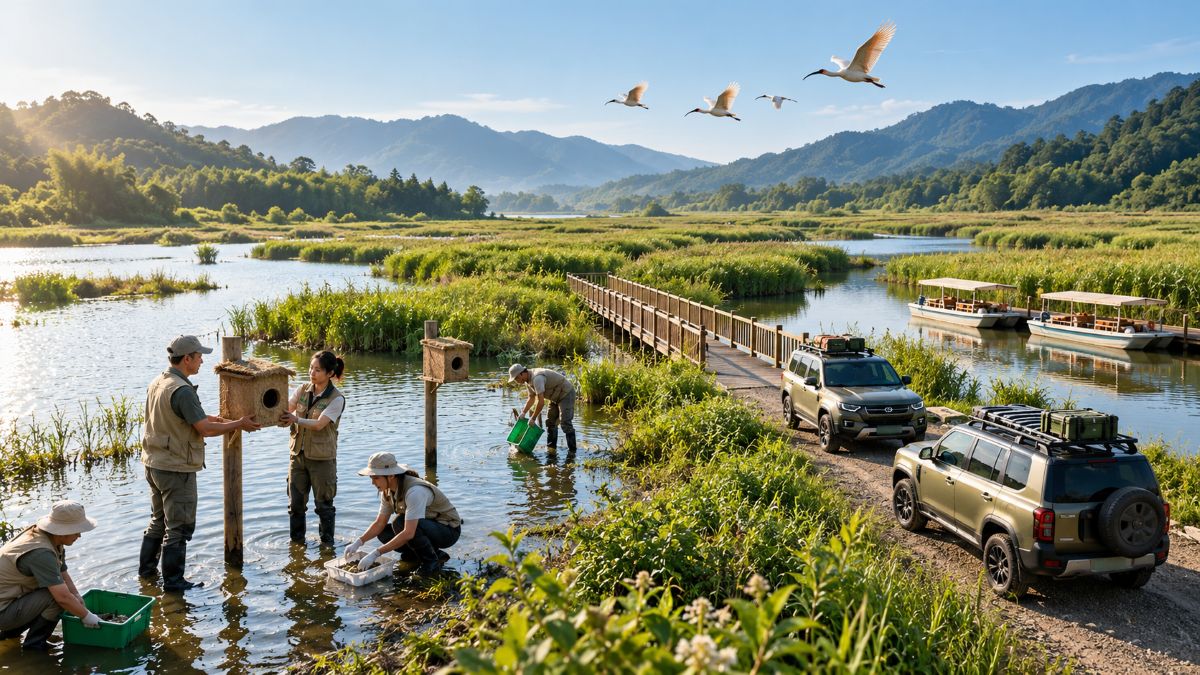
Sustainable mobility and responsible exploration are converging to redefine how international expeditions interact with sensitive habitats worldwide. Modern holidaymakers increasingly demand that outdoor journeys actively contribute to environmental preservation rather than merely avoiding damage. Travel organisations are consequently moving beyond passive sustainability pledges by embedding ecological programmes directly into adventure routes and group excursions. The latest global initiatives demonstrate that automotive engineering and tourism infrastructure can function collaboratively to protect endangered species. By connecting field research with real-world exploration, expeditions offer direct support to vulnerable biodiversity corridors while fostering deep public environmental accountability across continents. Recent fieldwork in eastern Asia underscores this operational transition towards restorative expeditions. Environmental specialists and international observers recently convened at the Xiazhu Lake National Wetland Park to implement immediate preservation steps for local wildlife. This hands-on intervention blended habitat engineering with scientific monitoring, allowing participants to directly assist in the long-term survival of endangered birds. Engaging travel communities in verified biological restoration programmes sets a measurable precedent for the outdoor recreation sector. It establishes a practical framework where long-distance tourism actively funds and facilitates critical ecological management.
Restorative Wildlife Initiatives in Wetland Habitats
Wetland ecosystems represent some of the most ecologically fragile destinations visited by adventure travellers and field researchers alike. Within Zhejiang Province, targeted wildlife programmes have demonstrated tangible results through coordinated nesting assistance and nutritional reinforcement for threatened avian populations. Observers engaged in releasing indigenous fish fry to restore critical foraging biomass while assembling specialised nesting platforms tailored to seasonal breeding patterns. Direct participation in scientific conservation measures bridges the gap between commercial outdoor activity and academic habitat research. By deploying trained observers into remote aquatic reserves, expedition groups help gather valuable biological observations that assist local naturalists in ongoing ecological assessments.
Advertisement
Advertisement
Integrating public fieldwork into wetland management serves as a prototype for modern habitat protection across sensitive global waterways. Such actions relieve the logistical strain on regional conservation authorities by providing immediate civilian operational support for labour-intensive maintenance tasks. Structured eco-tours allow participants to gain authoritative insight into regional wetland ecology while physically fortifying the safety corridors required by endangered nesting pairs. This balanced model demonstrates that controlled, high-value exploratory tourism can generate quantifiable benefits for regional nature reserves without disrupting indigenous biodiversity.
| Regional Programme | Target Species | Conservation Focus | Core Practical Action |
| East Asian Wetlands | Crested Ibis | Wetland Breeding and Foraging | Installing nesting structures and releasing fish fry stocks |
| Sub-Saharan Savannas | Wild Cheetah | Grassland Habitat Protection | Educational outreach and anti-poaching ecosystem backing |
| Southeast Asian Coasts | Sea Turtle | Marine Nesting Sites | Coastal beach protection and hatchling survival programmes |
| South American Rainforests | Harpy Eagle | Canopy Forest Preservation | Canopy monitoring and pristine timber zone conservation |
| Central Asian Ranges | Mountain Markhor | Highland Crag Protection | High-altitude game surveillance and habitat management |
Transcontinental Environmental Programmes Across Fragile Terrains
Responsible land travel must acknowledge the varying environmental demands of distinct geographical environments across multiple continents. In sub-Saharan grasslands, wildlife partnerships concentrate on safeguarding predatory land mammals through extensive public education and cross-border habitat corridors. Coastal initiatives across Southeast Asia prioritise marine reptiles by defending critical nesting beaches from coastal erosion and unregulated shoreline development. High-altitude montane expeditions in Central Asia support rugged ungulate populations by monitoring migration paths across fractured mountainous terrain. Similarly, canopy preservation efforts in South America safeguard apex avian predators by tracking the health of primary rainforest trees against illegal logging incursions.
Advertisement
Advertisement
Coordinating international wildlife initiatives demands rigorous standardisation to ensure corporate community investments produce verifiable ecological advantages in every territory. Cross-border partnerships allow regional scientific bodies to direct commercial tourism resources directly toward pressing local preservation priorities. When expedition clubs and outdoor travellers operate under strict local environmental guidelines, their presence serves as an auxiliary layer of habitat oversight. Responsible wilderness motorists and organised travel groups frequently provide early warnings regarding illegal poaching tracks, unauthorized timber clearings, and shoreline pollution along rarely visited boundary perimeters.
Broadening Community Participation in Expedition Stewardship
Modern overland exploration strategies increasingly prioritise environmental responsibility alongside vehicle endurance and navigational achievement. Reaching isolated landscapes carries a profound duty to safeguard the pristine quality of vulnerable environments for subsequent generations. Global driving clubs now coordinate civic conservation duties into overland itineraries, transforming routine recreational excursions into proactive field expeditions. Drivers receive education in delicate terrain preservation, low-impact camping principles, and emergency environmental response protocols. Instilling these responsible codes of conduct into expansive user bases ensures off-road culture functions as an ecological ally rather than an environmental liability.
Advertisement
Advertisement
Building responsible exploratory communities requires continuous engagement across diverse travel demographics and geographical regions. Motorists and eco-tourists who experience vulnerable wilderness environments firsthand inevitably develop deeper commitments to worldwide biological diversity. The transition from passive nature viewing to structured wildlife preservation creates lifelong environmental advocates within the international travel community. As responsible travel ecosystems expand, they establish durable cooperative bridges connecting local wildlife protection wardens, scientific research centres, and global outdoor enthusiasts under a shared stewardship ethos.
Advancing Responsible Travel Through Integrated Ecosystem Stewardship
Modern adventure journeys are evolving past simple sightseeing, establishing direct connections between outdoor exploration, automotive technology, and hands-on habitat conservation. Rather than treating sustainability as an abstract pledge, international vehicle manufacturers and expedition organisers are embedding ecological fieldwork directly into real-world consumer journeys. The objective is to encourage self-driving travellers to respect pristine biodiversity reserves, engage with regional biological protection programmes, and directly safeguard delicate native flora and fauna.
This operational shift was recently highlighted during the 2026 JETOUR Global Technology Experience Day. The multi-day summit brought global delegates to Xiazhu Lake National Wetland Park in Deqing, Zhejiang Province, for an intensive crested ibis conservation project. International guests, vehicle users, and ecological specialists gathered to inspect fragile wetland zones, assemble nesting structures, and release juvenile fish stocks to reinforce avian food supplies. The initiative proved how controlled travel expeditions can deliver immediate operational benefits to vulnerable habitats without interrupting local biodiversity.
- Collaborative Stewardship: Aligning corporate automotive innovation directly with regional ecological preservation targets.
- Direct Habitat Reinforcement: Involving participants in functional conservation fieldwork, from constructing breeding boxes to feeding natural food webs.
- Low-Impact Field Expeditions: Educating drivers to minimise track degradation and preserve fragile terrains during off-road excursions.
- Empowering Local Communities: Ensuring expeditions work alongside native wildlife authorities to provide sustainable community and scientific value.
Wetland Ecosystem Conservation at Xiazhu Lake
Wetlands constitute critical ecological filters and biodiversity sanctuaries, yet they remain susceptible to climate pressure and external disturbances. Xiazhu Lake National Wetland Park houses more than six hundred islands and diverse waterways that provide refuge for over eight hundred documented plant and animal species. Central to these preservation efforts is the crested ibis, an endangered avian species often referred to as the “Oriental Gem”. Protecting these rare birds demands steady wetland management, clean open waterways, and abundant feeding reserves.
During the Deqing field exercise, participants directly assisted local biologists with crucial seasonal maintenance. Releasing indigenous fish fry helped replenish depleted aquatic food chains, guaranteeing that nesting pairs have ample caloric resources during reproduction cycles. Furthermore, installing specialised nesting platforms inside undisturbed marsh sectors shields hatchlings from high ground-predator pressures. These targeted interventions demonstrated how practical travel activities can directly alleviate operational burdens on reserve authorities.
- Targeted Breeding Facilities: Deploying weather-resistant artificial nesting sites in protected wetland pockets.
- Food Chain Balancing: Introducing native fish fingerlings to support seasonal avian foraging requirements.
- Silent Navigation Guidelines: Utilising quiet electric and sculling vessels to avoid disturbing resting flocks.
- Boardwalk Observational Protocols: Restricting participant movements to elevated wooden platforms to avoid trampling native reed beds.
Transcontinental Preservation Programmes and Multi-Regional Wildlife Protection
Eco-conscious travel initiatives must adjust to varying ecological demands across disparate geographic territories. A unified public welfare commitment enables expedition networks to support indigenous wildlife organisations on multiple continents. In Africa, partnerships with the Cheetah Conservation Fund (CCF) and media broadcasters have focused on preserving open grasslands and curbing human-wildlife friction. In Central and South America, protection projects target the habitat canopy of the vulnerable harpy eagle. In Southeast Asia, programmes in Malaysia safeguard marine turtle nesting beaches, while initiatives in Pakistan defend endangered mountain markhor corridors.
Advertisement
Advertisement
| Geographic Region | Focal Species | Ecosystem Type | Core Field Project |
| East Asia (Deqing, China) | Crested Ibis | Freshwater Wetland Marshes | Nest installation and fish stock replenishment |
| Southern & Eastern Africa | Wild Cheetah | Savannas and Open Grasslands | Habitat corridors and pastoral conflict education |
| Southeast Asia (Malaysia) | Sea Turtles | Tropical Coastal Beaches | Beach monitoring and hatchling protection runs |
| South America | Harpy Eagle | Primary Rainforest Canopies | Nest tree documentation and forest corridor defense |
| Central Asia (Pakistan) | Mountain Markhor | High-Altitude Rugged Crags | Migration corridor observation and anti-poaching patrols |
- Coordinated Wildlife Management: Teaming up with experienced regional scientists to ensure capital and materials fund proven interventions.
- Cross-Border Accountability: Transferring successful fieldwork methods between international conservation teams.
- Long-Horizon Support: Replacing one-off charity donations with permanent operational support frameworks.
- Civic Wildlife Monitoring: Training adventure drivers to record wildlife sightings and track conditions for conservation authorities.
Expanding Travel Communities Through Responsible Overland Exploration
The long-term success of sustainable tourism depends on building committed user communities who respect delicate wilderness areas. Expanding into over one hundred countries with more than three hundred driving clubs and tens of millions of registered users globally, automotive travel networks can influence recreation habits on a massive scale. By linking self-driving rallies, scenic mountain excursions, and outdoor camping with nature education, expedition organisers cultivate an ethos of shared environmental accountability.
Encouraging responsible vehicle travel also depends on advancing vehicle engineering. Intelligent hybrid platforms, vehicle-to-load electrical support, and refined multi-terrain drive settings allow travellers to access remote terrains with minimal ecological disturbance. Drivers can establish off-grid camps powered entirely by vehicle battery reserves, eliminating noisy generators, cutting local exhaust emissions, and preventing open campfires in fragile environments.
- Intelligent Hybrid Drivetrains: Reducing hydrocarbon emissions across long overland journeys and vulnerable natural reserves.
- Vehicle-to-Load (V2L) Camping: Using vehicle battery systems for cooking and lighting to stop open campfire scarring.
- Low-Impact Trail Etiquette: Driving only on established vehicle trails to avoid soil erosion and preserve delicate ground vegetation.
- Educational Driving Gatherings: Teaching participants about local wildlife habits before expeditions cross sensitive terrains.
The Broader Future of Public Welfare Travel
Integrating leisure travel with public welfare marks an important shift for modern tourism. When recreation, off-road exploration, and scientific conservation operate in harmony, every journey becomes an opportunity to restore natural habitats. Outdoor travel can thus move away from extractive exploitation toward active environmental stewardship.
As these global initiatives continue to develop, close cooperation between adventure brands, wildlife specialists, and international travellers will provide crucial support for fragile habitats. By coupling clean transport technologies with practical field interventions, the expedition community helps safeguard delicate wild landscapes for future generations of explorers.
- Institutional Partnerships: Expanding alliances with universities, research stations, and global conservation entities.
- Verifiable Field Goals: Tracking measured outcomes, including wildlife survival rates and habitat regeneration metrics.
- Global Educational Reach: Producing documentary films and informational guides that highlight critical wildlife issues.
- Sustainable Travel Models: Demonstrating that commercial tourism and wilderness conservation can successfully reinforce each other.
The integration of hands-on ecological stewardship into modern adventure travel marks a decisive evolution in global tourism. By uniting off-road exploration with practical biological interventions—such as wetland restoration, habitat engineering, and species monitoring—expedition programmes prove that leisure travel can generate measurable conservation benefits rather than environmental strain. When vehicle manufacturers, scientific bodies, and international travel communities collaborate under a shared responsibility for delicate landscapes, exploration transforms into a regenerative force that actively safeguards vulnerable ecosystems and ensures their preservation for future generations
Frequently Asked Questions
How does responsible off-road travel support wildlife conservation programmes?
Advertisement
Advertisement
Responsible travel groups provide logistics, funding, and volunteer labour for habitat maintenance tasks, including nesting preparation, watercourse clearing, and monitoring vulnerable animal populations in remote areas.
Why are wetland habitats considered vital for international biodiversity?
Wetlands serve as crucial natural filtration systems and primary feeding grounds for migratory waterfowl, aquatic species, and vulnerable nesting birds that cannot survive in altered ecosystems.
What specific protection measures are implemented for the crested ibis?
Field conservationists erect elevated nesting platforms, clean aquatic foraging grounds, and release indigenous fish fry to ensure adequate nutritional supplies during vital spring breeding cycles.
How do coastal conservation projects safeguard endangered sea turtles?
Advertisement
Advertisement
Coastal projects patrol delicate sandy shorelines, eradicate artificial light spill that disorients hatchlings, and safeguard physical nesting chambers from predators and human disruption.
What role do apex predators like the harpy eagle play in forest ecosystems?
Apex predators maintain ecological equilibrium by regulating herbivore and mesopredator numbers, which prevents overgrazing and keeps complex tropical forest canopies healthy.
Why is public education critical for cheetah preservation campaigns?
Education campaigns resolve pastoralist livestock conflicts, demonstrate the economic value of sustainable safari travel, and discourage illegal poaching or capture of wild cats.
What challenges confront markhor conservation in high-altitude environments?
Advertisement
Advertisement
Mountain ungulates face severe grazing competition from domesticated livestock herds, fragmented migratory passes, and treacherous winter climates that restrict nutritional access.
How can independent travellers minimise their environmental footprint off-road?
Motorists must keep strictly to marked vehicular tracks, avoid sensitive riverbanks, eliminate single-use plastics, and clean vehicle undercarriages to prevent spreading invasive flora.
What is the function of artificial fish fry releases in managed reserves?
Introducing juvenile fish restores balanced aquatic food chains, guaranteeing predatory wetland birds have sufficient nutrition without depleting wild local species.
How do international travel networks foster long-term environmental protection?
Large traveller networks organise widespread civic participation, raise funds for regional wildlife organisations, and promote uniform environmental ethics across border jurisdictions.
Advertisement
