
Peru’s Extraordinary Amazon Hot River Opens a New Frontier for Adventure Tourism and Rainforest Conservation

Published
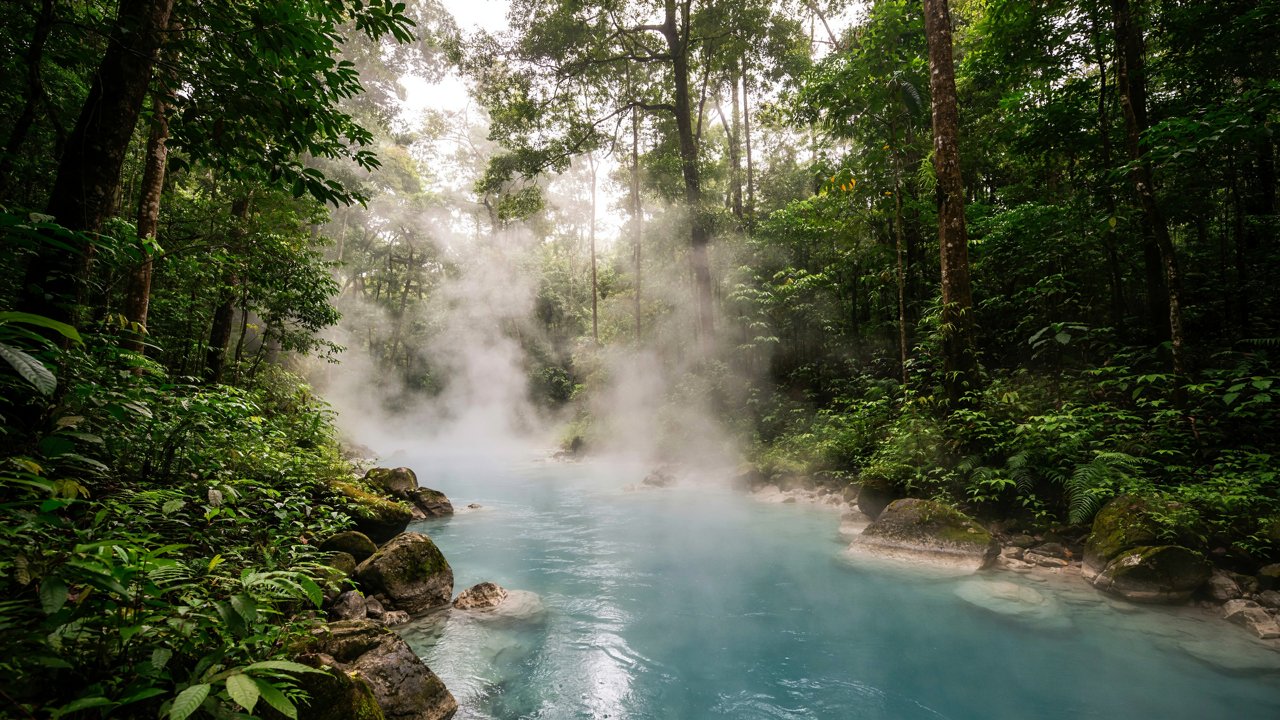
Deep inside the Peruvian Amazon, an extraordinary geothermal river is attracting attention for its remarkable natural characteristics and the growing debate surrounding responsible rainforest tourism. Known as Shanay-Timpishka, or the Boiling River, this remote destination near Mayantuyacu offers an unusual combination of steaming waterways, dense tropical vegetation, indigenous cultural traditions and exceptional biodiversity. The river’s intensely heated waters create a striking natural landscape, while the surrounding rainforest provides opportunities for guided exploration and environmental learning. As interest in remote adventure destinations grows, Peru faces an important challenge: allowing visitors to experience this remarkable ecosystem without damaging the natural and cultural heritage that makes it exceptional.
Peru’s Boiling River Reveals One of the Amazon’s Most Unusual Natural Landscapes
The Boiling River is situated in the Honoria district of Puerto Inca province, within Peru’s Huánuco region.
Its location places it within the wider Amazon basin, surrounded by tropical forest and connected to the Pachitea River system.
The river is known locally as Shanay-Timpishka, a name commonly interpreted as water heated by the sun.
Advertisement
Advertisement
Unlike ordinary rainforest streams, sections of the watercourse reach extremely high temperatures, with some areas exceeding 90°C.
Steam rises from the water and creates an unusual visual contrast with the surrounding greenery.
Advertisement
Advertisement
The landscape features dense vegetation, geothermal springs, forest trails and areas of significant ecological interest.
Peru’s official tourism inventory recognises the river as a natural attraction, reflecting its importance to regional tourism and environmental heritage.
A Remarkable Geothermal Phenomenon Creates the River’s Extreme Heat
One of the most fascinating characteristics of Shanay-Timpishka is the geological process responsible for heating its waters.
The river is not located beside an active volcanic centre.
Instead, geological fractures and underground pathways allow water to circulate deep beneath the Earth’s surface, where geothermal heat raises its temperature.
The heated water subsequently emerges through springs and fissures, mixing with cooler streams.
Advertisement
Advertisement
This process creates considerable temperature differences along the river.
Some sections remain relatively cool, while others become dangerously hot.
The phenomenon demonstrates how underground geological activity can produce extraordinary surface conditions without an immediately adjacent volcano.
The river also provides opportunities for scientific research into geothermal systems and their relationship with tropical ecosystems.
Mayantuyacu Connects Rainforest Exploration with Indigenous Cultural Heritage
Mayantuyacu is closely associated with the Boiling River and the surrounding rainforest.
Peru’s tourism inventory describes the area as a conservation forest landscape extending across approximately 263 hectares.
Advertisement
Advertisement
The destination has cultural significance through its association with indigenous knowledge, medicinal plants and traditional spiritual practices.
Local traditions connect the river and forest with spiritual beliefs concerning water and nature.
The area is also associated with traditional healers and knowledge of Amazonian plants.
For visitors, these cultural connections provide an additional perspective beyond the river’s geological features.
However, indigenous traditions should not be treated simply as entertainment.
Respectful tourism requires cultural sensitivity, informed consent and recognition of the communities that maintain these practices.
Advertisement
Advertisement
Rainforest Wildlife Adds Another Dimension to the Amazon Adventure
The surrounding forest is home to a diverse range of tropical plants and animals.
Peru’s tourism records identify birds such as toucans, parrots and macaws, alongside several primate species and other rainforest wildlife.
The wider Amazon ecosystem also supports an extraordinary variety of insects, amphibians and aquatic species.
Visitors exploring the region may encounter colourful birds, unusual insects and distinctive tropical vegetation.
Wildlife sightings are never guaranteed, particularly in dense forest environments.
Guided walks offer opportunities to understand the relationship between the river, surrounding vegetation and local biodiversity.
Advertisement
Advertisement
The experience also highlights the importance of protecting habitats from uncontrolled tourism development.
For nature enthusiasts, the destination offers a different perspective on Peru from its better-known archaeological and mountain attractions.
The Main Attractions Around Peru’s Boiling River
| Destination or feature | Location | Main attraction | Tourism experience |
|---|---|---|---|
| Shanay-Timpishka | Honoria, Huánuco | Naturally heated river | Guided nature exploration |
| Mayantuyacu | Puerto Inca province | Rainforest and cultural heritage | Nature and cultural tourism |
| Pachitea River | Central Peruvian Amazon | River landscapes and biodiversity | Boat journeys and wildlife observation |
| Puerto Honoria | Honoria district | Local access settlement | Gateway to the river |
| Pucallpa | Ucayali region | Amazonian city and transport connections | Regional travel base |
| Tingo María | Huánuco region | Rainforest landscapes and natural attractions | Nature tourism and regional sightseeing |
The locations form part of a wider regional travel network, although reaching individual attractions requires different transport arrangements.
Pucallpa Provides an Important Gateway to the Amazon Interior
Pucallpa, the capital of the Ucayali region, is an important transport and commercial centre in the Peruvian Amazon.
The city provides access to regional roads, river transport and services used by travellers exploring nearby rainforest destinations.
Visitors travelling towards the Boiling River commonly pass through the wider Pucallpa and Campo Verde area before continuing towards Honoria.
Advertisement
Advertisement
The journey requires planning because transport conditions differ significantly from those found in Peru’s major urban tourism centres.
Road travel, boat transfers and walking may all form part of the journey.
For international visitors, Pucallpa can provide an opportunity to experience Amazonian urban culture before travelling into more remote forest environments.
Getting to Peru’s Boiling River Requires an Adventurous Journey
Reaching Shanay-Timpishka involves several stages of travel, making the destination more suitable for prepared visitors than casual sightseeing.
The official tourism inventory identifies an access route through Campo Verde and Puerto Honoria, followed by river transport and walking.
| Journey section | Transport | Approximate travel time |
|---|---|---|
| Campo Verde to Puerto Honoria | Road vehicle | 1 hour 40 minutes |
| Puerto Honoria to Shanay-Timpishka landing | Boat | 25 minutes |
| Landing to Boiling River | Walking | 45 minutes |
The complete journey also depends on the visitor’s starting point, road conditions and river transport arrangements.
Advertisement
Advertisement
These timings are indicative rather than guaranteed. Seasonal rainfall can affect accessibility.
Sustainable Tourism Could Help Protect the Rainforest
The growing appeal of the Boiling River presents opportunities and challenges for local tourism.
Visitor spending can support guides, transport providers, accommodation businesses and community enterprises.
Well-managed tourism can also create incentives to conserve forests and protect cultural heritage.
However, uncontrolled visitor growth could place pressure on fragile ecosystems.
Improper waste disposal, vegetation damage, wildlife disturbance and poorly planned infrastructure could undermine the destination’s natural appeal.
Advertisement
Advertisement
The challenge is particularly important because the attraction combines a sensitive geothermal environment with tropical biodiversity.
Responsible tourism therefore requires appropriate visitor management, local participation and environmental safeguards.
Conservation should remain central to any expansion of tourism activity.
Indigenous Knowledge Strengthens the Destination’s Cultural Identity
The communities associated with the Boiling River possess traditional knowledge concerning forest plants, local environments and cultural practices.
Such knowledge contributes to the area’s identity and can enrich visitor understanding of the Amazon.
Cultural tourism also creates opportunities for locally managed experiences that provide economic benefits to participating communities.
Advertisement
Advertisement
However, traditional medicinal and spiritual practices require careful treatment.
Visitors should avoid assuming that cultural ceremonies or plant-based treatments are medically proven or suitable for everyone.
Experiences involving psychoactive substances, including ayahuasca, can carry serious health and safety risks.
Responsible travel should prioritise informed decision-making, cultural respect and legitimate local arrangements.
Visitor Safety Is Essential Around the Boiling River
Despite its visual appeal, the Boiling River presents genuine physical hazards.
Some sections contain water hot enough to cause severe burns.
Advertisement
Advertisement
Visitors should never assume that a natural pool is safe for swimming or bathing simply because it appears accessible.
The surrounding forest also presents challenges associated with uneven trails, humidity, insects and changing weather conditions.
Experienced local guides can help visitors understand safe access routes and restricted areas.
Travellers should carry suitable footwear, drinking water, insect protection and appropriate clothing.
Maintaining a safe distance from dangerously hot water is essential.
Peru’s Boiling River Travel Information at a Glance
| Travel consideration | Important information |
|---|---|
| Country | Peru |
| Region | Huánuco |
| Province | Puerto Inca |
| District | Honoria |
| Main attraction | Shanay-Timpishka geothermal river |
| Nearby destination | Mayantuyacu |
| Tourism activities | Guided walks, nature observation, cultural experiences |
| Natural environment | Tropical Amazon rainforest |
| Main safety concern | Extremely hot water and remote terrain |
| Recommended preparation | Local guide, suitable footwear and transport planning |
| Conservation priority | Protection of forest habitats and cultural heritage |
Peru’s Wider Amazon Tourism Network Offers Additional Exploration
The Boiling River can also be considered within a broader itinerary exploring Peru’s central Amazon.
Advertisement
Advertisement
Tingo María offers rainforest landscapes and access to Tingo María National Park, which is recognised for its natural scenery and biodiversity.
Pucallpa provides a contrasting urban experience, including regional culture and access to river-based travel.
The Pachitea River basin contributes another important element to the area’s geographical identity.
Together, these destinations illustrate the diversity of tourism opportunities across Peru’s Amazonian regions.
Visitors should nevertheless account for substantial travel distances and avoid treating the locations as attractions that can all be reached during a single short excursion.
Frequently Asked Questions
1. Where is Peru’s Boiling River located?
Advertisement
Advertisement
Shanay-Timpishka is situated in the Honoria district of Puerto Inca province, in Peru’s Huánuco region.
2. Why does the river become extremely hot?
Geothermal heat warms underground water, which emerges through geological fractures and mixes with the river system.
3. Can tourists swim in the Boiling River?
Visitors should not enter the river’s hot sections. Some areas exceed 90°C and can cause serious burns.
4. Is Mayantuyacu connected to the Boiling River?
Advertisement
Advertisement
Yes. Mayantuyacu is a nearby forest and cultural destination associated with the river and its surrounding landscape.
5. What makes this destination different from other Amazon attractions?
Its combination of geothermal activity, rainforest biodiversity and indigenous cultural heritage creates a distinctive nature tourism experience.
6. Can the Boiling River be visited from Pucallpa?
Yes, although reaching the attraction involves road travel, boat transport and walking. Local travel arrangements should be confirmed before departure.
7. Is the Boiling River suitable for independent travellers?
Advertisement
Advertisement
The remote terrain and geothermal hazards make locally guided visits advisable, particularly for first-time visitors.
Peru’s Geothermal Wonder Highlights the Future of Responsible Amazon Tourism
Peru’s Boiling River represents a remarkable meeting point between geological science, tropical biodiversity and cultural heritage.
Its steaming waters and surrounding forest offer travellers an experience far removed from conventional sightseeing.
Yet the destination’s greatest value extends beyond its visual appeal.
Protecting the rainforest, respecting indigenous traditions and managing visitor activity responsibly will determine whether tourism becomes a lasting benefit to the region.
For Peru, Shanay-Timpishka illustrates how carefully managed nature tourism can introduce visitors to extraordinary landscapes while helping preserve the environments and communities that give them meaning.
Advertisement
