

WTTC Global Summit in Malta Brings 24 Countries Together to Reshape Borders, Travel and Tourism Investment

Updated
Published
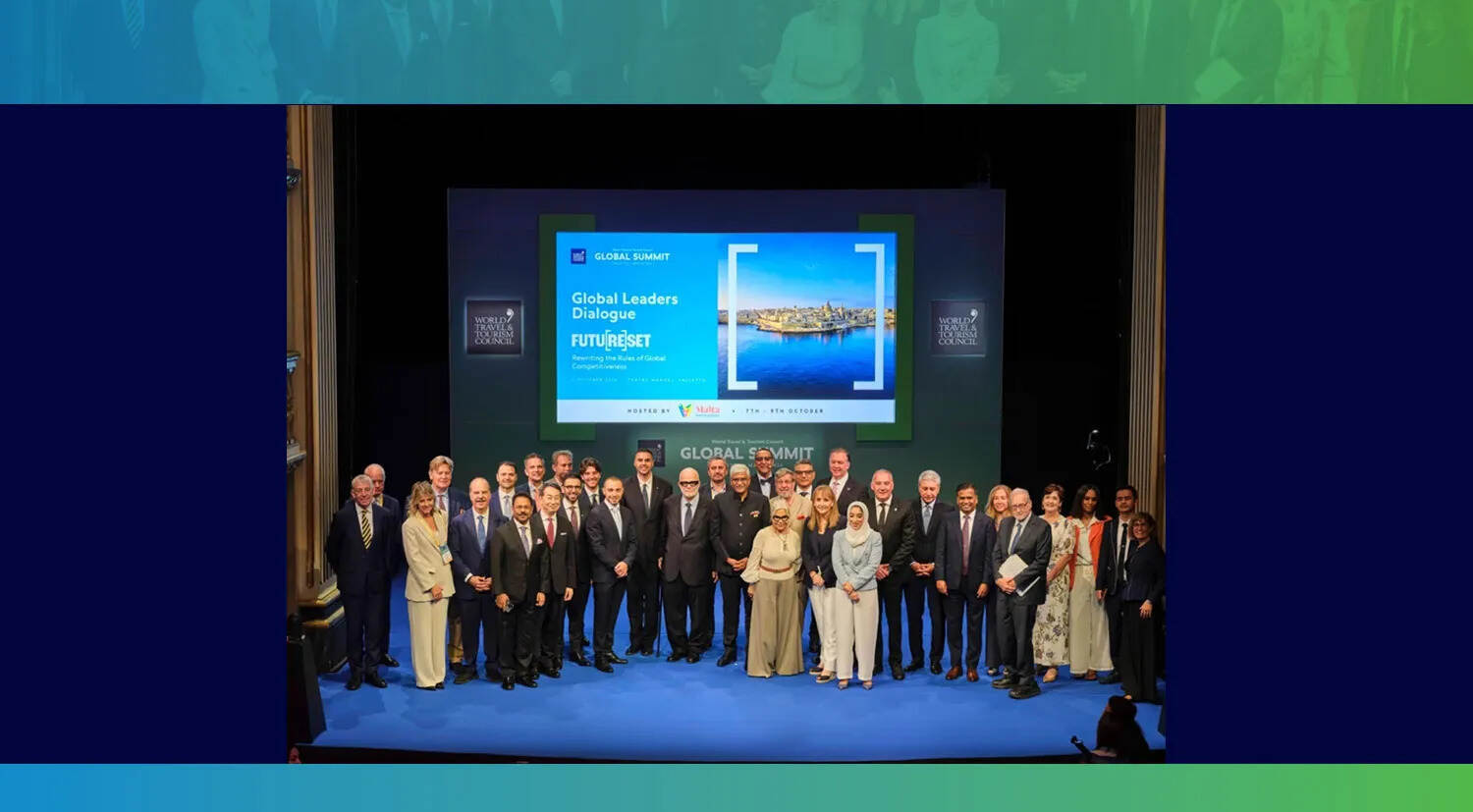
Valletta, Malta, is playing host to government ministers and business executives from 24 countries who have been convened by the World Travel & Tourism Council (WTTC) for a global dialogue on the factors influencing international tourism competitiveness.
Held as part of WTTC’s 26th Global Summit, the meeting placed cooperation between governments and the private sector at the centre of discussions about the future of Travel & Tourism. From easier border crossings and stronger international connectivity to investment-friendly regulation and new technology, the dialogue examined how destinations can remain competitive as travellers, companies and investors become more selective about where they go and where they spend.
Advertisement
Advertisement
The gathering carried a central message for the global tourism industry: destinations cannot build long-term competitiveness through tourism promotion alone. Governments, airlines, airports, hospitality businesses, technology providers, investors and other industry stakeholders increasingly need to work together if destinations are to remove travel barriers, attract capital and create sustainable economic growth.
Malta Becomes a Meeting Point for Global Tourism Leadership
The Global Leaders Dialogue brought together representatives from governments and major tourism-related businesses at a time when international tourism is entering another important phase of development.
Advertisement
Advertisement
Government representatives from Europe, the Middle East, Asia and other international markets joined executives from sectors including hospitality, travel technology, destination services, international mobility, meetings and events, and tourism investment.
Rather than concentrating solely on visitor numbers, the meeting looked deeper into the structural conditions that determine whether a destination can compete effectively.
Advertisement
Advertisement
These include how easily travellers can enter a country, the quality and reach of its transport network, the efficiency of its regulations, the availability of modern infrastructure and the confidence investors have in its business environment.
This broader approach reflects the changing nature of tourism competition. Countries are no longer competing only for holidaymakers. They are also competing for airlines, hotel development, conferences, infrastructure funding, tourism businesses and international capital.
Global Competitiveness Rules Are Changing
The Dialogue was organised around the theme “Rewriting the Rules of Global Competitiveness”, reflecting how quickly the factors influencing tourism growth are evolving.
Traditional advantages such as beaches, heritage attractions, famous cities and natural landscapes remain important. However, attractive destinations can still lose travellers and investment when reaching them is difficult, border procedures are complicated or the regulatory environment creates unnecessary uncertainty.
Connectivity has therefore become an increasingly important competitive tool.
A destination with efficient airports, strong international air links, modern ground transport and straightforward entry procedures can improve the entire visitor journey. At the same time, reliable infrastructure can make the market more attractive to businesses considering long-term tourism investment.
Advertisement
Advertisement
Ease of travel is becoming equally important.
Digital travel authorisations, electronic visas, biometric identification and automated border processing are changing the way governments manage international arrivals. The challenge is to use these technologies to strengthen border security without creating new obstacles for legitimate travellers.
Seamless Travel Takes Centre Stage
One of the central discussions, titled “Seamless Travel: Where Government and Industry Meet”, examined the international traveller journey from the first stages of trip planning to arrival at the final destination.
Visa applications, border controls, government regulations, airline connectivity, digital technology, hospitality services and transport logistics were all considered part of the same interconnected travel ecosystem.
This is particularly significant because travellers rarely experience these systems separately.
A passenger may book a flight online, obtain an electronic travel authorisation, complete airline identity checks, pass through an airport, clear immigration and then use local transport to reach a hotel. Problems at any one stage can influence the overall perception of the destination.
Advertisement
Advertisement
As a result, seamless travel is increasingly becoming a competitiveness issue rather than simply an operational one.
Destinations capable of reducing unnecessary administrative friction can make travel easier while potentially improving their appeal to international visitors.
Biometrics and AI Could Reshape International Borders
Technology formed an important part of the seamless travel discussion as biometric processing and artificial intelligence increasingly influence visa and border systems.
Biometric technologies can allow travellers to verify their identity through digital processes, while automated systems can help authorities manage growing passenger volumes more efficiently.
Artificial intelligence is also becoming increasingly relevant to visa processing and travel administration.
For governments, however, the challenge is more complex than introducing new technology. Authorities must maintain border security, protect traveller information and meet immigration requirements while also preventing complicated procedures from discouraging legitimate visitors.
Advertisement
Advertisement
For tourism businesses, faster and more predictable travel processes can support demand by making international journeys less complicated.
This means cooperation between public authorities and the private sector is likely to become increasingly important as digital identity and automated travel systems expand.
Airlines, airports, technology providers, governments and tourism businesses all interact with different parts of the passenger journey. A fragmented approach could simply shift delays from one stage to another.
Connectivity Emerges as a Major Competitive Advantage
Transport connectivity was another important element of the discussions.
International tourism depends heavily on the ability to move people efficiently between markets. Destinations with extensive aviation networks and strong domestic transport infrastructure can provide travellers with greater flexibility and easier access.
Connectivity also affects investment.
Advertisement
Advertisement
Hotel developers, conference organisers, international companies and tourism investors generally need confidence that customers and employees can reach a destination efficiently.
Air connectivity therefore has consequences that extend beyond passenger traffic.
A new international route can potentially connect businesses, encourage tourism development and improve access to destinations that previously depended on complicated journeys.
However, aviation cannot operate in isolation. Airports need effective links with cities and tourism regions, while road and rail systems must be capable of moving visitors after they arrive.
The competitiveness of a destination increasingly depends on how effectively these different transport systems work together.
Global Destinations Compete for Tourism Investment
A second major discussion, “Winning the Race for Global Investment”, shifted attention from passenger movement to capital.
Advertisement
Advertisement
Countries around the world are seeking investment for hotels, resorts, airports, entertainment facilities, conference centres, tourism technology, transport infrastructure and destination development.
But international capital has many choices.
Investors can compare countries based on economic conditions, regulation, infrastructure, market potential, connectivity and political stability before deciding where to commit funds.
The discussion therefore examined what destinations need to do to become genuinely investment ready.
Regulation emerged as an important consideration. Investors often require clear rules, predictable approval procedures and confidence that government policies will remain sufficiently stable for long-term projects.
Large tourism developments can take years to plan, finance, construct and operate. Regulatory uncertainty can therefore influence whether investment proceeds at all.
Advertisement
Advertisement
Speed and Transparency Become Investment Tools
The global tourism investment landscape is becoming more competitive, placing greater pressure on governments to create transparent and efficient business environments.
Traditional incentives such as tax benefits, special economic zones and investment-linked residency programmes have long been used by countries seeking foreign capital.
The Malta discussions questioned whether such incentives alone remain sufficient.
Regulatory speed is becoming increasingly significant.
A destination may offer financial incentives, but complicated planning procedures or lengthy approval processes can still discourage investment. Investors may instead choose markets where projects can move forward with greater certainty.
Transparency also matters.
Advertisement
Advertisement
Clear regulations can allow companies to calculate risks and costs more accurately before committing capital. Predictability can be especially valuable for major tourism developments requiring substantial long-term financing.
As global destinations compete for the same pools of investment, administrative efficiency could become almost as important as conventional financial incentives.
Infrastructure Remains Fundamental to Tourism Expansion
Infrastructure continues to underpin both visitor growth and private investment.
Airports, roads, railways, ports, digital networks, energy systems and public services determine how much tourism activity a destination can realistically support.
Rapid tourism growth without adequate infrastructure can place pressure on transport networks and local services. Conversely, infrastructure development can open new regions to tourism and create opportunities for hotels, attractions and other businesses.
This creates a close relationship between government spending and private-sector expansion.
Advertisement
Advertisement
Public authorities often provide the large-scale infrastructure that makes tourism development possible, while private companies bring capital, operational expertise and commercial services.
The Global Leaders Dialogue highlighted why these two sides cannot be separated when destinations develop long-term tourism strategies.
European Travel and Tourism Shows Its Economic Weight
The discussions in Valletta came as Travel & Tourism continues to make a major contribution to the European economy.
According to WTTC research presented alongside the wider summit, the sector contributed approximately US$3 trillion to Europe’s economy in 2025.
Travel & Tourism also supported around 40.7 million jobs across the continent.
International visitor spending reached approximately US$835 billion, demonstrating the enormous flow of overseas expenditure generated through travel.
Advertisement
Advertisement
These figures help explain why tourism competitiveness is becoming a significant economic policy issue.
The sector supports far more than hotels and tourist attractions. Tourism expenditure flows through aviation, airports, restaurants, retail, entertainment, transportation, technology and numerous supply chains.
As visitor spending increases, destinations have stronger reasons to improve the systems that support international mobility.
Public and Private Sectors Face a Shared Challenge
One of the clearest themes emerging from the dialogue was that governments and companies have different responsibilities but increasingly share the same objective.
Governments control visas, immigration rules, infrastructure planning, investment regulation and many of the policies that shape tourism markets.
Private companies operate much of the infrastructure and services travellers encounter directly, including airlines, accommodation, booking technology, attractions and business events.
Advertisement
Advertisement
Neither side can independently create a completely seamless visitor economy.
A government can simplify visa rules, but limited aviation capacity can still restrict demand. An airline can add international services, but poor ground transport can weaken the visitor experience. Investors may be willing to develop hotels, but uncertain regulations can delay projects.
Competitiveness therefore depends increasingly on coordination.
Tourism Competition Moves Beyond Marketing
The Valletta discussions also illustrate a broader change taking place across global tourism.
For decades, destination competitiveness was strongly associated with marketing. Tourism authorities promoted beaches, culture, heritage, cuisine and entertainment to persuade travellers to visit.
Marketing remains important, but the traveller now encounters a destination through a much wider system.
Advertisement
Advertisement
Visa requirements appear before the journey begins. Air connectivity determines whether the trip is practical. Airport and border procedures influence arrival. Local infrastructure shapes movement after landing.
These operational factors can affect destination choice before a traveller ever sees a tourism advertising campaign.
This means governments and tourism organisations increasingly need to think about competitiveness as a complete journey rather than simply a promotional challenge.
Investment and Mobility Become Closely Connected
The two major discussions at the Global Leaders Dialogue were closely related.
Seamless travel can support visitor growth, while stronger visitor demand can make destinations more attractive to investors.
Investment, in turn, can improve tourism infrastructure and create additional accommodation, attractions and transport capacity.
Advertisement
Advertisement
This creates a cycle in which mobility and capital can reinforce each other.
Destinations that improve connectivity and simplify travel may strengthen their investment case. New investment can then increase capacity and improve the tourism experience, helping destinations attract further visitors.
However, the opposite can also occur.
Complex entry requirements, weak infrastructure and uncertain regulation can reduce destination attractiveness for travellers and investors simultaneously.
Valletta Dialogue Points Towards the Next Tourism Competition
The WTTC Global Leaders Dialogue in Malta ultimately placed the future of tourism competitiveness around several closely connected priorities: easier movement of travellers, modern border systems, strong connectivity, efficient regulation, investment-ready infrastructure and closer cooperation between governments and businesses.
The scale of Travel & Tourism’s contribution to Europe demonstrates why these issues matter.
Advertisement
Advertisement
With trillions of dollars in economic activity, tens of millions of jobs and hundreds of billions of dollars in international visitor spending linked to the sector, even relatively small improvements in mobility and investment conditions can have wider economic consequences.
The global competition for travellers is also becoming a competition for connectivity, infrastructure and capital.
Destinations that can combine attractive tourism products with simple travel procedures, reliable transport systems and predictable investment environments may be better positioned to capture future growth.
For governments and the tourism industry, the challenge now is ensuring that policy development, infrastructure investment, technology and commercial expansion advance together.
The discussions in Valletta show that the next phase of global tourism competition may not be decided solely by which destination has the strongest attractions. It may increasingly be decided by which destinations make travelling, investing and doing business easier.
Advertisement
