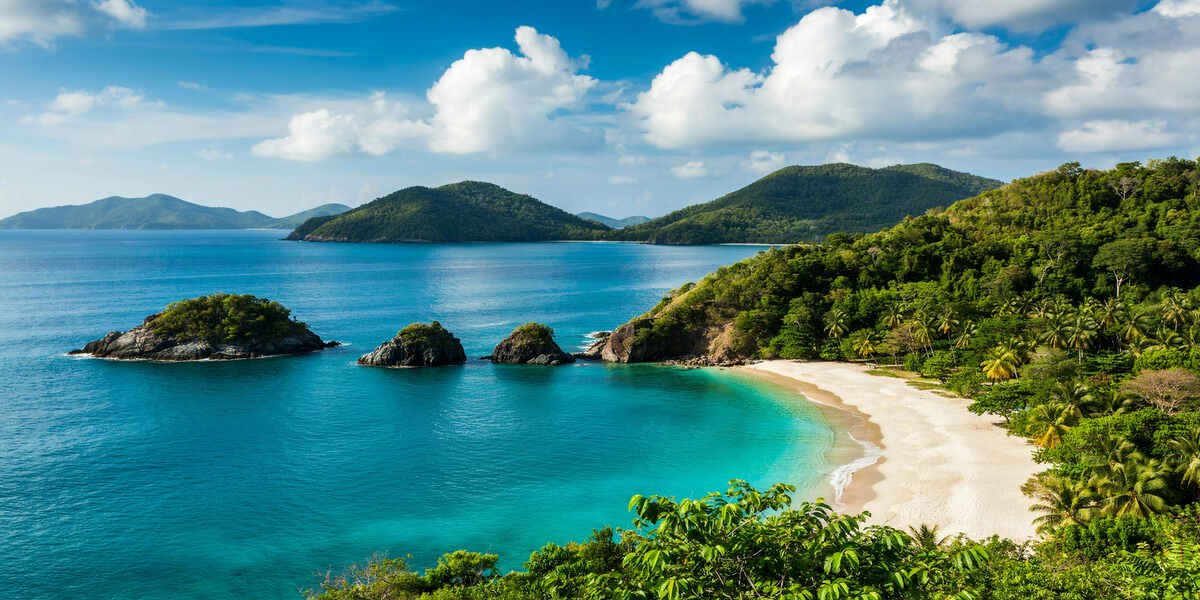
Image generated with Ai
Vietnam’s tourism increase is exponential with millions visiting its beautiful coastlines and mountainous regions. Vietnam has ancient cities and a variety of urban and rural areas along with natural islands waiting to be discovered. The breathtaking landscapes of Vietnam are drawing people to new places, of which Vietnam has plenty to offer. From the beauty of the imperial city of Hue, to the ancient scientific remains of the Phong Nha-Ke Bang underground, to the sparkling beaches of the Con Dao Islands, Vietnam is where travelers need to visit. Beyond the urban centers, Vietnam is furthering the discovery of hidden landscapes, cultural sites, and nature-rich experiences that are drawing travelers in search of new experiences.
Vietnam is entering a new golden age of travel as millions of visitors look beyond crowded tourist hotspots and discover a country filled with ancient cities, untouched islands, dramatic mountains and mysterious underground worlds. Stretching from the mist-covered mountains of the north to the tropical waters of the south, Vietnam offers a journey where every region tells a different story.
From imperial heritage in Hue and the historic streets of Hanoi to the enormous caves of Phong Nha and the turquoise waters of Con Dao, Vietnam’s landscapes deliver unforgettable experiences for adventure seekers, culture lovers and luxury travellers.
Here are 11 of the most beautiful places in Vietnam that reveal the country’s extraordinary natural and cultural treasures.
Advertisement
Advertisement
While many travellers rush towards Vietnam’s famous destinations, Hue offers a calmer and deeper experience. This former imperial capital carries the elegance of a forgotten era with wide green boulevards, peaceful rivers, flower-filled lakes and historic royal architecture.
The city’s greatest attraction is the Forbidden Imperial City, a remarkable complex of palaces, temples and royal buildings that once represented the power of Vietnam’s emperors.
Unlike some busier destinations, Hue allows visitors to slow down and explore its heritage at a more relaxed pace. Cycling through the old neighbourhoods reveals hidden corners, traditional houses and quiet streets where history remains part of everyday life.
Hue is a destination where Vietnam’s royal past continues to live alongside modern culture.
Vietnam’s capital city can feel overwhelming at first, but Hanoi’s Old Quarter rewards travellers who explore beyond the surface.
The area is a fascinating maze of narrow streets originally created by medieval trade communities. Today, daily life continues along these historic roads, with street food vendors preparing local dishes, small businesses operating from old buildings and traditional shops opening directly onto busy pavements.
Visitors who look carefully can discover hidden temples, peaceful courtyards and French colonial architecture decorated with artistic details.
The Old Quarter is not simply a tourist attraction. It is a living neighbourhood where Vietnam’s past and present exist together, offering visitors an authentic glimpse of urban life.
Hidden among green mountains in central Vietnam, Phong Nha-Ke Bang National Park looks like a landscape from another world.
The park is famous for its spectacular cave systems, including enormous underground chambers, rivers and ancient rock formations. Visitors can explore beautiful caves filled with impressive stalactites and natural wonders.
For adventure travellers, the deeper cave systems offer some of the most extraordinary experiences on Earth. Son Doong Cave remains one of the greatest natural wonders, with underground chambers so huge that they create their own ecosystem.
Beyond caves, the national park offers forests, wildlife experiences and adventure trekking routes, making it one of Vietnam’s most unforgettable destinations.
Just outside the modern city of Da Nang lies Son Tra Peninsula, a rare natural sanctuary where rainforest meets the sea.
The protected peninsula offers winding mountain roads, hidden beaches, ocean viewpoints and tropical forests. It provides a dramatic contrast to Da Nang’s rapidly developing urban landscape.
One of its greatest treasures is the endangered red-shanked douc langur, a colourful primate considered one of Vietnam’s most remarkable wildlife species.
Travellers visiting Son Tra can enjoy nature, photography and coastal scenery while experiencing one of Vietnam’s most important conservation areas.
Northern Vietnam’s Sa Pa remains one of the country’s most breathtaking mountain destinations.
The first impression is unforgettable. Huge mountains rise above valleys covered with perfectly shaped rice terraces. Mist moves across the landscape while traditional villages sit between green hills.
Although Sa Pa town has become busier in recent years, the surrounding countryside still offers authentic experiences.
Multi-day trekking journeys allow visitors to stay with local families, learn about ethnic cultures and witness traditional lifestyles.
Walking through the valleys provides a rare connection with Vietnam’s mountain communities and their centuries-old relationship with the land.
Near Hoi An, My Son Sanctuary offers a journey into Vietnam’s ancient past.
The archaeological site was once the religious centre of the Champa Kingdom. Today, visitors can explore centuries-old brick temples surrounded by forests.
The ruins carry a mysterious atmosphere. Damaged by time and conflict, the structures have been softened by nature, creating a powerful combination of history and landscape.
Arriving early in the morning offers the most magical experience, when mist surrounds the valley and the sounds of nature replace the crowds.
My Son represents Vietnam’s deep historical roots and remains one of Southeast Asia’s most fascinating heritage sites.
The coastline between Quy Nhon and Phan Rang represents one of Vietnam’s most beautiful coastal journeys.
Here, rocky mountains meet the sea, creating hidden bays, peaceful beaches and spectacular viewpoints. The roads themselves become part of the adventure, passing fishing villages, green hills and stretches of untouched coastline.
Unlike more developed beach destinations, this region encourages slow travel.
Visitors can enjoy luxury resorts designed around nature, explore local communities and experience Vietnam’s coastal beauty without overwhelming crowds.
The South Central Coast offers a perfect combination of relaxation, adventure and stunning scenery.
While the Ha Giang Loop has become famous among adventure travellers, Hoang Su Phi offers a quieter alternative.
Located in northern Vietnam, this region is known for extraordinary rice terraces carved into mountain slopes. The landscapes appear almost unreal, with layers of farmland flowing across hillsides.
Travellers who visit Hoang Su Phi can experience remote villages, mountain roads and traditional communities away from major tourist routes.
It is a destination designed for those searching for authentic Vietnam, untouched landscapes and meaningful cultural experiences.
Cat Tien National Park represents Vietnam’s incredible natural diversity and conservation efforts.
This vast tropical rainforest is home to ancient trees, rare wildlife and rich biodiversity. Visitors may discover gibbons calling through the forest, crocodiles near waterways and colourful butterflies moving through the jungle.
Eco-tourism projects in the region focus on protecting nature while creating opportunities for local communities.
For travellers seeking wildlife, adventure and responsible tourism, Cat Tien offers a completely different side of Vietnam beyond beaches and cities.
Away from Vietnam’s busy mainland destinations, Con Dao offers a peaceful island escape.
The archipelago features white-sand beaches, clear turquoise waters and protected marine ecosystems. Unlike heavily developed beach resorts, Con Dao maintains a strong connection with nature.
The islands are especially important for sea turtle conservation, with turtles arriving during nesting seasons.
For travellers searching for diving, snorkelling, wildlife and untouched beaches, Con Dao represents one of Vietnam’s most beautiful coastal treasures.
Cao Bang in northeastern Vietnam delivers some of the country’s most dramatic scenery.
The region is home to Ban Gioc Waterfall, where powerful streams fall through limestone landscapes into emerald rivers near the China border. Nearby Angel Eye Mountain adds another unforgettable natural landmark with its giant rock arch.
Beyond landscapes, Cao Bang offers cultural experiences, historic locations and traditional villages.
The region remains one of Vietnam’s most rewarding destinations for travellers seeking adventure away from crowded routes.
Vietnam is no longer only about famous cities and popular beaches. Its true magic lies in hidden valleys, ancient ruins, protected forests and communities that continue preserving their traditions.
From the mountains of Sa Pa and Cao Bang to the islands of Con Dao and the underground wonders of Phong Nha, Vietnam offers a rare travel experience where nature, history and culture come together.
For those looking for Vietnam’s next unrivaled, off-the-beaten-path adventure, there’s no denying that global travelers are right; the country’s natural and cultural wonders make for picturesque memories.Vietnam’s rich trading history and chiseled beaches attract travelers. Add to that Vietnam’s vibrant and dramatic natural wonders, and you’ve got an adventure full of activities.
Vietnam is rapidly becoming one of Asia’s most popular spots to explore colonial history with an impressive mix of metropolis, island getaways, and natural beauty.
Advertisement
Advertisement
Advertisement













Friday, September 4, 2026

Thursday, September 3, 2026

Friday, September 4, 2026

Thursday, September 3, 2026

Wednesday, September 2, 2026

Friday, September 4, 2026

Thursday, September 3, 2026