

Yala National Park Safari Guide: Discover Sri Lanka’s Famous Leopards and Hidden Wildlife

Published
Sri Lanka’s Yala National Park attracts wildlife enthusiasts with its famous leopard sightings, wild elephants, sloth bears and remarkable biodiversity. Located in the country’s south-east, the protected wilderness combines dry forests, grasslands, freshwater lagoons and coastal habitats. Its varied landscapes support some of Sri Lanka’s most fascinating animals, making Yala a leading destination for travellers seeking an authentic wildlife safari.
Why Is Yala National Park Sri Lanka’s Leading Safari Destination
Yala National Park has earned international recognition for its population of Sri Lankan leopards, an endemic subspecies that occupies the top of the local food chain. The park also supports elephants, spotted deer, crocodiles, wild boar and numerous bird species.
Advertisement
Advertisement
The Department of Wildlife Conservation manages Yala as one of Sri Lanka’s principal protected areas. Its different blocks protect a wide range of ecosystems, while Block I attracts substantial safari activity because visitors frequently encounter wildlife there.
Unlike destinations where predators remain difficult to observe, Yala offers opportunities to spot leopards resting in trees, crossing tracks or moving through scrubland. However, sightings depend on weather, animal movements and luck.
Advertisement
Advertisement
Travellers should also recognise that Yala’s appeal extends far beyond its big cats. Its smaller inhabitants reveal the ecological complexity that makes the park worth exploring.
What Wildlife Can Travellers Encounter Beyond Leopards
Yala supports an extraordinary combination of large mammals, reptiles, birds and smaller creatures. Elephants frequently move through scrub forests and gather around water sources, particularly when dry conditions reduce available water.
Advertisement
Advertisement
Sloth bears inhabit the park’s forests and sometimes search for termites around softened mounds after rainfall. Sightings remain unpredictable, making every encounter particularly rewarding.
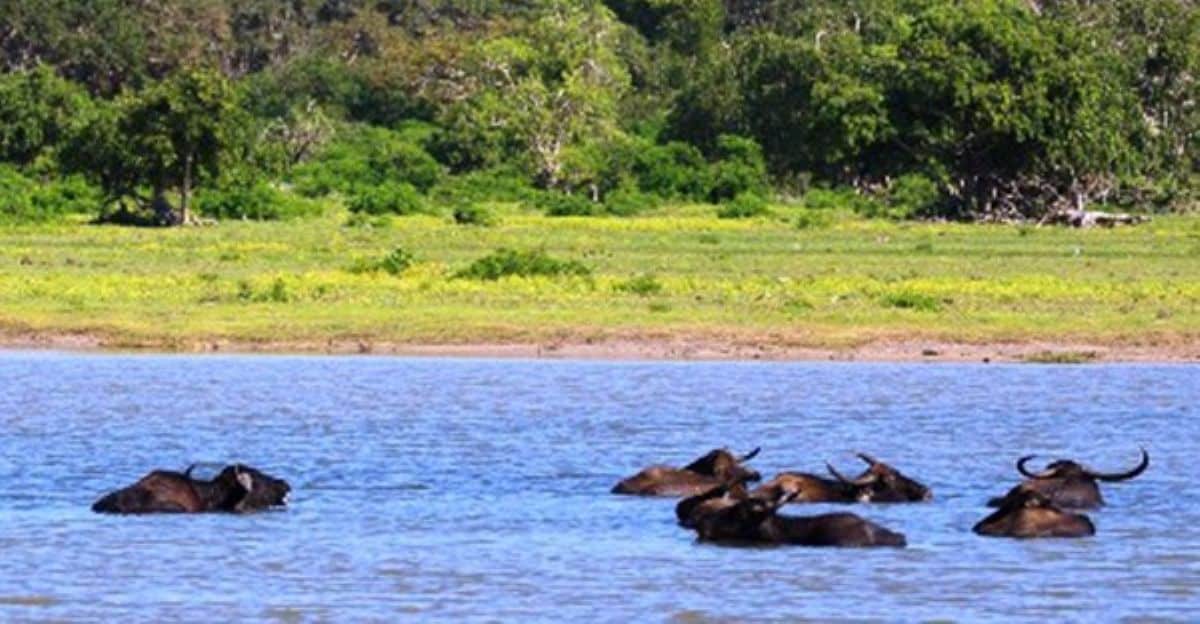
Visitors can also encounter grey langurs, mongooses, monitor lizards, water buffalo and crocodiles. Around lagoons and wetlands, painted storks, peacocks and bee-eaters provide excellent opportunities for birdwatching and photography.
Advertisement
Advertisement
These animals play different roles in the ecosystem. Elephants distribute seeds, predators regulate prey populations, and birds contribute to the wider ecological balance.
When Is the Best Time to Visit Yala National Park
The best safari experience often comes during the early morning or late afternoon, when cooler temperatures encourage wildlife activity. Sri Lanka Tourism specifically recommends dawn and dusk for game drives.
Dry conditions can improve visibility around waterholes as animals gather to drink. Meanwhile, rainfall refreshes the vegetation and creates different opportunities to observe birds, reptiles and sloth bears.
Travellers should check seasonal access restrictions before booking. Wildlife authorities may temporarily close certain areas for conservation, maintenance or weather-related reasons.
Advertisement
Advertisement
How Can Tourists Plan a Successful Yala Safari
Tissamaharama serves as a convenient gateway for travellers exploring Yala National Park. Visitors can arrange guided jeep safaris through accommodation providers or established local operators.
The main Palatupana entrance lies approximately 12 kilometres from Kirinda, according to Sri Lanka Tourism. Travellers should confirm their departure location, park entrance and permit arrangements before setting out.
| Safari information | Traveller guidance |
|---|---|
| Location | South-eastern Sri Lanka |
| Main gateway | Tissamaharama |
| Popular entrance | Palatupana |
| Recommended safari periods | Early morning and late afternoon |
| Transport | Guided 4WD safari jeep |
| Main wildlife attractions | Leopards, elephants, sloth bears, crocodiles |
| Suggested visit | One or two days |
| Entry permits | Confirm current fees and booking arrangements with wildlife authorities |
Travellers should arrange accommodation near the park when planning early departures. This reduces unnecessary overnight travel and allows more time for wildlife observation.
Why Should Visitors Explore Yala’s Smaller Wildlife
Yala’s smaller creatures offer rewarding discoveries that visitors can easily overlook while searching for leopards.
Bee-eaters move through vegetation hunting insects, while mongooses patrol tracks and monitor lizards search for food near woodland. Peacocks, meanwhile, provide striking displays around open areas.
Birdwatchers have particularly strong reasons to visit. Sri Lanka Tourism records 215 bird species, including six endemic species, within Yala National Park.
Advertisement
Advertisement
These encounters encourage visitors to appreciate animal behaviour rather than concentrate exclusively on predator sightings. Experienced naturalist guides can identify tracks, explain feeding patterns and help travellers understand the relationships between different species.
How Can Travellers Enjoy Wildlife Safely and Responsibly?
Responsible safari practices protect visitors and minimise disturbance to wild animals.
Tourists should remain inside authorised safari vehicles unless park officials specifically permit otherwise. They should also avoid approaching elephants, feeding animals or encouraging drivers to pursue wildlife.
Important precautions include:
- Keep a safe distance from elephants and predators.
- Avoid loud conversations near wildlife.
- Never feed wild animals.
- Follow authorised routes and ranger instructions.
- Carry drinking water, sun protection and binoculars.
Guests staying near unfenced wildlife corridors should adhere to guidance from their accommodation staff, particularly after dark.
Within the park there are also many points of cultural and archaeological interest such as Sithulpahuwa and Magul Maha Vihara, which enhance the scenery of the nearby area but are subject to local conditions and access restrictions.
What to expect The multitude of opportunities to spot a leopard is what draws most travellers to Yala. Yet the wilderness of elephants, wetlands, birdlife and all manner of forest creatures make for a diverse safari – one that requires patience, persistence, sharp eyes and a gentle approach.
Advertisement
