

Japan Puts Business Travel In The Spotlight As Green Meetings And Bleisure Adventures Reinvent Work Trips

Published
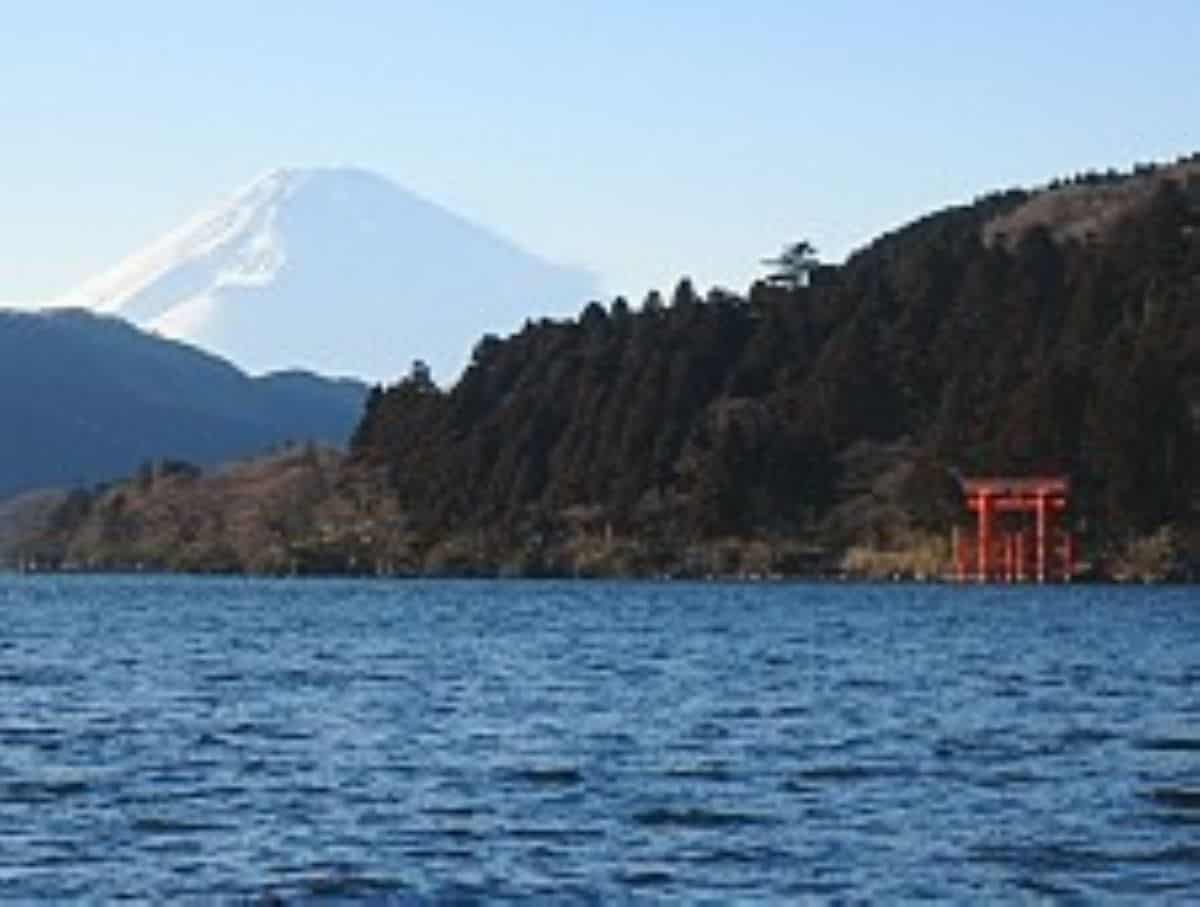
There is something special about getting off a fast train and walking into the busy bright energy of Tokyo, where old temples are calm and peaceful next to big glass buildings. Recently people who travel a lot and those who work in the travel industry have been talking a lot about how business travel’s changing a lot in Japan. It’s not about quick meetings in cold rooms anymore. Instead people who work are getting really excited about a place that respects its history and moves quickly into the future. Seeing how this country mixes traditions, with new ideas feels like magic and its making a lot of people who like to travel feel excited because they want to learn and get things done at the same time.
Analyzing Technological Integration, Sustainable Venue Demand, and the Rise of Bleisure Travel
Advertisement
Advertisement
Industry experts have pointed out that several critical catalysts are jointly fueling this massive market expansion within Japan. Observers have highlighted that the widespread integration of artificial intelligence for crafting hyper-personalized itineraries has completely revolutionized corporate scheduling and executive coordination. At the same time, a surging international demand for eco-friendly and sustainable venues has successfully transformed local urban planning and hospitality infrastructure development across Japan.
Moreover, the accelerating popularity of bleisure travel which harmoniously merges professional obligations with leisure exploration has encouraged corporate travelers to significantly extend their stays within Japan. Specialists have emphasized that these dynamic trends are not only optimizing corporate efficiency and resource allocation within Japan but are also setting a sophisticated new benchmark for the global travel and hospitality industry as a whole. For international travelers, these developments mean that future corporate journeys will offer greater flexibility, deeper ecological awareness, and seamless technological integration, effectively blurring the traditional boundaries between work and leisure on a global scale.
Advertisement
Advertisement
Examining the Dominance of Natural Scenery, Outdoor Recreation, and Rural Economic Revitalization
When examining the specific structural components driving this market, analysts have categorized the tourism landscape into distinct types, with Natural Scenery commanding the single largest market share. Observers have noted that this foundational segment anchors its core value proposition in ecological wellness, rural escapes, and deep biodiversity appreciation throughout Japan. The growth dynamics here are heavily propelled by a post-pandemic shift toward outdoor recreation, with major contributions coming from the rise of glamping, adventure tourism, and state-supported national park initiatives across Japan.
Advertisement
Advertisement
Although this sector occasionally faces minor challenges regarding environmental degradation risks and seasonal capacity constraints, it continues to serve as an indispensable pillar for regional infrastructure development and rural economic revitalization. For global travelers, this emphasis on natural scenery highlights a growing global shift toward wellness-oriented travel, proving that corporate itineraries can successfully incorporate ecological preservation and outdoor engagement without sacrificing professional productivity.
Highlighting Humanistic Tourism, Cultural Immersion, and Digital Preservation Technologies Across Historic Hubs
In tandem with outdoor landscapes, the sector encompassing humanistic appreciation has exhibited an equally powerful market trajectory throughout Japan. Observers have highlighted that this domain focuses intently on historical heritage, authentic cultural immersion, and intellectual enrichment for visiting professionals. It is heavily catalyzed by experiential consumption, localized storytelling, and advanced digital preservation technologies deployed across cultural centres in Japan. Despite encountering potential limitations such as high preservation costs and the persistent threat of over-tourism at delicate historical monuments, this segment plays an irreplaceable role in safeguarding the rich cultural capital of Japan while delivering unforgettable educational experiences to international corporate delegates. Globally, this trend inspires destination managers worldwide to adopt sophisticated digital preservation techniques, ensuring that delicate historical treasures remain protected while still offering meaningful, immersive educational experiences for international visitors.
Unveiling the High-Velocity Commercial Sphere of Culinary Tourism, Duty-Free Retail, and Gastronomic Markets
Moving into the high-velocity commercial sphere, industry commentators have observed that culinary tourism and duty-free retail capture a tremendous amount of discretionary wallet share across Japan. This category thrives on indulgence, prestige acquisition, and sensory-driven memories, with its growth accelerated by cross-border commerce deregulation and viral social-media food trends throughout Japan. While this lucrative domain remains somewhat susceptible to broader macroeconomic downturns and fluctuating consumer budgets, it consistently acts as a primary revenue multiplier for local hospitality networks throughout Japan.
Observers have remarked that visiting professionals frequently allocate substantial portions of their downtime to exploring these vibrant gastronomic markets, thereby injecting vital capital into local economies. On a global level, this vibrant culinary focus demonstrates how destination retail and gastronomy can serve as powerful economic anchors, encouraging travelers worldwide to seek out authentic local food cultures during their business trips.
Advertisement
Advertisement
Analyzing Specialized Niche Segments, Medical Tourism, and Demographic Shifts Driven by Younger Generations
Finally, the specialized category encompassing niche areas such as medical tourism, wellness retreats, and auxiliary business travel provides a steady and reliable buffer against market cyclicality in Japan. Analysts have reported that these specialized segments offer unique value propositions that cater to the evolving health-conscious mindset of modern corporate travelers visiting Japan. Furthermore, high-growth segments across the entire ecosystem are overwhelmingly driven by the rising purchasing power and distinct preferences of Gen-Z and Millennial demographics. Supported by targeted experiential marketing and seamless digital transaction ecosystems within Japan, these younger generations are fundamentally redefining the future of global business tourism. Ultimately, these shifts signal a broader international evolution, ensuring that future travel frameworks remain agile, deeply health-conscious, and technologically advanced to satisfy the unique demands of an emerging generation of global professionals.
Revolutionizing Executive Itinerary Customization Through Sophisticated Artificial Intelligence Platforms and Automated Predictive Analytics Integration
Market analysts have noted that the integration of sophisticated artificial intelligence tools into corporate travel management across Japan has accelerated dramatically, with enterprise adoption rates rising by 42% among major corporate planners. Observers have explained that these advanced predictive algorithms analyze individual delegate preferences, real-time traffic flows, and regional meeting schedules to curate hyper-personalized itineraries instantaneously. Furthermore, industry experts have reported that companies utilizing these automated platforms have successfully reduced scheduling friction and administrative overhead by nearly 28%. Consequently, corporate visitors navigating bustling metropolitan centres like Tokyo and Osaka experience unprecedented convenience and efficiency, setting a remarkable technical benchmark that international travel networks are eager to emulate worldwide.
In addition to streamlining corporate schedules, this technological integration has fundamentally transformed how business delegates interact with local municipal environments. Analysts have highlighted that automated prediction models allow regional transport networks to dynamically adjust capacity during peak convention windows, minimizing congestion and optimizing transit flow. Observers have remarked that visiting executives benefit immensely from real-time recommendations tailored to their specific professional requirements and dietary preferences, thereby eliminating the traditional stress associated with multi-city international business trips. Ultimately, this seamless fusion of artificial intelligence and human mobility management establishes a pioneering standard that reshapes professional travel expectations on a global scale.
Elevating Corporate Sustainability Metrics and Implementing Eco-Friendly Green Venue Certifications Across Regional Convention Hubs
Advertisement
Advertisement
Industry researchers have highlighted that corporate demand for environmentally certified meeting spaces and sustainable lodging options throughout Japan has surged by 35% year-over-year. Observers have pointed out that regional convention centres and luxury hotels in major urban hubs such as Kyoto and Fukuoka have aggressively invested in renewable energy adoption, zero-waste catering protocols, and comprehensive carbon-tracking frameworks. Analysts have emphasized that these green initiatives not only align with international corporate social responsibility mandates but also appeal directly to eco-conscious business delegates. As a result, sustainable venue development has transformed from an optional perk into a mandatory competitive differentiator across the entire hospitality ecosystem of Japan.
Furthermore, environmental auditors have observed that these rigorous green certifications compel property owners to continually upgrade their energy efficiency, water conservation, and waste reduction strategies. Observers have noted that international corporate clients increasingly demand transparent environmental reporting before booking large-scale conferences, prompting regional suppliers to adopt cutting-edge ecological practices. Consequently, this nationwide push toward sustainability not only preserves local natural resources but also influences international hospitality standards, encouraging overseas venue operators to adopt rigorous eco-friendly frameworks to attract global business tourism.
Capitalizing on the Global Rise of Bleisure Travel and Extended Professional Itinerary Extensions in Scenic Landscapes
Commentators have observed that the phenomenon of bleisure travel—where corporate delegates seamlessly combine professional responsibilities with leisure exploration—has driven a 31% increase in average trip durations across Japan. Observers have reported that business visitors frequently extend their stays by an additional 3 to 5 days to explore cultural landmarks and regional attractions in scenic locations like Hokkaido and Okinawa. Industry specialists have explained that this extended engagement generates substantial secondary revenue for local businesses, ranging from boutique hospitality providers to regional transport networks. Ultimately, this blending of business and leisure redefines traditional travel patterns, proving that modern corporate mobility can yield profound economic benefits for diverse local communities.
Moreover, hospitality operators have noticed that this trend encourages visiting professionals to travel with family members, thereby multiplying the economic impact on leisure-oriented sectors. Analysts have pointed out that regional tourism boards have responded by launching specialized family-friendly business packages and curated weekend excursions that bridge professional commitments with cultural discovery. Observers have emphasized that this holistic approach not only maximizes visitor satisfaction but also transforms conventional business trips into memorable, immersive cultural experiences that resonate across international markets.
Expanding High-Velocity Culinary Tourism and Duty-Free Retail Expenditure Among Corporate Delegates in Vibrant Commercial Districts
Advertisement
Advertisement
Financial analysts have reported that culinary tourism and duty-free retail capture an extraordinary proportion of discretionary wallet share, with international visitor spending reaching record economic heights across Japan. Observers have noted that visiting corporate professionals routinely allocate approximately 25% of their personal downtime budgets toward immersive gastronomic experiences and high-end retail acquisitions in vibrant districts across Tokyo and Nagoya. Accelerated by cross-border commerce deregulation and viral social-media food trends, this lucrative sector acts as a primary revenue multiplier for local dining establishments. Specialists have emphasized that these dynamic retail ecosystems significantly enrich the overall visitor experience while reinforcing the global reputation of Japan as a premier destination for sensory-driven travel.
In tandem with retail spending, culinary entrepreneurs have observed that corporate delegates increasingly seek out authentic gastronomic storytelling, ranging from traditional multi-course dining to interactive cooking workshops. Analysts have explained that these sensory-driven activities provide executive travelers with a profound appreciation of regional heritage while offering a much-needed mental break from intense corporate meetings. Observers have remarked that the integration of high-end retail and culinary tourism creates a resilient economic flywheel that continuously revitalizes local commercial districts throughout Japan.
Accelerating Regional Economic Revitalization Through State-Backed National Park and Outdoor Wellness Initiatives
When evaluating structural market drivers, researchers have observed that outdoor recreation and ecological wellness initiatives command a dominant share of rural tourism development throughout Japan. Observers have explained that state-backed national park programs and upscale glamping ventures have injected over $2.3 billion into regional infrastructure projects across secondary and tertiary destinations. Although this sector occasionally confronts minor seasonal capacity constraints, it continues to serve as an indispensable pillar for rural economic revitalization. For international corporate retreats seeking tranquil natural environments, these outdoor wellness initiatives offer a rejuvenating counterbalance to high-pressure urban business environments, fostering holistic health and productivity.
Furthermore, regional developers have noted that these outdoor initiatives help distribute visitor traffic away from overcrowded urban centres, promoting balanced and sustainable regional growth. Analysts have emphasized that corporate groups participating in guided nature excursions or ecological conservation workshops report significantly higher levels of team cohesion and mental well-being. Observers have concluded that this strategic focus on rural wellness tourism not only diversifies the national economy of Japan but also sets a inspiring model for global tourism boards seeking to harmonize ecological preservation with commercial growth.
Harnessing Advanced Digital Preservation Technologies and Immersive Cultural Heritage Storytelling in Historical Cultural Hubs
Advertisement
Advertisement
Industry experts have highlighted that the humanistic tourism sector heavily leverages advanced digital preservation technologies and immersive storytelling across historical hubs in Japan. Observers have noted that cultural institutions and heritage sites have integrated augmented reality applications and multilingual digital guides, increasing visitor engagement metrics by over 50%. Despite encountering potential limitations such as high technological maintenance costs and the constant need to manage crowd flow at delicate monuments, these innovations play an irreplaceable role in safeguarding historical capital. Analysts have remarked that this sophisticated blend of heritage preservation and digital interactivity delivers profound educational value to international corporate visitors.
Additionally, historians and technologists have observed that these digital platforms enable international professionals to access deep historical context that might otherwise remain obscured by language barriers or physical restrictions. Observers have pointed out that augmented reality recreations allow corporate delegates to visualize ancient architectural structures exactly as they appeared centuries ago during guided evening tours. Consequently, this innovative approach to cultural heritage ensures that the rich history of Japan is preserved with absolute integrity while providing a captivating, modern educational experience for visiting global executives.
Integrating Specialized Medical Wellness Retreats and Health-Conscious Corporate Itinerary Planning Across Urban Prefectures
Commentators have observed that specialized niche areas including medical tourism, advanced wellness retreats, and holistic health evaluations provide a resilient buffer against market cyclicality throughout Japan. Analysts have reported that these specialized segments have experienced a steady 18% annual expansion, catering directly to the evolving health-conscious mindset of modern executive travelers visiting Tokyo and surrounding prefectures. By offering comprehensive health screenings, therapeutic thermal hot-spring treatments, and preventative wellness programs, these specialized offerings address the growing demand for physical restoration among high-performing professionals. Consequently, this medical-wellness integration broadens the traditional scope of business travel, positioning Japan as an innovative leader in holistic corporate hospitality.
Moreover, corporate wellness directors have noted that integrating health-focused retreats into executive travel itineraries significantly reduces burnout and enhances long-term professional productivity. Observers have explained that visiting delegates increasingly prioritize destinations that support mental clarity and physical longevity alongside commercial objectives. Analysts have emphasized that by combining advanced medical diagnostics with traditional therapeutic hospitality, Japan establishes an attractive value proposition that appeals strongly to health-conscious corporate leaders worldwide.
Influencing Global Travel Demographics Through the Rising Purchasing Power of Gen-Z and Millennial Professionals
Advertisement
Advertisement
Finally, market researchers have emphasized that high-growth segments across the entire corporate ecosystem are overwhelmingly driven by the rising purchasing power and distinct preferences of Gen-Z and Millennial demographics. Observers have noted that younger corporate delegates who currently account for over 55% of incoming professional travelers—prioritize authentic experiential marketing, seamless digital transaction ecosystems, and socially responsible brand values. Supported by frictionless mobile booking platforms and hyper-connected digital infrastructure throughout Japan, these emerging generations are fundamentally reshaping the future of global tourism. Ultimately, these demographic shifts ensure that international travel frameworks remain remarkably agile, highly personalized, and technologically advanced for decades to come.
Furthermore, industry strategists have pointed out that younger business travelers expect total transparency and digital autonomy at every stage of their journey, from initial flight reservations to hotel check-ins and expense management. Observers have remarked that hospitality brands operating within Japan have rapidly adapted by deploying intuitive mobile applications and contactless service models that cater directly to digital-native preferences. Analysts have concluded that understanding and satisfying the dynamic requirements of these younger demographic cohorts will remain the ultimate key to capturing long-term market share in the evolving global tourism landscape.
The Final Verdict
Leaving the neon-lit alleys and mist-shrouded peaks of Japan always leaves a bittersweet ache in your chest. It is a place that quietly gets under your skin, proving that professional journeys do not have to be cold or transactional. Instead, traveling here feels like being welcomed into an ongoing story where every shared meal, quiet shrine, and glowing skyline reminds you why we ever set out to explore the world in the first place. You carry a piece of that quiet magic home with you, forever changed by the rhythm of a culture that honors both the traveler and the road.
Advertisement
