
Mongolia Breaks Past Tourism Record with 856,636 International Arrivals as Nature Travel Demand Rises

Published
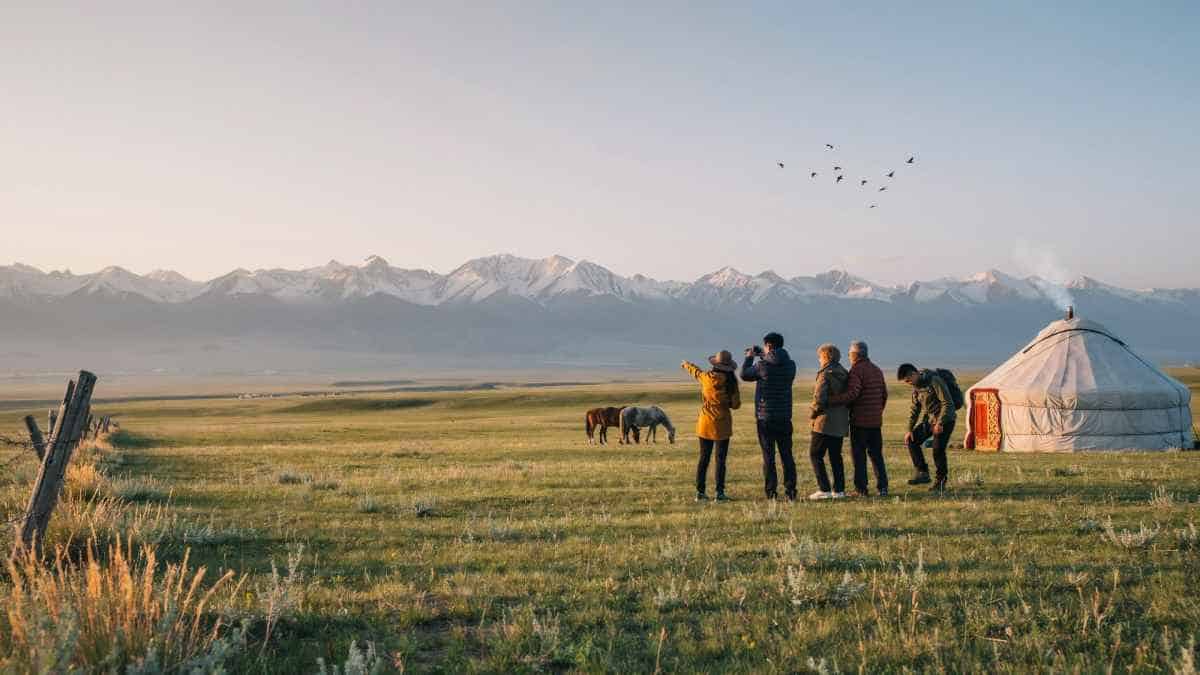
Mongolia has surpassed its 2025 tourism record, welcoming 856,636 international visitors by 6 October 2026. The milestone highlights growing demand for the country’s natural landscapes, cultural heritage and outdoor adventures. With arrivals already exceeding last year’s total, Mongolia is moving closer to its ambitious target of one million international tourists.
Mongolia Sets New Tourism Record Before the End of 2026
Mongolia has achieved a significant milestone in its international tourism industry, welcoming more visitors in the first ten months of 2026 than during the whole of 2025.
Advertisement
Advertisement
According to figures released by the Mongolia Tourism Organization on 7 October, the country received 856,636 international tourists between 1 January and 6 October 2026.
The figure exceeded the 847,170 visitors reported for the previous full year by 9,466 arrivals.
Advertisement
Advertisement
The performance reflects continued growth in international interest in Mongolia, particularly among travellers seeking outdoor activities, cultural experiences and destinations away from heavily developed tourism centres.
The latest milestone also brings Mongolia closer to its national objective of welcoming one million international visitors in 2026.
Advertisement
Advertisement
By 6 October, the country had achieved approximately 85.7 per cent of that target, leaving another 143,364 arrivals required before the end of December.
Although the figures demonstrate strong tourism performance, reaching the annual target will depend on visitor demand during the remaining autumn and winter months.
Mongolia Tourism Statistics Show Strong Growth in 2026
Official tourism figures highlight the scale of Mongolia’s recent international visitor growth.
| Tourism Indicator | Official Figure |
|---|---|
| International Visitors in 2025 | 847,170 |
| International Visitors by 6 October 2026 | 856,636 |
| Increase Above Full-Year 2025 Total | 9,466 |
| National Tourism Target for 2026 | 1,000,000 |
| Target Achieved by 6 October | 85.7% |
| Additional Visitors Needed | 143,364 |
| September 2026 Arrivals | 107,233 |
| September Year-on-Year Growth | 21% |
Source: Mongolia Tourism Organization and Mongolia’s Ministry of Culture, Sports, Tourism and Youth.
The figures demonstrate that Mongolia has already exceeded its previous annual visitor total well before the end of 2026.
However, the difference of 9,466 visitors compares the first part of 2026 with the whole of 2025. It should not be interpreted as the year-on-year growth rate for equivalent reporting periods.
Advertisement
Advertisement
Separate government statistics indicate that September 2026 recorded 107,233 international visitors, representing an increase of approximately 21 per cent compared with September 2025.
The September performance suggests that international travel demand remained strong after the country’s traditional summer tourism peak.
Russia, China and South Korea Lead Mongolia’s International Tourism Markets
Neighbouring countries and established Asian tourism markets continue to account for a substantial share of international travel to Mongolia.
Government figures identify Russia, China and South Korea as the country’s three leading source markets.
Japan and the United States also contribute to international visitor demand.
According to official figures published in early October, arrivals from major source markets during the first nine months of 2026 included:
Advertisement
Advertisement
| Source Market | International Visitors |
|---|---|
| Russia | 268,639 |
| China | 200,936 |
| South Korea | 148,054 |
| Japan | 39,381 |
| United States | 18,781 |
These figures illustrate the importance of regional connectivity and neighbouring markets to Mongolia’s tourism economy.
Russia and China benefit from geographical proximity, while South Korea represents an established market for leisure travel and cultural tourism.
International demand from Japan and the United States also provides opportunities for specialised travel products, including wildlife observation, trekking, photography and cultural expeditions.
The diversity of these markets could help Mongolia broaden its tourism industry beyond traditional regional travel patterns.
Mongolia’s Natural Landscapes Support Its Eco-Tourism Appeal
Mongolia’s tourism identity is closely connected with its extensive natural landscapes, relatively low population density and traditional nomadic culture.
The country offers experiences that differ considerably from conventional urban holidays and heavily developed beach destinations.
Advertisement
Advertisement
Its landscapes include deserts, mountains, grasslands, forests and freshwater lakes.
These environments create opportunities for nature-based tourism, adventure holidays and culturally focused travel.
Among Mongolia’s prominent tourism destinations are:
- Gobi Desert: Known for dramatic desert scenery, fossil discoveries, wildlife habitats and remote travel experiences.
- Khövsgöl Lake: A major freshwater lake surrounded by mountains and forests, popular for hiking, camping and nature tourism.
- Terelj National Park: A scenic destination near Ulaanbaatar offering hiking, horse riding and traditional accommodation experiences.
- Orkhon Valley: A culturally important landscape associated with Mongolia’s nomadic history and UNESCO-recognised heritage.
- Altai Mountains: A destination for mountain trekking, wildlife observation and cultural encounters in western Mongolia.
- Khustain Nuruu National Park: Known for conservation activities involving the Przewalski’s horse, also called the takhi.
These destinations support Mongolia’s potential to attract travellers interested in natural environments and cultural heritage.
However, increasing visitor numbers also creates a need for careful environmental management, responsible infrastructure development and sustainable tourism practices.
Nomadic Culture Strengthens Mongolia’s Tourism Identity
Beyond its natural attractions, Mongolia offers visitors opportunities to learn about a living nomadic heritage.
Advertisement
Advertisement
Traditional pastoral livelihoods remain an important part of the country’s cultural identity.
Travellers can experience aspects of this heritage through organised visits to rural communities, traditional ger accommodation, horse riding and local cultural activities.
Mongolian cuisine, traditional music, craftsmanship and regional festivals also contribute to the country’s tourism appeal.
The annual Naadam Festival, featuring traditional wrestling, horse racing and archery, remains one of Mongolia’s most internationally recognised cultural events.
Such experiences provide opportunities for rural communities to participate in tourism and generate additional income.
For tourism operators, the challenge is to develop these experiences respectfully while protecting local traditions and ensuring that communities benefit economically.
Advertisement
Advertisement
Mongolia Expands Tourism Development and Infrastructure Plans
Mongolia’s tourism growth is taking place alongside broader government efforts to strengthen the sector.
The Ministry of Culture, Sports, Tourism and Youth has identified tourism as an important opportunity for economic diversification.
During discussions with the Asian Development Bank in May 2026, ministry representatives outlined plans to expand tourism cooperation and infrastructure development.
The government has established a longer-term ambition of attracting two million international visitors and generating USD 4 billion in tourism export revenue by 2030.
These objectives reflect Mongolia’s interest in increasing tourism’s contribution to the national economy.
Achieving them will require continued investment in transport connections, accommodation, visitor facilities and tourism workforce development.
Advertisement
Advertisement
Infrastructure improvements will be particularly important in remote regions, where limited transport access and seasonal operating conditions can affect tourism growth.
Seasonal Tourism Remains a Challenge for Mongolia
Despite rising international arrivals, Mongolia continues to face challenges associated with its continental climate.
The country experiences long, cold winters and relatively short summers.
As a result, tourism activity has traditionally been concentrated during warmer months, particularly between June and September.
This seasonal pattern can create uneven demand for accommodation providers, tour operators and transport businesses.
Expanding year-round tourism could help address these challenges.
Advertisement
Advertisement
Potential opportunities include winter cultural experiences, photography tours, specialised outdoor activities and travel products designed around Mongolia’s distinctive cold-weather landscapes.
However, winter tourism requires suitable infrastructure, trained guides, reliable transport and clear safety information.
The development of year-round travel products will therefore need to balance commercial opportunities with practical operating conditions.
Sustainable Tourism Becomes Increasingly Important as Visitor Numbers Rise
Mongolia’s growing popularity creates opportunities for local businesses but also increases pressure on sensitive natural environments.
Popular tourism destinations may experience greater demand for accommodation, transport, waste management and visitor facilities.
Without appropriate planning, increased activity can place pressure on wildlife habitats, water resources and rural communities.
Advertisement
Advertisement
Sustainable tourism development will be important for maintaining the environmental qualities that attract international visitors.
Priority areas include responsible waste management, protection of natural habitats, improved visitor facilities and support for community-based tourism.
Tour operators can also contribute by encouraging smaller-group experiences, respecting protected areas and working with local service providers.
For Mongolia, the objective will be to translate higher visitor numbers into lasting economic benefits without undermining its natural and cultural assets.
Mongolia Moves Closer to One Million International Visitors
The arrival of 856,636 international tourists by early October places Mongolia within reach of its one-million-visitor objective.
The remaining target of 143,364 visitors represents a substantial number, particularly as the country enters its colder travel season.
Advertisement
Advertisement
Nevertheless, the record performance demonstrates that international interest in Mongolia has continued to expand.
The tourism industry’s next phase will depend on attracting visitors across a wider range of seasons, improving international accessibility and developing high-quality tourism experiences.
Government agencies, local businesses and international travel partners will play important roles in supporting these objectives.
For travellers, Mongolia offers an increasingly visible alternative to conventional holiday destinations, combining extensive natural landscapes with cultural experiences and outdoor exploration.
Conclusion
Mongolia’s record 856,636 international arrivals by 6 October 2026 highlight its growing position in global tourism. Strong demand from Russia, China and South Korea supports the sector, while nature-based experiences offer further opportunities. Sustainable development, infrastructure improvements and year-round tourism will be essential to maintaining long-term growth.
Advertisement
