
Oman Court Ruling Puts Wildlife Tourism Conduct in Focus After Nesting Turtle Disturbance

Published
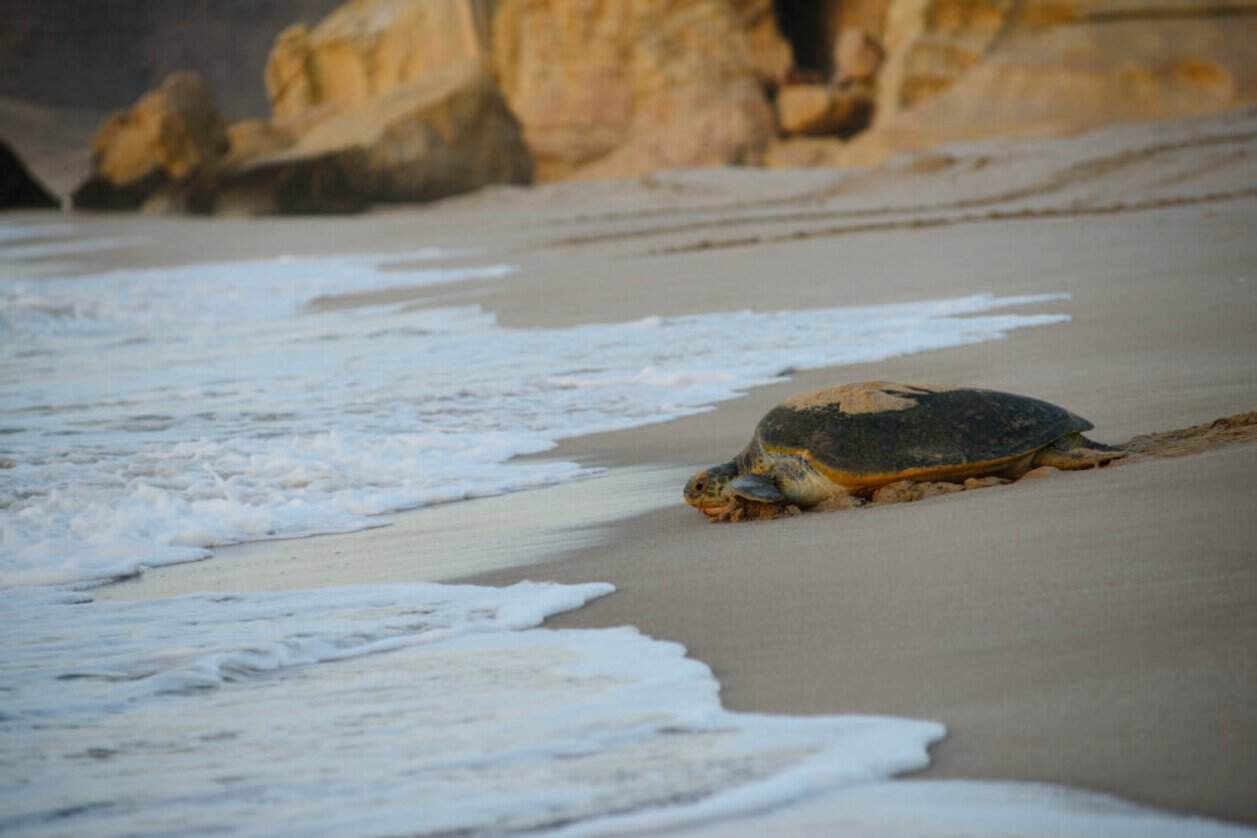
Oman Wildlife Tourism has been under the spotlight following the official statement from Public Prosecution concerning fines and jail terms in a case related to the nesting turtles and some online media. The official statement addresses two individuals and mentions the Court of First Instance, Sur, making the behaviour of tourists in the protected beaches a serious issue. As of 5 October 2026, it was not possible to obtain the exact ruling from the official source in the report. Consequently, there are no penalties and nationality provided. The verified information about the reserve is available for visitors regarding restricted access, silent viewing and lighting. سلطنة عُمان (@oman_pp) / …
What the official announcement confirms
The prosecution’s indexed official account carries an announcement about fines and imprisonment for two defendants over harm to nesting turtles and content prejudicial to public order. It identifies the criminal division of the Court of First Instance in Sur. سلطنة عُمان (@oman_pp) / …
Advertisement
Advertisement
That establishes a relevant enforcement development, but the accessible official extract does not establish every detail reported elsewhere. The distinction between wildlife conduct and the publication offence matters: ordinary wildlife photography should not be described as automatically attracting a prison sentence.
The full announcement is needed to explain the individual penalties and any suspension accurately. This article therefore avoids treating those details as independently confirmed.
Advertisement
Advertisement
Why Oman wildlife tourism depends on quiet beaches
Ras Al Hadd Turtle Reserve is a protected coastal landscape in South Al Sharqiyah. Oman’s submission to UNESCO records its designation as a nature reserve on 23 April 1996, with approximately 120 square kilometres covering beaches, coastal land, seabed and lagoons. UNESCO World Heritage Centre
The protected area extends along about 45 kilometres of coastline. Its value reaches beyond the turtles, encompassing bird habitats, mangroves and archaeological remains.
Advertisement
Advertisement
The submission explains that female turtles use quiet sandy beaches for nesting and that these resources are sensitive to human interference. For visitors, that makes the viewing environment part of the attraction itself. UNESCO World Heritage Centre
The site is on UNESCO’s Tentative List. It should not be presented as an inscribed World Heritage Site.
Advertisement
Advertisement
What visitors should check before booking
The official Ras Al Jinz Turtle Reserve website offers guided evening and dawn excursions. Its published schedule lists evening viewing from 9pm and dawn viewing from 5am, while warning that timings may change with the season. Hotel Services
Independent travellers should reconfirm arrangements before driving to the reserve. The website asks guests staying elsewhere to arrive before the scheduled excursion, rather than turning up at the beach when viewing begins.
Published tourist ticket prices are:
| Visitor category | Listed admission |
|---|---|
| Adult tourist, aged 12 and above | OMR12 |
| Tourist child, aged six to 12 | OMR6 |
| Child below six | Free |
These are operator-listed prices checked on 5 October 2026, not new government charges. Confirm age-band eligibility, availability and the final price directly when booking. Hotel Services
Advertisement
Advertisement
Photography needs a briefing before the beach
The Environment Authority’s conservation information recommends reducing noise and avoiding lighting during photography. It also describes red lighting for turtle observation at the scientific centre in Ras Al Jinz. ea.gov.om
That guidance deserves attention before a phone or camera comes out. Ask the guide whether photography is permitted during the specific excursion and follow the instructions for that location.
As a practical precaution, keep phone torches and flash switched off unless staff expressly direct otherwise. Do not reposition an animal for a photograph, and ask a ranger for help if a turtle appears stranded.
Visitors should also brief children before arrival. Explain that the encounter is an opportunity to observe animals, with the guide setting the boundaries for the group.
Conservation figures show the work behind the visit
An Environment Authority update dated 16 June 2026 provides context for the reserve’s conservation operations. It reports approximately 60,000 green turtles received during the 2025 nesting season. ea.gov.om
The same update records about 800 large turtles returned to the sea after becoming disoriented, 250 turtles tagged and 121,000 small turtles returned to the water.
Advertisement
Advertisement
Those figures describe conservation activity. They are not visitor arrivals, tourism revenue or an independently established count of unique nesting females.
The authority also records 385 participants and volunteers in the fifth edition of its environmental protection programme during 2025. The figures help explain why a visitor experience relies on monitoring and community participation beyond the booked excursion. ea.gov.om
Local businesses have a stake in responsible viewing
The reserve’s official facilities page lists a visitor museum, restaurant, library and shop selling locally made handicrafts. Wildlife visits therefore connect with spending on accommodation, food, education and locally produced goods. Hotel Services
There is no verified financial assessment showing what this particular court case has cost hotels or tour operators. A claim that it has reduced bookings, damaged airline demand or changed airport traffic would be unsupported.
The practical implication for businesses is clearer. Operators can include a short conduct briefing in booking confirmations and repeat it before departure.
Guests should know what beach access includes, who supervises the visit and what photography restrictions apply. That gives travellers a concrete understanding of the experience before reaching the nesting area.
Advertisement
Advertisement
Government planning links tourism with protection
On 12 December 2024, the Environment Authority reported the completion of a five-day workshop to update the turtle reserve’s management plan. Government bodies, private organisations and community representatives participated. ea.gov.om
The official workshop announcement records 100 management challenges and 127 proposed solutions across six areas, including tourism, oversight, community participation and research. It also addressed planning and legislation.
These were proposals within a management process, not confirmation that every measure had been implemented. They provide an official basis for discussing the reserve’s direction without predicting future restrictions. ea.gov.om
For travellers, the relevant approach remains checking current instructions at the point of booking. An older itinerary or social media clip cannot establish what access is authorised today.
Traveller FAQs
Can I enter the beach independently to watch turtles?
The reserve’s facilities page says beach entry requires its permission and charges apply. Arrange authorised access rather than assuming a public approach to the shoreline includes turtle viewing. Hotel Services
Advertisement
Advertisement
Can I use a flash or phone light?
The Environment Authority advises against lighting during photography. Ask the excursion guide about the applicable rules and follow instructions before using any light. ea.gov.om
Are dawn and evening visits available?
The operator lists both. It warns that schedules can change with the season, so reconfirm the departure time and required arrival time before travelling. Hotel Services
Conclusion
The experience must ensure that the beach is as untouched as possible. The conservation information released by Oman highlights the importance of maintaining low noise levels, restricted entry and educated viewing as key elements in the visit. Tourists can make preparations by making the necessary arrangements through the reserve, checking information on photography and heeding all instructions during the tour. Operators must emphasize these expectations before tourists step into the sand, particularly where wildlife tours are being offered to families or individual tourists. Court sanctions cannot be determined until the full text of the release is known.
Official Sources
- Public Prosecution of Oman — Official account carrying the indexed ruling announcement. Full penalty details remain unverified.
- UNESCO World Heritage Centre — Oman’s submission for Ras al Had Turtle Reserve and Ras al Jinz.
- Ras Al Jinz Turtle Reserve — Official visitor information, schedules and prices.
Advertisement
