
Puerto Rico Joins Greece And More In Battling Water Shortages As Tourism Hubs Race To Protect Visitors

Published
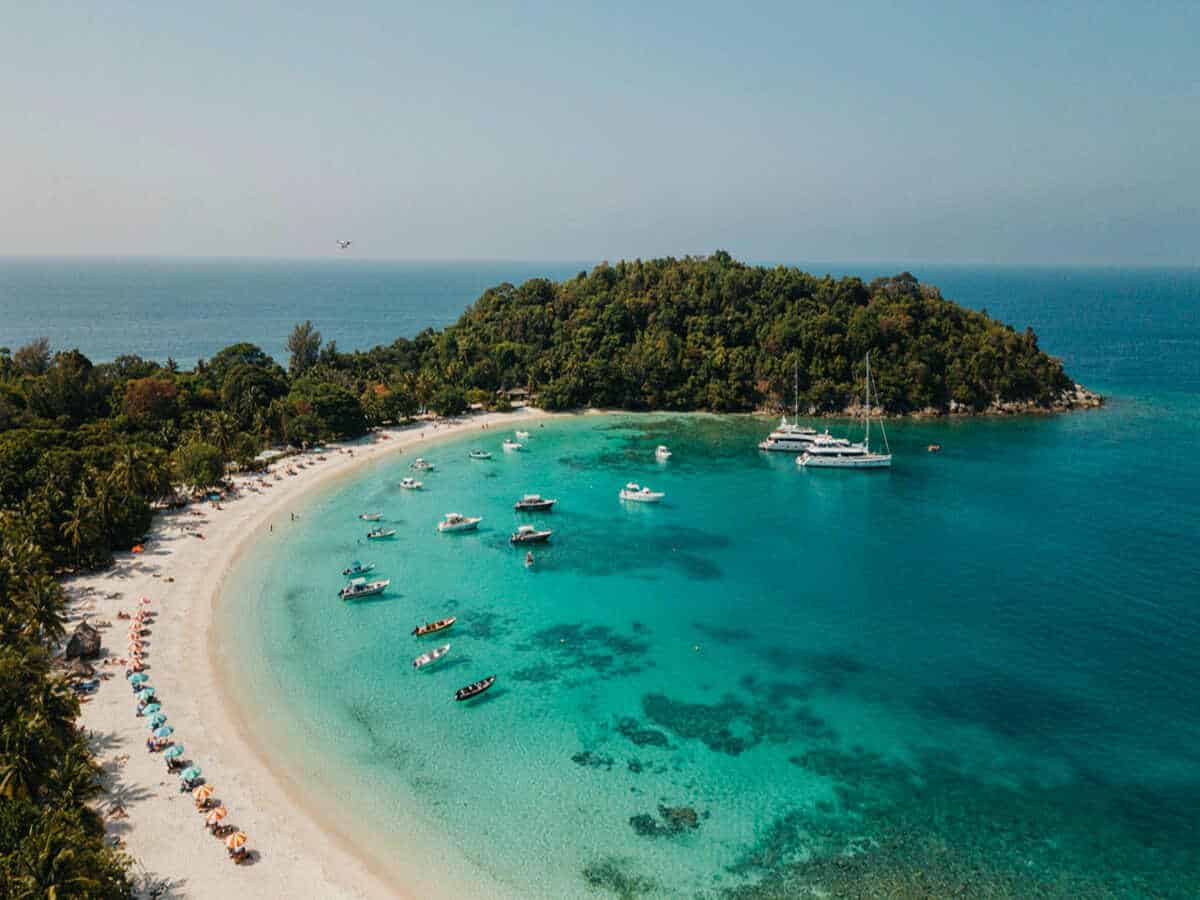
Image generated with Ai
Water shortage problems face tourist destinations due to drought; Puerto Rico becomes a new addition. In 2026, Puerto Rico will join countries like Greece, Cyprus, Spain, South Africa, France and others in grappling with water shortage problems due to drought, low reservoirs and pressure on infrastructure systems. Tourist destinations have been struggling with the problem of water shortages as the drought affects their ability to sustain their tourists.
Puerto Rico is one of the clearest examples. Historic rainfall deficits pushed reservoirs lower, triggered rotating cuts and forced tourism authorities to arrange emergency support for accommodation businesses. Yet the Caribbean island is far from alone. Across Europe, Africa and the Middle East, destinations are turning to desalination, tanker deliveries, conservation and infrastructure investment as water security becomes a major tourism concern.
Puerto Rico Battles Historic Drought As Tourism Feels Pressure
Puerto Rico’s crisis intensified after exceptionally dry and hot summer conditions. San Juan recorded only about 0.54 inches of rain in July, compared with a normal July total of roughly 6.02 inches. That made it the driest July recorded in the capital in more than 120 years.
July was also San Juan’s second-hottest July on record, increasing evaporation as rainfall and reservoir recharge weakened.
Advertisement
Advertisement
Southern and south-western Puerto Rico received less than 20% of normal rainfall during critical periods. Even El Yunque rainforest accumulated rainfall deficits estimated at eight to 14 inches.
Nearly 25% of Puerto Rico initially entered Severe Drought, while another 36% experienced Moderate Drought. Conditions later deteriorated further, with Extreme Drought spreading during August.
Advertisement
Advertisement
Carraízo Reservoir became one of the most visible symbols of the emergency. The metropolitan network normally required more than 80 million gallons daily, while available supply fell to around 70 million gallons, leaving a gap of roughly 10 million gallons every day.
Authorities introduced rotating 48-hour interruptions affecting more than 180,000 customer accounts. Parts of San Juan, Carolina, Trujillo Alto, Canóvanas, Loíza, Gurabo and Juncos were affected.
Puerto Rico Delivers Emergency Water To Tourism Properties
Tourism required direct intervention.
Authorities coordinated more than 654,000 gallons of potable water through 116 deliveries to over 33 accommodation properties. Important visitor districts including Old San Juan, Condado and Isla Verde received support.
Large hotels often had cisterns and backup infrastructure, making them more resilient than smaller businesses. However, tanker deliveries were still necessary to keep some properties operating.
Puerto Rico later introduced a $2 million assistance programme for tourism businesses affected by programmed interruptions. Eligible operators could receive up to $10,000.
Advertisement
Advertisement
Restaurants, guesthouses, eco-tourism businesses and smaller accommodation providers were among those exposed to higher costs and uncertainty.
Greece Faces Mounting Pressure Across Islands
Greece is confronting similar pressure, particularly across islands where freshwater is naturally limited.
The problem becomes most severe during summer, when visitor numbers rise sharply. Hotels, villas, restaurants and swimming pools demand more water when rainfall is lowest.
The government approved 42 water-scarcity projects worth more than €75.5 million. Projects covered Paxos, Fournoi, Lipsi, Meganisi, Astypalaia, Folegandros, Psara, Poros and Alonnisos.
Authorities later announced another €65 million programme for water-supply infrastructure, with additional funding planned for islands and mountainous areas.
For Greece, water security is increasingly becoming as important as ferry links, airports and hotel capacity.
Advertisement
Advertisement
Cyprus Turns To Desalination To Protect Tourism
Cyprus has adopted one of the most direct responses to scarcity.
The island has long faced limited freshwater availability, but persistent drought has accelerated desalination investment.
More than €200 million has been committed to water-related measures, while additional mobile desalination units were expected to add around 50,000 cubic metres of water each day.
Tourism businesses are also being encouraged to become more self-sufficient. A government programme allows hotels to install small private desalination systems.
By late June, 15 hotel applications had been submitted and 14 had received permits.
Instead of depending entirely on municipal networks, major hotels can increasingly produce part of their own freshwater supply.
Advertisement
Advertisement
Cyprus therefore contrasts with Puerto Rico, where emergency deliveries and storage have played a larger role.
Spain’s Balearic Islands Face Falling Reserves
Spain’s Balearic Islands provide another major tourism example.
Mallorca, Ibiza and Menorca receive huge numbers of visitors during the driest months.
By August 2026, water reserves across the islands had fallen to about 38%. Mallorca stood near 38%, Menorca near 33%, and Ibiza around 37%.
Only a small proportion of Balearic territory remained under normal conditions. Most areas had entered drought pre-alert or alert classifications.
Authorities allocated around €39.8 million from the Sustainable Tourism Tax to projects involving supply, wastewater treatment, reuse and efficiency.
Advertisement
Advertisement
Visitor-generated revenue is therefore being reinvested in infrastructure required to support residents and tourists together.
South Africa Confronts Critical Pressure In Tourism Towns
South Africa is dealing with drought, ageing infrastructure, municipal failures and growing consumption.
The country established a National Water Crisis Committee and introduced a National Water Action Plan in 2026.
One striking tourism example emerged in Knysna. The popular Western Cape destination saw its Akkerkloof Dam fall to around 19% capacity.
At prevailing consumption levels, remaining supply was estimated at only about 13 days.
During peak holidays, Knysna’s population rises as visitors arrive, increasing demand for hotels, restaurants, showers, laundry and other water-intensive services.
Advertisement
Advertisement
The crisis demonstrates why tourism towns must plan for seasonal visitors, not only permanent residents.
France Imposes Restrictions Across Large Areas
France experienced one of Europe’s most extensive drought episodes during 2026.
July rainfall fell around 67% below normal, making it one of the country’s driest Julys in decades.
By August, 92 departments were operating under water restrictions, while 67 had reached the highest crisis level.
A majority of monitored groundwater points were below normal.
Around 250,000 people were experiencing pressure on drinking-water supplies at the height of the crisis. Tens of thousands required tanker deliveries, bottled water or faced prolonged interruptions.
Advertisement
Advertisement
Tourism continued, but restrictions could affect pools, campsites, landscaping, vehicle washing and other water-intensive services.
France shows that serious water stress is no longer confined to traditionally dry destinations.
Jordan Faces A Structural Water Challenge
Jordan’s crisis is different because scarcity is structural rather than temporary.
The country is already one of the world’s most water-stressed nations.
During 2026, officials warned that the summer water deficit could reach about 15 million cubic metres.
Rainfall reached only around 60% of the annual average, while reservoir storage remained roughly 80 million cubic metres below the previous year.
Advertisement
Advertisement
This matters for tourism centres including Amman, Petra, Wadi Rum and Aqaba.
Jordan must balance tourism with household consumption, agriculture and national development. Long-term solutions require reuse, desalination, stronger networks and regional cooperation.
Tunisia Faces Supply Interruptions In A Tourism Economy
Tunisia has also faced growing water pressure during 2026.
Authorities have worked to strengthen drinking-water supply, expand infrastructure and mobilise additional groundwater and surface-water resources. The government is also pursuing greater use of alternative sources.
That matters because coastal destinations such as Hammamet, Sousse, Monastir and Djerba depend heavily on reliable water during hot summer months.
Large resorts may have greater backup capacity, but prolonged shortages increase costs and create tougher conditions for smaller businesses and surrounding communities.
Advertisement
Advertisement
Kenya And Brazil Show How Scarcity Can Be Regional
Kenya continues to experience serious drought across arid and semi-arid counties.
Turkana, Wajir, Garissa, Mandera, Isiolo, Samburu and Kajiado have faced persistent water insecurity.
The situation is highly regional. Major tourism centres can remain operational while rural communities suffer shortages.
Brazil presents a similarly uneven picture.
Drought affected more than half of national territory during parts of 2026, especially sections of the Centre-West, North, Northeast and Southeast.
However, conditions vary sharply between states and river basins. Neither country should be described as facing one uniform nationwide drinking-water emergency.
Advertisement
Advertisement
Syria And Somalia Face Humanitarian Emergencies
In Syria and Somalia, water scarcity forms part of much larger humanitarian crises.
Syria faces drought alongside damaged infrastructure, electricity shortages and the consequences of conflict. Millions require water, sanitation and hygiene assistance, while some communities depend heavily on tanker supplies.
Somalia has also suffered prolonged drought, depleted water sources, food insecurity and damaged livelihoods.
These countries differ fundamentally from Puerto Rico, Greece or Cyprus because tourism is not the primary concern.
However, they demonstrate how severe prolonged water insecurity can become when infrastructure and economic capacity are weak.
Iraq Shows Why Local Shortages Can Continue
Iraq presents a more complicated picture.
Advertisement
Advertisement
Improved winter rainfall helped rebuild national storage and strengthen overall reserves.
Yet serious local shortages continue. In some communities, households receive water only once every several days, while others wait longer.
Iraq demonstrates that stronger national storage does not automatically guarantee dependable local supply. Distribution networks, infrastructure conditions and geography remain major obstacles.
Water Security Becomes A Tourism Competitiveness Test
Puerto Rico, Greece, Cyprus, Spain, South Africa and France reveal a common 2026 pattern.
Tourism remains open. Hotels welcome guests. Flights continue arriving.
But maintaining that normal experience increasingly requires expensive infrastructure.
Advertisement
Advertisement
Puerto Rico is using tanker deliveries, cisterns and tourism assistance. Cyprus is expanding desalination and allowing hotels to develop private systems. Greece is investing in island supply projects. Spain is directing tourism-tax revenue towards water infrastructure. South Africa is strengthening national management, while France has imposed widespread restrictions.
The responses differ, but the challenge is shared: tourism demand often peaks when water availability is weakest.
For travellers, this may mean conservation requests, altered hotel services or changes to nature-based activities. For residents and small businesses, the consequences can be more serious.
Puerto Rico is among Greece and other tourist destinations facing water shortages due to droughts in their regions.
The case of Puerto Rico is thus not just another drought case in the Caribbean, but also another case of how famous destinations compete to get enough water to serve tourists, businesses and locals alike.
Advertisement
