
Why Seoul Is Launching Certified Patient-Friendly Hotels for International Travellers

Published
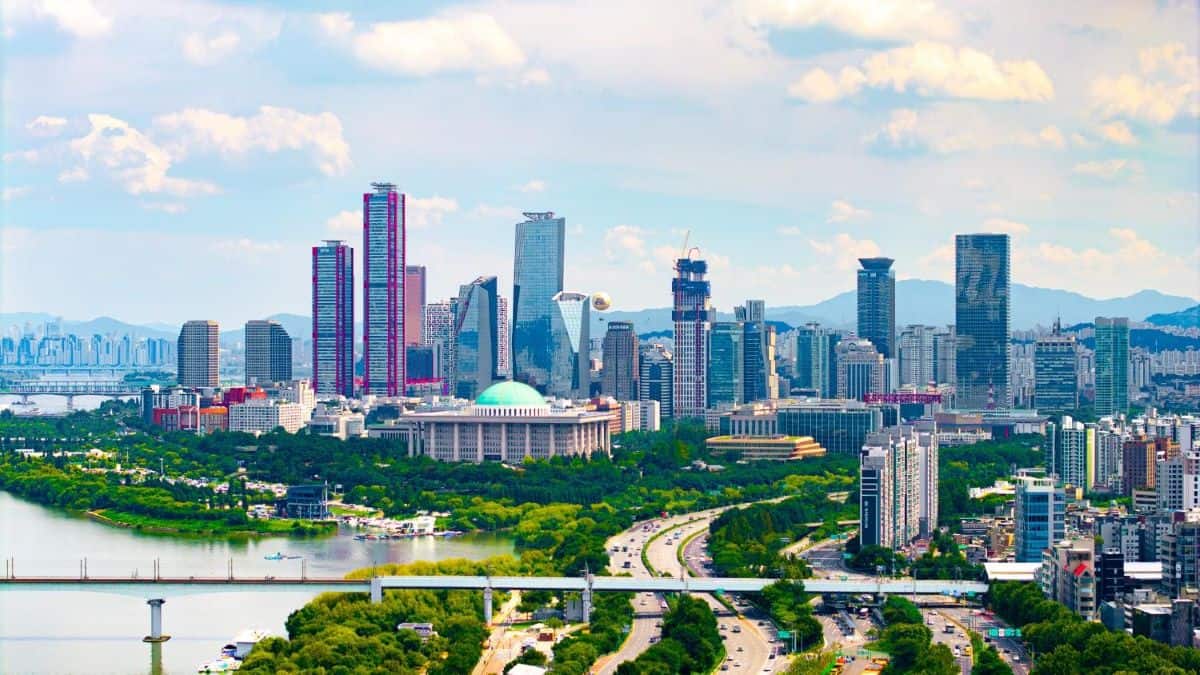
Global healthcare mobility has reached unprecedented levels, with East Asia becoming the preferred destination for clinical procedures, wellness treatment and advanced surgical care. Seoul Metropolitan Government today announced a strategic plan to officially designate specialised, patient-friendly hotels for foreign recovery due to the enormous influx of international visitors. Official property applications will be open from September 14 to 30. This regulatory step is meant to fill the critical gap between hospital discharge and complete recovery. With no standardised recovery accommodations, the need for safe, hygienic and accessible post-operative environments has become an urgent priority, with thousands of medical travellers arriving annually in search of world-class interventions.
Navigating the Post-Operative Hospitality Landscape
The transition from a sterile clinical ward to a standard commercial hotel room often presents considerable challenges for international patients dealing with limited mobility, strict medication schedules, or specialized dietary requirements. Historically, travelers have navigated these vulnerabilities independently, frequently relying on unvetted short-term rentals or traditional hospitality spaces unequipped for medical aftercare. To resolve these systemic shortcomings, the upcoming municipal designation process establishes rigorous architectural and service benchmarks. Properties seeking accreditation must demonstrate enhanced accessibility infrastructure, specialized nutritional support services, and trained personnel capable of assisting recovering guests discreetly and efficiently.
Advertisement
Advertisement
Core Criteria for Official Patient-Friendly Accreditation
To qualify under the municipal framework, participating hospitality providers are evaluated against stringent structural and operational parameters. Compliance is measured across several essential vectors designed to safeguard patient health during vulnerable healing phases:
- Universal Accessibility: Seamless, step-free entryways, widened corridors, and specialized elevators capable of accommodating stretchers or mobility aids.
- Ergonomic Recovery Interiors: Medical-grade adjustable bedding, non-slip bathroom surfaces, integrated grab bars, and accessible step-in shower configurations.
- Sanitation and Air Quality: Advanced ventilation systems and hospital-grade air purification units to minimize airborne pathogen exposure for immunocompromised guests.
- Multilingual Concierge Support: 24-hour communication desks equipped to coordinate emergency medical transport, translation services, and pharmacy liaison tasks.
Addressing Key Inquiries in Global Health Travel
As international interest in these developments intensifies, prospective travelers frequently raise specific questions regarding logistics, safety, and infrastructure standards.
Advertisement
Advertisement
- What types of medical procedures drive the demand for specialized recovery hotels in Seoul? Procedures ranging from complex orthopaedic surgeries and organ transplant aftercare to specialized dermatology and cosmetic enhancements generate high volumes of extended-stay recovery requirements.
- How will international patients identify officially designated properties? Following the conclusion of the September application and evaluation window, the local government intends to publish an official registry detailing certified accommodations across major medical districts such as Gangnam, Jongno, and Songpa.
- Are these designated recovery hotels staffed by medical professionals? While these properties are classified as hospitality venues rather than clinical extensions, certified facilities are mandated to maintain direct partnerships with nearby tertiary medical institutions to facilitate rapid emergency responses if required.
Economic and Strategic Implications for Tourism
The formal designation of recovery-focused lodging reflects a broader economic strategy by municipal authorities to cement Seoul’s position as a premier global health destination. By institutionalizing quality control across the entire patient journey—from the operating table to the post-operative resting space—the city mitigates reputational risks associated with substandard post-surgical care. Furthermore, this policy provides certified hospitality businesses with a distinct competitive advantage, encouraging industry-wide investments in universal design and specialized staff training. As application windows close at the end of September, the successful implementation of these guidelines is anticipated to set a new international benchmark for integrated medical tourism infrastructure worldwide.
Understanding the Broader Economic Ripple Effects
Beyond immediate patient care benefits, the municipal government’s push to certify recovery accommodations is expected to catalyze significant growth across auxiliary service sectors. Local translation agencies specializing in medical terminology, specialized medical transport companies, and nutritional catering businesses that cater to specific post-surgical dietary restrictions are all poised to see a surge in demand. Furthermore, wellness and rehabilitation clinics are actively forging partnerships with upcoming hotel nominees to create seamless end-to-end packages. These comprehensive packages bundle surgical procedures, physical therapy sessions, and post-operative lodging into a single, cohesive itinerary, removing the administrative burden from international visitors who may already be dealing with the physical and mental stress of a major medical procedure in an unfamiliar country.
Insights Into Gangnam and Major Medical Districts
Special focus will be placed on the city’s main medical centres, namely Gangnam, Jongno and Mapo, during the September application period. Gangnam, renowned globally for its high concentration of plastic surgery clinics and specialised dermatology centres, now attracts the majority of elective medical tourists. However, the absence of consistent recovery infrastructure in standard commercial hotels adjacent to these clinics has historically resulted in inconsistent patient experiences. And with tight municipal control and official recognition, the Seoul Metropolitan Government wants to turn these key districts into fully integrated medical tourism clusters where safety, comfort and clinical excellence all come together seamlessly.
Advertisement
