
Crete Travel Faces Major Disruption as Flash Floods, Landslides and Storms Hit Greece’s Island

Updated
Published
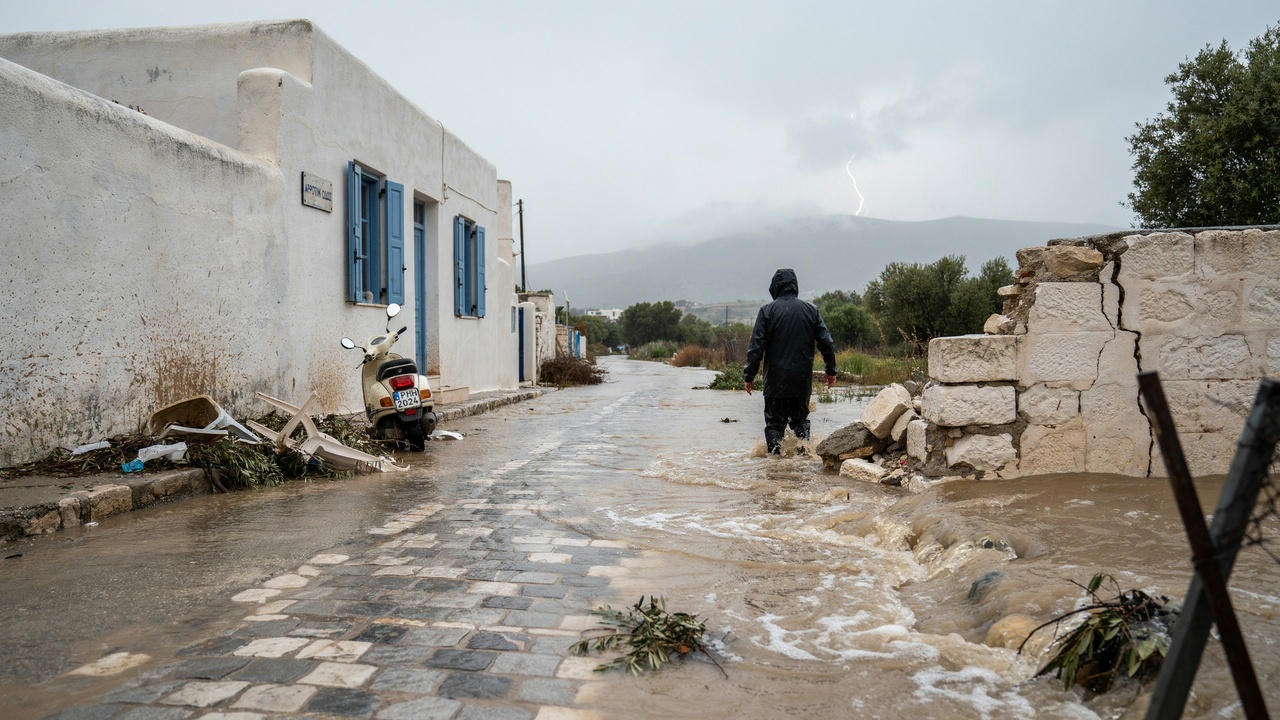
Image generated with Ai
Crete Travel is facing a serious disruption after powerful storms brought torrential rain, flash flooding, landslides and dangerous coastal conditions across Greece’s largest island. Ierapetra, Rethymno, Chania, Heraklion and parts of Lasithi have experienced significant impacts, with roads damaged, vehicles swept away and tourists among those requiring assistance. Greece’s Civil Protection authorities placed Crete under heightened emergency readiness because of the flood risk and warned residents and visitors to avoid flooded roads, streams and unnecessary movement. The weather emergency has also affected famous visitor areas, including Chania’s waterfront and the Samaria Gorge. For travellers, the immediate message is clear: sightseeing should take second place to safety until authorities confirm that roads, trails and coastal areas are safe.
Crete Travel Faces a Severe Autumn Weather Shock
Crete was hit by severe storms during 2 and 3 October 2026, bringing exceptionally heavy rain and widespread disruption across the island.
Advertisement
Advertisement
The affected areas include Lasithi, Rethymno, Chania and Heraklion, although the intensity and impacts have varied between communities.
The storm has produced more than ordinary autumn rainfall.
Advertisement
Advertisement
Flash flooding has carried mud, debris, vehicles and trees into roads and coastal areas.
The resulting disruption has affected transport and daily life while creating additional risks for visitors travelling by rental car or attempting outdoor activities.
Advertisement
Advertisement
The situation is particularly significant for tourism because Crete depends heavily on road travel.
Visitors regularly drive between resorts, beaches, archaeological sites, mountain villages and airports.
When roads are flooded or damaged, even attractions outside the immediate storm zone can become difficult to reach.
Ierapetra Has Seen Some of the Worst Flooding
Ierapetra, on Crete’s southeastern coast, has been among the hardest-hit locations.
Floodwater swept vehicles and trees towards the sea, while roads were blocked or damaged by mud and debris.
The road between Ierapetra and Sitia suffered particularly serious damage.
Advertisement
Advertisement
Parts of the route were reportedly swept towards the sea, creating a major problem for local transport and visitors attempting to move along the southeastern coast.
Emergency crews were also called to homes and businesses affected by flooding in communities including Ferma and Makry Gialos.
The situation demonstrates why visitors should not assume that a familiar road remains safe during a major storm.
Water can cover damaged sections, hide debris and create dangerous currents.
Tourists Were Among Those Rescued From Floodwater
The flooding created direct risks for visitors.
Local officials reported that tourists were among those evacuated, while one woman was taken to hospital as a precaution.
Advertisement
Advertisement
On the road between Ierapetra and Sitia, 23 people were rescued from vehicles and homes during the flooding.
A separate incident involved a taxi carrying three tourists and a driver.
Floodwater swept the vehicle from the road, although it became lodged against the roadside and allowed everyone inside to escape.
These incidents underline the danger of driving during flash floods.
Even a journey that appears short can quickly become life-threatening when water levels rise.
Crete Recorded Exceptionally Heavy Rainfall
The amount of rainfall has been one of the defining features of the storm.
Advertisement
Advertisement
The National Observatory of Athens recorded 318 millimetres of rainfall at Xyloskalo in the Chania regional unit, with other stations reporting even higher totals during the wider storm episode.
Such rainfall can overwhelm drainage systems and streams.
Water can rapidly move downhill through valleys and channels, carrying soil, rocks and debris with it.
For travellers, this is particularly dangerous in mountainous areas.
A visitor may experience relatively modest rainfall at their accommodation while a much heavier downpour upstream causes flooding elsewhere.
That is one reason authorities advise against entering streams, gorges or flood-prone roads during severe weather.
Advertisement
Advertisement
Greek Authorities Activated Heightened Emergency Measures
Greece’s General Secretariat for Civil Protection activated a Red Code for Crete from the evening of 30 September through 4 October because of the high flood risk.
The Greek National Meteorological Service warned of locally severe rain and thunderstorms.
The warnings also covered powerful northeastern winds over the Aegean.
Winds were forecast to reach Force 8 to 9 on the Beaufort scale in parts of the Aegean.
Authorities instructed residents and visitors to avoid flooded roads, remain away from rivers and streams and limit unnecessary movement during the most dangerous conditions.
For tourists, official instructions should take priority over planned sightseeing.
Advertisement
Advertisement
Chania’s Waterfront Also Suffered Storm Damage
The storm has affected major tourism centres as well as rural areas.
At Chania, powerful waves damaged restaurants and tourist businesses along the waterfront.
Chania is one of Crete’s best-known visitor destinations, famous for its Venetian harbour, historic old town and coastal setting.
The damage demonstrates the vulnerability of waterfront tourism infrastructure during powerful storms.
Even when a particular attraction is not flooded, large waves and strong winds can make promenades, harbour walls and beaches dangerous.
Travellers should therefore avoid coastal sightseeing until local authorities confirm that conditions are safe.
Advertisement
Advertisement
Rethymno Faces Flooding and Landslide Risks
The Rethymno regional unit has also experienced flooding, landslides and road damage.
The situation around Mylopotamos has been particularly concerning, with people urged to limit movement and move towards higher ground when necessary.
Agricultural communities have also suffered.
Floodwater and mud have damaged vineyards, olive groves and other agricultural areas, while some villages have experienced interruptions to water supplies.
For tourists staying in rural accommodation, these disruptions can affect access to shops, restaurants, roads and essential services.
Visitors should therefore maintain contact with their accommodation providers during periods of severe weather.
Advertisement
Advertisement
Samaria Gorge Becomes a Major Warning for Hikers
The Samaria Gorge is one of Crete’s most famous outdoor attractions, but the storm has demonstrated how quickly a popular hiking route can become dangerous.
Eight workers were reportedly stranded inside the gorge after entering for work on 29 September.
They were approximately seven kilometres from the entrance of the 13-kilometre gorge.
The workers reported being safe and having sufficient supplies while waiting for water levels to fall.
The incident provides an important warning for visitors.
Gorges can become dangerous very quickly during heavy rainfall because water can accumulate upstream and surge through narrow channels.
Advertisement
Advertisement
A trail that was safe earlier in the day may become inaccessible later.
Is Crete Safe for Travel During the Storm?
During the active emergency, unnecessary travel through affected areas should be avoided.
That advice is directly consistent with Greece’s Civil Protection guidance, which warns people not to cross flooded roads or streams either on foot or by vehicle.
Visitors should also avoid:
- Flooded roads
- Rivers and streams
- Gorges
- Exposed beaches
- Harbour walls
- Mountain roads
- Areas affected by landslides
The danger is not limited to the moment when rain is falling.
Floodwater can leave hidden damage.
Advertisement
Advertisement
Mud can make roads unstable.
Rockfalls and landslides can continue after rainfall ends.
The island therefore requires a period of assessment before normal travel resumes.
Travellers With Bookings Should Check Conditions Before Moving
Visitors already in Crete should monitor official instructions and maintain contact with their accommodation providers.
Travellers using rental cars should not attempt to cross roads affected by flooding or landslides.
Those travelling to or from Heraklion and Chania airports should allow additional time because road disruptions may affect transfers.
Advertisement
Advertisement
Flight information should also be checked directly with the airline.
Even when an airport remains operational, severe weather can affect ground transportation, visibility and flight schedules.
Travellers should avoid making unnecessary journeys simply to reach an attraction.
Crete’s Major Attractions Remain Important for Future Visitors
Crete remains one of Greece’s most significant tourism destinations.
Its attractions include Chania Old Town, Rethymno Old Town, the Heraklion Archaeological Museum, Knossos, Elafonissi Beach, Balos Lagoon, Samaria Gorge, the Lasithi Plateau, Ierapetra and Agios Nikolaos.
The current problem is therefore primarily one of access and weather, rather than a permanent loss of the island’s tourism attractions.
Advertisement
Advertisement
A beach can remain intact while its access road is damaged.
A museum can remain open while visitors cannot safely reach it.
A hiking trail can exist but become dangerous because of flooding.
Travellers should therefore check each attraction individually before setting out.
When Could Normal Crete Travel Resume?
Greek Civil Protection warnings issued on 1 October indicated that severe rain and thunderstorms could continue intermittently through Sunday, 4 October, while the strongest winds were expected through Saturday.
However, the end of the weather warning does not automatically mean that every route will immediately reopen.
Advertisement
Advertisement
Authorities must assess roads, bridges, slopes and hiking trails.
Floodwater can leave substantial debris behind.
Landslides can destabilise mountain roads.
Infrastructure may require repairs before normal traffic resumes.
Travellers should therefore follow local reopening information rather than relying on a fixed date.
Emergency Help Is Available Through Greece’s 112 System
Tourists facing an immediate emergency in Greece can call 112.
Advertisement
Advertisement
The Greek Civil Protection Ministry states that the service operates 24 hours a day, seven days a week and can connect callers with police, fire services, emergency medical assistance and the coastguard.
The emergency number can also be reached from mobile phones without a SIM card.
The service supports calls in Greek, English and French.
Travellers should reserve 112 for genuine emergencies.
For routine travel questions, visitors should contact their accommodation, airline, transport provider or relevant local authority.
Autumn Crete Travel Needs Greater Flexibility
October can be an attractive month for visiting Crete because summer temperatures have eased.
Advertisement
Advertisement
However, the island’s mountains, valleys and exposure to surrounding seas can produce rapidly changing weather.
The current storm illustrates why autumn travel requires flexibility.
Travellers should check forecasts before driving.
They should confirm road conditions.
They should have alternative activities available.
They should avoid remote hiking during severe weather.
Advertisement
Advertisement
And they should be prepared to change an itinerary when authorities issue warnings.
That flexibility is particularly important for visitors travelling independently by rental car.
The Bigger Crete Travel Picture
The storm does not erase Crete’s importance as a tourism destination.
It does, however, demonstrate the risks associated with travelling across a large, mountainous island during extreme weather.
The current emergency has affected communities, roads, waterfront businesses, agriculture and visitor activities.
The situation also shows why official warnings are particularly important for international tourists who may be unfamiliar with local geography.
Advertisement
Advertisement
Crete remains a destination with beaches, archaeological treasures, historic towns and mountain landscapes.
But during severe weather, the safest travel decision can be to postpone sightseeing.
Conclusion
Crete Travel is facing a serious temporary disruption after powerful storms unleashed torrential rain, flooding, landslides and dangerous coastal conditions across Greece’s largest island. Ierapetra, Rethymno, Chania, Heraklion and other areas have experienced significant impacts, while 23 people were reportedly rescued from vehicles and homes in the Ierapetra area. Greek Civil Protection authorities placed Crete under heightened emergency readiness and warned residents and visitors to avoid flooded roads, streams and unnecessary movement. For travellers, the situation is not a reason to write off Crete as a destination. It is a reason to respect the weather. Visitors already on the island should follow local instructions, while those planning immediate trips should verify flights, roads, accommodation and attraction access before departure. Crete’s beaches, ancient sites and mountain landscapes will remain there, but the right time to explore them is when authorities confirm that the island is safe again.
Advertisement
