
Japan Joins United States, Spain and More among Global Tourism Leaders in 2026: What All You Need to Know

Published
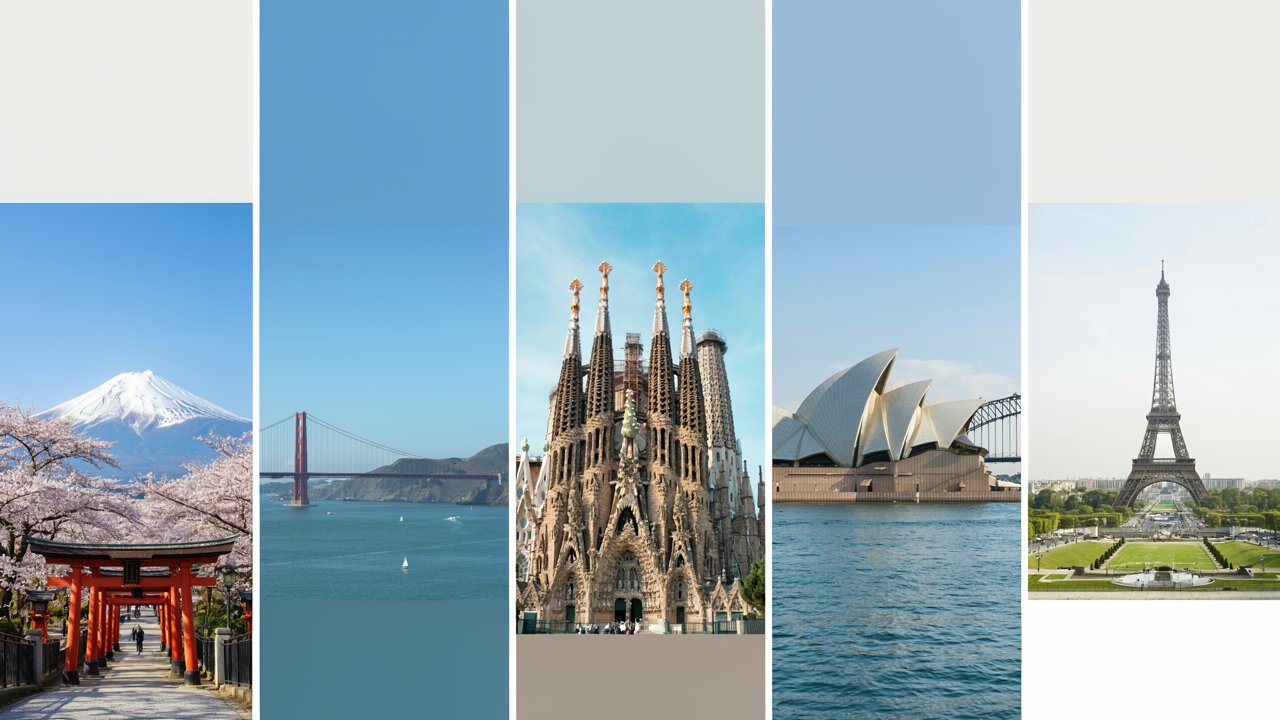
Image generated with Ai
Global travel in 2026 is no longer being shaped by famous landmarks alone. Countries are competing through faster transport, stronger tourism infrastructure, cultural experiences, natural attractions, digital services and increasingly diverse regional destinations. The leading economies reveal how this transformation is unfolding across Asia-Pacific, Europe and North America.
Japan, the United States, Spain, Australia and France occupy the five highest positions, while Germany, the United Kingdom, China, Switzerland and Italy complete the top ten. Each brings something different to international tourism, from Japan’s regional culture and rail connectivity to Australia’s extraordinary natural landscapes, Spain’s Mediterranean appeal and Switzerland’s celebrated scenic journeys.
For travellers, these positions provide a useful window into the destinations building some of the strongest conditions for tourism. They should not, however, be read simply as a contest over which country offers the “best” holiday. The ranking considers the wider environment supporting travel and tourism development.
What makes the 2026 picture particularly compelling is the variety within the leading group. Ancient heritage stands beside modern cities. Alpine landscapes compete for attention with tropical coastlines. Culinary traditions, museums, wildlife, beaches, historic towns, national parks and major urban gateways all contribute to the tourism mix.
Advertisement
Advertisement
Top 10 Global Travel and Tourism Economies in 2026
| Rank | Country | TTDI Score | Key Tourism Strength for Travellers |
|---|---|---|---|
| 1 | Japan | 5.27 | Culture, rail connectivity, regional destinations, cuisine and natural landscapes |
| 2 | United States | 5.23 | National parks, major cities, road trips, beaches and extensive domestic connectivity |
| 3 | Spain | 5.22 | Mediterranean coast, historic cities, islands, gastronomy and cultural heritage |
| 4 | Australia | 5.18 | Wildlife, beaches, Indigenous culture, nature and World Heritage experiences |
| 5 | France | 5.17 | Art, gastronomy, heritage, countryside, coastlines and globally recognised cities |
| 6 | Germany | 5.09 | Historic cities, castles, cultural attractions, rail travel and countryside |
| 7 | United Kingdom | 5.08 | Heritage, cities, countryside, coastline, culture and screen tourism |
| 8 | China | 5.00 | Ancient heritage, major cities, landscapes, cultural tourism and extensive transport networks |
| 9 | Switzerland | 4.97 | Alpine scenery, panoramic rail journeys, lakes, mountain resorts and outdoor tourism |
| 10 | Italy | 4.93 | Historic cities, UNESCO heritage, gastronomy, coastlines, countryside and art |
Japan Moves to the Front as Travellers Look Beyond the Famous Cities
Japan’s first-place position puts a spotlight on a tourism landscape extending far beyond Tokyo, Osaka and Kyoto.
The Japan National Tourism Organization promotes ten broad destination regions, ranging from snowy Hokkaido to subtropical Okinawa. Tohoku combines festivals, winter landscapes and orchards, while Hokuriku Shinetsu brings together mountains, coastal scenery, skiing, seafood and regional culture. Kyushu offers hot springs, volcanic landscapes and beaches.
Advertisement
Advertisement
This geographical depth matters. Japan can disperse tourism demand into regional areas while giving repeat visitors reasons to explore somewhere new. Its official tourism strategy increasingly encourages travellers to discover rural and lesser-known destinations responsibly.
For travellers, that means Japan’s tourism appeal no longer needs to revolve around one famous “golden route”. Rural Toyama, Nagano’s Kiso Valley, Kochi, Yamaguchi and other regional destinations can support slower and more immersive itineraries.
Advertisement
Advertisement
United States Combines Massive Domestic Demand With Extraordinary Geographic Variety
The United States holds second position. Its tourism strength comes from scale, connectivity, major commercial centres and an enormous domestic travel economy.
The 2026 index highlights the stabilising role of domestic tourism. Across the sector globally, domestic travel accounted for almost three-quarters of total travel and tourism spending in 2025. Large domestic markets such as the United States can therefore sustain accommodation, transport and visitor services even when international demand changes.
For leisure travellers, its geographic diversity remains exceptional. Official US tourism information spans mountains, beaches, wetlands, deserts and national parks, creating possibilities ranging from volcanic landscapes in Hawai‘i to desert environments in Arizona and remote wilderness in Michigan.
Spain Turns Coastlines, Cities and Culture Into a Complete Tourism Network
Spain stands third, only fractionally behind the United States.
Advertisement
Advertisement
Its tourism proposition stretches across globally recognised cities such as Madrid, Barcelona, Valencia, Seville, Málaga and Bilbao, while the Canary Islands and Balearic Islands provide powerful island alternatives. Spain’s official tourism platform also promotes art, culture, nature, gastronomy, wine, urban tourism and adventure travel as distinct reasons to visit.
Then there is the coastline. Spain has almost 8,000 kilometres of it, ranging from Mediterranean beaches to Atlantic shores, fishing communities, Balearic coves and volcanic beaches in the Canary Islands.
That breadth allows travellers to build very different Spanish holidays without leaving the country.
Australia Climbs Into Fourth With Nature at the Heart of Its Tourism Appeal
Australia occupies fourth place, placing it ahead of several long-established European tourism giants.
Its official tourism platform presents an unusually broad mixture of nature, culture, adventure, family travel, events, gastronomy and relaxation. Wildlife encounters, World Heritage areas, rainforest experiences, Tasmania walking routes, the Great Barrier Reef and Kangaroo Island illustrate how strongly nature shapes the Australian visitor economy.
Australia’s rise also reflects a wider regional change. Asia-Pacific recorded the largest regional improvement in the index between 2024 and 2026, with its average score increasing 3.6%.
Advertisement
Advertisement
This makes Australia part of a broader Asia-Pacific tourism acceleration rather than an isolated success story.
France Keeps Culture and Heritage at the Centre of Global Travel
France takes fifth place, supported by an extraordinary concentration of cultural assets and mature tourism infrastructure.
Paris remains a major gateway, but the French tourism proposition extends much further. The official Explore France platform highlights châteaux, museums, architecture, historic landmarks and destinations such as Mont-Saint-Michel while promoting regional experiences across the country.
France is also refreshing its visitor offer in 2026 through cultural programmes, sporting occasions, heritage experiences, hospitality openings and regional events. Normandy, for example, is using 2026 to mark a century of Claude Monet’s legacy through cultural programming.
Germany Shows Why Strong Infrastructure and Diverse Experiences Matter
Germany ranks sixth.
Its tourism appeal combines major cities with castles, cultural attractions, rivers, forests, hiking routes and extensive countryside experiences. Germany’s official tourism organisation positions cities and culture alongside nature, outdoor activity, royal palaces, castles and regional food experiences.
Advertisement
Advertisement
That balance mirrors an important finding in the global index. High-performing tourism economies tend to combine strong international connectivity and visitor services with cultural resources, commercial centres and effective ground transport.
For travellers, Germany can therefore function as both a city-break destination and a base for longer rail, river, countryside and heritage itineraries.
United Kingdom Builds Tourism Around Cities, Coast, Countryside and Screen Culture
The United Kingdom occupies seventh position.
Official tourism promotion stretches from London and Edinburgh to Belfast, Cardiff and regional destinations across England, Scotland, Wales and Northern Ireland. The offer includes heritage, national parks, coastlines, sporting culture, music, food and increasingly influential film and television tourism.
VisitBritain is placing particular emphasis on screen-related travel in 2026, alongside major sporting and cultural events. Visitors can combine globally recognisable cities with destinations such as the Lake District, Yorkshire Dales and coastal communities.
This diversity gives Britain an important advantage: travellers can move between urban culture and rural landscapes over relatively short distances.
Advertisement
Advertisement
China Emerges as the Only Non-High-Income Economy Inside the Top Ten
China stands eighth and is the only economy outside the high-income group among the ten highest-ranked destinations.
Its position reflects enormous cultural and natural resources alongside expanding transport and visitor infrastructure.
China is also developing new tourism experiences around heritage, cultural consumption and regional products. The Ministry of Culture and Tourism reported 325 million domestic trips during the 2026 May Day holiday, with domestic tourism spending reaching RMB185.492 billion. Museums, cultural venues, heritage experiences, festivals and technology-linked attractions all featured strongly.
China therefore combines immense domestic tourism demand with a growing push to improve experiences for international visitors.
Switzerland Makes the Journey Part of the Holiday
Switzerland ranks ninth, and few destinations demonstrate the relationship between transport and tourism as visibly.
The Grand Train Tour of Switzerland covers 1,280 kilometres across eight sections, passing 11 large lakes and five UNESCO World Heritage Sites while connecting the country’s four language regions.
Advertisement
Advertisement
Travellers can combine Zurich, Lucerne, Interlaken, Montreux, Zermatt, St Moritz, Lugano and other destinations through panoramic rail routes.
Beyond transport, Switzerland combines cities with Alpine landscapes, glaciers and celebrated mountains including the Matterhorn, Jungfrau region and Schilthorn.
Here, infrastructure does more than move tourists. It becomes part of the travel experience itself.
Italy Completes a Top Ten Rich in Heritage, Landscapes and Regional Identity
Italy takes tenth place.
Its strength comes from remarkable geographical and cultural variety. Official tourism information stretches from the Aosta Valley and Piedmont to Lombardy, Tuscany, southern coastal regions and Mediterranean islands.
Visitors can build journeys around cities, villages, mountains, lakes, beaches, thermal destinations, UNESCO sites, food and wine.
Advertisement
Advertisement
This regional diversity helps Italy remain relevant to different traveller segments, including cultural tourists, food travellers, outdoor visitors, luxury holidaymakers and people seeking slower countryside experiences.
Europe Still Dominates but Asia-Pacific Is Closing Ground
One of the most important stories behind the ranking is geographical.
Europe and Eurasia remain the strongest-performing region overall. Six of the ten leading economies are European: Spain, France, Germany, the United Kingdom, Switzerland and Italy.
However, Asia-Pacific recorded the strongest improvement between 2024 and 2026. Seven of the ten most-improved developing economies were in South-East or South Asia. Albania, meanwhile, recorded the largest overall improvement, with its index score rising 7%.
India also deserves attention outside the top ten. It climbed to 31st place. India’s government reported that foreign tourist visits reached 25.3 million in 2025, while foreign-exchange earnings from tourism reached ₹2,76,831 crore.
Frequently Asked Questions
1. Which economy ranks first for travel and tourism development in 2026?
Japan ranks first in the 2026 Travel & Tourism Development Index with a score of 5.27, ahead of the United States and Spain.
Advertisement
Advertisement
2. Which countries make up the 2026 top ten?
Japan, the United States, Spain, Australia, France, Germany, the United Kingdom, China, Switzerland and Italy occupy the first ten positions.
3. Does the index rank the world’s most beautiful countries?
No. It measures conditions supporting sustainable and resilient tourism development rather than judging scenery or personal holiday preferences.
4. How many economies were assessed?
The 2026 edition covers 110 economies.
5. Which region has the most countries in the top ten?
Europe has six: Spain, France, Germany, the United Kingdom, Switzerland and Italy.
6. Which destination improved most between 2024 and 2026?
Albania recorded the strongest overall improvement, increasing its TTDI score by 7%.
7. Is tourism becoming stronger globally?
The index indicates broad improvement. Some 101 of the 110 assessed economies, or 92%, increased their scores between 2024 and 2026.
Advertisement
Advertisement
A New Global Tourism Map Is Taking Shape
The 2026 results reveal a tourism sector moving beyond simple post-pandemic recovery. Japan now leads, the United States and Spain remain extremely close behind, Australia has strengthened its position, and Europe continues to command much of the upper tier.
Yet the deeper transformation lies beyond the headline positions.
Travellers are spreading towards regional destinations. Transport networks are becoming part of the experience. Cultural heritage is being combined with contemporary attractions. Sustainability, digital readiness, workforce capability and visitor management increasingly determine whether tourism growth can last.
For travellers planning journeys in 2026 and beyond, the top ten offers far more than ten famous countries. Together, Japan, the United States, Spain, Australia, France, Germany, the United Kingdom, China, Switzerland and Italy illustrate how the global tourism map is becoming broader, better connected and increasingly focused on what happens beyond the traditional tourist hotspots.
Advertisement
