

Shanghai Rises With Beijing and Others to Reinvent Revolutionary Travel as China Witnesses a Massive Domestic Shift Towards Red Tourism in 2026

Published
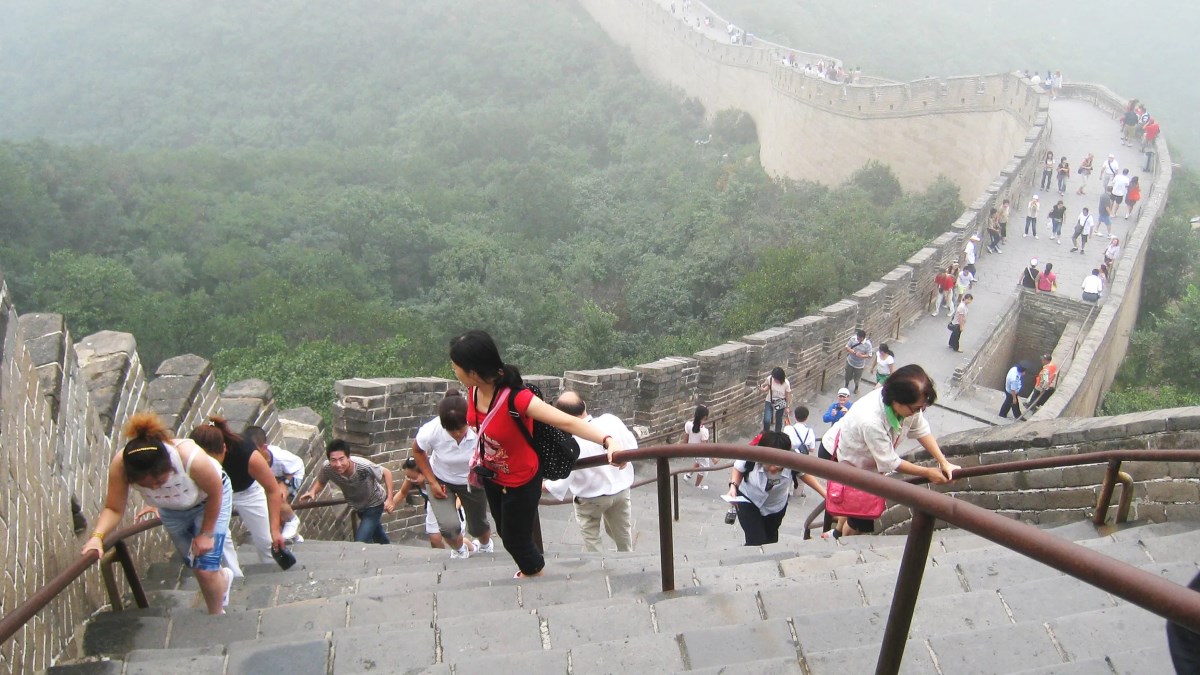
Shanghai rises with Beijing and others to reinvent revolutionary travel as China witnesses a massive domestic tourism shift towards Red Tourism in 2026, driven by immersive technology, heritage routes, study tours, rural experiences and interactive historical storytelling.
The wider domestic tourism environment is substantial. During the 2026 May Day holiday alone, China recorded 325 million domestic tourist trips, up 3.6% year on year, while domestic tourism expenditure reached 185.49 billion yuan, increasing 2.9%. The national market is also becoming more experiential, with immersive cultural attractions, technology-enabled tourism, performances and experience-based products gaining attention.
Red Tourism is positioned within this broader transformation. Rather than signalling that every Chinese traveller is abandoning conventional holidays for revolutionary destinations, the 2026 trend shows how historical tourism is being redesigned to compete for attention in a domestic market increasingly shaped by younger travellers, families and visitors seeking participation rather than passive sightseeing.
China’s tourism development strategy for the 2026–2030 period is also placing greater emphasis on the integration of culture and tourism, new tourism products, consumption growth and the development of a modern tourism system. Red Tourism fits naturally into this direction because it combines historical heritage with education, culture, destination development and visitor spending.
Advertisement
Advertisement
China’s Changing Red Tourism Landscape
| Destination | Core Historical Identity | New Tourism Format | Wider Economic Opportunity |
|---|---|---|---|
| Shanghai | Site associated with the founding of the CPC | Digital museums, VR, urban heritage routes | Hotels, restaurants, retail and city tourism |
| Beijing | Extensive revolutionary heritage network | Walking routes, study tourism, VR and integrated itineraries | Multi-site spending across the capital |
| Yan’an | Major revolutionary base after the Long March | Rural tourism, study trips and cultural experiences | Homestays, agriculture and local businesses |
| Jinggangshan | Early rural revolutionary base | Hiking, village tourism and experiential education | Rural revitalisation and nature tourism |
| Shaoshan | Birthplace of Mao Zedong | Family travel, memorial tourism and performances | Hospitality, food and organised tourism |
| Zunyi | Site of the 1935 Zunyi Conference | Immersive theatre and technology-led storytelling | Longer stays, entertainment and local spending |
Shanghai Brings Revolutionary Tourism Into the Digital City Break
Shanghai represents perhaps the clearest example of how Red Tourism is moving into a new generation.
The city is associated with the First National Congress of the Communist Party of China in 1921, giving Shanghai an important place in modern Chinese political history. Yet the experience of visiting revolutionary sites in Shanghai is fundamentally different from travelling to remote mountain bases or rural historical landscapes.
Advertisement
Advertisement
The Memorial Hall of the First National Congress of the CPC sits within one of China’s most dynamic urban tourism environments. Visitors can combine revolutionary history with architecture, restaurants, cafés, shopping, waterfront tourism and cultural districts.
Technology is helping the memorial reposition historical interpretation for a digitally accustomed audience. Immersive activities and virtual-reality experiences have been developed to bring historical narratives closer to younger visitors. Since the launch of its major centenary exhibition in 2021, the memorial had received more than 12 million visits by the end of 2025, including 3.23 million during 2025 alone. It also recorded approximately 100,000 foreign visitors in 2025, its highest international total to that point.
Why Shanghai’s Model Matters
- Revolutionary attractions sit inside a major leisure tourism district.
- Digital interpretation can appeal to younger travellers.
- Historical visits can be combined with dining, shopping and urban exploration.
- Independent travellers can include Red Tourism within a conventional Shanghai itinerary.
- Visitor expenditure can flow into businesses well beyond the memorial itself.
Shanghai therefore shows how revolutionary travel can become part of a modern city break rather than a standalone ideological itinerary.
That matters because Shanghai’s wider tourism economy is enormous. The city received 425 million tourist visits in 2025 and generated 672.37 billion yuan in tourism revenue. Its new five-year tourism strategy emphasises cultural-tourism integration, technology and diversified visitor experiences.
Red Tourism consequently operates within a much larger urban tourism machine.
Beijing Creates a 124-Site Red Tourism Network Across the Capital
Beijing is taking a fundamentally different approach by treating revolutionary heritage as an interconnected citywide network.
Advertisement
Advertisement
In July 2026, Beijing released a new Red Tourism map identifying 124 revolutionary tourism attractions and sites across the capital. These range from historic locations and memorial halls to museums and other destinations linked with modern Chinese history.
The map also identifies seven Red Tourism integration zones designed to connect revolutionary heritage with surrounding cultural and natural tourism resources.
This represents an important change in tourism design.
Instead of encouraging tourists to visit one major monument, Beijing can use themed routes to persuade travellers to move through multiple neighbourhoods, museums and historical districts.
Beijing’s Emerging Red Tourism Formula
- 124 mapped Red Tourism attractions
- Revolutionary heritage walking routes
- Museum and memorial visits
- Educational study programmes
- Family-oriented activities
- Digital interpretation
- Virtual-reality experiences
- Connections with natural and cultural attractions
- Multi-district tourism itineraries
The city is also responding to a wider shift towards immersive travel. Beijing tourism authorities have identified younger travellers, deeper exploration and experience-led tourism as increasingly important visitor trends.
That thinking is particularly relevant to Red Tourism. Younger visitors accustomed to interactive entertainment are less likely to be satisfied solely by static information boards. Walking trails, digital interpretation, experiential programmes and themed activities allow history to compete for attention alongside entertainment and lifestyle tourism.
Advertisement
Advertisement
Beijing’s enormous tourism economy provides an equally important context. The capital received around 380 million domestic tourist visits in 2025, up 4.4%, while domestic tourism spending reached approximately 665.37 billion yuan.
Red Tourism therefore does not need to dominate Beijing tourism to generate substantial economic impact. Even a relatively small share of such an enormous visitor economy can create considerable spending around museums, restaurants, transport and surrounding neighbourhoods.
Yan’an Turns Revolutionary History Into Rural Tourism Development
For Yan’an in Shaanxi Province, Red Tourism has a very different economic role.
The city became one of the most important revolutionary bases associated with the CPC after the Long March. Historical locations, former residences and revolutionary sites remain central to its tourism identity.
But Yan’an’s emerging tourism proposition increasingly extends into surrounding countryside.
Nanniwan, around 40 kilometres from Yan’an, provides an important example. The area has been integrating Red Tourism, study travel and modern agriculture, creating an experience in which historical education can be combined with countryside tourism.
Advertisement
Advertisement
Yan’an’s Tourism Transformation
| Traditional Tourism Element | Expanding Experience |
|---|---|
| Revolutionary memorials | Study tours |
| Historic cave dwellings | Rural accommodation |
| Former revolutionary sites | Agricultural experiences |
| Historical interpretation | Cultural performances |
| Organised educational visits | Local food and countryside tourism |
This model matters economically because rural tourism has a much wider supply chain than a museum.
Visitors may require accommodation, restaurants, transportation, guides, agricultural products and cultural activities. Spending can therefore reach villages and smaller businesses that might otherwise receive limited benefits from conventional tourism development.
For Yan’an, the ultimate objective is not simply attracting more visitors to revolutionary landmarks. It is extending visitor length of stay and expenditure into the surrounding region.
This helps turn revolutionary heritage into an instrument for broader destination development.
Jinggangshan Combines Revolutionary Heritage With Mountain Tourism
Jinggangshan in Jiangxi Province demonstrates another distinct model: the integration of revolutionary history with environmental and outdoor tourism.
The mountainous destination is closely associated with the early rural revolutionary movement. Yet its tourism value extends beyond historical significance because its forests, villages and mountain landscapes allow visitors to combine heritage with hiking and nature.
Advertisement
Advertisement
This creates a hybrid tourism economy.
A traveller interested primarily in history may extend the trip to explore mountain scenery. A nature traveller can encounter revolutionary heritage while visiting the area. Educational groups can combine historical interpretation with outdoor activities.
The surrounding villages can also benefit directly.
Shenshan Village has used its proximity to Jinggangshan’s scenic areas to develop cultural tourism routes and farm stays. Tourism has become part of the village’s rural development strategy, supported by improved services and local tourism organisation.
Jinggangshan’s Red Tourism Advantage
- Revolutionary history provides national recognition.
- Mountain landscapes strengthen leisure appeal.
- Hiking creates longer visitor itineraries.
- Villages can develop accommodation and catering.
- Agricultural products can reach tourism consumers.
- Educational programmes add another visitor segment.
This combination illustrates why Red Tourism can matter to rural economies.
Historical significance may motivate the journey, but nature, accommodation, food and experiences determine how much money remains in the destination.
Advertisement
Advertisement
Jinggangshan is therefore not simply selling revolutionary history. It is using history as the gateway to a much broader mountain tourism economy.
Shaoshan Builds a High-Volume Tourism Economy Around Mao’s Birthplace
Shaoshan in Hunan Province represents another form of revolutionary travel.
As the birthplace of Mao Zedong, the city functions primarily as a destination connected with biography, memory and historical symbolism rather than battlefield tourism.
Mao’s former residence and related heritage attractions form the core visitor experience, but Shaoshan has developed a broader hospitality economy around them.
Families, student groups and organised tours provide substantial visitor demand. Restaurants, hotels, transport providers and cultural businesses subsequently benefit from the traffic.
Food is particularly significant.
Advertisement
Advertisement
Hunan cuisine gives Shaoshan an opportunity to connect local dining with the historical identity of the destination. Restaurants can therefore become part of the tourism experience rather than simply serving as supporting infrastructure.
How Shaoshan Converts History Into Tourism Spending
- Memorial and heritage visits
- Family tourism
- Student and educational groups
- Cultural performances
- Local Hunan cuisine
- Hotels and organised accommodation
- Tourism retail
- Ground transportation
This is particularly important for a smaller city.
Unlike Shanghai or Beijing, Shaoshan cannot depend on a huge range of unrelated international attractions. Its revolutionary heritage acts as the destination’s principal tourism magnet.
The economic challenge is therefore to turn high visitor numbers into longer stays and greater local expenditure rather than allowing tourism to become dominated by short day trips.
Zunyi Makes Revolutionary History Spectacular Through Immersive Theatre
While Shanghai is advancing digital museum experiences, Zunyi in Guizhou Province is taking Red Tourism towards large-scale immersive entertainment.
Zunyi is associated with the 1935 Zunyi Conference, a major episode during the Long March and an important moment in the history of CPC leadership.
Advertisement
Advertisement
Traditional historical locations remain central to the tourism offer, but new theatrical experiences are dramatically changing the presentation of revolutionary history.
A major Long March-themed production uses advanced stage technology, a 360-degree rotating stage and approximately one million litres of water to recreate scenes connected with episodes such as the Four Crossings of the Chishui River.
By September 2026, the production had been staged more than 2,000 times and attracted more than 800,000 visits.
Zunyi’s Immersive Red Tourism Model
| Feature | Visitor Experience |
|---|---|
| Historic conference sites | Traditional heritage tourism |
| Rotating theatre stage | Large-scale visual storytelling |
| Water effects | Immersive battle reconstruction |
| Loushanguan experience | Historical battlefield tourism |
| Audience participation | Greater visitor involvement |
| Technology | Younger and experience-driven appeal |
Zunyi therefore demonstrates one of the most striking changes taking place within Red Tourism.
History is increasingly being presented through techniques associated with immersive theatre and destination entertainment.
From an economic perspective, performances can encourage tourists to remain overnight rather than simply stopping for several hours.
Advertisement
Advertisement
That can increase expenditure on hotels, restaurants, transport and evening entertainment.
Yet this approach also introduces an important responsibility. The more dramatically historical events are reconstructed, the more essential it becomes to maintain a clear distinction between documented history and theatrical interpretation.
Why Younger Chinese Travellers Are Changing Red Tourism
The transformation across these destinations reflects a larger shift in China’s domestic tourism behaviour.
Visitors increasingly expect to participate.
A historical attraction competing with theme parks, digital entertainment, concerts, cultural districts and social-media-driven travel experiences must offer more than objects behind glass.
This is encouraging Red Tourism destinations to introduce:
Advertisement
Advertisement
- Virtual reality
- Augmented and digital interpretation
- Immersive theatrical performances
- Historical city walks
- Outdoor hiking routes
- Study tourism
- Family learning programmes
- Rural experiences
- Cultural performances
- Local food experiences
- Interactive museum activities
China’s broader tourism market is moving in the same direction. During the 2026 May Day period, national tourism authorities highlighted immersive cultural experiences, technology-enabled tourism and experience-based consumption as important features of the holiday market.
Red Tourism is therefore adapting to a tourism economy in which visitors increasingly expect education and entertainment to coexist.
Red Tourism Creates a Wider Economic Chain
One reason Red Tourism remains strategically important is its ability to distribute economic activity beyond conventional tourist centres.
The benefits can reach:
- Hotels and homestays
- Restaurants
- Railway and road transport
- Local tour operators
- Museums
- Cultural performers
- Guides
- Retail businesses
- Agricultural producers
- Handicraft makers
- Rural communities
- Digital and theatrical production companies
A museum ticket represents only one component of tourism expenditure.
A visitor who stays two nights, attends an evening performance, eats locally, purchases regional products and explores surrounding villages creates a significantly larger economic footprint.
Advertisement
Advertisement
That is why immersive and multi-day Red Tourism itineraries have economic significance.
China’s Red Tourism Shift Is Really a Shift From Watching to Experiencing
The most important development in 2026 is not simply that more people are interested in revolutionary heritage. It is how that heritage is being consumed.
Shanghai is integrating revolutionary history into a technologically sophisticated urban tourism environment.
Beijing is linking 124 sites into a citywide tourism network.
Yan’an is combining revolutionary heritage with study tourism and rural development.
Jinggangshan is merging historical landscapes with mountain and village tourism.
Advertisement
Advertisement
Shaoshan is building a family and educational visitor economy around Mao’s birthplace.
Zunyi is transforming Long March history through immersive theatre and technology.
Six Destinations, Six Different Red Tourism Strategies
| City/Destination | Defining Strategy |
|---|---|
| Shanghai | Digital urban Red Tourism |
| Beijing | Networked citywide heritage tourism |
| Yan’an | Red Tourism plus rural development |
| Jinggangshan | Revolutionary history plus eco-tourism |
| Shaoshan | Biographical and family heritage tourism |
| Zunyi | Technology and immersive theatre |
Together they show that China does not have one Red Tourism model.
Instead, destinations are adapting revolutionary heritage to their geography, infrastructure, visitor profile and economic needs.
Red Tourism Becomes Part of China’s New Domestic Travel Economy
China’s Red Tourism evolution in 2026 ultimately reflects a much broader transformation within the country’s domestic travel market.
Tourists increasingly want experiences that combine history with entertainment, nature, food, technology and participation. Destinations that once depended heavily on conventional memorial tourism are responding by building multi-layered tourism economies around revolutionary heritage.
Advertisement
Advertisement
For Shanghai and Beijing, that means integrating Red Tourism into enormous metropolitan visitor economies. For Yan’an, Jinggangshan and Shaoshan, it can mean directing tourism expenditure towards smaller communities and local businesses. For Zunyi, it means using technology and theatre to encourage visitors to remain longer and experience history differently.
The opportunity is considerable, but so is the responsibility.
Red Tourism deals with politically and historically significant events. As attractions become increasingly theatrical, interactive and commercially sophisticated, credible interpretation becomes essential. Entertainment can make history accessible, but it should not obscure the distinction between historical evidence and dramatic reconstruction.
What is emerging in 2026 is therefore more significant than a simple increase in visits to revolutionary landmarks.
China is developing a new generation of experiential Red Tourism, where memorials become starting points for city walks, mountains become historical classrooms, villages become tourism economies and digital technology places younger visitors inside reconstructed versions of the past.
Shanghai may represent its most urban and technologically advanced face, but Beijing, Yan’an, Jinggangshan, Shaoshan and Zunyi demonstrate how widely the model can be adapted.
Advertisement
Advertisement
The result is a distinctive shift within Chinese domestic tourism: revolutionary travel is moving from passive observation towards participation, immersion and destination-wide economic activity, giving Red Tourism a potentially larger role in China’s rapidly evolving tourism economy.
Shanghai rises with Beijing and others to reinvent revolutionary travel as China witnesses a massive domestic tourism shift towards Red Tourism in 2026, driven by immersive tech, heritage routes, study tours and interactive experiences.
In conclusion, Shanghai rises with Beijing and others to reinvent revolutionary travel as China witnesses a massive domestic tourism shift towards Red Tourism in 2026, driven by immersive technology, heritage routes, study tours, rural experiences and interactive storytelling that turn historical sites into broader visitor economies.
Advertisement
