
Mississippi Luxury Stays Surge As Emerging Young High-Earners Trade Material Prestige For Soulful Travel

Published
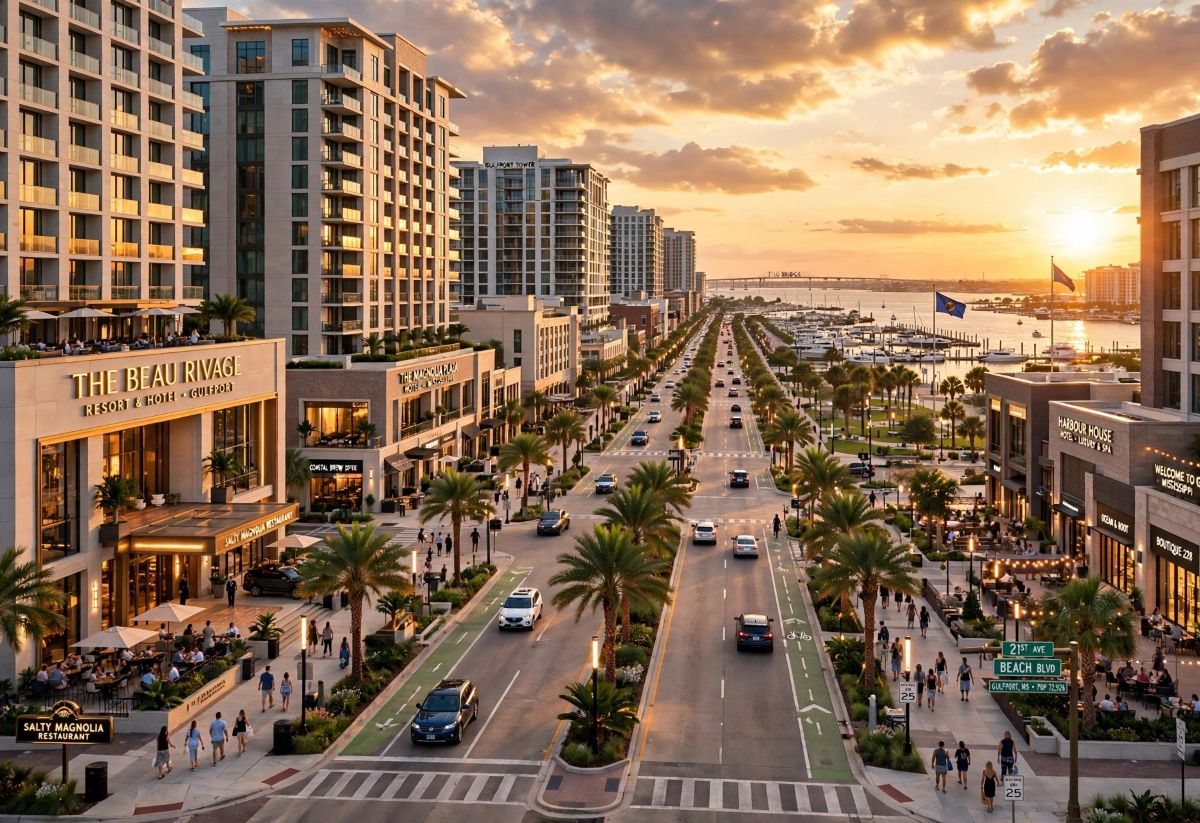
There is an important change in how we experience the world that is subtle and hard to notice. Something that happened in Summer 2026 shows that the times have changed and the era of people flaunting their wealth through status and luxury will continue to fade. Transcending generations Z and millennials value and spend their resources on meaningful things like mental and physical wellbeing as well as on experiential purchases. Sloth like vacations that used to be a bore and predictable now require vacations to be novel and offer opportunities for guests to escape and de-stress. From the Delta to the Mississippi coast, this emotional shift goes beyond a passing trend. The goal is to provide guests with a sense of wholeness rather than just having luxury amenities. As younger travelers continue to redefine what luxury means, hotels and restaurants are providing experiences that are harvest to table and providing a peaceful and relaxed environment.
The Mississippi Luxury Hotel Market Enters a New Era as Gen Z and Millennials Replace Status Goods With Experiential Travel
Advertisement
Advertisement
An extraordinary transformation occurred as the Mississippi luxury hotel market enters a new era as Gen Z and Millennials replace status goods with experiential travel across every regional sector. Consequently, younger affluent individuals actively reorganized their discretionary spending habits during the summer season of 2026. Rather than purchasing tangible luxury items, these travelers invested heavily in memorable journeys, historical exploration, and personal well-being. Therefore, this demographic evolution holds major implications for global tourism markets as destinations worldwide adjust their marketing models to attract guests who prioritize personal growth over material accumulation.
Furthermore, as digital discovery engines and mobile convenience continue to dictate travel choices, hotel operators across the globe must modernize their infrastructure to deliver authentic, highly tailored experiences. Wealthy visitors arriving in Biloxi, Ocean Springs, and Bay St. Louis demonstrated a clear preference for holistic spa treatments and outdoor eco-adventures over traditional gaming options. Beyond coastal regions, cultural destinations experienced unprecedented interest from travelers seeking meaningful immersion along the legendary Mississippi Delta and within the literary ambiance of Oxford.
Advertisement
Advertisement
Strategic Imperatives and Forward-Looking Actions for Hospitality Operators Across the Global Tourism Landscape
To successfully capture this evolving market share, global accommodation managers must immediately replace standardized hotel offerings with authentic local storytelling and immersive regional programming. Establishing active partnerships with local craftspeople, regional historians, and independent culinary artists allows accommodation providers to secure higher overall guest expenditures while delivering deeply personal, highly memorable guest stays that resonate across modern demographics.
Advertisement
Advertisement
Additionally, integrating comprehensive wellness programs, health-focused options, and eco-friendly infrastructure has evolved from a niche preference into a fundamental, non-negotiable expectation for modern travelers worldwide. Hospitality operators must also implement direct mobile booking capabilities, friction-free social media interfaces, and advanced artificial intelligence planning tools to effectively reach and engage tech-savvy travelers before they arrive at their destinations.
Cultural Heritage and Literary Immersion Driving Maximum Occupancy Across the Historic Mississippi Delta and Oxford Regions
Advertisement
Advertisement
In the legendary Mississippi Delta and the celebrated literary hub of Oxford, customized itineraries and localized cultural journeys drove maximum occupancy rates throughout the summer season. Specialized excursions featuring the historic Mississippi Blues Trail, exclusive farm-to-table stays, and immersive literary heritage walks drew consistent crowds of affluent visitors who prioritized educational and creative enrichment over standard tourist activities.
Furthermore, these heritage-driven travel patterns reflect a broader global desire among modern tourists to connect with the authentic roots of the regions they visit. By offering hyper-local gastronomy, tailored storytelling, and intimate boutique accommodations, operators in Oxford and the Mississippi Delta successfully positioned their destinations as essential cultural retreats for high-earning, experience-focused travelers.
Coastal Evolution and Wellness Innovations Across Ocean Springs, Biloxi, and Bay St. Louis Destinations
Along the scenic coastal stretches of Ocean Springs, Biloxi, and Bay St. Louis, upscale coastal resorts recorded rising interest in holistic wellness amenities, ecological water excursions, and chef-crafted regional dining rather than traditional entertainment options. This shift forced coastal properties to reevaluate their primary attractions, pivoting toward sustainable outdoor activities, tranquil spa environments, and locally sourced culinary programming.
Advertisement
Advertisement
Furthermore, the continuing rise of flexible, remote work arrangements enabled these visitors to extend standard weekend leisure trips into extended mid-week business-leisure stays. This behavioral trend significantly raised mid-week revenue per available room across high-end boutique properties, offering a highly profitable framework for coastal destinations globally seeking to reduce seasonal volatility and maximize weekday occupancy.
Detailed Economic Performance Metrics Across Hinds County and Jackson’s Flourishing Capital District Hubs
Statistical evaluations from the capital district revealed that direct visitor expenditures reached an impressive $1.3 billion across Jackson and Hinds County. Within this substantial economic total, overnight lodging accounted for $166 million, whereas local dining, entertainment, and recreational activities surpassed $475 million in revenue generated during the peak season.
- Jackson and Hinds County direct visitor expenditure: $1.3 billion total spending
- Regional dining, entertainment, and recreational revenue: $475 million total spending
- Overnight lodging expenditure: $166 million total spending
Premium visitors frequenting the capital district focused heavily on visiting historic landmarks, exploring regional culinary offerings, and staying in restored downtown boutique lodgings. The strong economic performance of Jackson highlights how capital cities can successfully leverage their civil rights history and culinary heritage to attract high-spending, culturally minded tourists.
Demographic Pivots and Advanced Digital Discovery Engines Transforming Modern Luxury Consumer Expectations Everywhere
Industry researchers noted that high-earning younger demographics actively sought experience-rich capital to define their personal identities and social presence. Consequently, standard luxury accommodations gave way to independent boutique spaces, historical property renovations, and ecologically conscious venues that offered highly customized wellness options and unique architectural character.
Advertisement
Advertisement
Furthermore, digital planning tools fundamentally altered how journeys were researched, structured, and booked across the global marketplace:
- Over 60% of younger demographic cohorts utilized artificial intelligence platforms for initial trip planning and itinerary creation.
- Social media channels directly influenced and directed more than 50% of ultimate destination choices and hotel selections.
This profound reliance on digital discovery engines underscores the vital necessity for modern hospitality providers to maintain strong, highly interactive, and visually compelling digital presences across all consumer-facing platforms.
Global Tourism Operational Shifts Reshaping International Visitor Expectations and Spending Behaviors Worldwide
The behavioral pivot demonstrated across Mississippi exerts a transformative influence on global tourism operations far beyond North American borders. Hospitality providers across the globe must rapidly adapt to an emerging generation of consumers who consistently value experiential memory and personal transformation over material possessions and legacy status symbols.
Consequently, international destinations are observing these dynamic shifts closely as digital discovery tools continue reshaping guest expectations around the world. Destinations that fail to offer authentic cultural connections, sustainable practices, and seamless digital booking environments risk losing market relevance to forward-thinking regions that prioritize holistic, immersive, and eco-conscious travel experiences.
Expanding Health-Conscious Travel Through Zero-Proof Mixology and Local Culinary Immersion
Advertisement
Advertisement
The rapid growth of health-conscious travel has established low-alcohol and zero-proof beverage options alongside organic, farm-to-table dining as vital pillars of modern luxury hospitality. High-earning younger cohorts expect fine dining options to reflect personal longevity goals, demanding menus that blend regional agricultural heritage with functional nutrition.
In regional metropolitan centers such as Jackson and Hinds County, spending on food, beverages, and recreational pursuits drives over $475 million in direct visitor expenditures. Boutique accommodations situated in culinary hubs like Oxford and the Mississippi Delta capture significantly higher guest spending by featuring farm-stay dining concepts, hyper-local gastronomy, and sophisticated alcohol-free mixology offerings tailored specifically for wellness-oriented guests. This local momentum mirrors broader economic trends, as global travel and tourism GDP contribution continues to expand at a rate of 4.1% YoY, consistently outpacing the broader global economy.
Integrating Circadian Design and Recovery Therapies into High-End Lodging Infrastructure
Luxury hospitality has expanded well beyond traditional spa facilities to incorporate specialized longevity programming within individual guest quarters. Modern affluent travelers frequently require lodgings furnished with sleep-optimization technology, circadian-responsive illumination, biophilic architecture, and integrated recovery systems.
Along coastal destinations such as Biloxi, Ocean Springs, and Bay St. Louis, luxury resorts are expanding beyond standard casino floors to build comprehensive wellness infrastructure. Coastal hospitality operators report elevated occupancy rates by offering private recovery suites, cold-plunge pools, and acoustic sound-isolation finishes engineered for health-driven visitors. These localized developments coincide with a rapidly expanding global luxury hotel market projected to reach $150 billion in 2026, forming a substantial segment of the broader $1.6 trillion global luxury travel ecosystem.
Capitalizing on Flexible Work Structures Through Extended Business and Leisure Stays
Advertisement
Advertisement
The widespread adoption of remote work policies among younger corporate professionals has fueled the expansion of blended business-leisure travel, commonly referred to as “bleisure.” Across Mississippi, remote workers regularly extend standard weekend visits into mid-week stays, effectively blending professional tasks with leisure experiences.
In coastal communities like Ocean Springs and Bay St. Louis, as well as academic centers such as Oxford, this behavioral shift has significantly strengthened mid-week revenue per available room. By deploying high-speed digital infrastructure, co-working lounges, and tranquil boutique working spaces, properties maintain steady occupancy throughout the week rather than experiencing dramatic fluctuations outside weekend peaks. On average, visitors contribute $31.6 million in daily spending across Mississippi destinations, supported by a visitor ratio where approximately 44 million annual out-of-state travelers visit relative to Mississippi’s resident population of 2.9 million, representing a fifteen-to-one ratio.
Leveraging AI Planning Tools and Direct-Booking Channels for Modern Guest Acquisition
The digital pathway for luxury hotel bookings has undergone a complete structural transformation. Currently, over 60% of younger travelers utilize artificial intelligence tools to curate personalized travel itineraries. Furthermore, 26% of travelers initiate destination searches directly through online travel agencies, compared to 21% who begin on traditional search engines.
However, a critical trend reveals that 18% of consumers who research options on third-party agencies ultimately convert their reservations directly on official property websites to access personalized services and exclusive perks. To capture this tech-driven market share, Mississippi lodging operators are modernizing their digital ecosystems. By embedding artificial intelligence concierges, mobile check-in capabilities, and seamless direct-booking interfaces, boutique hotels across Jackson, Biloxi, and Oxford successfully convert digital engagement into direct bookings.
Driving Local Economic Growth Through Heritage Immersion and Literary Tourism
Advertisement
Advertisement
Modern high-spending travelers actively seek narrative-driven itineraries that offer direct engagement with local history, literature, and regional arts. Generic resort activities are increasingly replaced by curated excursions, including private guided tours along the Mississippi Blues Trail, civil rights historical walks in Jackson, and literary stays in Oxford.
During the summer months spanning June 2026 through August 2026, cultural tourism serves as a major driver for historic and rural communities across the Mississippi Delta. Specialized boutique lodgings that partner directly with local musicians, historians, and storytellers secure a larger share of guest spending by delivering authentic regional experiences. This cultural interest contributes substantially to the $1.3 billion in total annual visitor spending recorded across Jackson and Hinds County, where lodging expenditures alone account for $166 million.
Sustainable Coastal Tourism and Ecological Excursions Along the Gulf Coast
Environmental sustainability has transitioned from an optional amenity to a core baseline requirement for younger luxury travelers. Accommodations along the Mississippi Gulf Coast—including Biloxi, Ocean Springs, and Bay St. Louis are responding by integrating energy-efficient building systems, eco-friendly architectural materials, and low-impact coastal recreational programs.
Travelers visiting coastal Mississippi routinely seek out marine conservation excursions, marsh kayaking, and sustainable seafood dining options. Luxury operators that implement rigorous environmental practices and eliminate single-use plastics generate higher repeat visitation rates among eco-conscious guests. Across the state, travel and tourism activities generate $2.2 billion in total government tax revenues, with direct visitor spending contributing $1.1 billion in state and local tax receipts.
Elevating Guest Engagement Through Sensory Design and Hyper-Personalized Hospitality
Advertisement
Advertisement
Affluent travelers expect highly customized hospitality environments that anticipate individual preferences, ranging from tailored atmospheric lighting and climate controls to personalized dietary menus. Alongside digital integration, boutique properties are prioritizing sensory design by employing natural scents, sound-dampening layouts, and organic textiles to create restorative environments.
In competitive hospitality hubs such as Jackson, Oxford, and Biloxi, independent properties routinely outperform standardized chain hotels by offering distinctive sensory atmospheres. By focusing on hyper-local aesthetic details, tailored guest recognition, and specialized amenities, independent hotel operators cultivate strong brand loyalty among premium guests. Globally, the top 2% of highly engaged luxury consumers generate approximately 45% of premium travel brand revenues, while locally, the hospitality and tourism sector supports 1 in 13 jobs across Mississippi.
The Final Verdict
The travel patterns of Mississippians indicate a paradigm shift within the heart that far outlasts changes in travel statistics and room prices. The strong desire to amass material possessions is shifting towards a deep yearning for real belonging and lasting peace and fulfillment. From the Mississippi Gulf Coast to the Mississippi Delta, from Jackson to Oxford and the rest of Mississippi, people are choosing experiences that actually last over the long-term, over the short-term investments in the rest of their lives. Gen Z and Millennials are recasting what they consider the good life. For this generation, luxury isn’t clothing and accessories with fancy labels. Luxury is the spirit that stays with you. Mississippi’s hospitality sector is demonstrating that true luxury is an experience that stays with you the way material possessions cannot. The hospitality sector is developing experiences that will last forever.
Advertisement
