
International Travel Visa Changes 2026 Set To Transform How Millions Travel As New Rules Reshape 2027 Journeys

Published
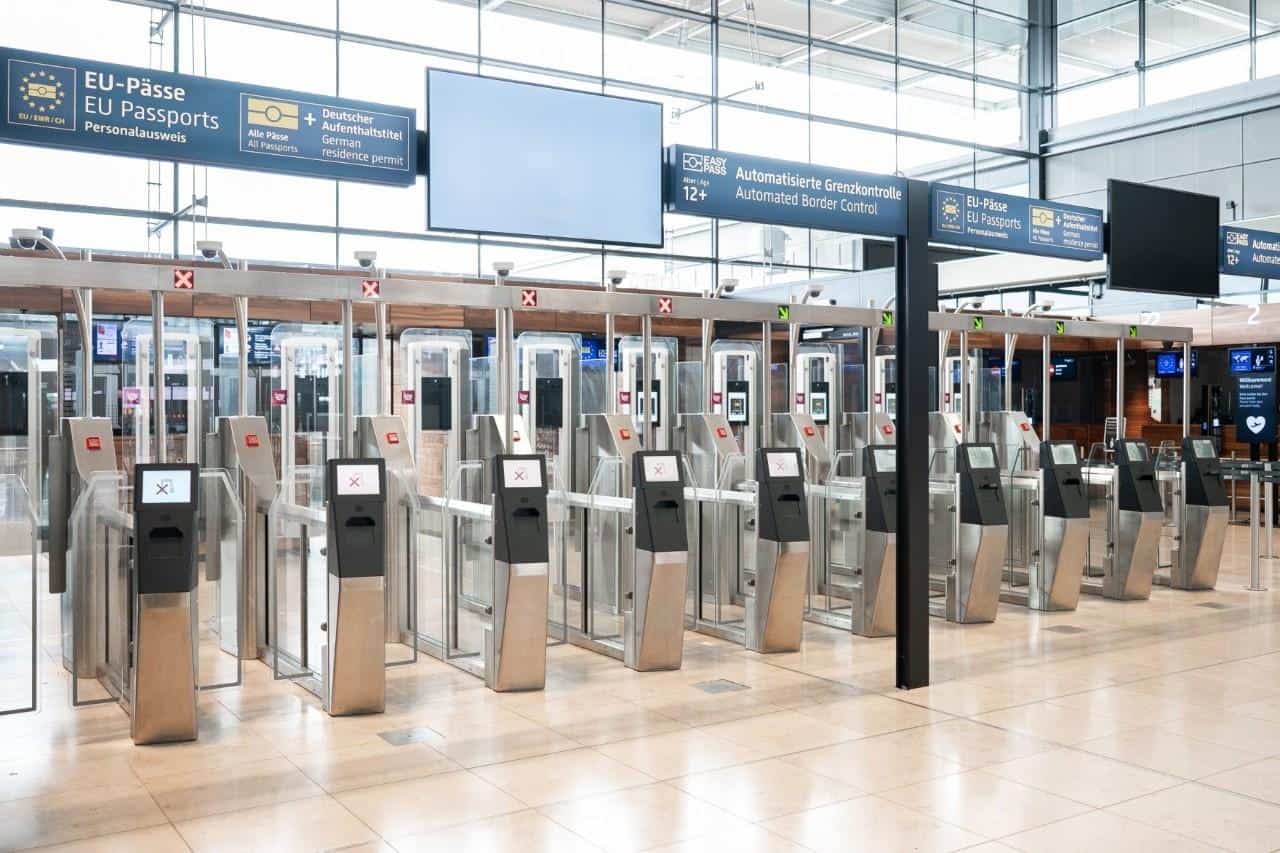
New legislation surrounding the International Travel Visa Changes 2026 will introduce new digital entry management systems, biometric checks, visitor requirements, and changes to immigration processes due to the increased volume of visitors and the need for enhanced security. This will impact the way millions of people will travel in 2027. Many governments in Europe, Asia, North America and the Middle East are digitizing and simplifying their immigration processes. Many countries in the EU, UK, Thailand, Japan, and China will have new travel-related laws. These changes will mean more preparation on the traveller’s part. They will need to complete new sets of online processes, and learn about new requirements for travel much earlier than before.
Global Travel Enters A New Visa Era As Digital Borders Expand
International travel is moving into a new phase where traditional passport checks are increasingly being replaced by digital systems, online authorisations and biometric verification.
The biggest shift is not the complete replacement of visas but the expansion of electronic travel authorisations, automated border systems and pre-travel screening.
Governments say these systems aim to improve border security while creating smoother travel experiences.
Advertisement
Advertisement
For travellers, the change means that a passport alone may no longer be enough for some destinations. Visitors who previously travelled without a visa may soon need additional online approval before boarding flights.
The aviation and tourism industries are closely watching these developments because entry rules directly influence booking behaviour, airport operations and international visitor flows.
Advertisement
Advertisement
According to the European Union, the upcoming European Travel Information and Authorisation System (ETIAS) will require visa-exempt travellers to obtain authorisation before travelling to participating European countries. (Travel Europe)
Europe Leads The Global Shift With Biometric Borders And ETIAS
European Union Entry Rules Move Towards Digital Screening
Europe is introducing one of the biggest changes in international travel through the combination of the Entry/Exit System (EES) and ETIAS.
The EES introduces automated recording of non-EU travellers entering and leaving the Schengen Area.
Instead of traditional passport stamps, border authorities will record:
- passport details
- entry and exit dates
- biometric information
- facial images and fingerprints
The system is designed to modernise border management and improve tracking of short-stay visitors.
The European Commission’s official ETIAS platform states that the system will apply to visa-exempt travellers visiting 30 European countries for short stays. (Travel Europe)
Advertisement
Advertisement
ETIAS Will Add A New Step For Visa-Free Travellers
ETIAS is expected to begin operations in the final quarter of 2026.
The system will affect travellers from countries that currently do not require a Schengen visa, including many visitors from:
- United Kingdom
- United States
- Canada
- Australia
- Japan
Travellers will need to complete an online application before travelling.
The approval will be electronically linked to their passport.
For tourism businesses, the introduction of ETIAS represents a major communication challenge because millions of holidaymakers will need awareness before booking flights.
Airlines, travel agencies and hotels are expected to provide more guidance to customers as the system becomes operational.
Advertisement
Advertisement
United Kingdom Expands Electronic Travel Authorisation System
The United Kingdom is also moving towards a fully digital border system through its Electronic Travel Authorisation (ETA) programme.
The ETA requires eligible visa-exempt visitors to obtain permission before travelling to the UK.
The system applies to travellers visiting for:
- tourism
- business trips
- short visits
- transit where border control is required
The UK government introduced ETA as part of its wider plan to create a digital immigration system.
The change means travellers who previously entered using only their passport will need to complete an online process before departure.
For airlines, this creates additional responsibility because carriers must check traveller authorisation before boarding.
Advertisement
Advertisement
The change also affects tourism planning because visitors need to complete requirements before arriving at airports.
Asia Introduces New Visitor Rules As Countries Compete For Tourists
Asia is becoming one of the most active regions for visa reform as governments balance tourism growth with border management.
Countries are adjusting policies to attract visitors while improving digital monitoring.
Thailand Updates Travel Access Rules For International Visitors
Thailand remains one of the world’s most visited tourism destinations, attracting millions of international travellers every year.
The country has used visa reforms as part of its strategy to strengthen tourism recovery and improve visitor access.
Changes to visa-free arrangements and stay periods are important because Thailand attracts:
Advertisement
Advertisement
- leisure tourists
- long-stay visitors
- digital nomads
- business travellers
The impact is significant for airlines, hotels and tour operators because visa conditions often influence how long visitors stay and how they plan their trips.
Travellers visiting Thailand in 2026 and beyond will need to check the latest official entry requirements before departure.
Japan Changes Visitor Procedures As Tourism Demand Grows
Japan is experiencing strong international tourism demand and continues updating procedures for foreign visitors.
The country has focused on improving border management while supporting tourism growth.
Recent discussions around visitor procedures include changes affecting travellers who require visas and future digital entry systems.
Japan’s tourism expansion has increased pressure on immigration services, airports and popular destinations.
Advertisement
Advertisement
The government has continued investing in tourism infrastructure, regional destination development and visitor management.
For travellers, checking official immigration guidance before visiting Japan remains essential because requirements depend on nationality and travel purpose.
China Expands Visa Facilitation To Encourage International Tourism
China has continued introducing visa facilitation measures to encourage more international visitors.
The country has expanded visa-free access arrangements with selected nations as part of efforts to support tourism and international exchanges.
Visa policy has become an important tool in restoring inbound tourism.
Easier entry procedures can influence:
Advertisement
Advertisement
- airline route recovery
- hotel demand
- business travel
- cultural tourism
China’s approach reflects a wider global trend where governments are using visa policies to compete for international visitors.
North America Updates Travel Systems For Future Mobility
Canada Focuses On Digital Immigration Processing
Canada continues improving digital immigration and visitor processing systems.
The country manages millions of international arrivals every year, including:
- tourists
- students
- workers
- business visitors
Digital processing improvements are designed to make applications more efficient while maintaining security checks.
For tourism, immigration efficiency plays an important role in traveller confidence.
Visitors often consider visa processing speed and clarity before choosing destinations.
Advertisement
Advertisement
United States Maintains Strict Entry Screening
The United States continues operating one of the world’s most detailed visitor screening systems.
Travellers remain focused on:
- visa appointment availability
- documentation requirements
- electronic travel authorisation rules
- entry procedures
The US remains a major tourism market, and changes in entry procedures can influence international visitor numbers.
Airlines and travel companies closely monitor US immigration policies because of the country’s importance in global travel networks.
Middle East Visa Changes Drive New Tourism Competition
The Middle East is becoming one of the world’s fastest-growing tourism regions, with governments using easier entry policies, digital visa systems and longer stay options to attract international visitors.
Countries across the Gulf are investing heavily in tourism infrastructure, including airports, resorts, cultural attractions and entertainment destinations.
Advertisement
Advertisement
Visa accessibility has become a key part of these strategies because easier entry can encourage more leisure travellers, business visitors and long-stay guests.
Saudi Arabia Expands Tourism Access Through Digital Visa Systems
Saudi Arabia has transformed its tourism entry framework in recent years through electronic visas and simplified visitor procedures.
The country introduced the tourist eVisa system to encourage international arrivals and support the goals of Saudi Vision 2030, which aims to increase tourism’s contribution to the national economy.
The Saudi eVisa programme allows eligible visitors to apply online before travelling.
The system supports tourism growth across destinations including:
- Riyadh
- Jeddah
- AlUla
- Red Sea tourism developments
Saudi Arabia continues developing tourism infrastructure as it targets a larger share of global visitor demand.
Advertisement
Advertisement
For travellers, digital visa access has reduced traditional paperwork and created easier planning options.
Official information about Saudi tourism visas is provided through the Saudi Ministry of Tourism and its official visa platforms.
United Arab Emirates Strengthens Digital Entry And Residency Options
The United Arab Emirates continues updating its visa framework as it expands its position as a global tourism and business hub.
Dubai and Abu Dhabi attract millions of international visitors every year, supported by major aviation networks and hospitality investment.
The UAE has introduced several visa categories, including:
- tourist visas
- multiple-entry visas
- long-term residency options
- specialised permits
These programmes support tourism, business travel and international investment.
Advertisement
Advertisement
The UAE’s visa policies are closely connected with its wider tourism strategy, which focuses on increasing international arrivals and extending visitor stays.
Africa Introduces Easier Travel Access To Support Tourism Growth
African countries are increasingly focusing on visa reforms to improve international connectivity and attract more visitors.
Tourism authorities across the continent have identified visa accessibility as a major factor affecting visitor growth.
Long visa processes have historically been considered a challenge for some destinations.
Governments are now introducing:
- eVisa platforms
- visa-on-arrival programmes
- regional travel agreements
- digital immigration systems
These changes aim to improve Africa’s competitiveness in the global tourism market.
Advertisement
Advertisement
Morocco Strengthens Tourism Growth Through Visitor Access
Morocco has become one of Africa’s leading tourism destinations, attracting visitors with cultural heritage, coastal experiences and desert tourism.
The country has focused on improving tourism infrastructure, airport capacity and international connectivity.
Visa policies remain an important part of Morocco’s tourism strategy because easier access supports international visitor growth.
The government continues promoting:
- cultural tourism
- sustainable tourism
- regional destinations
- international events
Morocco’s tourism performance demonstrates how travel accessibility and destination investment work together.
Kenya Expands Digital Travel Authorisation System
Kenya introduced a digital travel authorisation system replacing traditional visa procedures.
Advertisement
Advertisement
The electronic system requires eligible visitors to apply online before travelling.
The change affects tourists visiting popular destinations such as:
- Nairobi
- Maasai Mara
- coastal regions
- national parks
The government has promoted the system as a way to improve border management while making visitor processing easier.
For travellers, digital approval means preparation before departure is essential.
Visitors must complete online requirements before boarding flights to Kenya.
Latin America And Caribbean Focus On Easier Tourist Access
Latin American and Caribbean destinations continue improving entry systems as they compete for international visitors.
Advertisement
Advertisement
Tourism is a major economic contributor across many countries in the region.
Governments are focusing on:
- digital immigration systems
- simplified visitor procedures
- regional connectivity
- longer tourism stays
Visa policies remain an important factor influencing traveller decisions.
Caribbean Countries Use Visa Policies To Attract More Visitors
Caribbean tourism depends heavily on international travellers from:
- North America
- Europe
- Latin America
Many island nations are reviewing entry policies to remain competitive.
Simpler travel procedures can benefit:
Advertisement
Advertisement
- hotels
- cruise tourism
- airlines
- local businesses
For smaller island economies, visitor access is directly connected to economic growth and employment.
Global Visa Changes Impact Airlines, Hotels And Tourism Businesses
Visa policies do not only affect travellers. They influence the entire tourism supply chain.
Airlines
Airlines are among the first businesses affected by visa changes.
Carriers must:
- verify passenger documents
- update booking systems
- train staff
- communicate new requirements
Digital travel authorisations create additional checks before boarding.
However, easier visa policies can also increase passenger demand by encouraging more people to travel.
Advertisement
Advertisement
Hotels And Accommodation Providers
Hotels closely monitor visa reforms because entry rules influence booking decisions.
When countries simplify access, destinations often experience:
- increased reservations
- longer stays
- higher visitor spending
When requirements become more complicated, some travellers may delay or reconsider trips.
Tour Operators And Travel Agencies
Travel companies must adapt quickly when visa rules change.
They need to update:
- travel packages
- customer guidance
- booking information
- cancellation policies
Visa knowledge has become an important service for travel professionals.
Advertisement
Advertisement
Traveller Guide: How To Prepare For 2026 And 2027 Visa Changes
International travellers should take several steps before planning trips.
Check Official Immigration Websites
Visa rules can change quickly.
Travellers should always confirm requirements through official government sources before booking flights.
Apply Early
Digital authorisations may require approval before departure.
Applying early helps avoid:
- rejected applications
- booking disruptions
- airport problems
Keep Passport Information Updated
Many digital systems are linked directly to passport details.
Advertisement
Advertisement
Travellers should ensure:
- passport validity
- correct personal information
- matching booking details
Understand Transit Rules
Some travellers may need approval even when passing through a country.
Transit visa rules differ by destination and nationality.
FAQ For Travellers
1. Will travellers need visas for all international trips from 2026?
No. Many countries will continue allowing visa-free travel for eligible nationalities. However, more destinations are introducing electronic travel authorisations and digital screening systems.
2. What is the biggest visa change expected in 2026?
Europe’s EES and ETIAS systems are among the biggest changes because they affect millions of visa-exempt travellers visiting the Schengen Area.
3. How can travellers avoid problems with new visa rules?
Travellers should check official government immigration websites before departure, apply for required authorisations early and ensure passport details are correct.
Advertisement
Advertisement
2027 Outlook: A More Digital Global Travel System
Government plans indicate that international travel will continue moving towards digital border management.
Future travel systems are expected to focus on:
- online applications
- biometric identification
- automated border processing
- improved security screening
The changes introduced during 2026 will shape how travellers prepare for international journeys in 2027.
For the tourism industry, visa accessibility will remain a major factor influencing destination competition, airline networks and visitor growth.
Countries that combine easier access with efficient border management will continue attracting global travellers.
Conclusion
There are important International Travel Visa Changes 2026 which will lead to changes in travel when governments begin implementing digital border control systems, biometrics, and other visitor management processes. Changes in international travel procedures will affect all travellers from the introduction of Europe’s ETIAS and EES systems to visa changes in many parts of Asia, the Middle East and Africa. Changes made to border management and the facilitation of tourism growth drive the new changes. Airlines, hotels and other travel service providers will have to adjust to dynamic changes. Understanding formal travel visa requirements will be the most important aspect of planning travel for tens of millions of visitors intending to travel in 2027.
Advertisement
Advertisement
Official Sources
European Commission – Travel Europe
https://travel-europe.europa.eu/
UK Home Office
https://www.gov.uk/government/organisations/home-office
Saudi Ministry of Tourism
https://www.mt.gov.sa/
Advertisement
