
California Captures Global Travel Hearts With Massive Tourism Revival In Los Angeles And San Diego In A Stunning And Unstoppable Rise Across The Golden State

Published
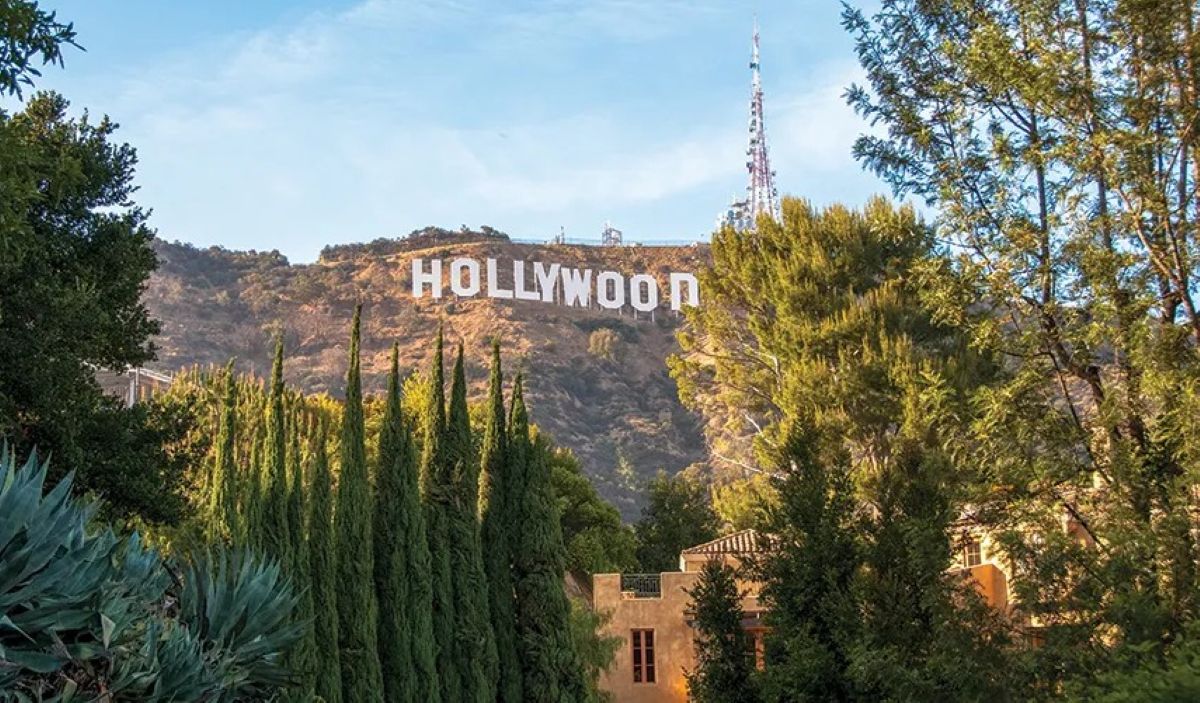
Image Credit travelguidetocalifornia.com
There is something magical about California that pulls you back no matter how many times you have chased its golden sunsets. This year the Golden State feels more alive than ever humming with an energy that has shattered all expectations. From the sun-drenched coastlines of Los Angeles to the misty peaks of the Sierra Nevada a staggering $158.9 billion wave of visitor spending has breathed life into local communities. It is not about the numbers; it is the heartbeat of local neighborhoods thriving once again proving that our love affair, with travel is truly unstoppable.
Advertisement
Advertisement
How Is Los Angeles Dominating the Global Tourism Landscape with Record Visitors and Mega-Events?
Los Angeles remains an unstoppable force within the global travel market, drawing an amazing total of 49.5 million visitors who contributed over $42.6 billion in total economic activity. The city continues to benefit from an extraordinary multi-year runway of international sports and entertainment spectacles, placing Southern California directly in the world’s spotlight.
Advertisement
Advertisement
To accommodate this sustained flood of travelers, major structural upgrades at Los Angeles International Airport (LAX) are optimizing direct flights from key international markets. Meanwhile, continuous hotel investments across Downtown L.A. and Hollywood ensure that the local hospitality sector remains fully equipped for upcoming global tournaments.
What Makes San Diego a Premier Destination for International Travelers and Record Growth?
Advertisement
Advertisement
San Diego County attracted roughly 32.4 million visitors, generating an incredible $14.4 billion in direct spending across local lodging, fine dining, and coastal attractions. Thanks to its famous Mediterranean climate, world-class cultural institutions like Balboa Park, and steady corporate convention bookings, the region consistently ranks as a top American destination.
With deep cross-border travel connections to Mexico, San Diego maintains exceptionally high average stays for both domestic and overseas vacationers. Visitors regularly explore vibrant arts districts, craft microbreweries, and scenic beaches, ensuring that tourism dollars directly strengthen the regional economy.
How Is San Francisco Fueling Its Remarkable Urban Revival and Convention Momentum?
San Francisco is moving forward on a powerful upward trajectory, welcoming 24.2 million visitors and generating $655 million in direct municipal tax revenues. Under local leadership, the city’s comprehensive recovery strategy prioritises major international business gatherings, rich local arts programming, and a total revival of the Moscone Center convention schedule.
Corporate confidence in the Bay Area has rebounded rapidly as major professional conventions book up venue spaces well in advance. Simultaneously, local officials are easing access to famous city landmarks, improving transit connectivity, and restoring international traveler confidence across every neighborhood.
Why Is San Jose Emerging as Silicon Valley’s Premier Lifestyle, Culinary, and Wine Destination?
Advertisement
Advertisement
San Jose continues to register robust hotel performance, driving direct tourist spending beyond $2.8 billion and supporting more than 23,000 local hospitality jobs. Rather than relying solely on traditional corporate tech visits, regional marketing initiatives have successfully highlighted the area’s rich culinary options and nearby wine country.
By presenting Silicon Valley as a dynamic lifestyle destination, local travel boards entice both business executives and holidaymakers to extend their stays. Excellent flight connectivity via San Jose International Airport ensures a healthy balance of midweek corporate travel and weekend leisure visits.
How Are Fresno’s Eco-Tourism and Agritourism Strategies Driving Historic Central Valley Growth?
Fresno has achieved a major historic milestone by scaling tourism spending to $1.82 billion, proving that inland California is a vital economic driver. The region’s tailored tourism campaign focuses on immersive farm-to-table culinary experiences, seasonal agricultural trails, and vast scenic landscapes.
Serving as the natural basecamp for iconic destinations such as Yosemite, Kings Canyon, and Sequoia National Parks, Fresno captures millions of road-tripping adventure travelers each year. Coordinated regional promotion continues to connect the Central Valley’s rich agricultural heritage directly with global eco-tourists.
How Is Workforce Stabilization and Job Creation Reshaping California’s Hospitality Ecosystem?
Advertisement
Advertisement
The recovery and expansion of California’s travel industry have served as a vital stabilizer for the statewide employment market. California’s tourism sector successfully anchors approximately 1.2 million jobs, reinforcing its position as one of the state’s largest employment generators. Recent performance metrics indicate the addition of over 4,350 net travel-related jobs during the baseline period, illustrating a steady upward trajectory in hiring capacity across hotels, restaurants, transportation networks, and cultural venues.
This sustained growth in hospitality payroll earnings and labor demand directly fortifies working-class communities by providing accessible career pathways and consistent wage distribution. As municipal tourism boards expand their promotional reach, the resulting increase in visitor volume ensures higher staffing ratios at local businesses. Consequently, the labor force within the leisure and hospitality sector has achieved significant resilience, helping buffer regional economies against broader macroeconomic headwinds.
In What Ways Do State and Local Tax Revenue Contributions Provide Essential Municipal Fiscal Relief?
Visitor spending creates a powerful compounding effect that extends far beyond private business revenue, directly nourishing public coffers. Statewide tourism generated an impressive $13.6 billion in state and local tax revenues, representing a solid 3.6% year-over-year increase. This substantial fiscal contribution plays a critical role in supporting municipal budgets, funding public services without increasing taxes on local residents.
By injecting billions into municipal finance systems, visitor-generated tax revenues lighten the individual financial burden on permanent households. These funds provide essential backing for municipal operations, including the maintenance of public safety services, emergency response teams, public education systems, and regional infrastructure upgrades. Ultimately, a thriving tourism economy translates into tangible improvements in community infrastructure and overall quality of life for residents statewide.
How Are Hotel Occupancy Growth, RevPAR Surges, and Room Night Demand Analytics Driving Lodging Performance?
Advertisement
Advertisement
California’s lodging industry continues to outpace national performance averages, reflecting sustained demand from both domestic holidaymakers and commercial travelers. State metrics reveal an additional 1.2 million room nights booked statewide during the baseline evaluation period, highlighting a strong appetite for California accommodations. Key lodging indicators, including Average Daily Rate (ADR) and Revenue Per Available Room (RevPAR), have shown consistent strength across coastal and metropolitan markets.
In major urban business hubs such as San Jose, hotel performance has remained particularly robust, with occupancy rates consistently hovering between 71.8% and 73.2%. This performance is driven by a balanced operational model that combines high-volume, midweek corporate bookings with steady weekend leisure traffic. High hotel occupancy rates reflect strong consumer confidence and generate steady secondary spending across surrounding dining, retail, and entertainment corridors.
What Strategies Are Navigating International Market Shifts and Strengthening Cross-Border Visitor Corridors?
While foreign exchange fluctuations and shifting international travel policies have introduced minor adjustments in global spending patterns, California’s key feeder markets remain exceptionally strong. Vital international corridors—including Mexico, Canada, China, and the United Kingdom—continue to deliver steady traveler volume to California’s major gateways. Regional travel boards have adapted to global economic shifts by launching targeted promotional campaigns tailored to high-yielding international segments.
In Southern California destinations like San Diego and Los Angeles, cross-border integration with Mexico remains a cornerstone of regional stability. Robust, consistent arrivals across border entry points contribute significantly to longer visitor stays. Domestic visitors average approximately 4 days per trip, whereas international guests frequently extend their itineraries to 5 or 7 days, maximizing total economic impact across local retail, culinary, and entertainment sectors.
How Will Mega-Event Pipelines and Global Economic Multipliers Secure Long-Term Prosperity Through 2028?
Advertisement
Advertisement
California is currently leveraging an unprecedented multi-year runway of high-profile global spectacles that guarantees sustained international visibility. Building directly on the momentum of hosting major international fixtures like the FIFA World Cup 26, host municipalities are orchestrating comprehensive preparation strategies. Destinations like Los Angeles are directing multi-billion-dollar infrastructure investments into venue enhancements, transportation upgrades, and neighborhood revitalization projects.
Looking ahead toward upcoming global events—including Super Bowl LXI and the 2028 Olympic and Paralympic Games—the state is positioned to capture massive economic multipliers. These multi-year preparations encourage early capital deployment, accelerate municipal transit developments, and incentivize private hotel renovations. The long-term impact guarantees that the physical infrastructure built for mega-events will continue to benefit local residents and regional visitors for decades to come.
Why Is Convention Center Revival and Business Events Sector Momentum Crucial for Urban Centers?
The corporate travel and group business sector has experienced a strong revival, restoring essential midweek demand to major metropolitan downtowns. Under decisive leadership initiatives in premier meeting destinations like San Francisco, civic organizations have prioritized group business recovery, downtown safety, and public space activation. Central to this strategy is the total revitalization of event schedules at major facilities like the Moscone Center.
Recent booking analytics demonstrate remarkable progress within the trade show and corporate gathering market, with convention facilities securing an additional 8% in new commitments on top of previous double-digit growth percentages. This resurgence in group business activity boosts hotel occupancy during traditional midweek lulls, while channeling steady foot traffic into urban restaurants, cultural venues, and transport networks.
How Is Regional Agritourism and Eco-Tourism Diversification Expanding Growth in Inland Valleys?
Advertisement
Advertisement
Beyond California’s iconic coastlines, inland regions are capturing an increasing share of the state’s tourism economy through strategic diversification. Inland hubs like Fresno County have reached historic financial milestones, with direct visitor spending scaling to $1.82 billion. This growth illustrates a growing appetite for outdoor recreation, authentic regional travel, and nature-based experiences that highlight California’s interior landscapes.
Fresno’s regional strategy relies heavily on promoting immersive agritourism initiatives, such as the famous Fresno Blossom Trail, alongside local farm-to-table culinary offerings. Furthermore, the area serves as an essential basecamp for international tourists journeying toward Yosemite, Kings Canyon, and Sequoia National Parks. By linking agricultural heritage with eco-tourism, inland communities are relieving pressure on coastal destinations while creating resilient, year-round economic opportunities.
What Role Does Aviation Hub Modernization and Non-Stop Airlift Capacity Expansion Play in Regional Connectivity?
Aviation infrastructure serves as the primary engine facilitating passenger inflows into California’s diverse travel ecosystems. Major commercial aviation gateways—including Los Angeles International Airport (LAX) and San Jose International Airport (SJC)—are undergoing multi-billion-dollar modernizations to improve terminal throughput, streamline international arrivals, and elevate the overall passenger experience. These capital investments ensure that California’s airports remain globally competitive and ready for future capacity growth.
Strategic airline partnerships and expanded non-stop flight routes have significantly improved accessibility for both domestic and overseas travelers. San Jose International Airport effectively balances high-frequency midweek corporate routes with targeted weekend leisure flights, maintaining stable operational volume. Concurrently, LAX’s expanded international routing network continues to drive high-capacity visitor inflows, ensuring smooth connectivity between California’s urban hubs and key international markets worldwide.
The Final Verdict
Advertisement
Advertisement
At the end of the day Californias amazing tourism revival is about much more than numbers on a page or big news stories. It is in the laughter that fills the air on boardwalks it is in the warm feelings of local families who open their homes to visitors and it is in the special feeling of a state that never gives up. When you see communities coming back, to life you understand that travel is not a business it is the way people connect with each other. The Golden State has reminded all of us why we love to travel in the place and the feeling it leaves in our hearts stays with us long after the trip is over.
Frequently Asked Questions
What was the total statewide visitor spending in California?
Statewide visitor spending climbed to a record $158.9 billion, marking a steady 1.7% year-over-year increase across the state.
How many jobs does California tourism support?
The Golden State’s thriving travel economy supports approximately 1.2 million local jobs.
Advertisement
Advertisement
Which major sports events are boosting Los Angeles travel?
Los Angeles is capitalizing on major global events, including FIFA World Cup matches, Super Bowl LXI, and the 2028 Olympic and Paralympic Games.
What was the total economic impact of tourism in San Jose?
Direct spending in San Jose reached $2.8 billion, creating a total economic ripple effect of $3.7 billion.
Which national parks are accessible from Fresno?
Fresno serves as a primary gateway to Yosemite National Park, Kings Canyon National Park, and Sequoia National Park.
Advertisement
