
Iran Tourism at Risk as Strait of Hormuz Tensions Challenge Airlines, Cruises and Visitor Confidence

Published
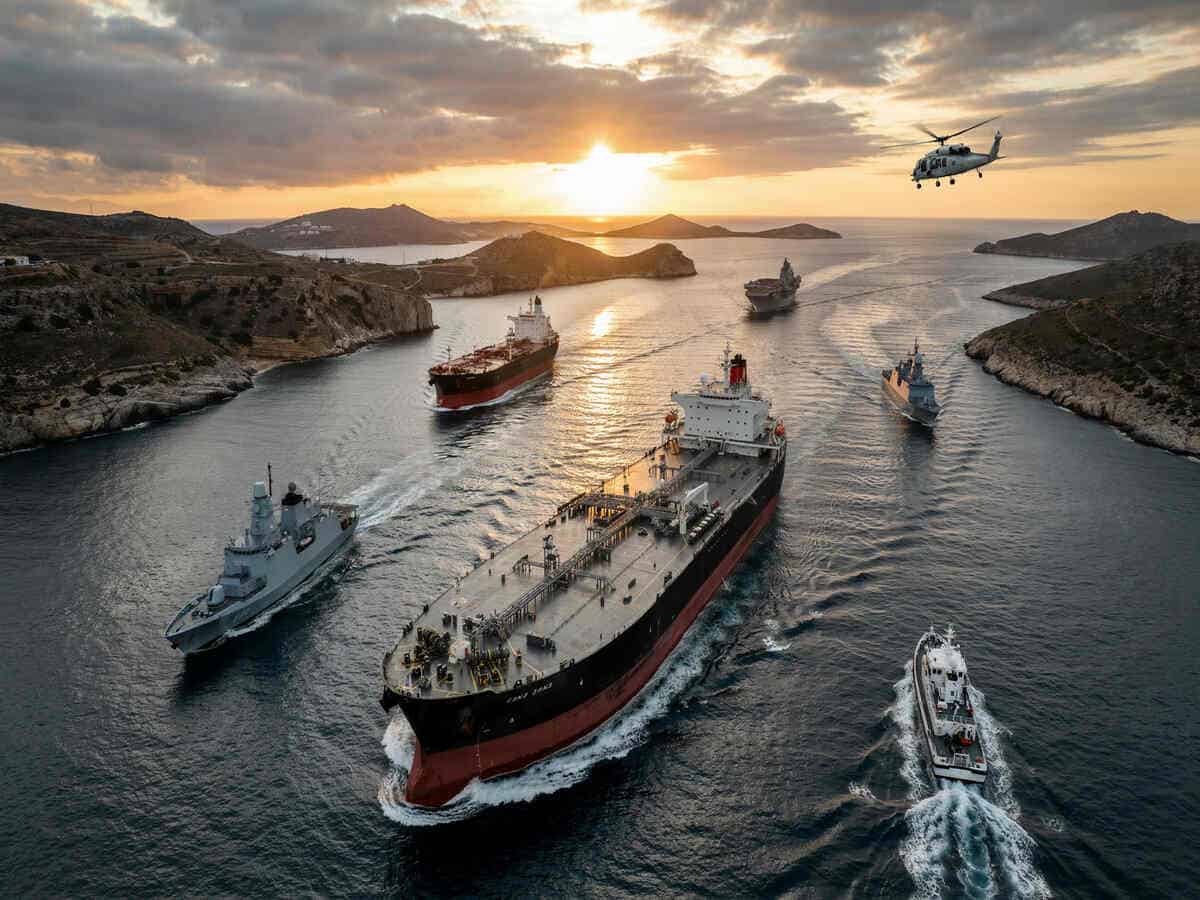
Image generated with Ai
Iran tourism is poised to become one of the biggest losers as the tension mounts in the strategic waterway and disrupts the transportation and tourism industry. The tourism in Iran faces threat as new phase of geopolitical and security challenges unfolds around the strategic straits leading to reconsideration of alternate commercial sea routes, aviation security measures and regional tourism by both Middle East and International visitors. The situation has caused not only the prospect of a downturn in Iran tourism, but also regional repercussions for Gulf tourism destinations connected by the region’s free-flowing trade networks.
Iran Tourism Enters a New Era of Uncertainty Amid Rising Regional Tensions
Iran’s tourism sector is confronting a major confidence challenge as diplomatic tensions with the United States intensify and concerns grow around the Strait of Hormuz. The reported breakdown in direct communication channels between Washington and Tehran, combined with escalating political pressure, has increased uncertainty for travellers, airlines and tourism businesses.
Iran has long been recognised for its extraordinary cultural and historical tourism potential. Ancient cities, Persian heritage sites, traditional markets, architecture and landscapes have positioned the country as a destination with significant long-term tourism opportunities.
However, international tourism depends heavily on stability. Travellers often make decisions based on safety perceptions, transport reliability and government guidance. When geopolitical tensions increase, tourism demand can slow even before direct restrictions are introduced.
Advertisement
Advertisement
The current situation creates a difficult environment for Iran’s hospitality sector. Hotels, tour operators, cultural attractions and travel companies may face declining international interest as visitors reconsider plans and wait for greater clarity.
Advertisement
Advertisement
The impact goes beyond immediate visitor numbers. Long periods of uncertainty can also affect tourism investment, airline partnerships and future destination marketing efforts.
Strait of Hormuz Crisis Creates Wider Tourism Challenges Across the Middle East
The Strait of Hormuz has become the centre of international attention because of its importance for global energy and maritime movement. Any instability around this strategic route creates consequences that extend beyond shipping and energy markets.
For tourism, the biggest concern is confidence. The Middle East has become one of the world’s fastest-growing travel regions, supported by major aviation hubs, luxury tourism projects, cruise routes and international events.
However, regional uncertainty can influence how travellers view destinations. Many visitors do not separate individual countries from wider regional events. A crisis involving Iran can affect perceptions of nearby tourism markets, even when those destinations remain operational.
Countries including the United Arab Emirates, Qatar and Oman have built tourism strategies around connectivity, safety and international arrivals. Any prolonged instability around the Strait of Hormuz could create additional challenges for maintaining traveller confidence.
Advertisement
Advertisement
The tourism industry is therefore watching developments closely because regional stability remains a key foundation for continued growth.
Airlines Face Growing Pressure as Middle East Travel Routes Become More Sensitive
Aviation is often the first tourism sector to experience the effects of geopolitical uncertainty. Airlines operating across the Middle East must constantly evaluate routes, airspace conditions, operational costs and passenger demand.
Rising tensions around Iran can influence flight planning decisions, including possible route adjustments, longer journeys and increased operating expenses.
Major Gulf aviation hubs depend on international connectivity. Airports in the region serve millions of passengers connecting between Europe, Asia, Africa and the Americas. Any disruption to regional air networks can affect both direct travellers and transit passengers.
For tourists, uncertainty can lead to delayed bookings, increased concern about cancellations and greater demand for flexible travel options.
Advertisement
Advertisement
Airlines may also experience higher costs because of fuel consumption, insurance requirements and operational changes. If these pressures continue, travellers could eventually see increased ticket prices or reduced route availability.
The aviation impact demonstrates how closely modern tourism depends on geopolitical stability.
Gulf Tourism Industry Watches Visitor Confidence as Travellers Reconsider Plans
The Gulf region has invested heavily in becoming a global tourism powerhouse. Luxury resorts, entertainment destinations, cultural attractions and major international events have transformed the region into a leading travel market.
However, tourism growth relies on visitor confidence.
Even when hotels remain open and airports continue operating, uncertainty can influence traveller decisions. Some visitors may postpone holidays, while others may choose destinations they consider less affected by regional tensions.
Advertisement
Advertisement
Family travellers, leisure tourists and international holidaymakers are particularly sensitive to safety concerns. Business travellers may also reconsider regional meetings, conferences and corporate visits.
The challenge for Gulf tourism markets is managing perception. A destination may remain safe and operational, but international visitors often react to broader regional headlines.
Maintaining confidence through clear communication, strong safety measures and reliable travel services becomes increasingly important during periods of uncertainty.
Cruise Tourism Faces New Risks from Maritime Disruption
The Strait of Hormuz situation also creates challenges for cruise tourism and maritime travel.
The Gulf has become an increasingly popular cruise region, offering visitors experiences across destinations such as Dubai, Oman and Qatar. Cruise operators depend on predictable routes, secure ports and smooth maritime operations.
Advertisement
Advertisement
Any concerns around shipping routes can force cruise companies to review itineraries, adjust schedules or consider alternative arrangements.
Cruise passengers typically choose these holidays because they expect convenience and security. Even limited uncertainty can influence booking decisions.
The impact can also spread to ports, local tourism businesses and destination economies that benefit from cruise visitors.
Restaurants, transport providers, tour operators and cultural attractions near cruise ports all depend on steady passenger arrivals.
A prolonged maritime challenge could therefore affect a wider tourism network beyond the immediate areas of concern.
Advertisement
Advertisement
Rising Energy Costs Could Increase Travel Expenses Worldwide
The Strait of Hormuz crisis has also raised concerns about energy markets, creating possible consequences for global tourism costs.
Fuel prices are closely connected to aviation expenses. Airlines rely heavily on fuel stability to maintain affordable international routes.
If energy markets remain under pressure, airlines could face higher operating costs. These increases may eventually affect ticket prices, particularly for long-distance flights.
Higher fuel costs can influence the entire tourism supply chain. Transportation providers, hotels and tourism businesses may face increased expenses, which could affect pricing for travellers.
The impact would not only be limited to the Middle East. International tourism markets worldwide can feel the effects of rising aviation costs.
Advertisement
Advertisement
For travellers, this could mean higher holiday budgets and more careful planning when choosing destinations.
Business Travel Could Slow Before Leisure Tourism Recovery
Business travel is often one of the first tourism segments affected during geopolitical uncertainty.
Companies may delay international meetings, postpone conferences and reduce executive travel when regional risks increase.
The Middle East has developed into a major business tourism centre, attracting global companies through investment events, exhibitions and conferences.
Hotels, convention centres and airlines that depend on corporate travellers may experience pressure if businesses adopt a more cautious approach.
Advertisement
Advertisement
Leisure tourism often takes longer to react, but business travel decisions can change quickly because companies have stronger risk-management policies.
A prolonged crisis could therefore affect hospitality markets that depend heavily on international business visitors.
Iran’s Tourism Future Depends on Restoring Traveller Confidence
Iran’s long-term tourism potential remains significant because of its cultural heritage, historical importance and diverse landscapes.
However, tourism recovery requires stability and confidence. International travellers need reassurance about safety, transportation and accessibility before returning.
A continued diplomatic crisis could slow the development of Iran’s tourism industry by reducing international arrivals and limiting foreign investment.
Advertisement
Advertisement
Tourism businesses may face challenges maintaining international partnerships, marketing programmes and visitor services.
However, improved diplomatic conditions could eventually create opportunities for recovery. Iran’s cultural assets remain a strong foundation for future tourism growth if confidence returns.
Middle East Tourism Faces a Critical Test as Uncertainty Continues
The Iran and Strait of Hormuz crisis has created a challenging moment for Middle East tourism. The effects are being felt through aviation concerns, changing traveller behaviour, maritime uncertainty and rising operational pressures.
Iran faces the most immediate tourism challenges, but the wider region is also watching carefully as airlines, hotels and travel companies assess the situation.
The future of regional tourism will depend on whether diplomatic communication improves, transport networks remain stable and international confidence can be protected.
Advertisement
Advertisement
The crisis highlights a major reality of modern tourism: travel is deeply connected to global politics, energy markets and security conditions.
Iran tourism is at risk as the situation in the Strait of Hormuz affects both the demand and the transportation of tourists, as well as the situation in the region in general.
Both tourists and the local hospitality business find themselves in a risky situation as the crisis develops.
For now, the Middle East tourism industry is at the mercy of unpredictable circumstances.
Advertisement
