

Finland Teams Up With Estonia and Ireland as Europe’s Sauna Tourism Boom Unlocks a New Era of Wellness Travel in 2026

Published
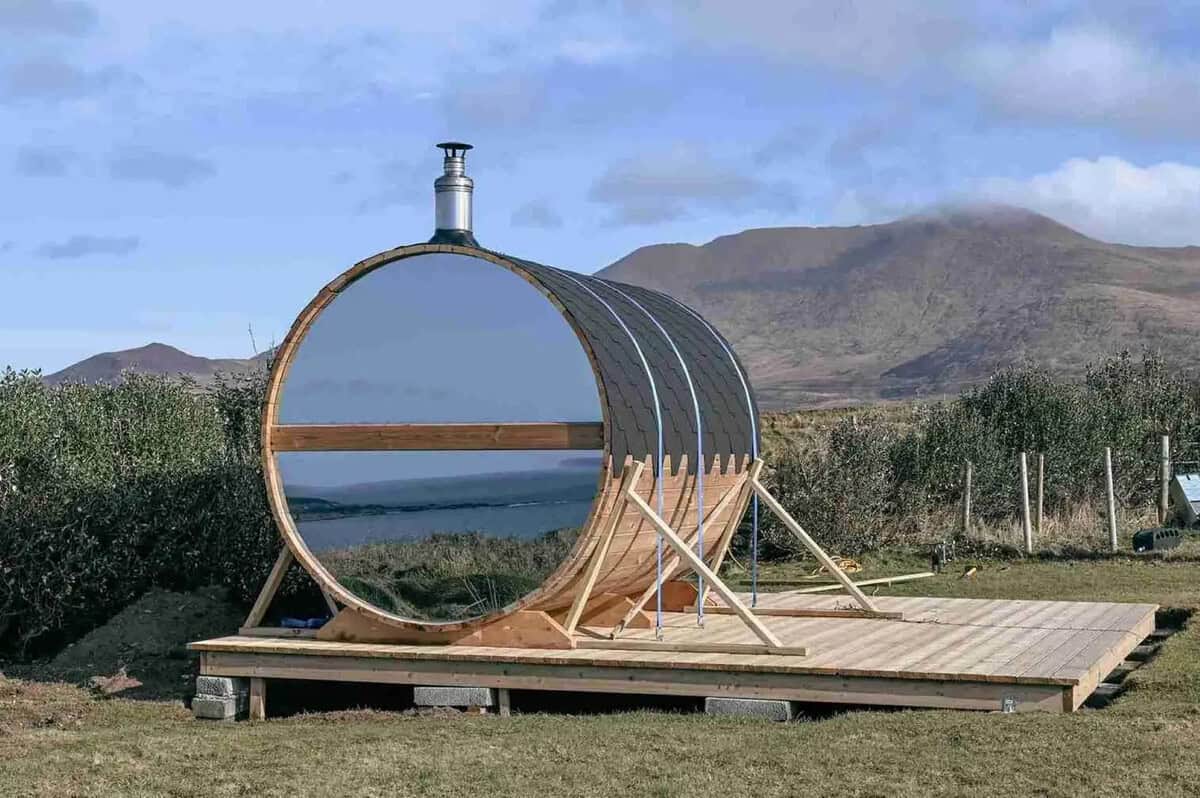
Finland, Estonia and Ireland are emerging as three important destinations shaping European sauna tourism in 2026, as travellers seek more wellness-focused holidays, authentic cultural traditions and outdoor relaxation experiences. Finland leads through its established network of approximately 3.3 million saunas and internationally recognised bathing culture, while Estonia promotes its UNESCO-listed smoke sauna traditions. Ireland is developing a newer market for coastal barrel saunas, supported by growing interest in sea swimming and nature-based wellness activities. Together, these destinations highlight how traditional bathing practices and modern outdoor experiences are creating fresh opportunities for tourism operators, accommodation providers and regional destinations across Europe.
The development reflects a changing approach to wellness travel. Instead of depending only on luxury spas and resort treatments, destinations are introducing experiences that connect visitors with local customs, landscapes and community life. Sauna bathing is particularly well suited to this approach because it can form part of urban holidays, countryside escapes, lakeside retreats and coastal itineraries. Finland and Estonia already benefit from internationally recognised sauna heritage, while Ireland’s expanding outdoor wellness scene demonstrates how a traditional concept can be adapted to modern tourism demand. However, the three markets are at different stages of development, and comparable official figures measuring their sauna tourism revenue or international visitor numbers are not yet available.
Advertisement
Advertisement
Finland’s 3.3 Million Saunas Strengthen Its Position as a Global Wellness Destination
Finland has one of the world’s most deeply established sauna cultures, with the practice forming part of everyday life rather than existing solely as a tourism attraction. UNESCO records approximately 3.3 million saunas for a population historically estimated at 5.5 million, equivalent to roughly one sauna for every 1.7 residents. Visit Finland has also published estimates exceeding three million facilities, reflecting the remarkable scale of sauna infrastructure across the country.
These figures help explain why sauna experiences feature so prominently in Finnish tourism. Facilities are found in private homes, public bathing centres, lakeside cottages, countryside accommodation and hotels. Visitors therefore have opportunities to experience traditional Finnish bathing in several different settings and at different price levels.
Advertisement
Advertisement
The country’s extensive lakes and forests contribute to its appeal. Travellers can combine a sauna session with swimming, nature walks or peaceful lakeside stays. Winter offers another setting, with heated indoor spaces providing a striking contrast to cold outdoor surroundings.
Tampere’s Sauna Capital Status Makes It a Major Attraction for Cultural Travellers
Finland’s lake landscapes add to its sauna tourism appeal. Tampere has become an important centre for Finland’s international sauna identity. Since 2018, the city has held the title of Sauna Capital of the World, supported by its longstanding bathing traditions and concentration of public facilities. Visit Tampere identifies almost 70 public saunas across the wider region, with options ranging from traditional wood-heated venues to contemporary waterfront establishments.
Advertisement
Advertisement
A major attraction is Rajaportin Sauna, established in 1906 in the Pispala district. It remains Finland’s oldest operating public sauna, preserving a bathing environment that connects modern visitors with more than a century of local history. Tampere also benefits from its location between lakes Näsijärvi and Pyhäjärvi. This geography allows visitors to combine sauna experiences with waterfront recreation and city sightseeing.
The city’s offering extends beyond bathing. Museums, industrial heritage sites and cultural attractions make it suitable for longer urban stays. Sauna experiences can therefore support other parts of the visitor economy, including accommodation, local transport and guided activities. Tampere illustrates how a distinctive cultural tradition can become a recognisable destination identity while remaining connected to everyday community life.
UNESCO Recognition Gives Finland’s Sauna Culture International Heritage Value
Finland received an important international cultural distinction in December 2020 when UNESCO added Sauna Culture in Finland to its Representative List of the Intangible Cultural Heritage of Humanity. The recognition acknowledges the role of sauna bathing in family life, community relationships and the transmission of traditional knowledge. UNESCO identifies löyly, the steam released when water is poured over heated stones, as a central part of the Finnish experience. Different sauna types, including wood-heated, electric and smoke saunas, form part of the country’s wider bathing culture.
The recognition does not mean that every Finnish sauna is individually protected. It applies to the living cultural practice and the customs surrounding it. This distinction is particularly important for tourism development. UNESCO recognition can support cultural interpretation, destination marketing and visitor education, but commercial expansion must not weaken the traditions that give the experience meaning. The Finnish heritage programme therefore highlights the importance of continuing community participation and passing sauna knowledge between generations.
Estonia’s 100,000 Saunas Put Traditional Smoke Bathing in the Tourism Spotlight
Estonia offers a distinctive alternative to Finland’s extensive public sauna network. The country is commonly estimated to have more than 100,000 saunas for approximately 1.3 million residents, although this is a broad industry estimate rather than a newly verified 2026 official inventory. Its strongest cultural tourism attraction is the traditional smoke sauna, particularly in the southern Võromaa region. These structures preserve a heating method that differs substantially from modern electric facilities.
A traditional smoke sauna does not have a chimney. Wood burns beneath a stone-filled stove, allowing smoke to circulate through the room during heating. Once sufficient heat has accumulated, the fire is extinguished and the smoke is ventilated before bathers enter. Preparation can take several hours. Traditional facilities may require six to eight hours of heating, although individual methods and buildings vary.
Advertisement
Advertisement
The long preparation process forms an important part of the cultural experience. Visitors encounter a traditional practice that has survived through local knowledge and family customs rather than a modern treatment designed around rapid customer turnover. This makes southern Estonia particularly relevant to travellers interested in rural heritage and community-based tourism.
Estonia’s UNESCO-Listed Võromaa Smoke Saunas Offer an Authentic Heritage Experience
Estonia’s traditional smoke sauna culture gained UNESCO recognition in 2014, when the Smoke Sauna Tradition in Võromaa was added to the Representative List of the Intangible Cultural Heritage of Humanity. The designation recognises more than the bathing process. It covers the knowledge required to build and maintain the structures, prepare bath whisks, heat the sauna and carry out traditional customs. The practice also has historical connections with family gatherings and local celebrations.
Unlike commercial facilities that accommodate large numbers of guests throughout the day, traditional smoke saunas often require careful preparation and smaller groups. This creates opportunities for countryside accommodation providers, local guides and heritage tourism businesses to develop experiences centred on regional customs. However, maintaining authenticity remains essential. UNESCO’s recognition places importance on safeguarding community knowledge, meaning tourism growth should support the people who continue practising these traditions.
Ireland’s Coastal Sauna Expansion Brings a Modern Twist to European Wellness Travel
Ireland is developing a different sauna tourism identity, built around small outdoor facilities located near beaches, lakes and countryside destinations. The emerging market has attracted attention through estimates of approximately 242 independent sauna businesses, with around 90% reportedly established after 2020. More than half of the reported total are said to have opened in 2025.
These figures describe a reported industry trend, not an officially verified national statistical series. They should therefore be treated as provisional estimates rather than confirmed government data. Nevertheless, Ireland’s official tourism listings demonstrate the commercial presence of coastal sauna experiences. Discover Ireland features wood-fired facilities in County Kerry, County Cork and County Meath, including locations that combine beach access with heated bathing. The appeal comes from the setting as much as the facility itself. Travellers can experience the contrast between a warm sauna and Ireland’s natural coastal environment while exploring nearby beaches and scenic routes.
Ireland’s Wild Atlantic Way Creates Opportunities for Sea-Dipping and Sauna Experiences
The Wild Atlantic Way provides a particularly relevant tourism setting for Ireland’s developing sauna sector. Along the western coastline, official tourism listings identify sauna experiences around the Dingle Peninsula, including Ventry and Ballydavid in County Kerry. These facilities combine wood-fired heat with views of the Atlantic coast. Some also provide cold showers or plunge facilities, while the nearby sea offers an additional outdoor activity where conditions and individual health permit.
Advertisement
Advertisement
Coastal sauna experiences can complement walking holidays, countryside accommodation, nature tourism and short breaks. They may also encourage visitors to spend additional time in a destination. Ireland’s emerging model is particularly relevant to smaller independent operators because sauna experiences do not necessarily require large hotel complexes. However, coastal operations also depend on appropriate site permissions, environmental management, safe access and suitable facilities.
Ireland’s Historic Stone Sweathouses Add Cultural Depth to Its New Wellness Trend
Ireland’s modern sauna businesses may represent a recent commercial development, but the island also has a history of traditional heat-based bathing. Rural communities once used small stone structures known as sweathouses. These buildings were heated before use and formed part of local customs associated with physical comfort and traditional health practices. Some historic examples survive, offering evidence of Ireland’s earlier bathing traditions. Modern barrel saunas should not automatically be described as direct descendants of these structures because their design, operation and cultural context differ.
Nevertheless, this historical connection creates an opportunity for heritage interpretation. Tourism experiences can introduce visitors to Ireland’s traditional structures while explaining how contemporary outdoor sauna businesses differ from earlier practices. This approach could help destinations move beyond presenting sauna bathing solely as a fashionable recreational activity.
Finland, Estonia and Ireland Show Three Different Models of Sauna Tourism Development
Although all three destinations are associated with sauna bathing, their tourism offerings have different characteristics.
| Destination | Sauna market estimate | Main tourism attraction | Heritage recognition | Tourism opportunity |
|---|---|---|---|---|
| Finland | Around 3.0–3.3 million saunas | Traditional public saunas, lakeside bathing and sauna holidays | UNESCO inscription, 2020 | Established cultural and wellness tourism |
| Estonia | More than 100,000 saunas, estimated | Traditional chimneyless smoke saunas in Võromaa | UNESCO inscription, 2014 | Rural heritage and small-group cultural experiences |
| Ireland | Approximately 242 independent operators, reported industry estimate | Coastal barrel saunas, sea-dipping and countryside relaxation | Historic sweathouses; no equivalent UNESCO sauna inscription | Emerging outdoor wellness and regional tourism |
Figures refer to different measures and reporting methods. The Ireland estimate concerns independent operators, not the total number of saunas. The estimates are not directly comparable. The comparison demonstrates why sauna tourism should not be treated as one uniform European market. Finland benefits from longstanding cultural participation and large-scale infrastructure. Estonia’s appeal comes from preserving traditional practices, while Ireland is developing a more contemporary product associated with outdoor recreation. Each model also requires a different approach to tourism planning, visitor management and business development.
Sauna Tourism Opens New Commercial Opportunities Across Europe’s Travel Industry
The growing visibility of sauna experiences creates opportunities across several areas of the tourism economy. Hotels can introduce sauna access as part of accommodation packages, while tour operators can combine bathing experiences with guided cultural visits or outdoor activities. Rural destinations may benefit from visitors seeking peaceful settings, and urban tourism centres can incorporate historic public saunas into city-break itineraries.
Advertisement
Advertisement
The most relevant opportunities include:
- Wellness holiday packages: Combining sauna access with accommodation, relaxation and nature activities.
- Cultural tourism: Introducing travellers to Finnish bathing customs and Estonia’s traditional smoke sauna heritage.
- Coastal experiences: Developing Ireland’s combination of outdoor saunas, beaches and sea swimming.
- Regional tourism development: Encouraging visits beyond major cities through countryside and lakeside experiences.
- Small-business participation: Creating opportunities for independent operators, guides and accommodation providers.
These possibilities do not establish a measurable increase in national tourism revenue. Separate booking, visitor and expenditure data would be needed to quantify the economic contribution. They do, however, demonstrate how destinations can develop additional visitor experiences around existing cultural and natural assets.
Health Risks Bring New Responsibilities for Europe’s Sauna Tourism Operators
The expansion of sauna tourism also makes visitor safety an important consideration. High temperatures cause the body to sweat, increase heart rate and widen blood vessels. These changes can affect blood pressure and increase fluid loss.
Although many healthy adults tolerate sauna bathing, the experience may present additional risks for travellers with cardiovascular conditions, dehydration or certain medical problems. The American Heart Association advises people with concerns about blood pressure or heart health to seek medical advice when appropriate. It also warns against mixing alcohol with sauna use and highlights potential concerns when moving rapidly between very hot and cold environments.
Individuals with unstable angina, a recent heart attack or severe aortic stenosis should not undertake sauna bathing without appropriate medical clearance. Visitors should also consider dehydration caused by previous exercise, hot weather, vomiting or diarrhoea. Particular attention is needed at coastal facilities offering rapid transitions between heated saunas and cold-water immersion.
What Travellers Should Know Before Booking a Sauna Experience in Europe
Travellers planning sauna-focused holidays should understand both the traditions and the practical conditions at their chosen destination. Traditional saunas differ in temperature, humidity, heating method and operating arrangements. Some public facilities provide scheduled sessions, while heritage smoke saunas may require advance booking because preparation takes several hours.
Advertisement
Advertisement
Important precautions include:
- Drink water: Maintain adequate hydration before and after sauna sessions.
- Avoid alcohol: Do not consume alcohol before or during sauna bathing.
- Begin with short sessions: New visitors should avoid prolonged exposure to intense heat.
- Check medical conditions: Seek professional advice when cardiovascular disease or other health concerns are present.
- Use caution with cold water: Sudden immersion can place additional strain on the cardiovascular system.
- Follow local guidance: Observe bathing etiquette, hygiene requirements and instructions from facility operators.
These considerations become particularly important for international visitors unfamiliar with traditional bathing practices. Clear information can help operators improve the experience while reducing preventable health and safety risks.
What Happens Next as Finland, Estonia and Ireland Develop Their Sauna Tourism Markets?
European sauna tourism is likely to develop through different destination strategies rather than a single industry model. Finland has an opportunity to build on its internationally recognised traditions and established public facilities. Tampere’s destination identity demonstrates how sauna culture can support a broader tourism offering involving heritage, accommodation and urban experiences.
Estonia’s future opportunities are more closely linked to heritage preservation. Supporting local communities and maintaining traditional preparation methods will remain important as smoke sauna experiences attract cultural travellers. Ireland faces a different challenge. Its emerging commercial market needs reliable industry data alongside appropriate environmental and operational standards. These measures would help authorities and operators understand the true economic role of sauna-related travel.
Europe’s Sauna Tourism Future Connects Heritage, Nature and Modern Wellness Travel
Finland, Estonia and Ireland demonstrate how sauna tourism can connect historical traditions with modern travel interests. Finland’s extensive infrastructure and UNESCO-recognised culture provide an established foundation. Estonia preserves a specialised form of traditional bathing that appeals to heritage-focused travellers. Ireland introduces contemporary outdoor experiences shaped by its coastline and countryside.
Together, the three destinations offer different reasons to travel, from historic public saunas in Tampere to traditional smoke bathing in Võromaa and coastal barrel saunas along Ireland’s Atlantic shores. The industry’s growth also brings responsibilities. Protecting cultural traditions, maintaining visitor safety and managing the environmental impact of outdoor facilities will be essential. As European destinations continue developing wellness tourism, sauna experiences provide an opportunity to connect travel with regional identity, natural surroundings and local communities.
Advertisement
