
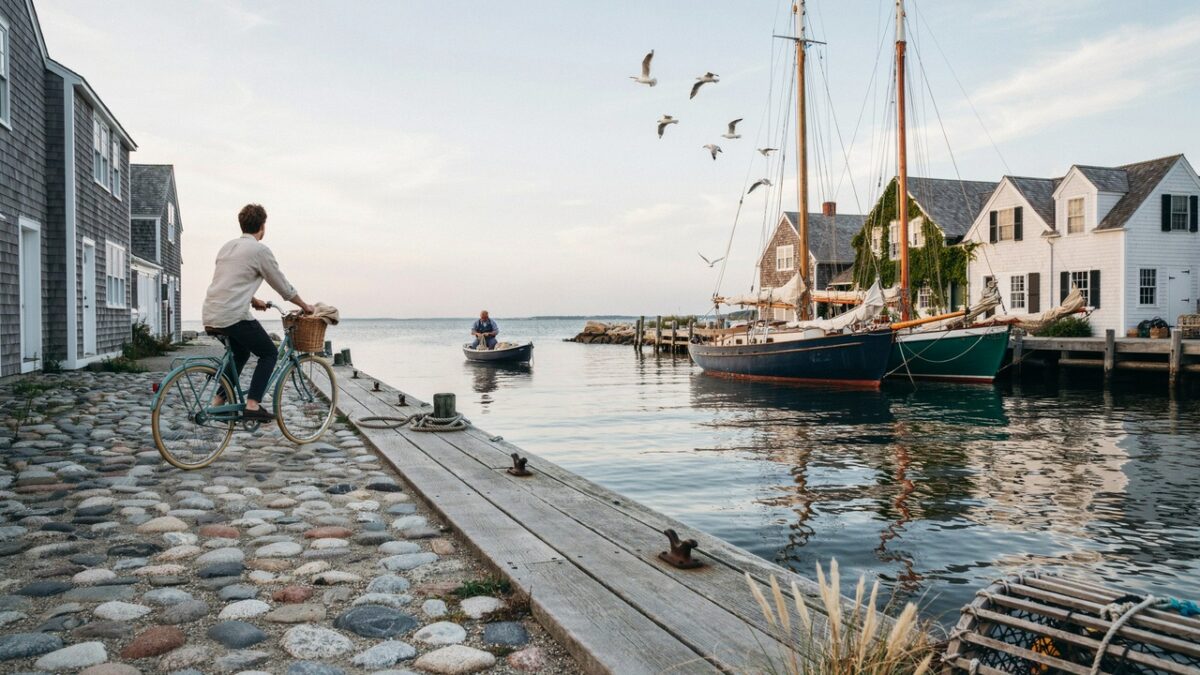
Image generated with Ai
Nantucket is experiencing a new chapter in its tourism story as social media popularity brings unprecedented attention to the historic Massachusetts island. Known for its cobblestone streets, grey-shingled cottages, beaches and maritime heritage, Nantucket has become a highly photographed destination attracting travellers inspired by viral online content. However, the growing popularity has also created new conversations about crowd management, community preservation and sustainable tourism.
The latest Nantucket travel update highlights a wider global challenge facing destinations that become famous through social media platforms. While tourism supports local businesses and strengthens economies, communities are increasingly searching for ways to welcome visitors while protecting the character, environment and lifestyle that make destinations special.
The rise of influencer-driven travel has transformed how millions of people discover destinations. A single viral image, video or travel recommendation can introduce a previously quiet location to a global audience within days.
For Nantucket, this digital attention has created new interest in the island’s historic neighbourhoods, coastal scenery and luxury summer experiences.
Advertisement
Advertisement
The island has traditionally attracted visitors seeking a peaceful New England escape, with many travellers drawn to its preserved architecture, beaches and slower pace of life. However, residents and longtime visitors have raised concerns that increased online exposure has changed the visitor experience.
The challenge is not tourism itself. Nantucket’s economy depends heavily on visitors who support hotels, restaurants, shops and local businesses. The concern is finding the right balance between economic benefits and maintaining the island’s unique identity.
This issue reflects a wider global tourism trend where destinations must manage popularity while protecting the qualities that attracted visitors in the first place.
Nantucket has long been recognised as one of America’s most distinctive island destinations.
Located approximately 30 miles south of Cape Cod, the island offers a combination of historic charm, coastal landscapes and luxury travel experiences.
Its limited accessibility has traditionally helped maintain a controlled visitor flow, as travellers typically arrive by ferry or aircraft rather than by road.
However, social media platforms have introduced Nantucket to a much larger audience. Images showcasing flower-filled streets, traditional homes, ocean views and boutique experiences have encouraged more travellers to add the island to their holiday plans.
The increased attention has created opportunities for tourism businesses but has also raised questions about how visitors interact with local spaces.
Some residents argue that certain travellers arrive primarily seeking photographs for social media rather than deeper cultural experiences.
The discussion reflects a broader question facing many destinations: how can places remain welcoming while preserving authenticity?
Despite growing tourism discussions, Nantucket remains one of the most appealing coastal destinations in the United States.
The island offers visitors a combination of history, nature and relaxation.
Nantucket’s downtown area is famous for its preserved architecture, cobblestone streets and historic atmosphere.
Visitors can explore:
The town provides travellers with an opportunity to experience a traditional New England coastal community.
Nantucket’s coastline continues to be one of its biggest draws.
Popular beaches include:
These locations attract visitors seeking swimming, coastal walks, sunsets and peaceful seaside experiences.
The island’s compact size makes cycling one of the most popular ways to explore Nantucket.
Visitors can travel through scenic roads, coastal routes and quieter areas away from the busiest locations.
Cycling allows travellers to discover hidden corners of the island while reducing reliance on vehicles.
Nantucket’s history is deeply connected with the sea.
The island’s whaling heritage remains an important part of its identity, with attractions such as the Nantucket Whaling Museum helping visitors understand its maritime past.
This combination of history and coastal beauty continues making Nantucket a sought-after destination.
Nantucket’s experience reflects a much larger issue affecting destinations worldwide.
Social media has helped many locations achieve international recognition, but rapid visitor growth can create challenges when infrastructure cannot keep pace.
Destinations such as Greece’s Balos Beach and Italy’s Amalfi Coast have also experienced concerns related to overcrowding and concentrated visitor demand.
In Greece, environmentally sensitive coastal locations have faced pressure from increasing tourist numbers, encouraging authorities to consider visitor management approaches.
Along Italy’s Amalfi Coast, popular viewpoints, roads and villages have experienced heavy visitor flows during peak periods.
These examples demonstrate that digital popularity can provide enormous tourism opportunities while also requiring careful destination planning.
Many destinations are moving towards smarter tourism management rather than limiting visitors completely.
Possible strategies include:
The objective is to spread visitors more evenly and protect local environments.
For island destinations especially, managing visitor numbers is important because limited land, infrastructure and natural resources can quickly become overwhelmed.
Tourism authorities worldwide are increasingly encouraging travellers to explore beyond famous locations and discover surrounding communities.
This approach helps distribute economic benefits while reducing pressure on highly concentrated attractions.
The future of travel depends heavily on responsible visitor behaviour.
Travellers can support destinations like Nantucket by respecting local communities, protecting natural environments and engaging with places beyond social media highlights.
Responsible travel practices include:
Supporting locally owned businesses
Respecting private property and residential areas
Visiting during less crowded periods
Exploring lesser-known attractions
Following local guidelines
Spending more time understanding local culture
A meaningful journey is often created through genuine connections rather than simply collecting photographs.
Travellers who slow down and explore responsibly can help ensure destinations remain enjoyable for future generations.
Travel influencers will continue playing an important role in destination marketing.
Social media creators can introduce destinations to millions of potential visitors and help local tourism businesses reach new audiences.
However, the future of influencer tourism is likely to focus more on responsible storytelling.
Successful travel content may increasingly highlight local culture, conservation efforts and respectful visitor behaviour rather than simply promoting hidden locations as viral attractions.
Destinations and creators may need to work together to encourage tourism that benefits both visitors and residents.
Nantucket is facing discussions about increasing visitor pressure linked to social media popularity and changing tourism patterns.
Yes. Nantucket remains a popular destination with historic charm, beaches, cycling routes, restaurants and maritime experiences.
Overtourism occurs when visitor numbers exceed the capacity of local infrastructure, environments or communities to manage comfortably.
Travellers can visit outside peak seasons, support local businesses and explore less crowded areas.
Influencers can contribute to sudden popularity, but tourism challenges usually involve multiple factors including infrastructure, planning and visitor behaviour.
The latest Nantucket travel update reflects a defining challenge in modern tourism: how destinations can embrace global attention while preserving their identity. Social media has created powerful opportunities by introducing beautiful places to millions of travellers, but it has also increased pressure on communities that were not designed for sudden popularity.
Nantucket represents both sides of this transformation. The island’s historic streets, beaches and maritime culture continue attracting visitors from around the world, while residents work to protect the qualities that make the destination special.
The future of travel will require a stronger balance between discovery and responsibility. Destinations will need smarter visitor management, and travellers will need greater awareness of their impact.
For visitors, the most rewarding experiences may come from moving beyond viral trends and connecting with destinations through culture, history and local communities. Protecting the world’s most beautiful places will ensure they remain extraordinary for generations to come.
Advertisement
Tags: Cape Cod, massachusetts, nantucket, new england, United States
Advertisement
Advertisement













Sunday, September 6, 2026

Sunday, September 6, 2026
Sunday, September 6, 2026

Sunday, September 6, 2026

Saturday, September 5, 2026
Saturday, September 5, 2026
Saturday, September 5, 2026

Saturday, September 5, 2026



