

Malta Stands Alongside Italy And More To Boost Tourism Growth As Europe Targets Strong 2026 Gains

Published
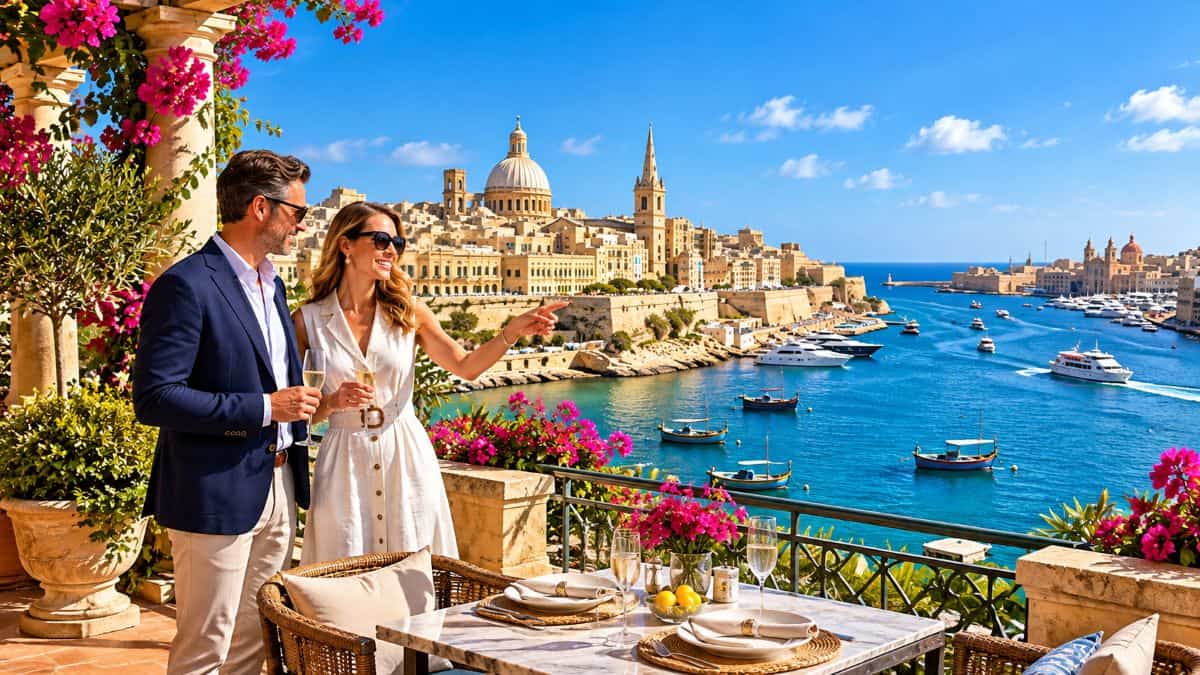
Europe’s travel and tourism industry is forecast to grow by 3.1% in 2026, according to new World Travel & Tourism Council research unveiled during the opening day of its Global Summit in Malta. The projection places Europe ahead of the wider global travel economy, which is expected to expand by 2.5% during the year. The figures arrive as the sector navigates geopolitical tensions, economic uncertainty and continuing cost-of-living pressures that are influencing household spending and international travel decisions. Despite these challenges, Europe remains a powerful destination region, supported by its extensive transport networks, cultural heritage, established hospitality infrastructure and diverse range of city, coastal and nature-based experiences.
The latest forecast also points to stronger tourism expenditure. International visitor spending across Europe is expected to rise by 5.8%, while leisure spending is projected to increase by 3.1%. Business travel is forecast to expand by 4.2%, providing another important source of demand for airlines, hotels, conference venues, restaurants and destination services. The figures were presented as Malta hosts the 26th WTTC Global Summit, bringing together government representatives, business leaders and tourism professionals to examine how the industry can convert growth into long-term economic opportunity while strengthening connectivity, accessibility and sustainable tourism.
Malta Becomes A Global Meeting Point For Tourism Leaders
Malta has emerged as an important setting for discussions about the future of international tourism as more than 200 chief executives and government officials join around 1,000 delegates at the WTTC summit. The gathering has brought together influential voices from across the travel economy at a time when destinations are seeking ways to encourage visitor growth without placing excessive pressure on local communities.
The Mediterranean island provides a fitting backdrop to these conversations. Tourism is closely connected to Malta’s economy, international air links, hospitality businesses, cultural attractions and maritime infrastructure. Its position within the Mediterranean also reflects the wider importance of European coastal destinations, which continue to attract travellers seeking heritage, leisure and cultural experiences.
Advertisement
Advertisement
The summit is examining how governments and businesses can respond to changing traveller expectations while ensuring that tourism remains economically productive and socially responsible. The central question is increasingly not whether tourism should grow, but how that growth can be managed effectively.
International Visitor Spending Strengthens European Outlook
The projected 5.8% increase in international visitor spending represents one of the strongest indicators of Europe’s tourism potential in 2026. Higher spending by overseas travellers can benefit a broad network of businesses, from hotels and restaurants to museums, transport operators, retailers and local attractions.
Advertisement
Advertisement
The growth also matters beyond major tourism capitals. If visitor demand is distributed more widely, secondary cities and regional destinations could gain greater opportunities to develop their tourism economies. Improved connectivity between established gateways and less-visited locations could encourage longer stays and broaden the economic impact of international travel.
The latest figures indicate that Europe’s tourism performance is being supported by several forms of demand rather than a single market segment.
| Tourism Indicator | Europe 2026 Forecast |
|---|---|
| Travel and tourism growth | 3.1% |
| Global travel and tourism growth | 2.5% |
| International visitor spending | 5.8% |
| Leisure spending | 3.1% |
| Business travel | 4.2% |
The figures underline the scale of the opportunity while also highlighting the need for destinations to prepare infrastructure, workers and services for sustained visitor demand.
Leisure Travel Continues To Support Destination Economies
Leisure spending is expected to rise by 3.1% in Europe during 2026, suggesting that holidays remain an important priority for travellers despite wider financial pressures. European destinations benefit from an exceptionally broad tourism proposition, ranging from historic capitals and Mediterranean resorts to Alpine landscapes, rural communities and cultural centres.
This diversity gives the region a degree of resilience. When travel preferences change, destinations can respond through different experiences and markets. City tourism, coastal holidays, cultural journeys and nature-based travel can complement one another across the continent.
However, higher visitor numbers can create pressure in destinations already dealing with congestion, housing concerns and strain on public services. Effective destination management will therefore become increasingly important as European tourism expands.
Advertisement
Advertisement
The industry faces a delicate balance between attracting visitors and protecting the character of the places they come to experience. Sustainable planning, investment in infrastructure and cooperation with local communities will be essential to maintaining that balance.
Business Travel Adds Momentum To European Tourism
Business travel is forecast to increase by 4.2%, adding another layer of resilience to Europe’s tourism economy. Business visitors support hotels, restaurants, transport providers and event venues, particularly in major commercial and financial centres.
Conferences, exhibitions and corporate meetings can also create wider economic benefits by bringing international professionals into cities and encouraging longer stays. The recovery of business mobility therefore has implications extending well beyond aviation and accommodation.
Future business travel is nevertheless likely to be shaped by changing corporate priorities. Organisations are increasingly considering the environmental impact of travel, while travellers expect efficient transport, reliable digital connectivity and high-quality services.
For European destinations, the challenge will be to remain competitive while developing tourism infrastructure that meets both commercial and sustainability expectations.
Connectivity Becomes A Strategic Tourism Priority
Strong connectivity is central to Europe’s ability to sustain tourism growth. International airports, high-speed railways, ferries, cruise ports and regional transport networks determine how easily visitors can reach and move between destinations.
Advertisement
Advertisement
Better connections can also help distribute tourism geographically. Travellers arriving through major gateways can be encouraged to explore smaller cities, rural regions and neighbouring countries when transport systems are convenient and integrated.
WTTC President and Chief Executive Gloria Guevara has highlighted seamless travel and stronger connectivity among the conditions needed to unlock tourism’s potential. Her comments reflect a wider industry concern that infrastructure must keep pace with demand.
For Europe, connectivity is therefore more than a transport issue. It is an important component of destination competitiveness, regional development and the visitor experience.
Sustainability Takes A Central Position At The Summit
Sustainable tourism is another major theme of the discussions taking place in Malta. The industry is under increasing pressure to expand economically while reducing environmental impacts and ensuring that local communities benefit from tourism.
That challenge is particularly important for popular European destinations, where seasonal visitor surges can place pressure on natural resources, public transport, historic areas and accommodation markets.
Sustainability requires more than environmental commitments. It also involves protecting cultural heritage, improving accessibility, developing local employment and ensuring that tourism revenue contributes to destination communities.
Advertisement
Advertisement
The summit’s focus on sustainable growth reflects the changing expectations surrounding modern travel. Tourism businesses and governments increasingly need to demonstrate that expansion can coexist with responsible destination management.
Global Leaders Consider Europe’s Next Tourism Chapter
The Malta summit has attracted senior figures from government and international tourism leadership, including former Canadian Prime Minister Justin Trudeau, European Commissioner for Sustainable Transport and Tourism Apostolos Tzitzikostas and Nick Adams, the first US Presidential Envoy for Tourism.
Their participation reflects the increasingly interconnected nature of tourism policy. Transport, economic development, workforce planning, sustainability and international cooperation all influence the performance of travel destinations.
WTTC Chairman Manfredi Lefebvre has emphasised the importance of strengthening partnerships and advancing initiatives that allow travel and tourism to support growth, investment and opportunity.
For Europe, these priorities are particularly significant because the region combines mature tourism markets with emerging destinations that require further investment.
Europe’s Tourism Growth Depends On Responsible Expansion
The 3.1% growth forecast presents an encouraging outlook for Europe’s travel and tourism industry in 2026. With international visitor spending expected to rise by 5.8%, leisure expenditure increasing by 3.1% and business travel advancing by 4.2%, the sector has several sources of momentum.
Advertisement
Advertisement
Yet the figures should not be interpreted as a guarantee of uninterrupted growth. Geopolitical developments, economic conditions, transport costs and consumer confidence can quickly influence international travel.
Europe’s long-term advantage will depend on how effectively it manages those risks while investing in connectivity, skills, accessibility and sustainable infrastructure. Malta’s role as host of the WTTC Global Summit places those priorities firmly at the centre of the international tourism debate.
The continent enters the remainder of 2026 with a significant opportunity. If governments and businesses can combine innovation with responsible destination management, Europe’s tourism industry could translate strong visitor demand into broader economic value while preserving the cultural and environmental assets that continue to attract travellers from around the world.
Frequently Asked Questions
1. How much is Europe’s travel and tourism sector expected to grow in 2026?
Europe’s travel and tourism industry is forecast to grow by 3.1% in 2026.
2. How does Europe compare with global tourism growth?
Advertisement
Advertisement
Europe’s projected 3.1% growth is higher than the global travel and tourism forecast of 2.5%.
3. Where is the 2026 WTTC Global Summit being held?
The 26th WTTC Global Summit is being held in Malta.
4. How much is international visitor spending expected to rise?
International visitor spending in Europe is forecast to increase by 5.8% in 2026.
5. What is the outlook for leisure spending in Europe?
Advertisement
Advertisement
Leisure spending is projected to grow by 3.1% during 2026.
6. What is the expected growth in European business travel?
Business travel is forecast to increase by 4.2% in Europe during 2026.
7. Why is Malta significant to the tourism summit?
Malta is a major Mediterranean tourism destination and provides an appropriate setting for discussions on connectivity, investment and sustainable tourism.
8. What are the main sustainability challenges for European tourism?
Advertisement
Advertisement
European destinations must manage visitor growth while protecting communities, cultural heritage, infrastructure and natural resources.
9. Why is connectivity important for European travel?
Efficient air, rail, maritime and regional transport connections make destinations more accessible and can distribute tourism beyond major gateways.
10. What could determine Europe’s tourism performance beyond 2026?
Long-term performance will depend on sustainable investment, connectivity, workforce development, destination management, economic conditions and traveller confidence.
Advertisement
